The European Space Agency, as its name suggests, is Europe's premier space organization committed to strengthening the continent's autonomy in space, among other things. It was founded in 1975 by ten member states—Belgium, Germany, Denmark, France, the United Kingdom, Italy, the Netherlands, Sweden, Switzerland, Spain—but has since grown to 23 members. It also has several associate members, with Canada also sitting in the ESA's Governing Council and participating in certain projects under a cooperation agreement.
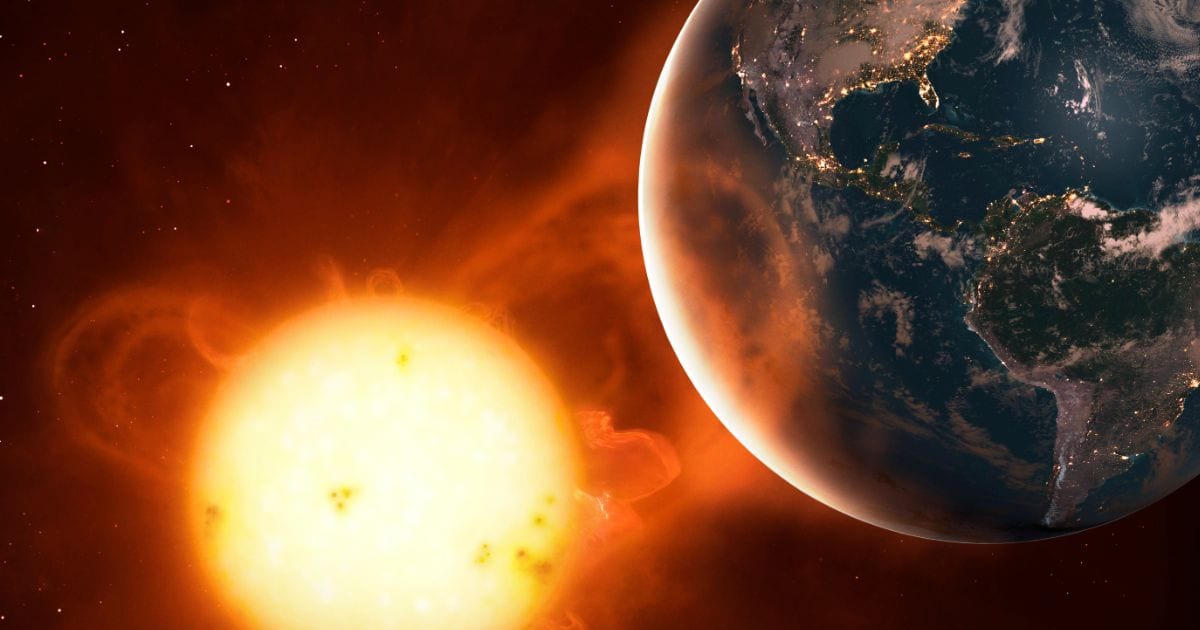
ESA’s next major science mission will send seven spacecraft to study plasma
Plasma is most widespread form of visible matter in the universe, and ESA's Plasma Observatory will help scientists understand how Earth interacts with the plasma around it.
Updated: 26 minutes ago | By Purva Muley
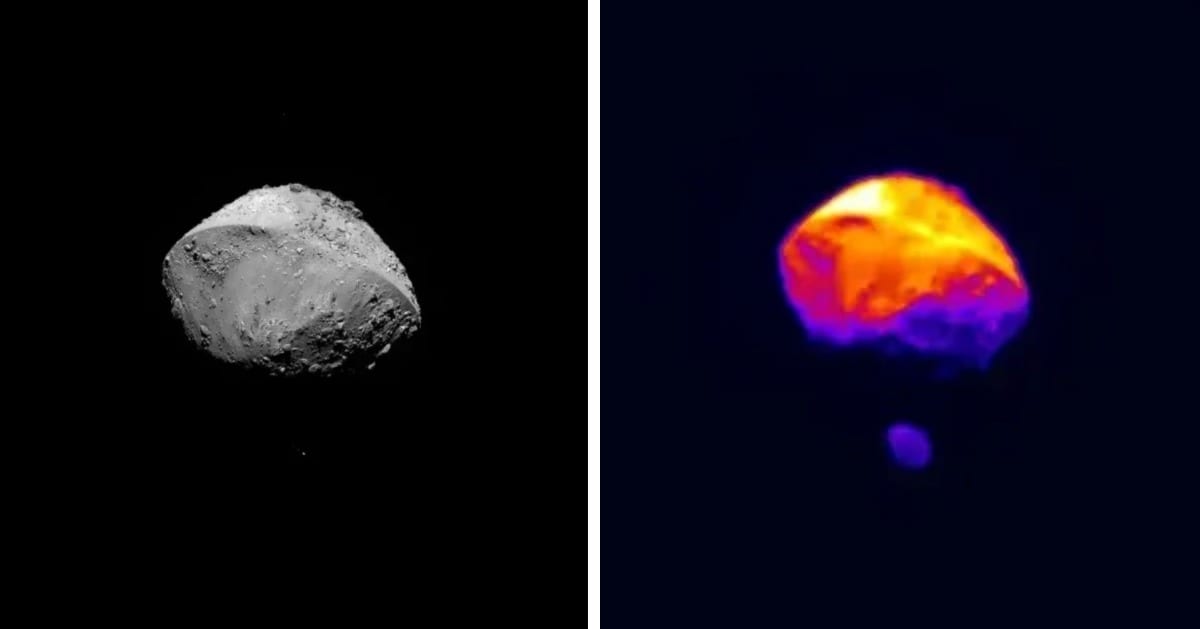
ESA's Hera spacecraft captures spooky infrared image of Didymos-Dimorphos asteroid pair
The new pictures were taken by Hera’s different cameras and in different wavelengths from a distance of 17.7 miles (28.5 km) amid the ongoing survey of the asteroid pair that began earlier this month.
Updated: 5 hours ago | By Harsh Vardhan
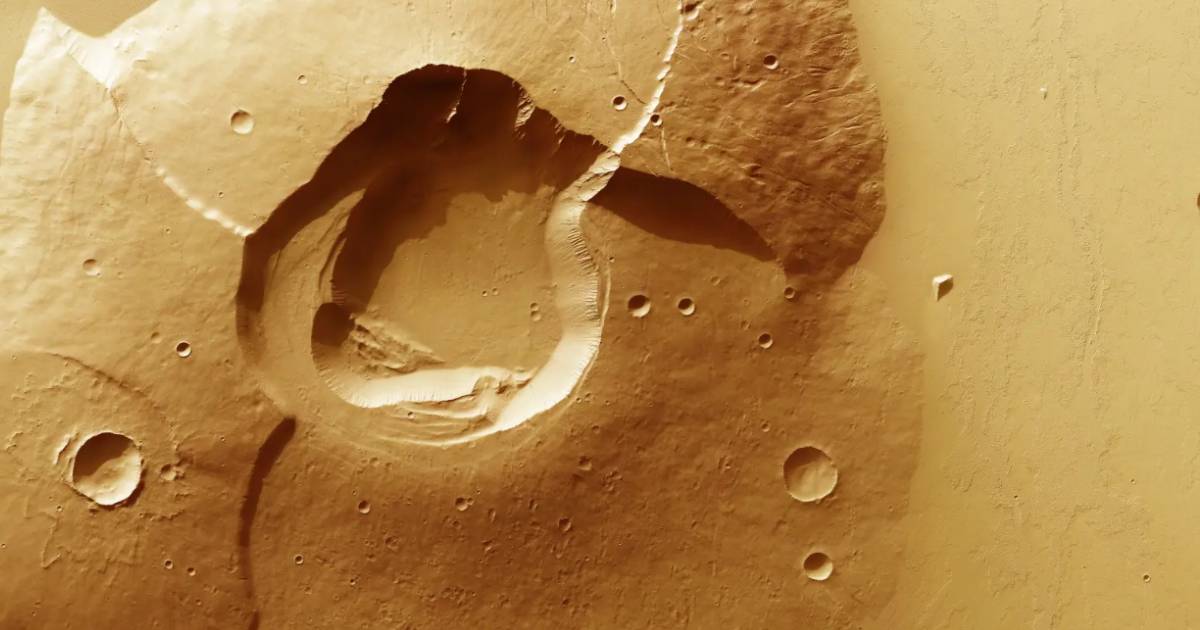
ESA’s Mars Express images 8-km-tall Martian volcano that has a dramatic past
Tharsis Tholus is not among the biggest volcanoes on the Red Planet, but it was still worth the attention of ESA's Mars Express.
Updated: 22 hours ago | By Lakshmi Kola
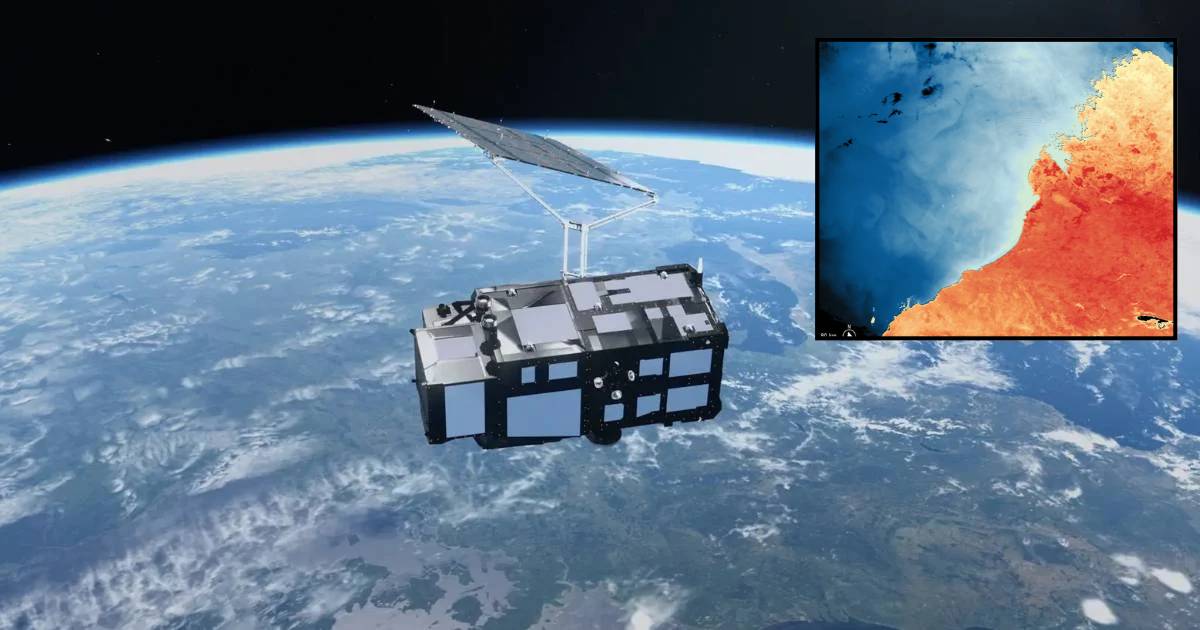
ESA's Sentinel-3C takes first thermal images, shows temperature map around western Australia and Spain
The Sentinel-3C satellite took the images using its Sea and Land Surface Temperature Radiometer (SLSTR).
Updated: 1 day ago | By Lakshmi Kola
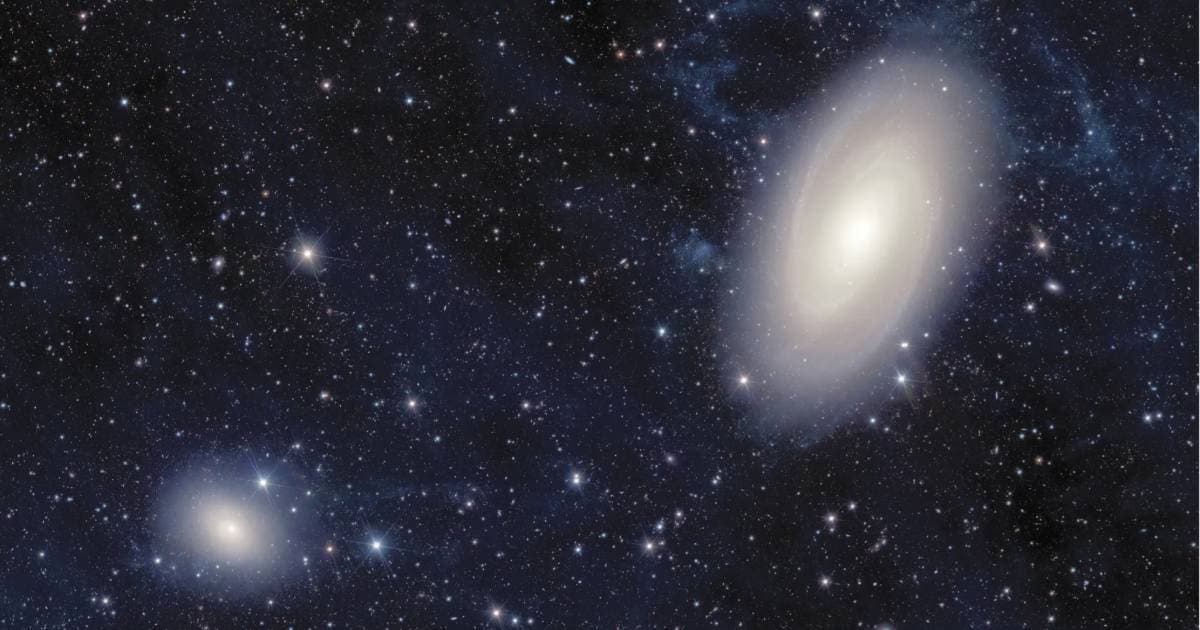
ESA lays the foundation for its best-ever 3D map of the Universe, with over 900 million galaxies
“These are far more than beautiful pictures; today marks a scientific milestone in our study of the cosmos.”
Updated: 6 days ago | By Ankita Garkoti
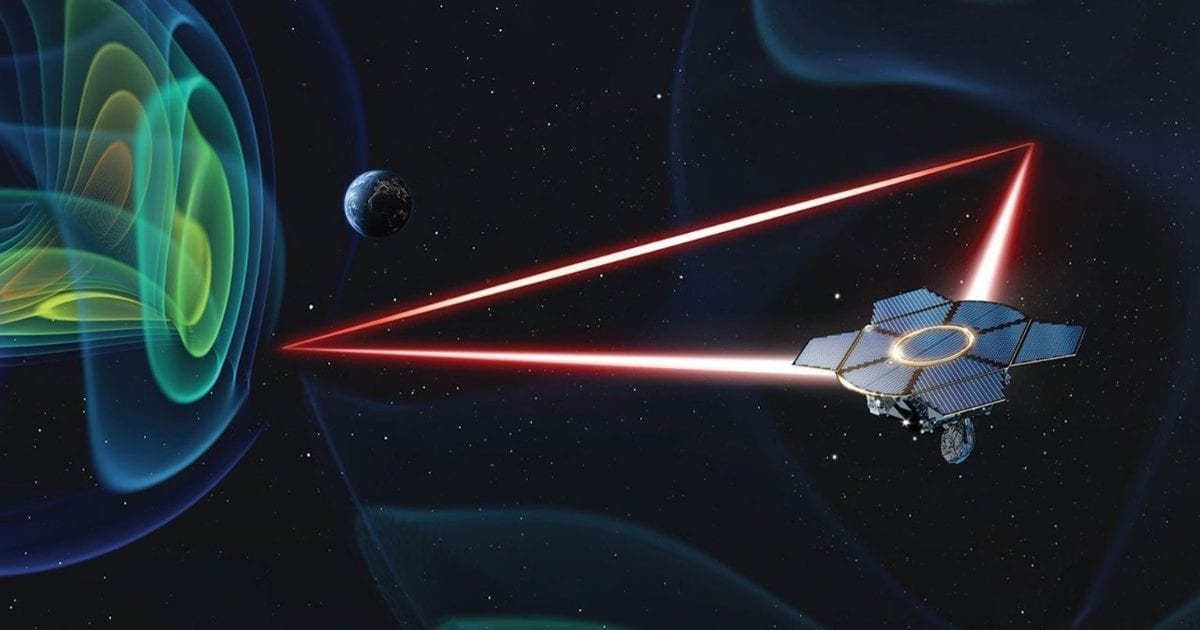
New way to hunt exoplanets? ESA-NASA’s LISA could detect hidden worlds through gravitational waves
LISA may help detect exoplanets around binary white dwarfs, something that has never been done before.
Updated: Nov 12, 2026 | By Lakshmi Kola
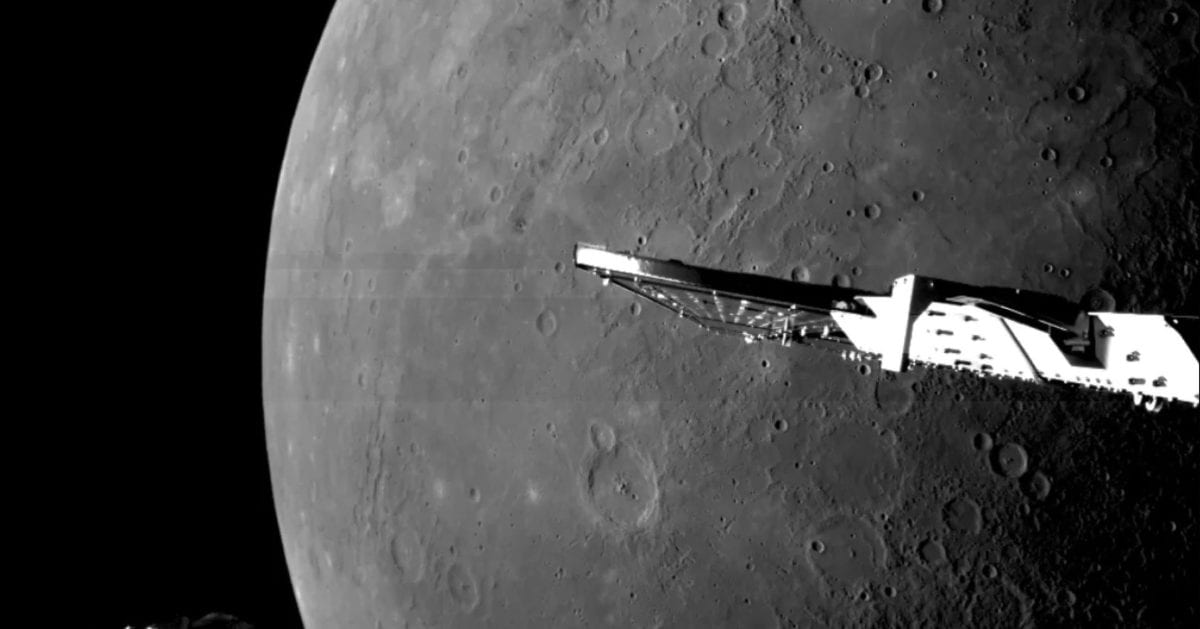
ESA-JAXA BepiColombo poised to make history, to enter Mercury’s orbit on November 21
BepiColombo is set to become the first dual-spacecraft mission ever to reach Mercury.
Updated: Nov 12, 2026 | By Harsh Vardhan
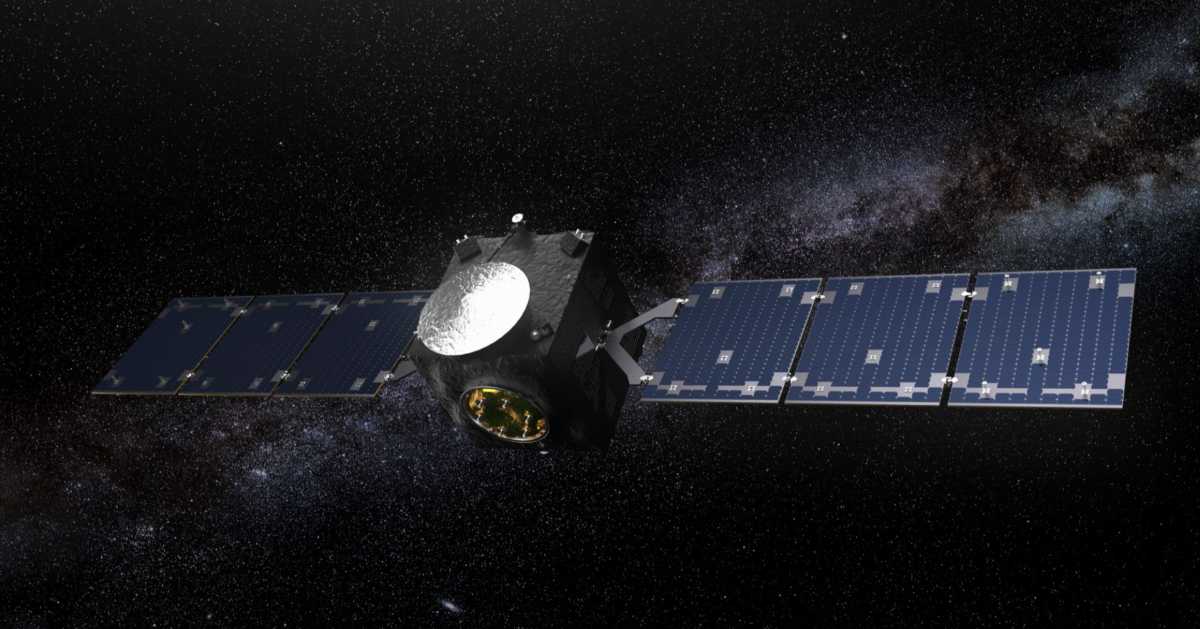
ESA’s Hera arrives at Didymos-Dimorphos asteroid system, begins survey in ‘rectangular orbits’
The Hera mission launched on October 7, 2024, to study the aftermath of the collision of NASA's DART spacecraft with the Dimorphos asteroid.
Updated: Nov 12, 2026 | By Harsh Vardhan
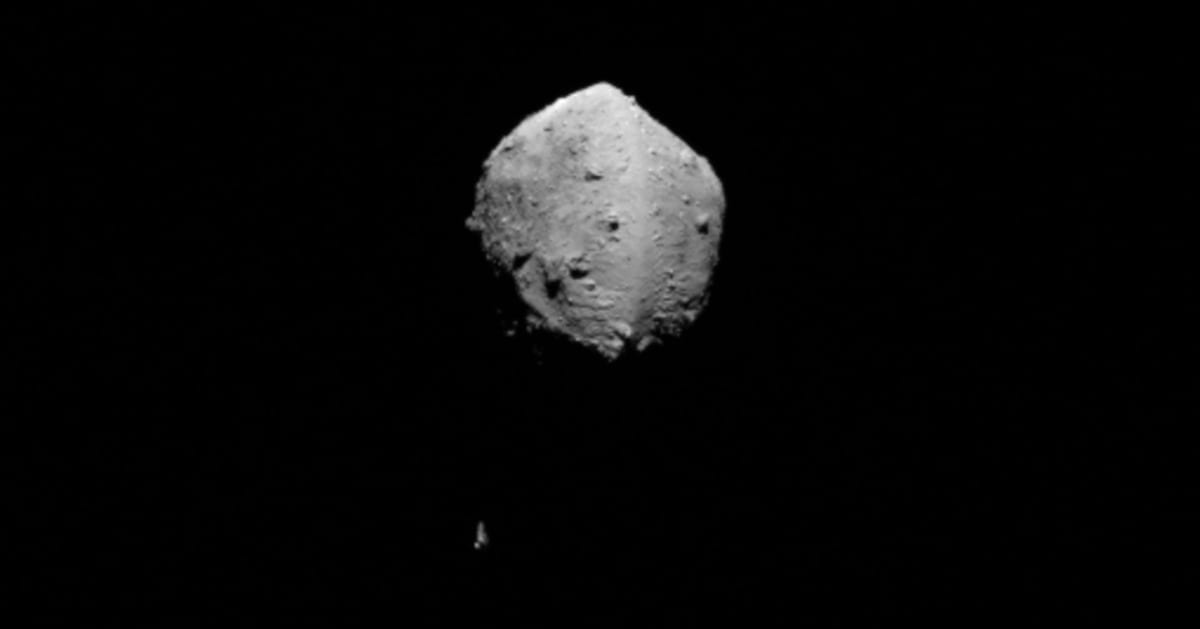
ESA releases Hera's first close-up image of Didymos-Dimorphos asteroid system
Dimorphos, which orbits Didymos, was struck by NASA's DART spacecraft in 2022, altering its orbit. Now, Hera has given us a close-up view of the binary asteroid system.
Updated: Nov 6, 2026 | By Harsh Vardhan
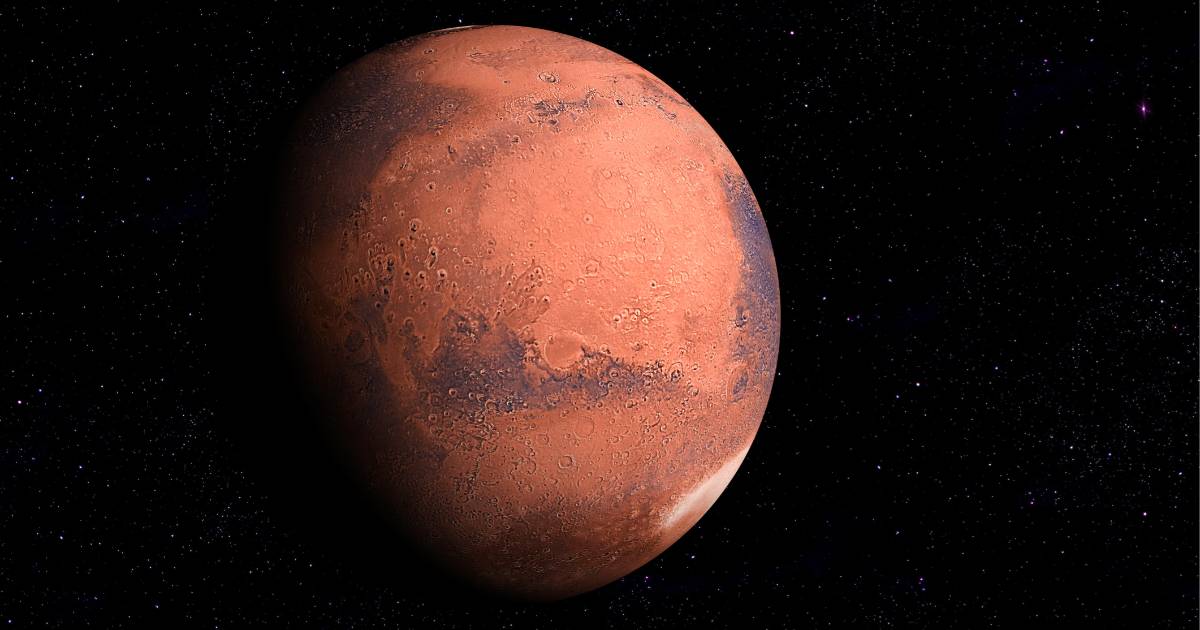
New evidence suggests Mars is not geologically 'dead' after all, just sleeping
The ESA's ExoMars Trace Gas Orbiter (TGO) has found magmatic gas above a volcano on Mars. This could have huge implications for the search of life on the planet.
Updated: Nov 6, 2026 | By Pranjal Pranit
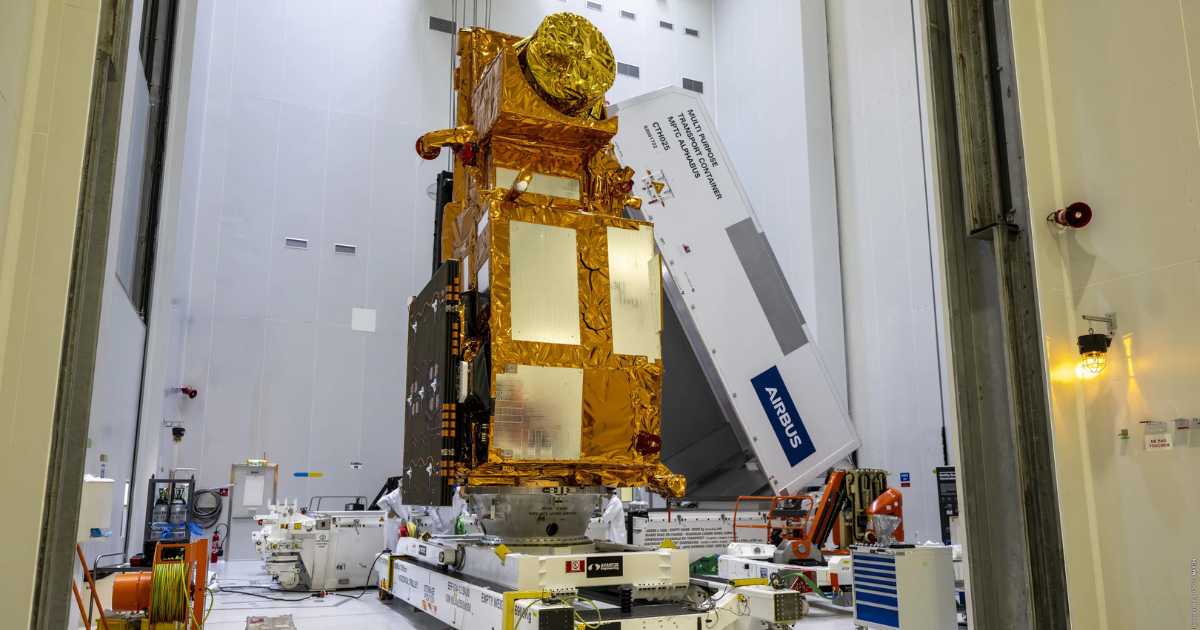
ESA’s ‘sleeping beauty’ is waking up: MetOp-SG-B1 weather satellite prepares for Ariane 6 launch
ESA's MetOp Second Generation-B1 satellite has reached Europe's Spaceport in French Guiana and is being prepared for launch later this year.
Updated: Nov 5, 2026 | By Lakshmi Kola
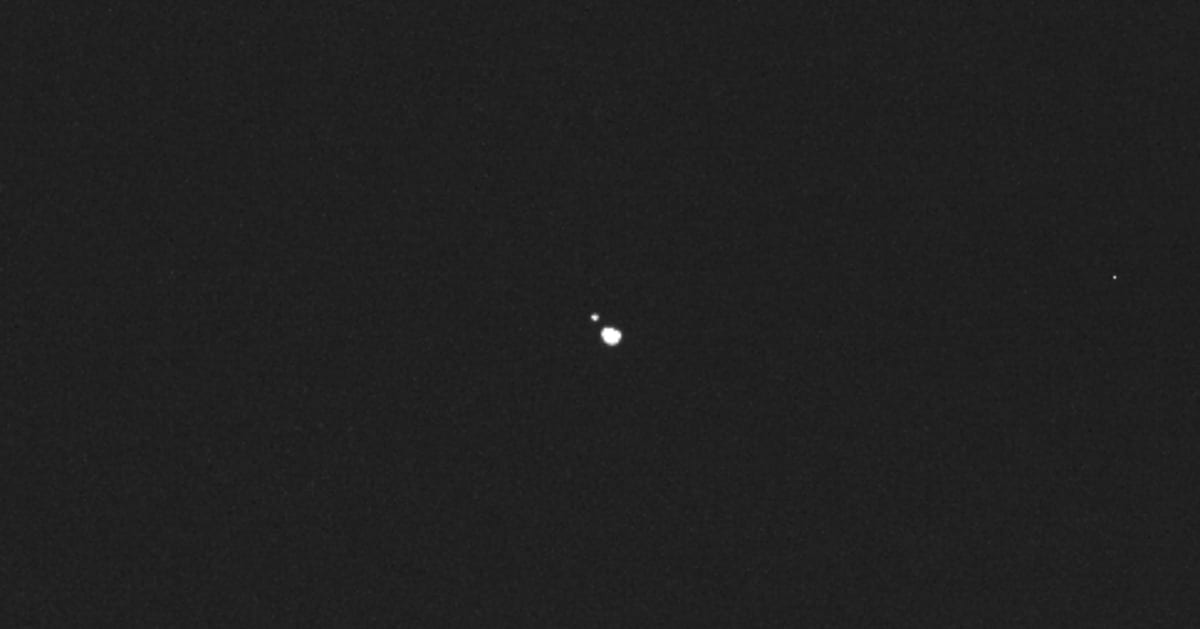
ESA’s Hera finally sees Didymos and Dimorphos as two separate asteroids; detailed pictures due November 25
The spacecraft launched on October 7, 2024 to study Dimorphos—an asteroid that orbits a bigger rock named Didymos. Interestingly, this system was targeted by NASA for its DART mission.
Updated: Oct 29, 2026 | By Harsh Vardhan
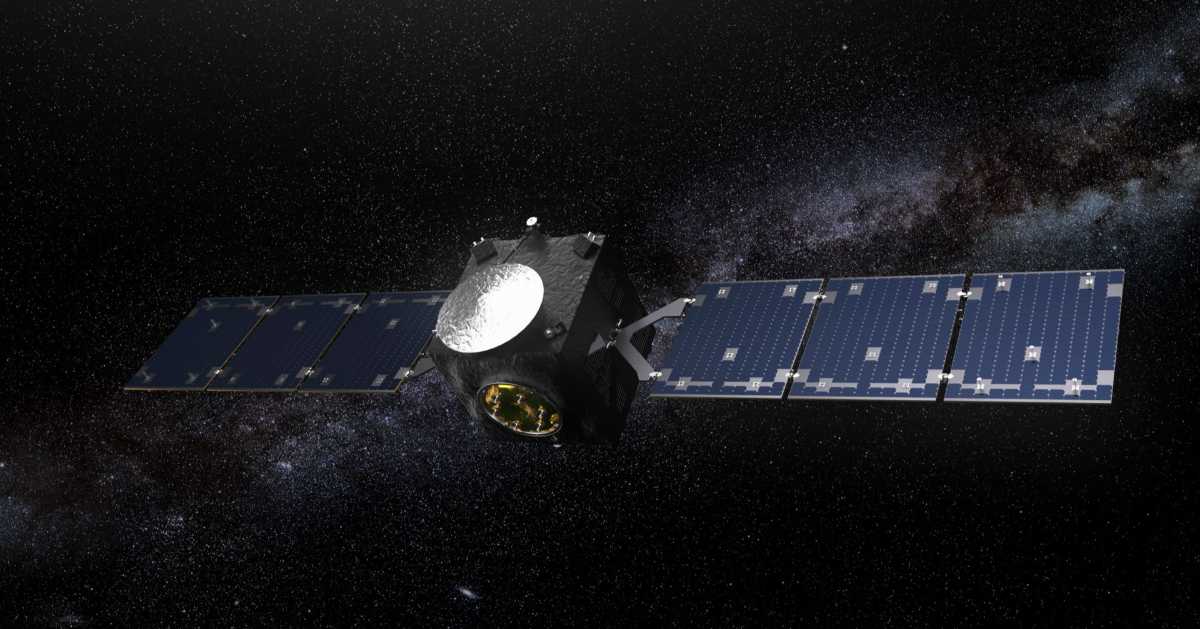
ESA's asteroid surveyor Hera completes second braking maneuver just days before closest approach
Hera is expected to arrive at Dimorphos in November and begin the ‘early characterization phase’ to gather data on the asteroids’ size, shape, and other aspects.
Updated: Oct 25, 2026 | By Harsh Vardhan
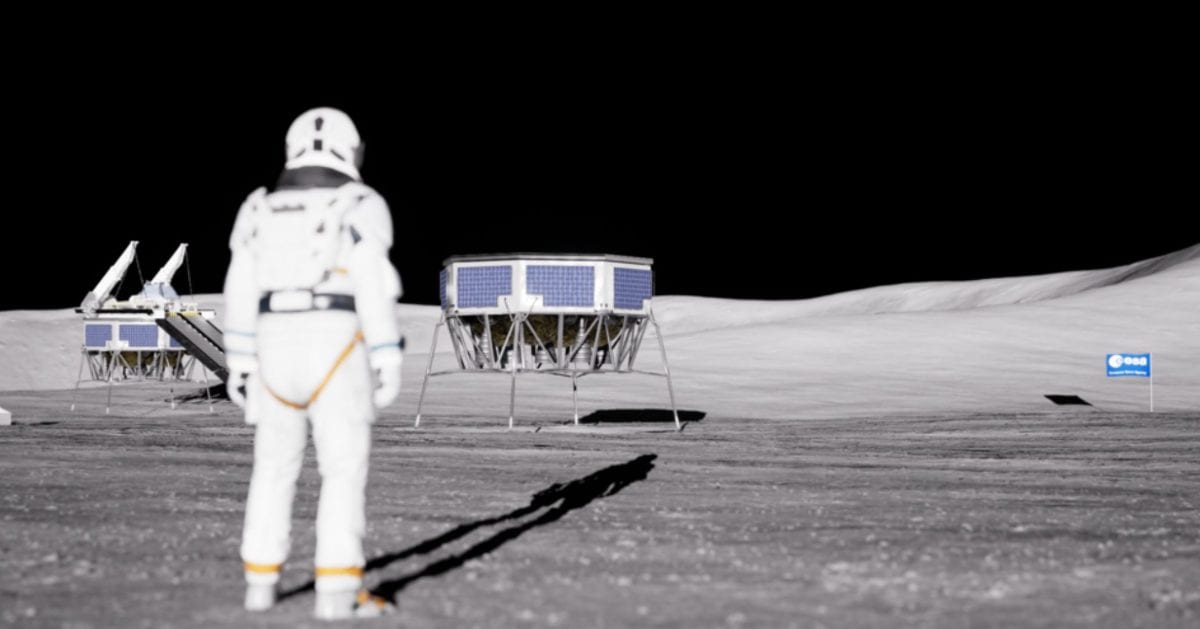
What is Argonaut, Europe’s ambitious lunar lander program supporting NASA’s Artemis goals?
According to ESA, the first Argonaut lander is slated for launch in 2030, enabling a sustainable way of exploring the Moon.
Updated: Oct 25, 2026 | By Harsh Vardhan
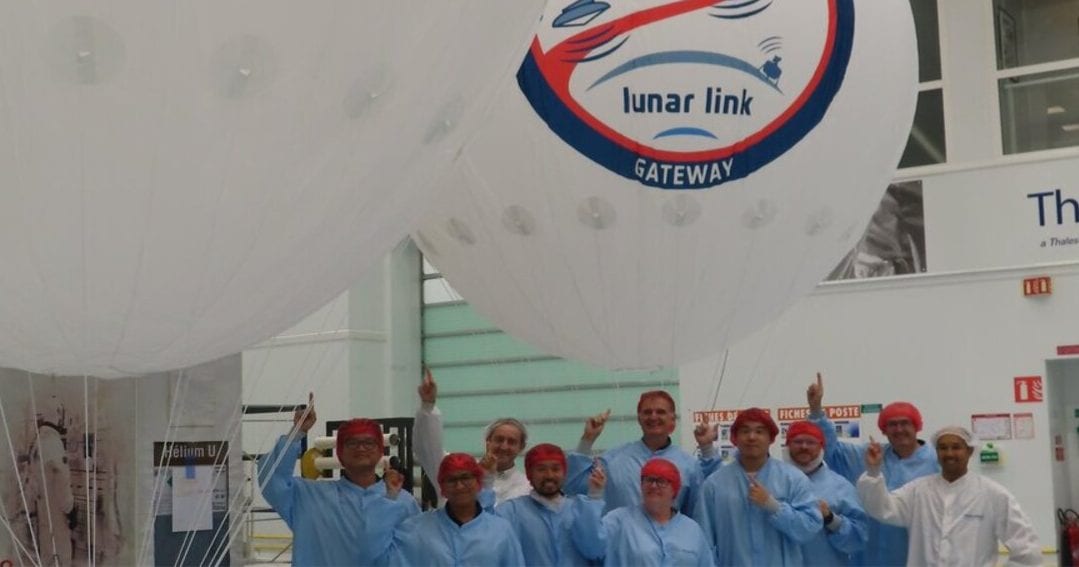
ESA's communication system for the Moon is space-ready. Where will Lunar Link be used?
ESA has completed the final major testing of Lunar Link, a communication system originally developed for NASA’s Gateway lunar space station.
Updated: Oct 22, 2026 | By Purva Muley
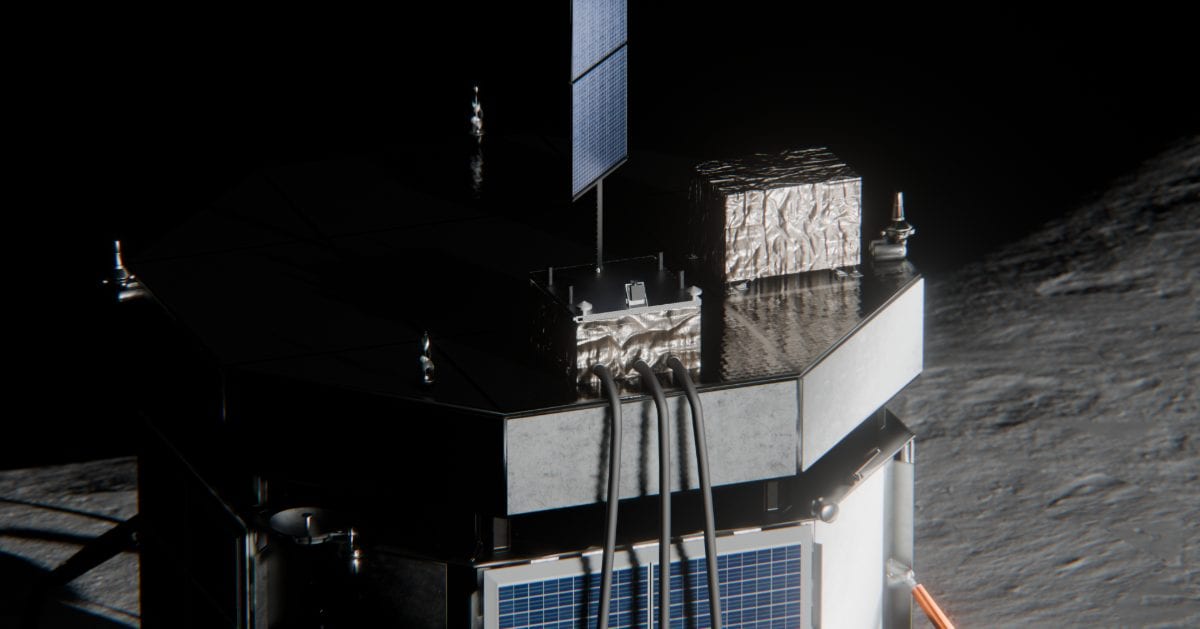
European Space Agency to build OASIS, a service station to support future missions on the Moon
The mission is designed to provide a one-stop shop for various lunar instruments' power and communication needs.
Updated: Oct 20, 2026 | By Pranjal Pranit
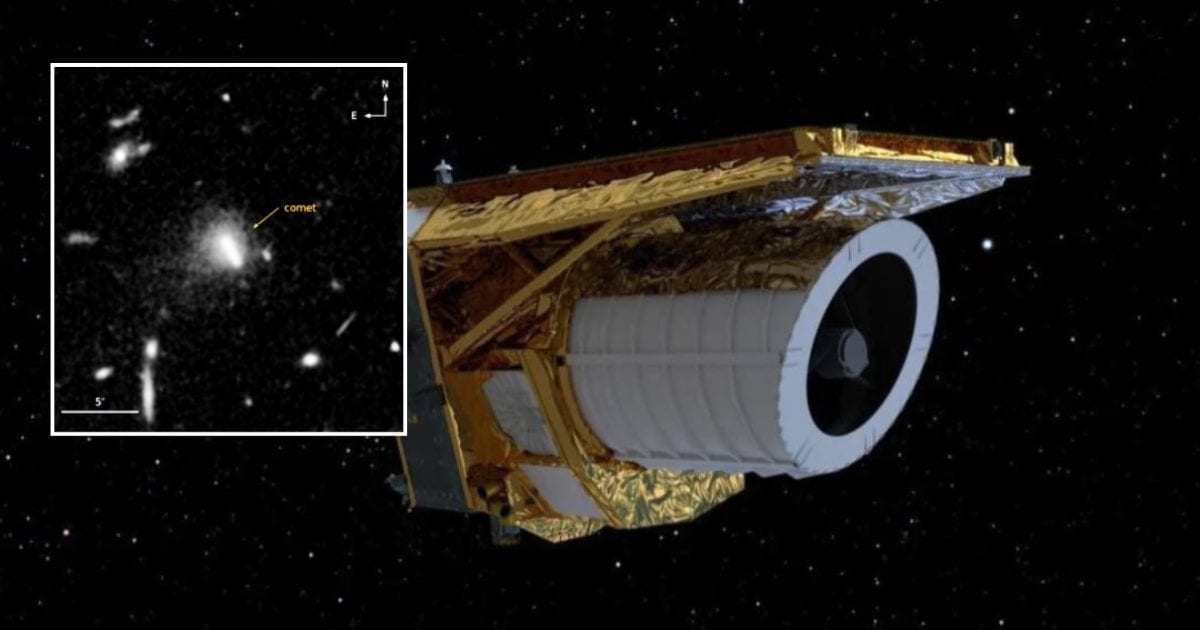
C/2026 S1: ESA’s Euclid telescope unexpectedly discovers its first comet 807 million miles away
Dark matter-hunting observatory Euclid unexpectedly found this previously unknown comet while doing a dark energy survey.
Updated: Oct 20, 2026 | By Lakshmi Kola
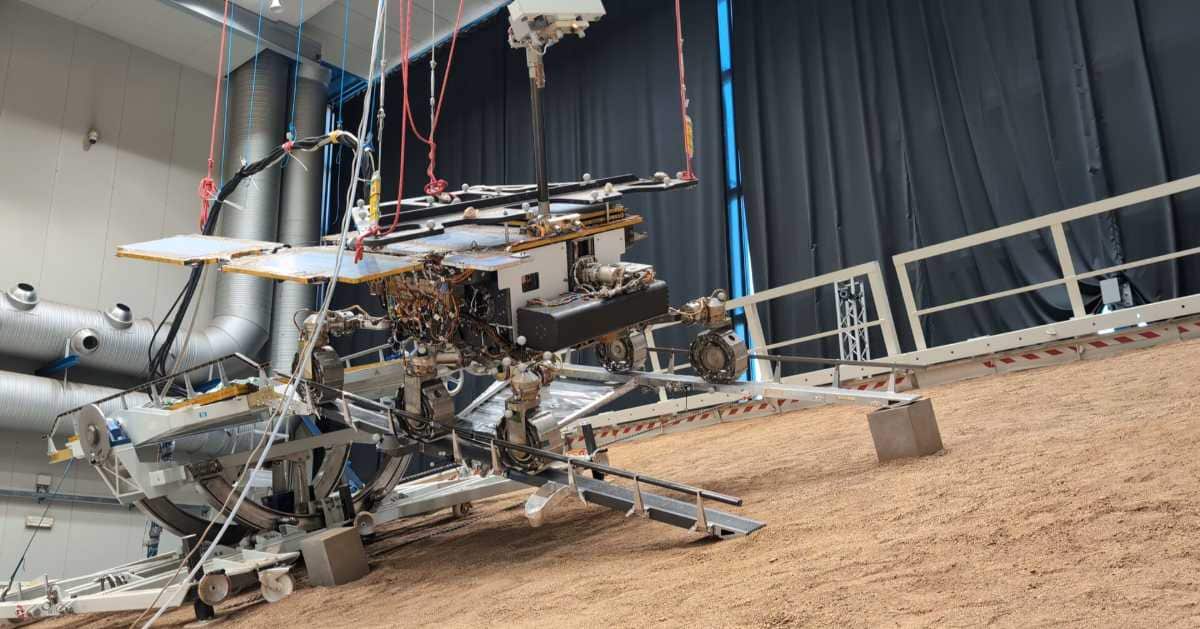
'Only one chance': ESA's Rosalind Franklin rover twin navigates Mars-like conditions on Earth
A full-size model of ESA's Rosalind Franklin rover was put through a rigorous test campaign to check whether the rover would survive its tricky descent onto the Martian surface.
Updated: Oct 14, 2026 | By Purva Muley
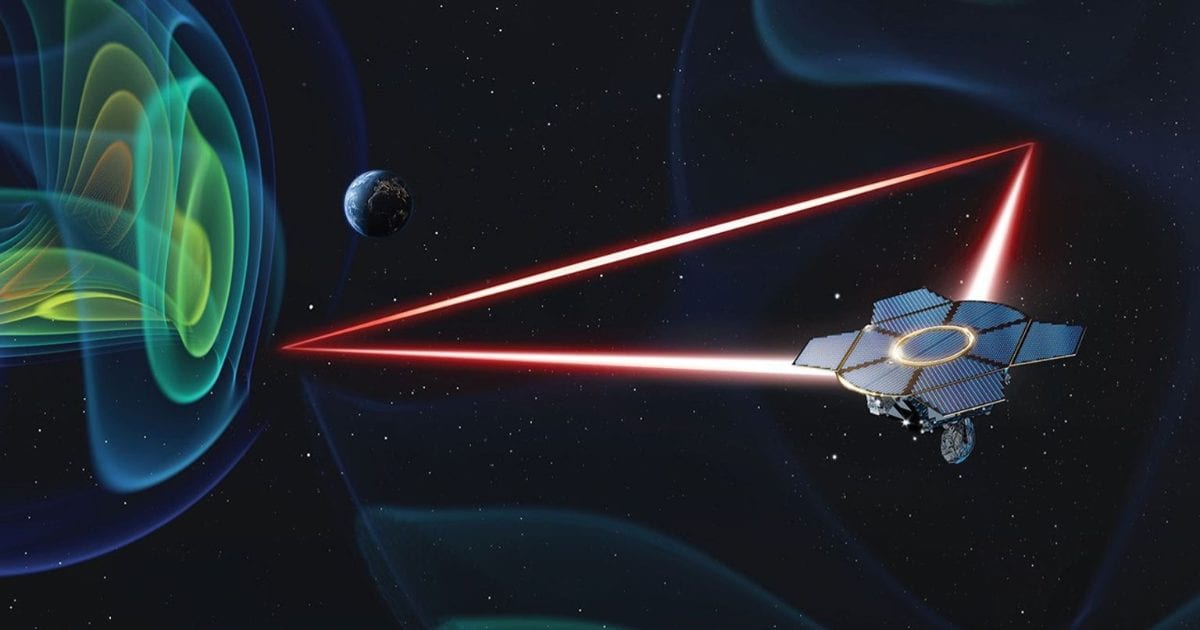
All about LISA: NASA and ESA’s million-mile telescope that will detect invisible ripples in space-time
The LISA mission will include three telescope-equipped spacecraft that will be deployed more than a million miles apart from each other. Together these spacecraft will help scientists detect gravitational waves that aren't possible to detect from Earth.
Updated: Oct 12, 2026 | By Harsh Vardhan
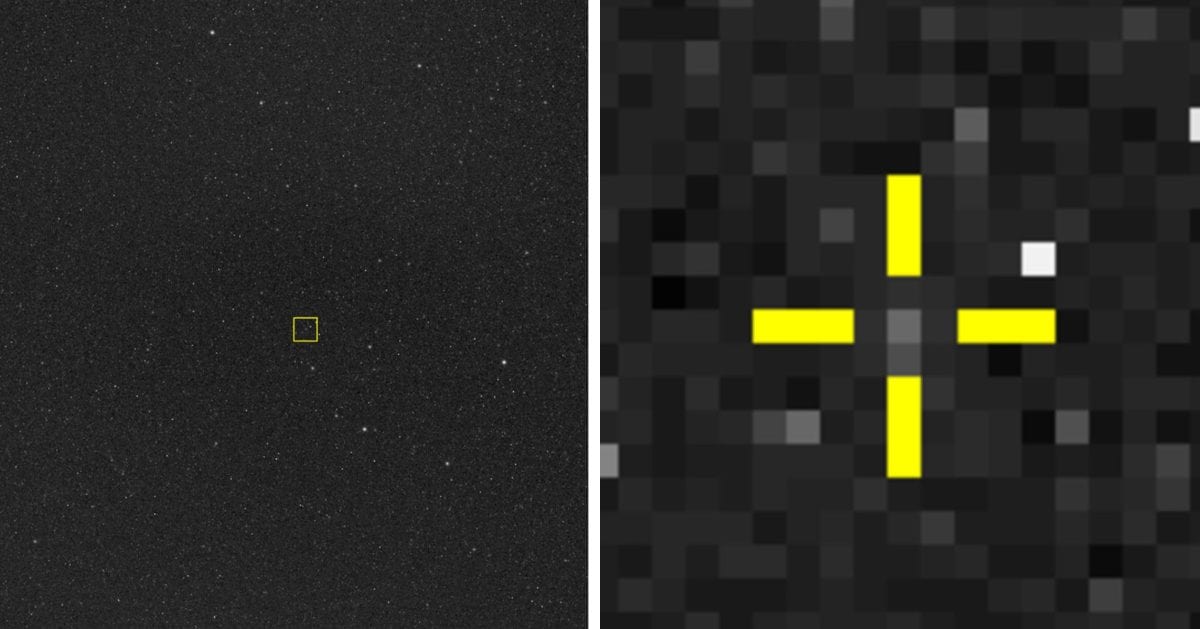
ESA’s Hera spacecraft gets first glimpse of target asteroid Didymos that was hit by NASA
The European Space Agency's Hera spacecraft has imaged the Didymos-Dimorphos system from a distance of more than 100,000 miles. It's the same system that was deliberately hit by NASA with its DART spacecraft.
Updated: Oct 12, 2026 | By Harsh Vardhan