New evidence suggests Mars is not geologically 'dead' after all, just sleeping
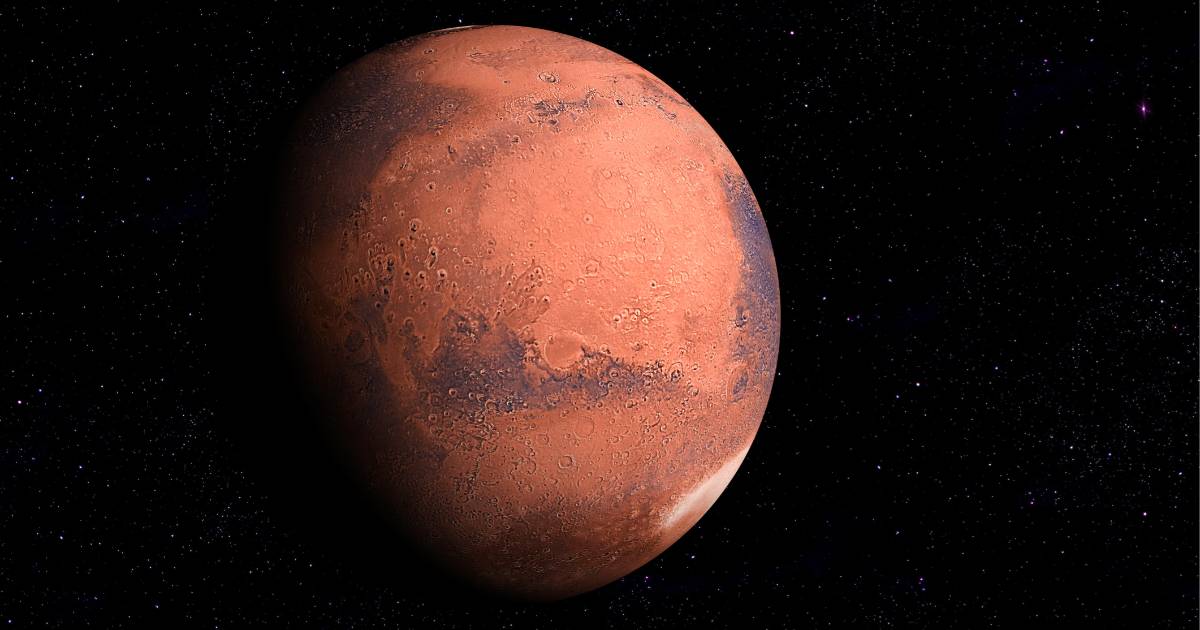
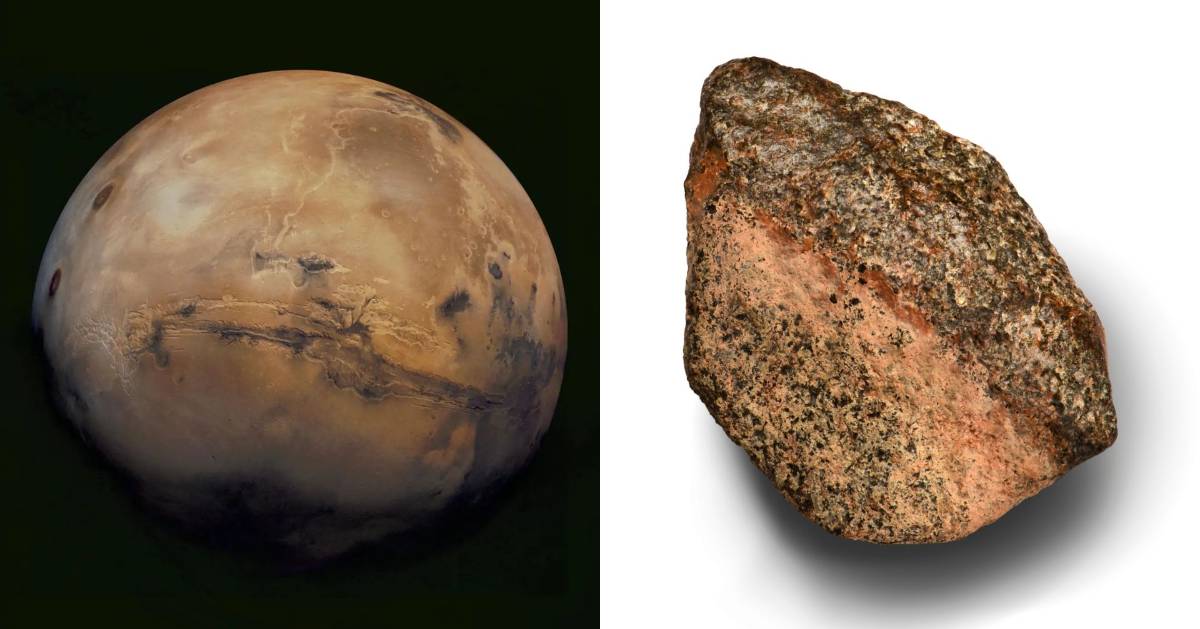
Scientists studying Mars' atmosphere have found an oddity that could change how we look at the possibility of life on the Red Planet. An international team of researchers, while scouring data from the ExoMars Trace Gas Orbiter (TGO), found cracks in the Martian surface that seemed to have changed color. This was indicative of magmatic gases rising from beneath the surface. Mars has long been considered to be "geologically dead," but the detection of hydrogen chloride in an unexpected location may now challenge this perception. A study describing these findings was published on Science Advances on Tuesday, November 4.
Mars may not be geologically dead after all. 🔴 Our ExoMars Trace Gas Orbiter has detected hydrogen chloride above volcanic fissures in the Alba Mons region, which scientists suggest could be linked to dormant volcanic activity beneath the surface. Read more: https://t.co/VEJRtcff8V
— European Space Agency (@esa) November 5, 2026
According to the European Space Agency, the first signs of the gas hydrogen chloride were detected in 2021 on Mars by TGO. This was significant since hydrogen chloride is a magmatic gas. Even on Earth, the presence of lava causes this gas to rise through fissures and vents, which goes on to mix with the atmosphere. On Mars, scientists had discovered a pattern wherein this magmatic gas seemed to increase during winters in the northern hemisphere, and vice versa. Since there had not been any signs of volcanic activity on Mars, finding the gas was attributed to past geological activity that may have occurred in the last few million years. However, closer examination revealed larger quantities of hydrogen chloride in a particular region over the volcano Alba Mons, in the northern hemisphere.
"The Trace Gas Orbiter was able to find the smoking gun," explained Daniel Mège, a professor at the Space Research Centre of the Polish Academy of Sciences and co-lead author of the paper. The CaSSIS camera on board the TGO showed fresh and narrow fissures associated with color changes on the surface in the Alba Mons region. Some of them were hundreds of meters long. The research team, which was led by Alexander Trokhimovskiy of the Space Research Institute RAS in Russia, proposed that these were due to rising magmatic gases that had no way to escape during the winter due to frigid temperatures of -120 degrees Celsius (-184 degrees Fahrenheit). When the ice sublimated in the summers, the gases forced their way out through these fissures, leaving deposits that contributed to the discoloration around the openings.
The scientists then used these signposts to conduct a thorough analysis of Mars’ atmospheric data to reach their conclusions. "Our findings suggest that Mars has retained enough internal heat to support volcanic activity until recently, and possibly still does," stated Mège. This discovery could have enormous ramifications for the search for alien life on an otherwise desolate planet. “Looking for Martian life in the seeping fissures of the Alba Mons region would make a lot of sense. If hydrothermal systems are active, they could contain the ingredients and energy needed for microorganisms to develop and shield microorganisms from the hostile and changing environment above the surface," added Mège.
More on Starlust
JAXA's historic MMX mission lifts off towards Mars to bring back first-ever samples from Phobos
ESA's Mars Express reveals how the most visually striking cloud on the Red Planet forms