European Space Agency to build OASIS, a service station to support future missions on the Moon
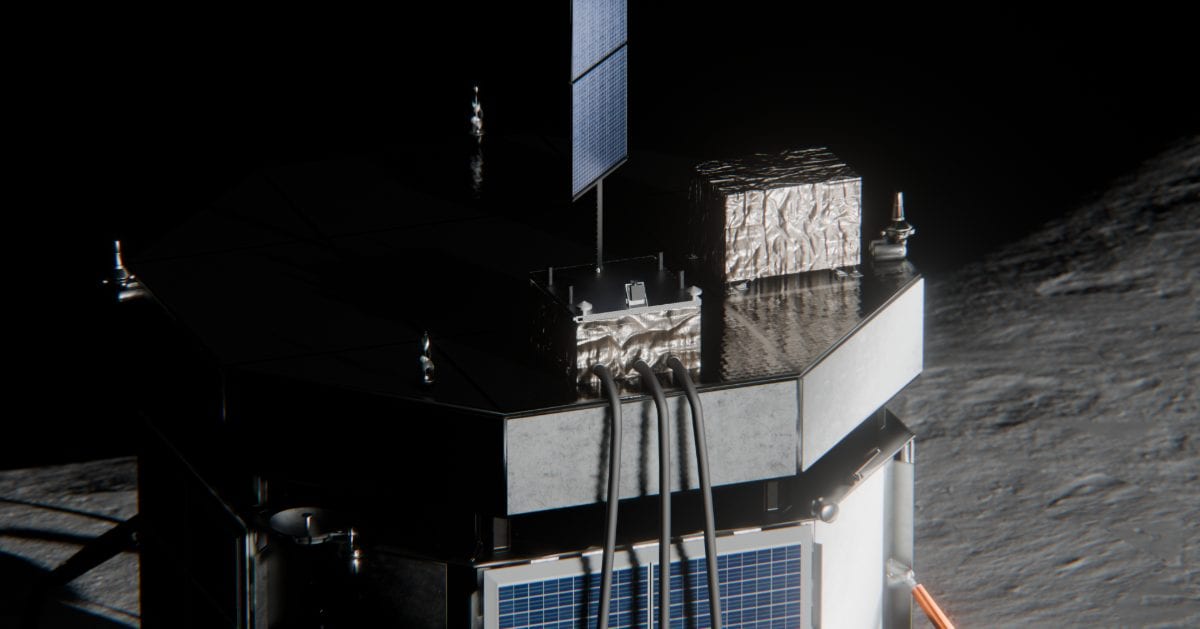
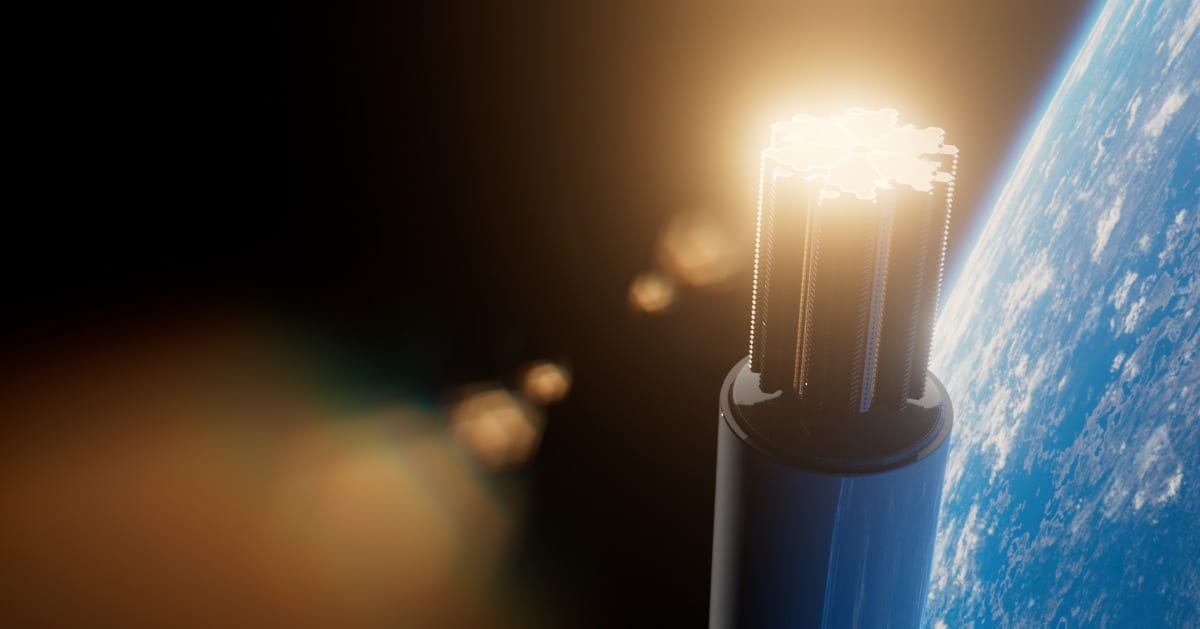
The European Space Agency (ESA), on Monday, announced a new mission to serve as a lunar service station supporting exploration of the Moon. Called OASIS (Outpost for Advanced Scientific Investigation Station), it will fulfill the power, communications, data handling, and storage needs for other lunar missions while it stays operational on the Moon for a long period of time. "With OASIS, we are taking lunar exploration a step further. Europe is not only looking at individual missions to the Moon, but at the infrastructure that will enable long-term scientific research and technological innovation in the first place,” stated Marco Fuchs, CEO of the German space and technology group OHB SE.
We're developing a service station for the Moon. 🌕 OASIS will provide power, communications and data services to scientific experiments, helping them survive the two-week lunar night and operate for years on the surface. Read more: https://t.co/WonN1Rj1jK https://t.co/rGCK5X5ujT
— European Space Agency (@esa) October 19, 2026
ESA has tasked OHB System AG (a subsidiary of OHB SE) with the feasibility and preliminary design studies for OASIS. Speaking further about the mission, Fuchs said, "With OASIS, we are creating the conditions that will allow science and technology activities to be conducted on the lunar surface sustainably and beyond the scope of individual missions." According to ESA, OASIS will supply payloads with a minimum of 75 W of continuous power during lunar daytime while simultaneously collecting solar energy in its batteries for later use.
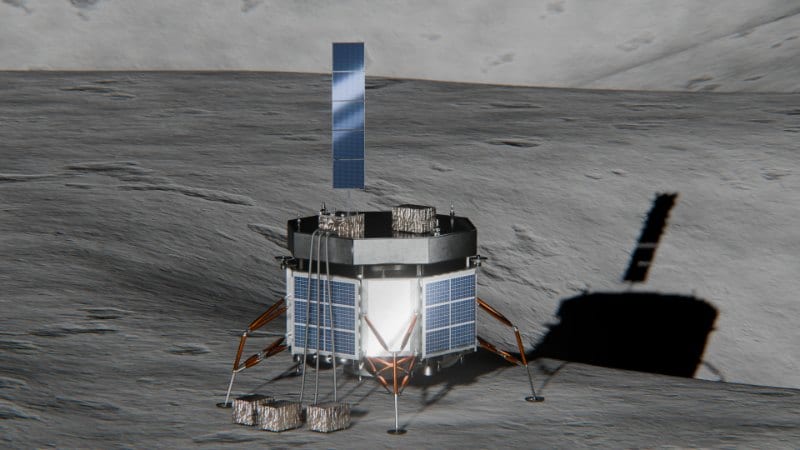
To provide power during the lunar night, OASIS will have to withstand the frigid temperatures on the Moon for the entirety of the 14 days when it will be dark. At night, temperatures on the Moon can plummet to minus 415 degrees Fahrenheit (minus 248 degrees Celsius). Not only will OASIS have to survive these conditions, but it will also have to provide 15 W of power to support the payloads connected to it via four harnesses. One of these harnesses is for a payload mounted on the spacecraft, while the other three are deployable harnesses for additional instruments that will be deployed on the Moon.
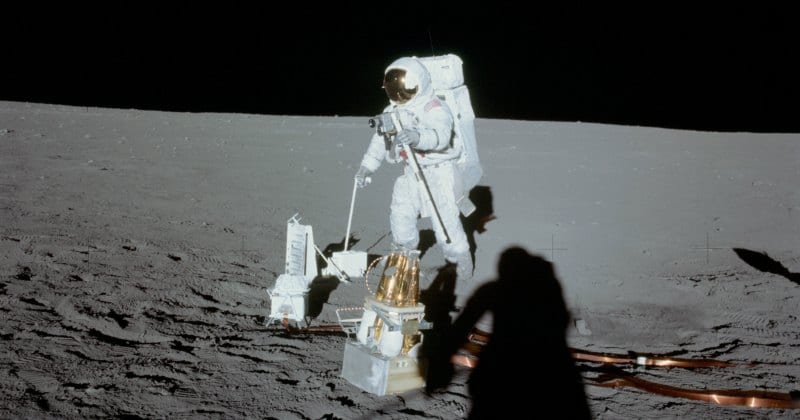
OASIS takes inspiration from ALSEP (Apollo Lunar Surface Experiments Package), which found its way to the Moon alongside astronauts during the Apollo missions. ALSEP worked by serving as the central station for various instruments and allowing the moonwalking humans to transmit data to Earth. Even after the crew departed, ALSEP continued to send science data to Earth. OASIS will work in a similar manner, with the first of the payloads it will support being ECHO (Environment Characterization and Heliophysics Observatory), which will observe the lunar environment while demonstrating the use of OASIS infrastructure. If successful, OASIS will eventually be able to support multiple payloads at once.
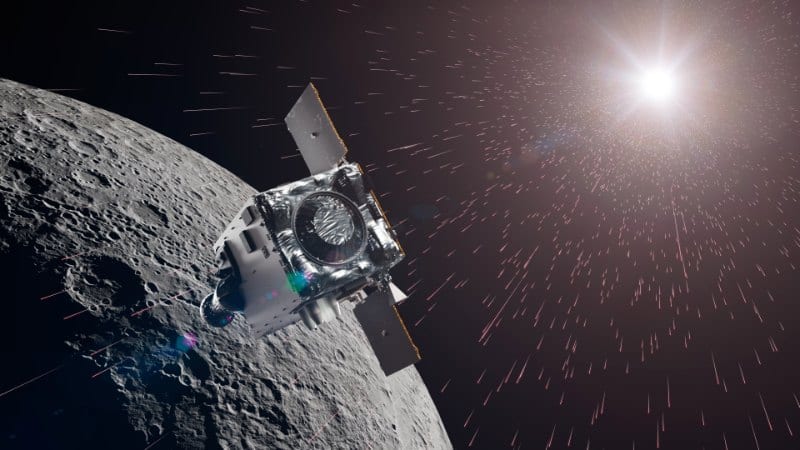
At the moment, the preliminary plans involve launching the mission on Europe's heavy-lift Ariane 6 rocket with four boosters. It will then land on the Moon with the help of the Argonaut lander, with communications and data relay provided through the Lunar Pathfinder mission to begin with. The latter is meant to be the first element of Moonlight, the communications and navigation service for the Moon being developed by ESA. OASIS will be extendable and modular, and it will be improved upon through an iterative approach so as to create better versions for later missions, such as providing the ability to place payloads further away from the station or providing shelters for rovers akin to a garage. The mission is being designed in a way that allows science investigations and technology demonstrations to operate through several lunar days. This will also allow providers of each of the individual payloads to not have to build their own communication and night survival systems. This will make each payload cost-effective to develop, allowing researchers to focus instead on the science intended to be performed on the lunar surface.
More on Starlust
A new time zone for the Moon? NASA white paper reveals timekeeping, navigation and comms plans
NASA tests Voyager's lunar lander against the extreme requirements of its upcoming Moon mission