ESA’s next major science mission will send seven spacecraft to study plasma
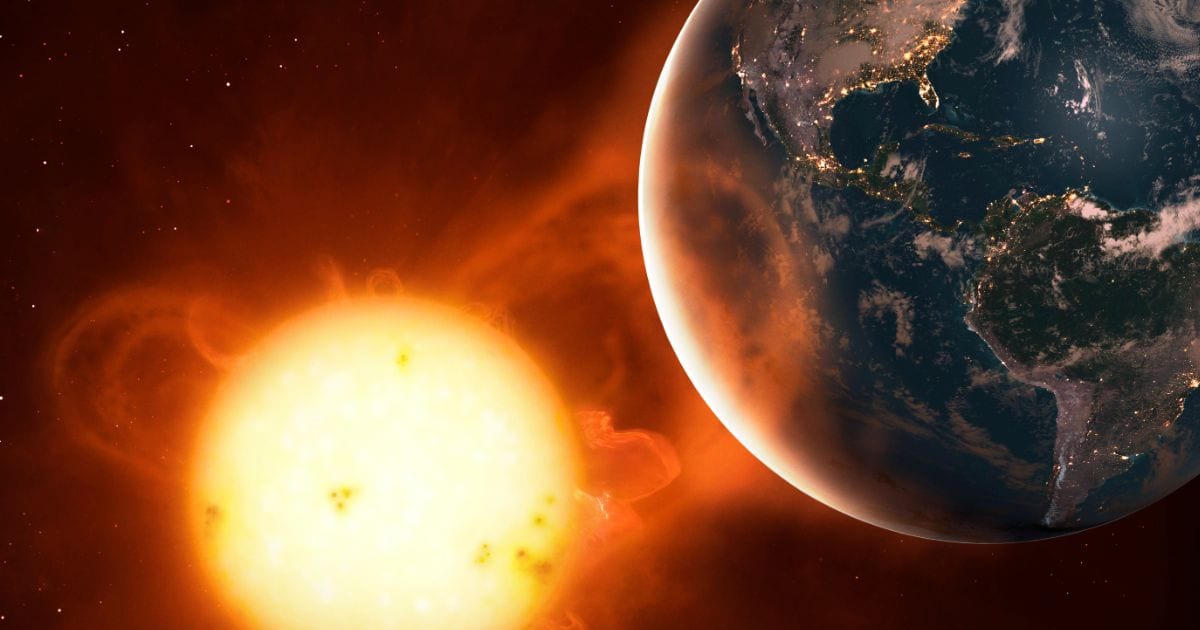
Member states of the European Space Agency (ESA) have formally selected Plasma Observatory as the agency’s next M-class science mission, filling the M7 slot. The mission will consist of a fleet of seven coordinated spacecraft that will, for the first time, measure how energy from the Sun moves through Earth’s magnetic field on both small and large scales at the same time. Its launch is provisionally planned for the late 2030s.
What will ESA's Plasma Observatory study?
Plasma is the most widespread form of matter in the universe, accounting for more than 99% of its visible matter. It is a highly energized state of matter, also called the fourth state of matter, and consists of charged particles known as electrons and ions. The Sun, for instance, is largely made up of plasma, with hydrogen and helium as its main constituents. Scientists believe plasma is responsible for driving dynamic space phenomena across the universe, such as the solar wind, auroras, and solar storms.
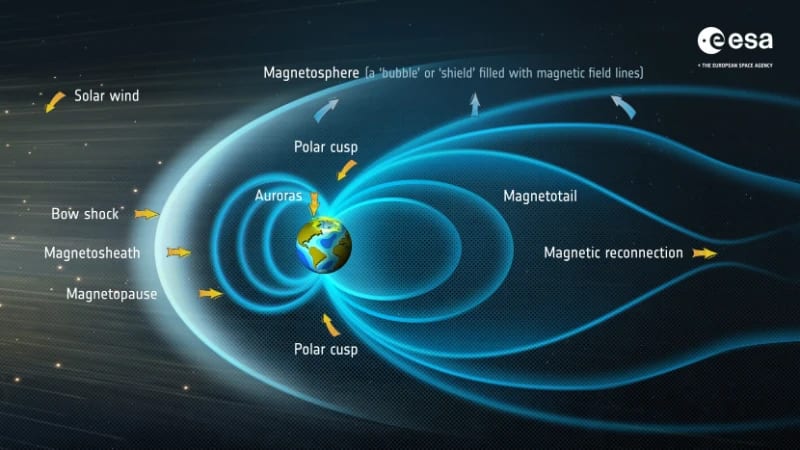
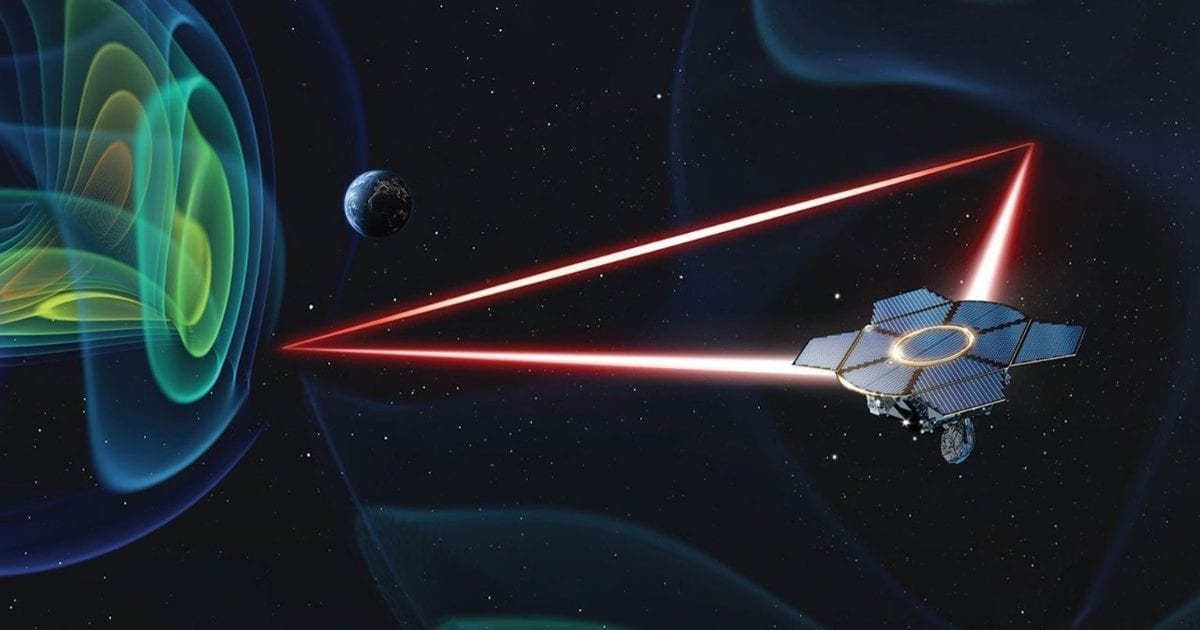
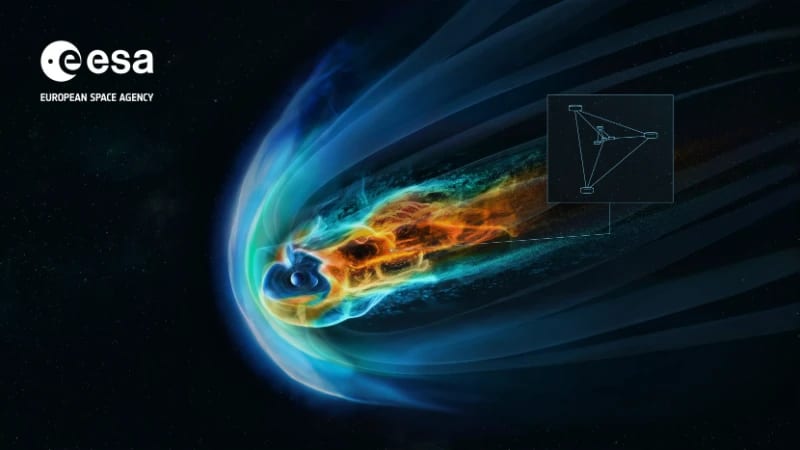
ESA’s Plasma Observatory will study how these charged particles acquire energy as they move through Earth’s magnetic field. To understand these interactions, scientists will study the magnetosphere, an invisible region surrounding Earth that helps protect it from the charged particles carried by the solar wind. However, the effects of space weather can extend beyond the sky above us. Satellites that support GPS, communication, and weather services can be affected by space weather. In the most extreme cases, space weather can also disrupt electrical grids and interfere with satellite operations. “Plasma’s prevalence throughout our solar system and indeed the entire universe means it is essential to understand,” said ESA’s Matt Taylor, Study Scientist for Plasma Observatory. “We can use Earth’s magnetic ‘bubble’ – its magnetosphere – as a natural laboratory as it exhibits a variety of specific plasma phenomena and it is the closest and easiest thing that we can study to understand the multiple scales that plasma operates on,” he added.
Why does ESA need seven spacecraft?
In earlier missions, ESA’s Cluster used four spacecraft, while NASA’s Magnetospheric Multiscale (MMS) mission also used four spacecraft. These missions were specifically designed to help scientists understand the behavior of plasma within and around Earth’s magnetosphere. The problem here was that plasma interacts at different scales in space. Some interactions can happen in very small regions of just a few kilometers, while others can extend up to tens of thousands of kilometers. So these four-spacecraft missions had the limitation of studying one spatial scale at a time, either the larger or the smaller scale.
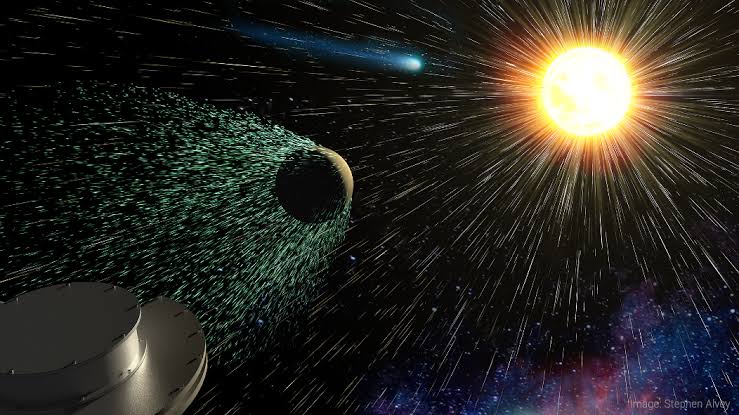
To solve this problem, ESA is now planning to send seven spacecraft that will be arranged in two nested tetrahedral formations that will share one spacecraft. The first inner tetrahedral formation will study the ion-scale level, which involves smaller and faster plasma processes, and the second, outer tetrahedral formation will study the fluid scale, which involves the larger-scale plasma behavior. The major advantage of the new mission is that scientists will now be able to study both scales simultaneously.
“Plasma Observatory’s simultaneous measurements of magnetic and electric fields and particles in seven places at once will reveal how small, fast events connect to much larger changes across key regions of the magnetosphere. It will be like seeing both the fine detail and big picture at the same time and how they are connected, providing the missing link across scales,” said ESA’s Matt Taylor, Study Scientist for Plasma Observatory.
More on Starlust
A planet disappeared without a trace this year. Scientists now know what happened
NASA’s Chandra X-ray Telescope finds out why this massive star has been flaring up every 113 days