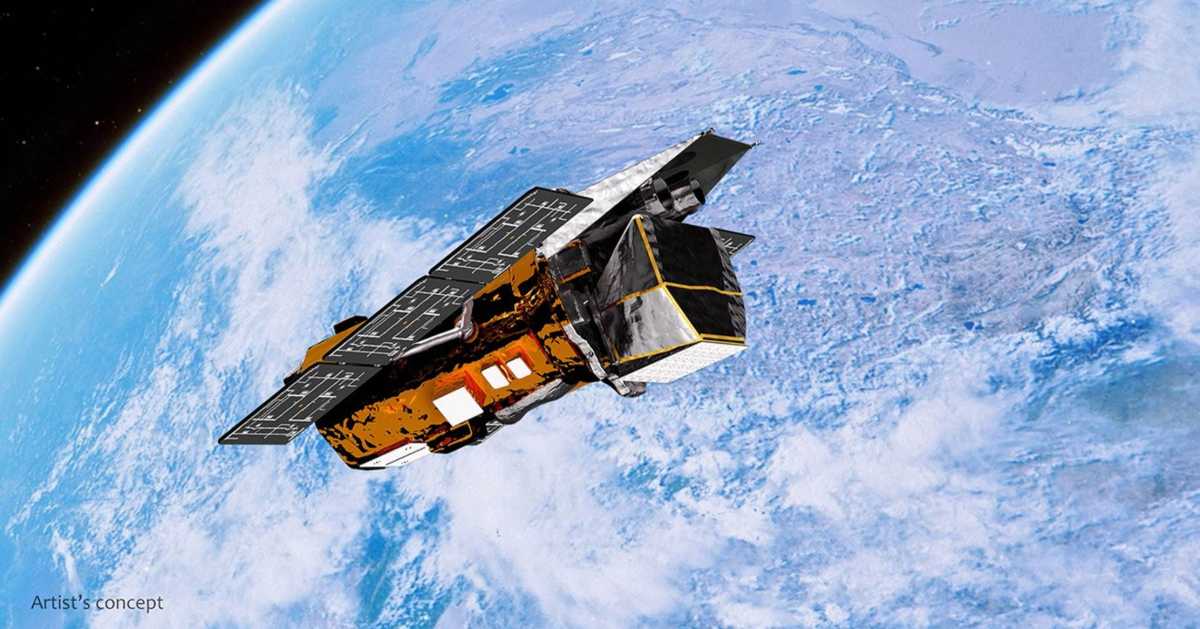
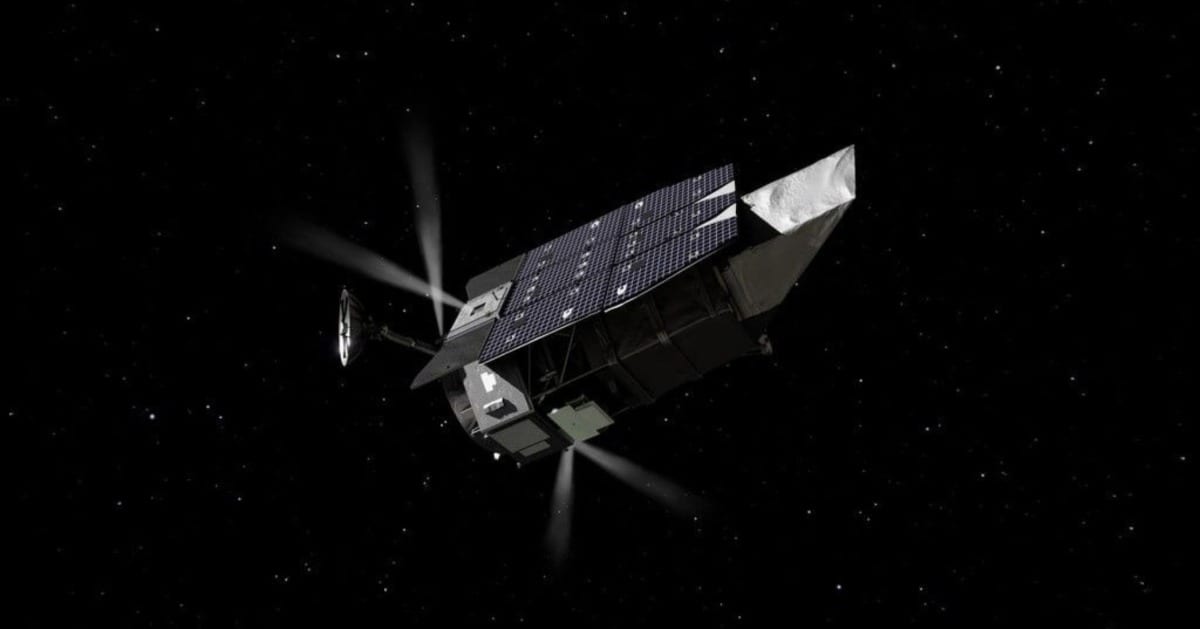
ESA’s ‘sleeping beauty’ is waking up: MetOp-SG-B1 weather satellite prepares for Ariane 6 launch
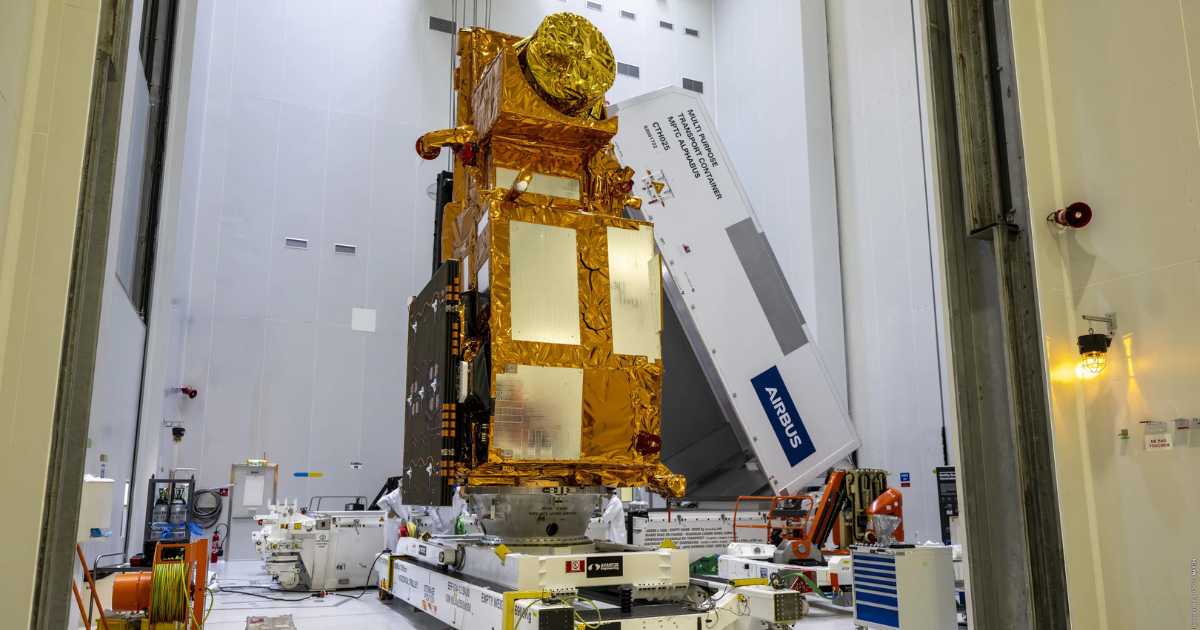
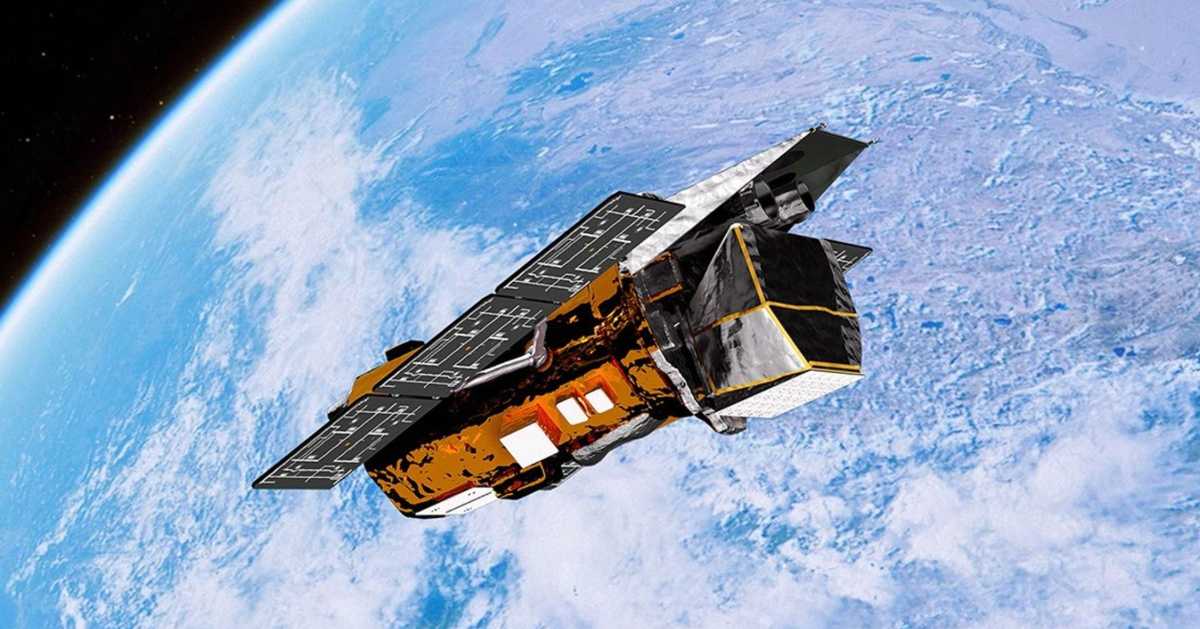
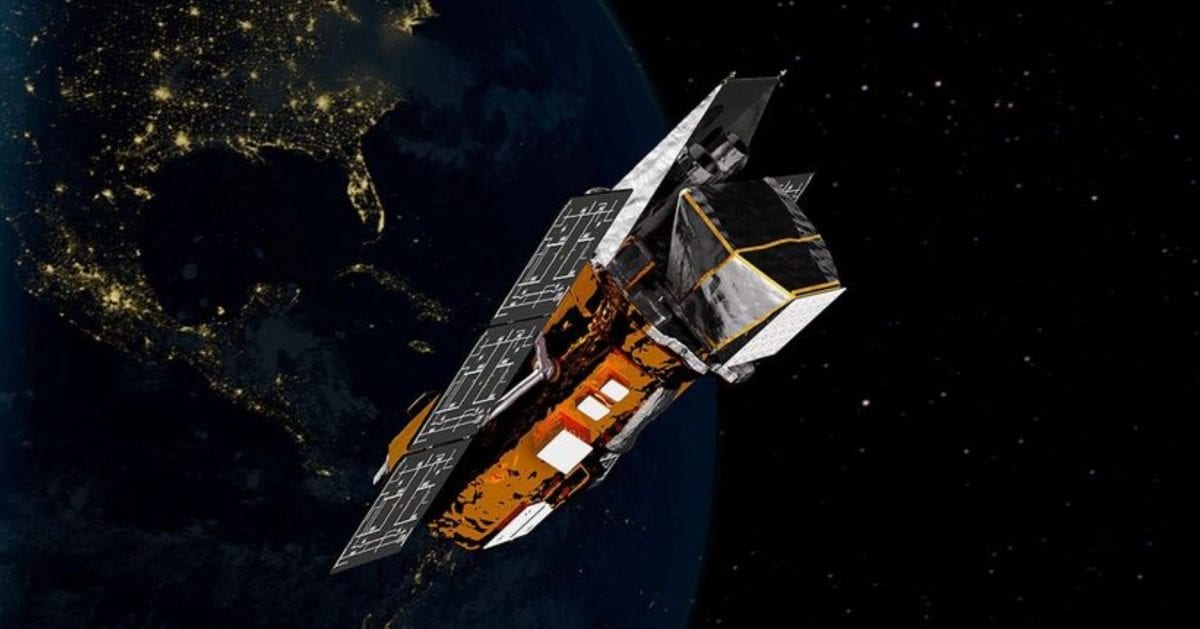
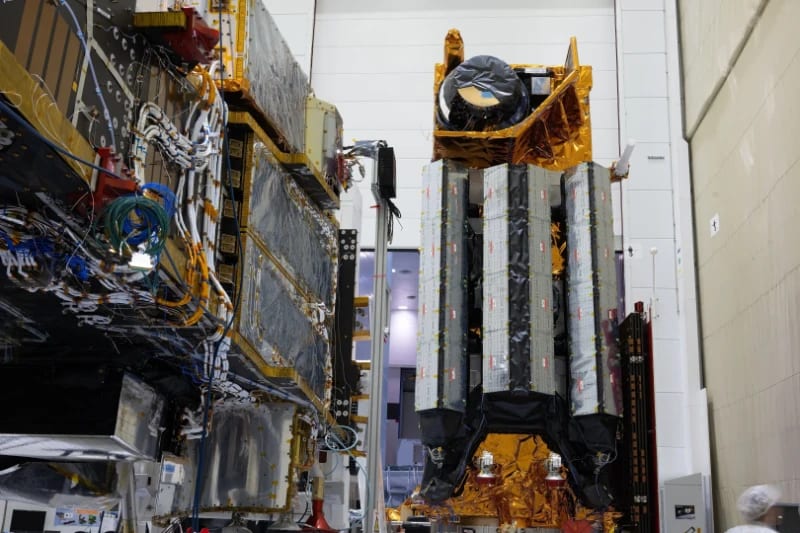
After more than 12 years of development, Europe's next-generation weather satellite is nearing its moment in space. The European Space Agency (ESA), in an update announced yesterday, November 4, revealed that MetOp-SG-B1 has emerged from its protective transport container in French Guiana and is being prepared to be woken up for its final checks before its launch aboard an Ariane 6 rocket later this year. The team's engineers had moved the satellite into a cleanroom at Europe's Spaceport in Kourou—the sole launch site for Ariane 6 and Vega-C rockets—where the engineers will begin reactivating the spacecraft and preparing it for liftoff.
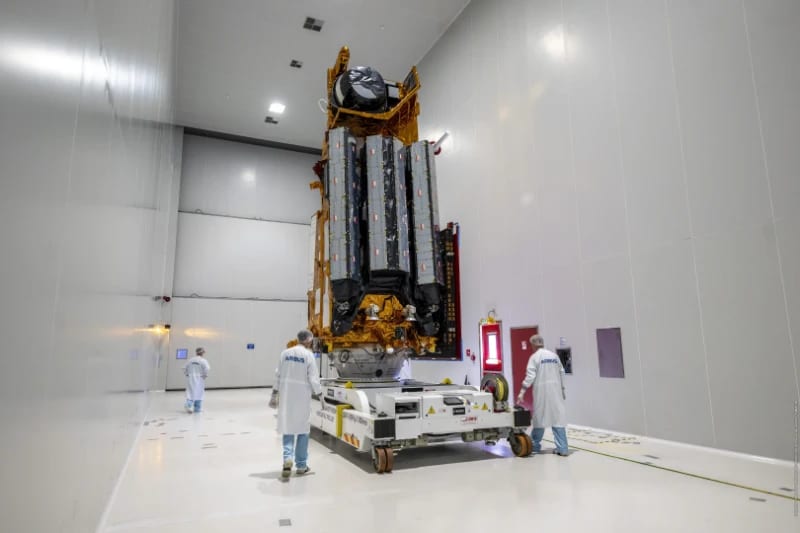
The satellite left Bordeaux, France, on October 6 aboard the Canopée, a sail-assisted cargo ship, and reached Kourou on October 16, after which it spent a short period in storage. Throughout the journey and the storage period, the satellite stayed inside a purpose-built container, which held it at a steady 22°C and kept it dry, with a nitrogen supply to protect its components from contamination—an ideal environment for a sleeping satellite.
ESA’s Enrico Corpaccioli said, “Removing the satellite from its protective container and starting to wake it up is an exciting moment for the team. To the eyes of all the engineers that have been involved in its development, it is a beautiful satellite and everyone is looking forward to switching on this sleeping beauty and taking the next steps towards launch.”
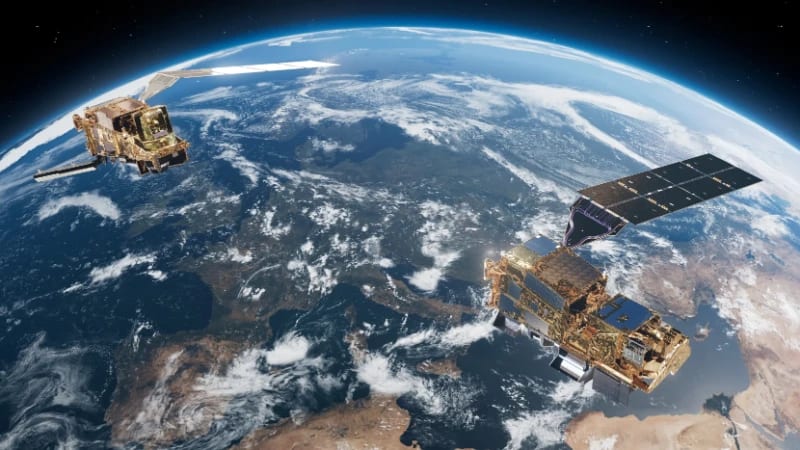
MetOp-SG-B1 is part of ESA and EUMETSAT's MetOp Second Generation (MetOp-SG) program, designed to strengthen Europe's ability to monitor Earth's atmosphere and improve weather predictions. The program involves six satellites arranged in three successive pairs. Each pair consists of an A-type and a B-type spacecraft, which will work together in a sun-synchronous, near-polar orbit approximately 832 kilometers above Earth. Each of these satellites is designed to operate for 7.5 years. By launching replacement pairs around every seven years, the program aims to maintain a continuous stream of meteorological observations for a minimum of 21 years.
After launch into orbit, the spacecraft will join its sister satellite, MetOp-SG-A1, which launched in August 2025, aboard an Ariane 6 rocket. Together, the two satellites, carrying complementary instruments, will collect detailed information about atmospheric and environmental conditions. Their observations will help meteorologists track temperature, precipitation, clouds, and winds, providing data for forecasting storms, monitoring changing weather patterns, and studying long-term climate trends.
A remarkable feature of the MetOp-SG satellites is that they are the first satellites developed by ESA that can achieve a controlled re-entry after the completion of their mission. Each of these satellites carries an additional 400 N thruster and 450 kg of extra propellant for the deorbit maneuver. During the coming weeks, engineers will power on the spacecraft, conduct final functional checks, and fuel it for its journey into orbit. It will then be enclosed inside the protective fairing of its Ariane 6 launcher before being moved to the launch pad. If everything proceeds as planned, the satellite will lift off at the end of 2026.
More on Starlust
European Space Agency to build OASIS, a service station to support future missions on the Moon
ESA's Mars Express reveals how the most visually striking cloud on the Red Planet forms