ESA-JAXA BepiColombo poised to make history, to enter Mercury’s orbit on November 21
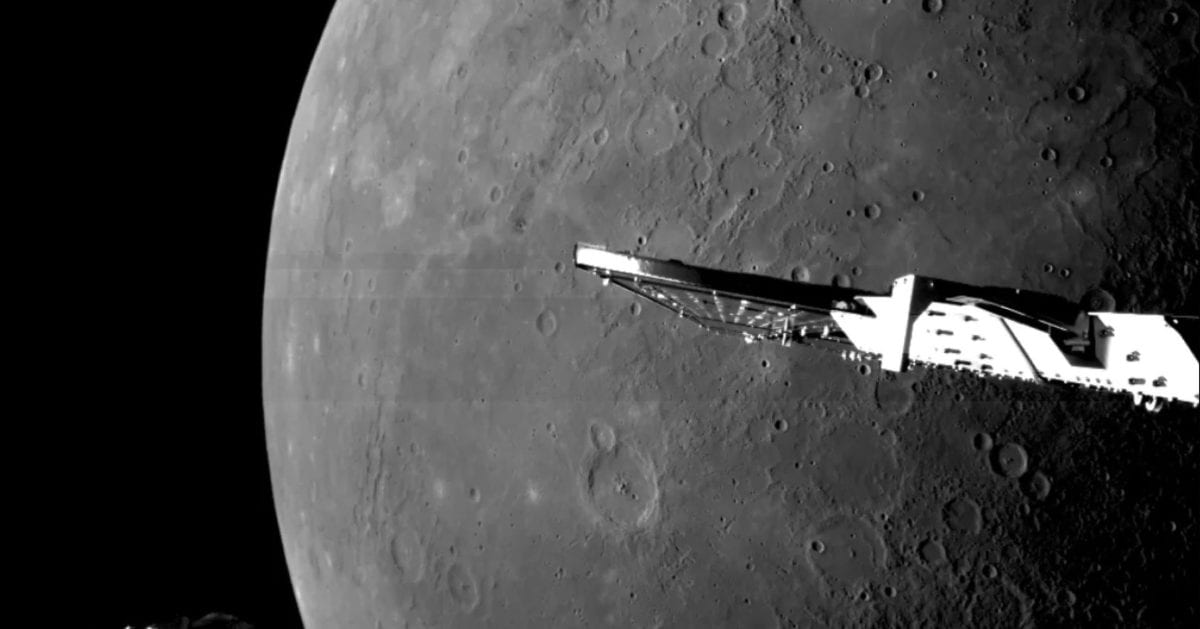
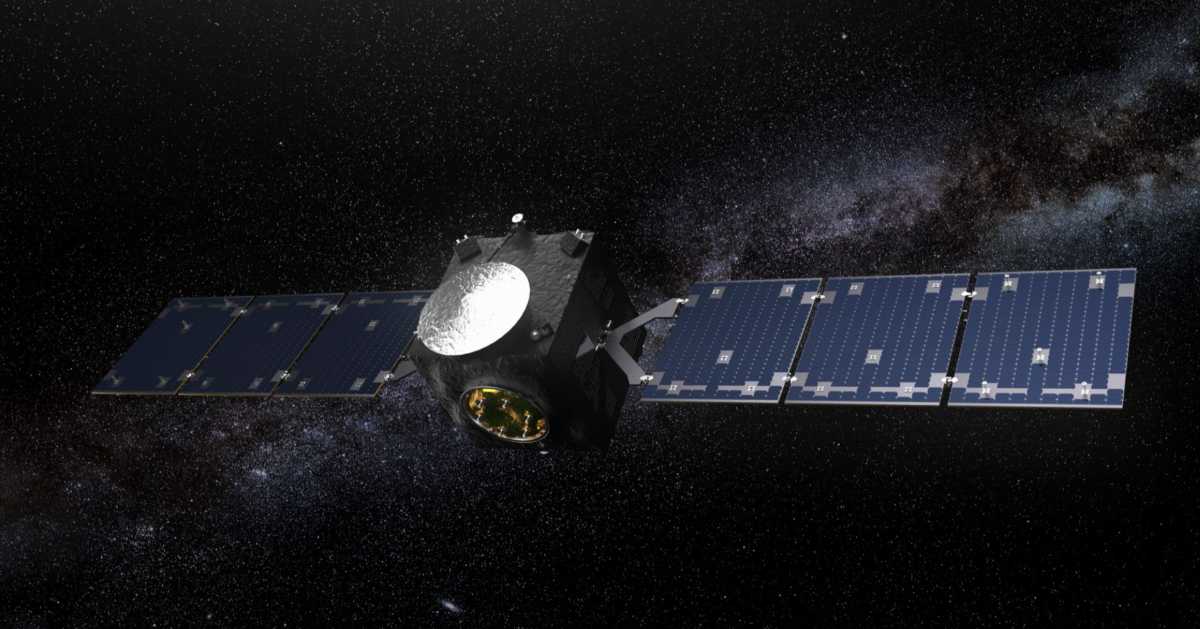
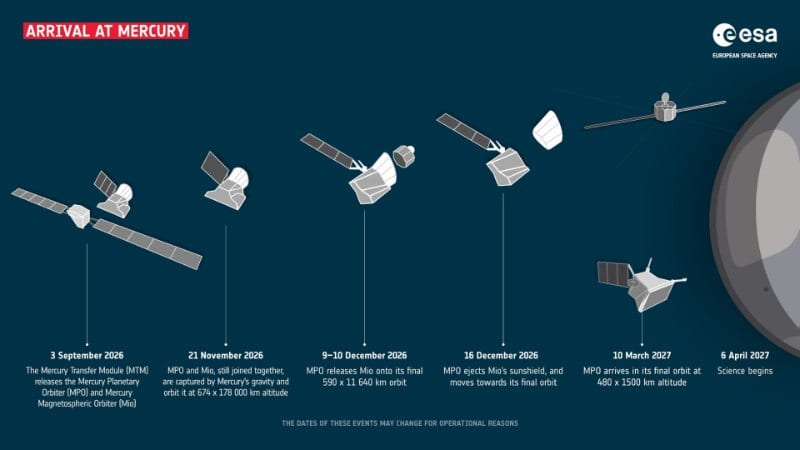
After a long eight-year voyage, the BepiColombo spacecraft is set to enter Mercury’s orbit this month. The spacecraft is scheduled for orbital insertion on November 21, and it will make BepiColombo the second-ever mission to arrive at Mercury after NASA’s MESSENGER, as well as the first dual-spacecraft mission to reach the planet. BepiColombo comprises the Mercury Magnetospheric Orbiter (MMO or Mio) built by the Japan Aerospace Exploration Agency (JAXA) and the Mercury Planetary Orbiter (MPO) built by the European Space Agency (ESA). These two components are currently attached and are scheduled to separate on December 9-10.
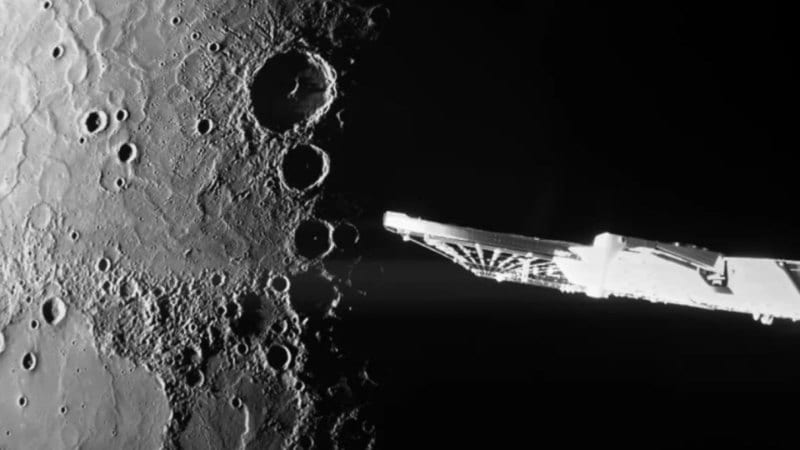
BepiColombo’s ‘Mercury Arrival Phase’ began in early September, and it started with the two spacecraft components separating from the Mercury Transfer Module (MTM), which propelled them toward the planet. The mission launched on October 20, 2018, from Europe’s spaceport in French Guiana to unravel the mysteries of Mercury’s origin, atmosphere, magnetic field, and polar regions, among other things. Scientists want answers to why Mercury has a magnetic field despite its relatively small size and why it has an unusually large and heavy metallic core.
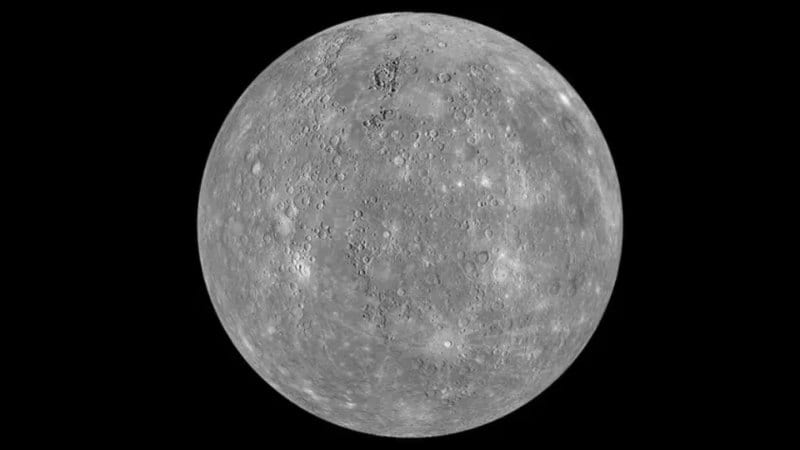
“Mercury is the only other planet with a magnetic environment that’s really like Earth’s, but it’s also different enough that it kind of stretches out and tests our understanding of how Earth’s magnetic field works,” said Jim Raines, an Associate Professor of Climate and Space Sciences and Engineering at the University of Michigan. Raines also leads the day-to-day operations of the spacecraft’s Strofio instrument that will identify the molecules in Mercury’s ultra-thin atmosphere for the first time. Stefano Livi, the Principal Investigator for Strofio, said that the instrument will “identify the uncharged molecules and elements in the atmosphere to help find out how it behaves, where it comes from and how that affects the surface of the planet.”
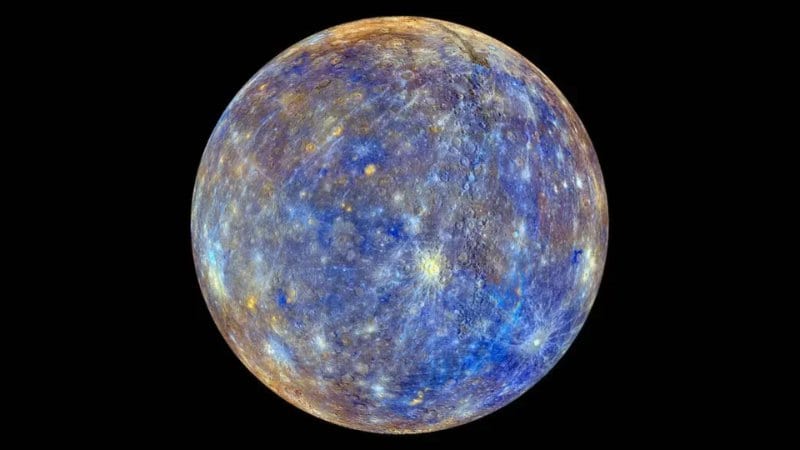
The mission will also answer whether Mercury’s poles really have frozen water. The possibility is exciting because surface temperatures on the planet reach up to 450°C. It’s also worth mentioning, however, that Mercury is not tilted in its orbit like Earth so sunlight never reaches the polar craters. The possibility of water-ice deposits was raised after the MESSENGER spacecraft saw what appeared like light reflected from a mass of ice. “We have strong indications that there might be water ice in these craters, but it has not been detected directly,” said Johannes Benkhoff, ESA BepiColombo Project Scientist, in a statement. “With the instruments that we have on MPO, we hope to be able not only to measure water content directly and confirm whether there really is water but also to attempt to find out how much of it is there.”
After the probes separate in December, they will occupy their respective orbits and begin science operations in April 2027. They have an operational lifespan of one year with a possible extension of another year.
More on Starlust
ESA’s Hera arrives at Didymos-Dimorphos asteroid system, begins survey in ‘rectangular orbits’