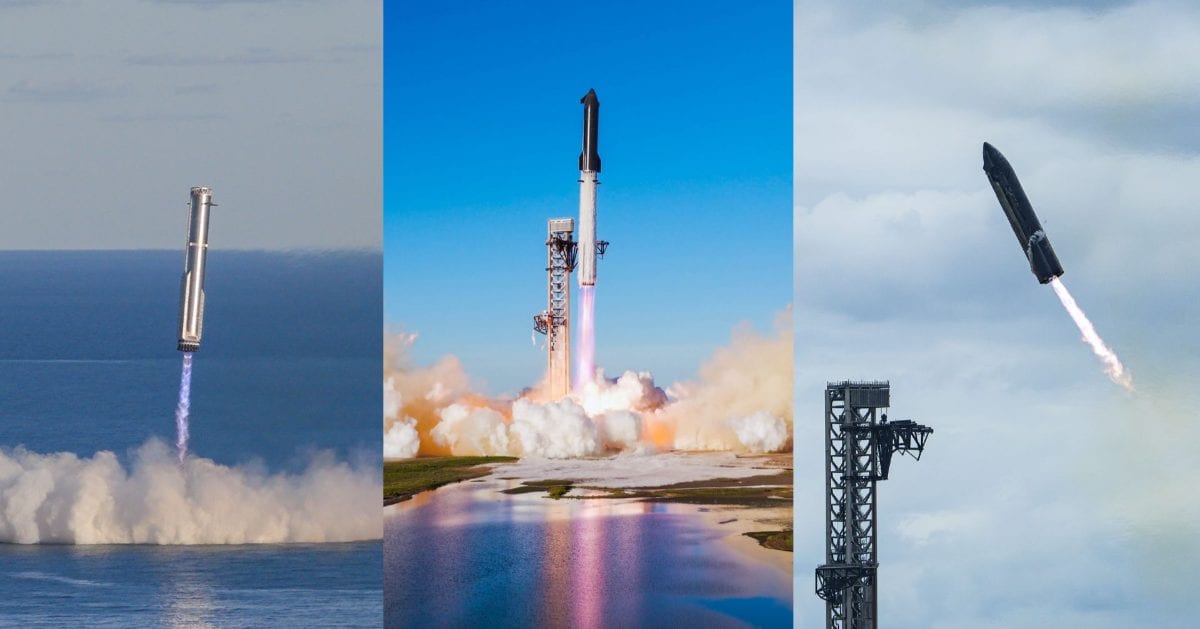
What is Argonaut, Europe’s ambitious lunar lander program supporting NASA’s Artemis goals?
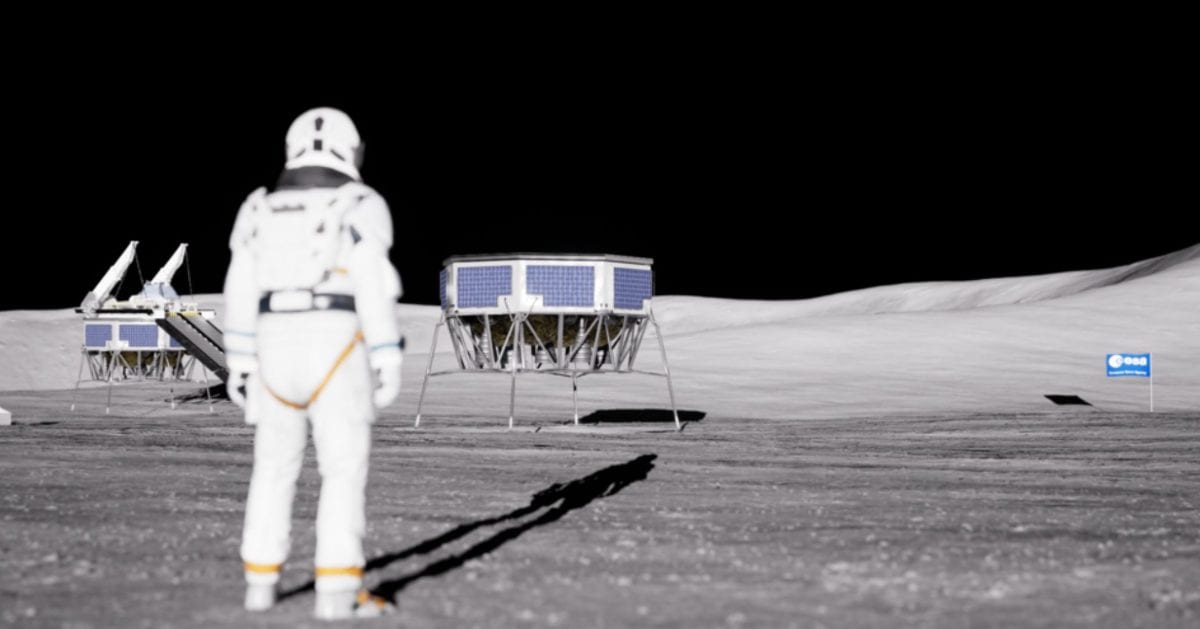
The European Space Agency (ESA) is developing a major lunar lander program that will deliver cargo to the Moon’s surface and support robotic and crewed missions. Named Argonaut, it is a giant lander that can be modified to fulfill a wide range of purposes and ultimately support NASA’s Artemis Program. According to ESA, the first Argonaut lander is slated for launch in 2030, enabling a sustainable way of exploring the Moon.
Europe is building its own capability to reach, land and operate on the Moon. Bringing together expertise from across Europe, Argonaut will deliver cargo and technology to the lunar surface, starting with its first mission from 2030. 🔗https://t.co/ldvWfeeCY6 https://t.co/5eRamxs1uh
— European Space Agency (@esa) October 23, 2026
What is Argonaut?
Argonaut is the program ESA is building for tasks such as delivering vital resources for astronauts such as food, water and air, rovers and science instruments, as well as technology demonstrations and infrastructures, such as communication, power generation, and in-situ resource utilisation plants necessary of settlement of humans. The said lander is called a Lunar Descent Element (LDE) that is a part of the Argonaut spacecraft—the Passenger (the actual cargo) is the other major component. According to ESA, each lander will deliver up to 3,300 pounds (1,500 kg) of cargo to the lunar surface. It also says that the landers will execute an autonomous landing within an accuracy of 250 meters for the first flight and this accuracy will improve to 50 meters for the third flight.
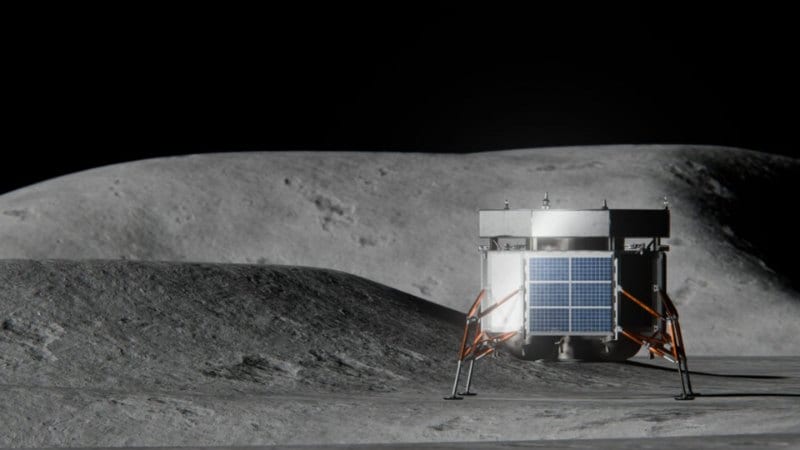
The first Argonaut mission is targeted for launch in 2030 atop the Ariane 6 rocket to demonstrate a landing in the lunar south pole. On the first flight, the lander will carry a robotic "surface mobility asset" designed to explore the area around the landing site and a robotic payload focused on regolith sampling, lander inspection and payload deployment. ESA is planning to carry out on Argonaut launch every two to three years after the first mission. “With a designed five-year lifetime on the surface, Argonaut will support the international effort to establish a long-term human presence on the Moon, helping to develop the capabilities needed to live and work on the lunar surface,” it said in a statement.
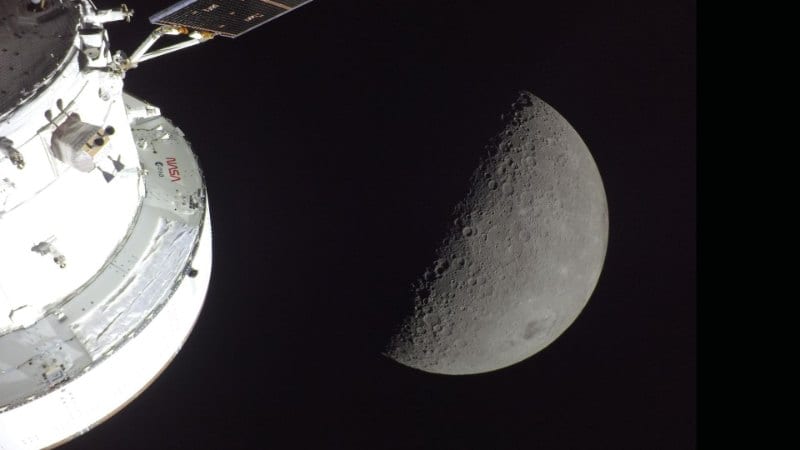
Apart from supporting the Artemis Program, ESA says Argonaut will also bolster its Terrae Novae strategy aimed at landing European astronauts on the Moon by the next decade. Its major goals also include continued European presence in low-Earth orbit and sending astronauts to Mars and bring them back safely. As for the Artemis Program, NASA has accelerated its development and is currently working on Artemis III which will launch in 2027. The crewed low-Earth orbit mission will focus on testing docking technologies between the Orion spacecraft and one or both private landers being built by SpaceX and Blue Origin. If all goes well, these landers will take astronauts to the lunar surface during Artemis IV in 2028. On October 23, NASA made major announcements regarding the landers and how they will operate.
More on Starlust
Starship vs Blue Moon: NASA's plan for two landers flying on Artemis IV has some major changes
NASA safety panel asks agency to re-examine Artemis IV Moon landing plan