C/2026 S1: ESA’s Euclid telescope unexpectedly discovers its first comet 807 million miles away
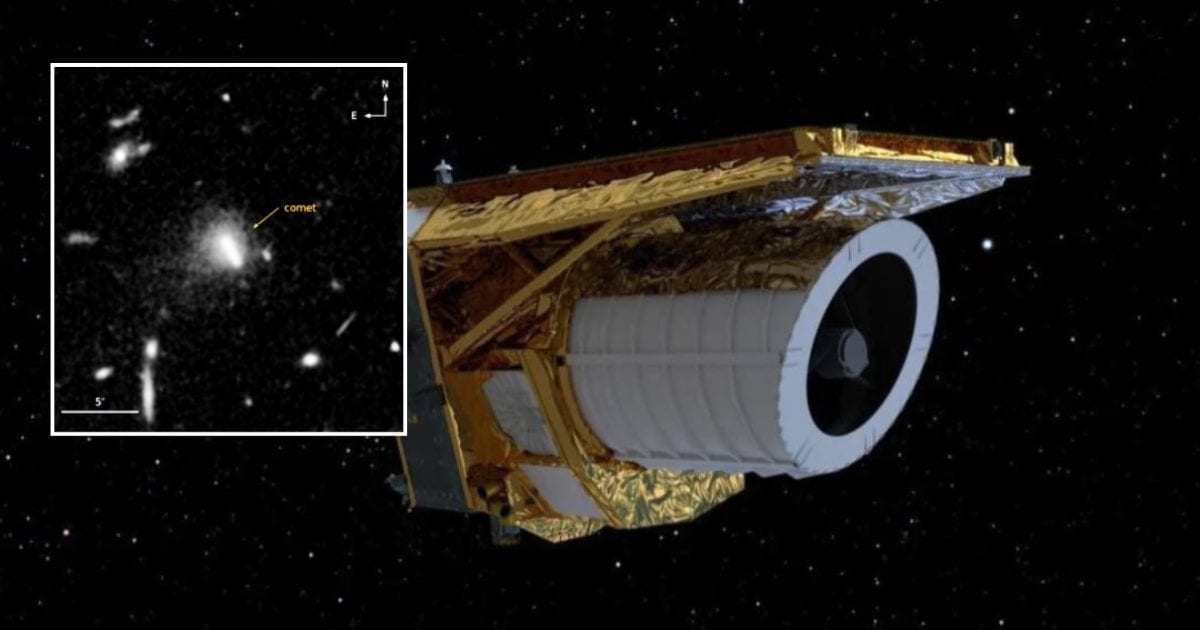
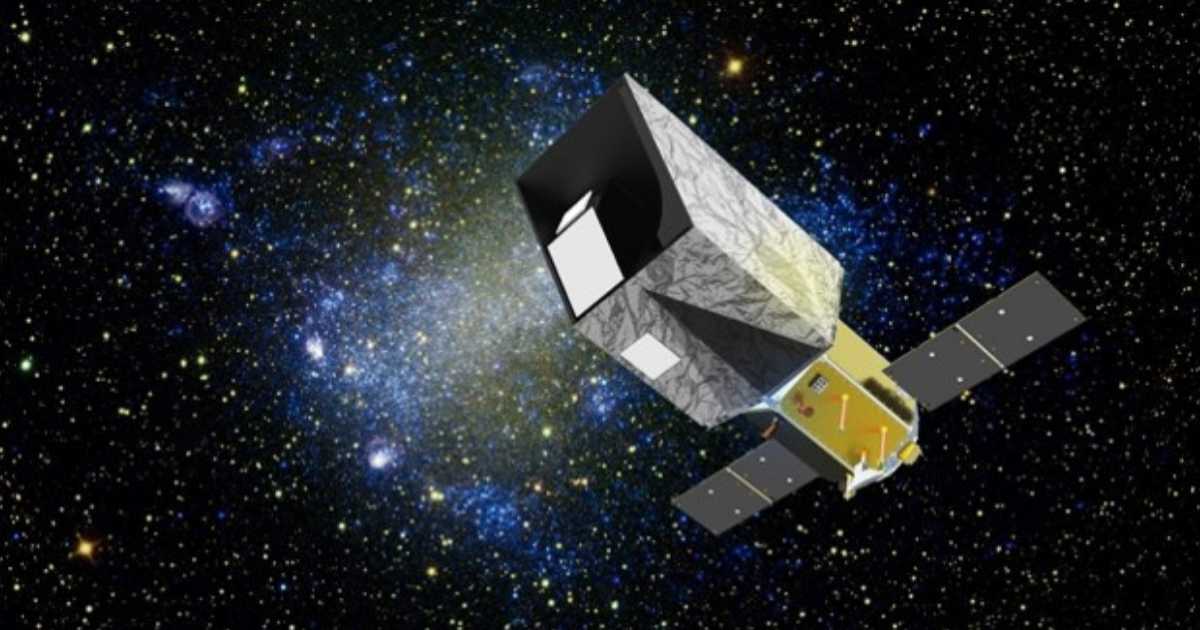
Sometimes, the best discoveries are the ones we aren't looking for. This is exactly what happened in the case of the latest discovery by the European Space Agency's (ESA's) Euclid telescope, which spotted a new comet, C/2026 S1, in images taken from September 16 to September 24, 2026. The comet, located at a distance of around 1.3 billion kilometers (800 million miles) from Earth, is the first previously unknown comet ever found by the telescope and traverses an orbit that will take thousands of years to complete.
. @ESA_Euclid discovers its first comet ☄️ That's quite impressive for a #DarkUniverse detective 🕵️ meant to take deep, steady images of distant galaxies, not fast-moving tiny objects. Discover more about the comet 👉 https://t.co/dAlQthnpXQ https://t.co/d5BKIccESf
— ESA Science (@esascience) October 19, 2026
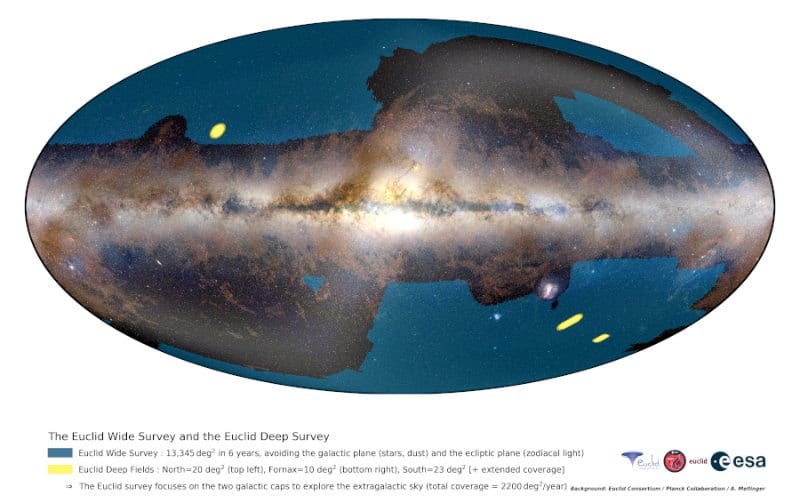
The discovery becomes even more impressive when you consider the fact that Euclid was originally developed to study distant galaxies and wasn't meant to track down rapidly moving solar system objects. Moreover, the telescope, in its observations, avoids the plane of the solar system crowded with asteroids and comets, where dust and other objects can interfere with sensitive deep-sky observations—a factor that makes detecting and confirming new solar system objects a formidable task.
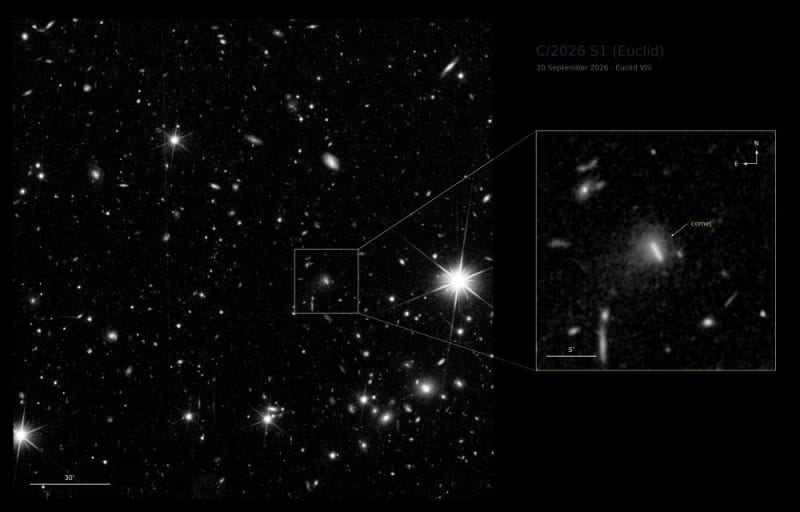
The images where the comet was spotted were taken during Euclid’s survey of the Euclid Deep Field North, which is located in the constellation Draco. Although this dark-matter-hunting observatory, launched in July 2023, had captured comets earlier, these comets were already cataloged.
In an update shared yesterday, ESA said, "The quick turnaround between identifying and validation proves the case that Euclid can detect new comets while they are still relatively far from the Sun, potentially leading to a suitable target for ESA’s future Comet Interceptor mission"—a mission that will use three spacecraft to study a pristine comet, planned for launch in late 2028 or early 2029.
How the comet was caught
Mikko Pöntinen, a Ph.D. student at the University of Helsinki, in collaboration with the Solar System Objects Science Working Group of the Euclid Consortium, identified the comet after his custom software flagged a streak in the data. Pöntinen, who designed the software to detect tiny solar system bodies in Euclid’s observations, said, “I was excited to see my software flag a ‘streak’ smeared across several images—the result of a fast-moving object. By predicting its position I could identify it in other images, in total finding it in five image sets."
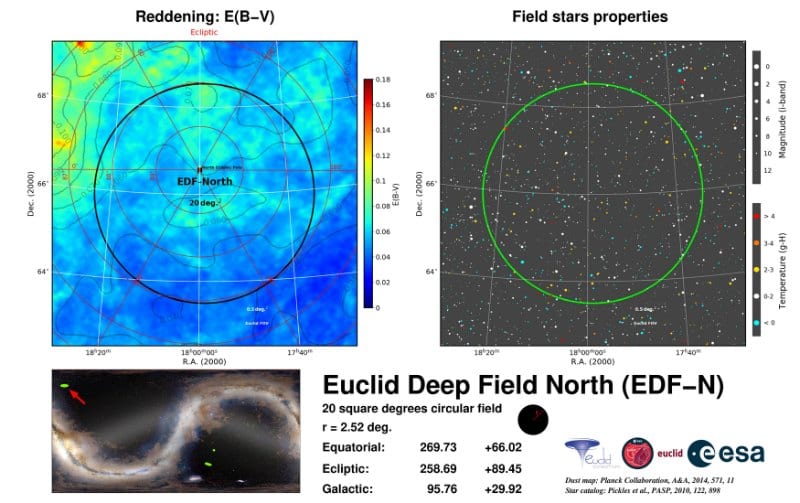
But how did Pöntinen suspect that it was a comet? He stated, "Further inspection revealed that it had a fuzzy cloud around it, indicative of an active object like a comet that is shedding dust and gas.” To identify the object, the researchers cross-referenced it against existing comet and asteroid catalogs, but did not find any match, prompting the team to report the discovery to the International Astronomical Union’s Minor Planet Center. The center later verified the object as a comet on October 8, giving it the designation C/2026 S1 (Euclid).
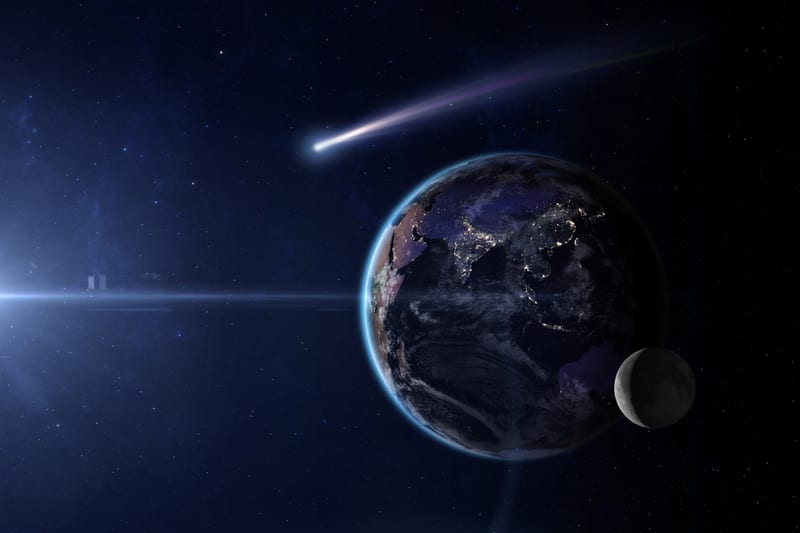
C/2026 S1 (Euclid) lies about 1.3 billion kilometers (over 800 million miles) from Earth, which places it roughly between the orbits of Jupiter and Saturn. But it sits far outside the planets’ plane. Seen from the Sun, it hangs almost directly above the solar system, arcing over the planetary plane on an orbit with a period of thousands of years. Long-period comets like this come from the solar system’s outer edges, carrying pristine material left over from the planets’ formation.
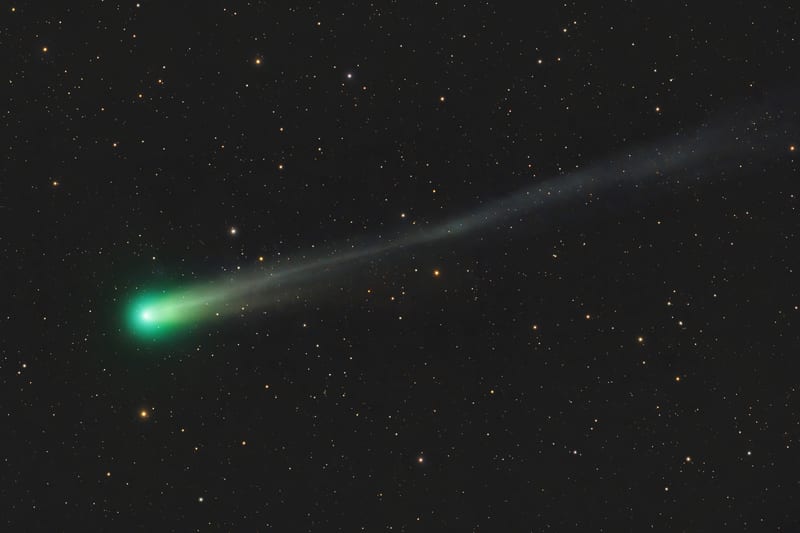
“Very few comets are expected to be discovered by Euclid so it was a happy coincidence that the combination of the comet’s orbit and Euclid’s scanning over those days captured the object in multiple images,” said Bruno Altieri, Euclid Archive Scientist, and part of the discovery team.
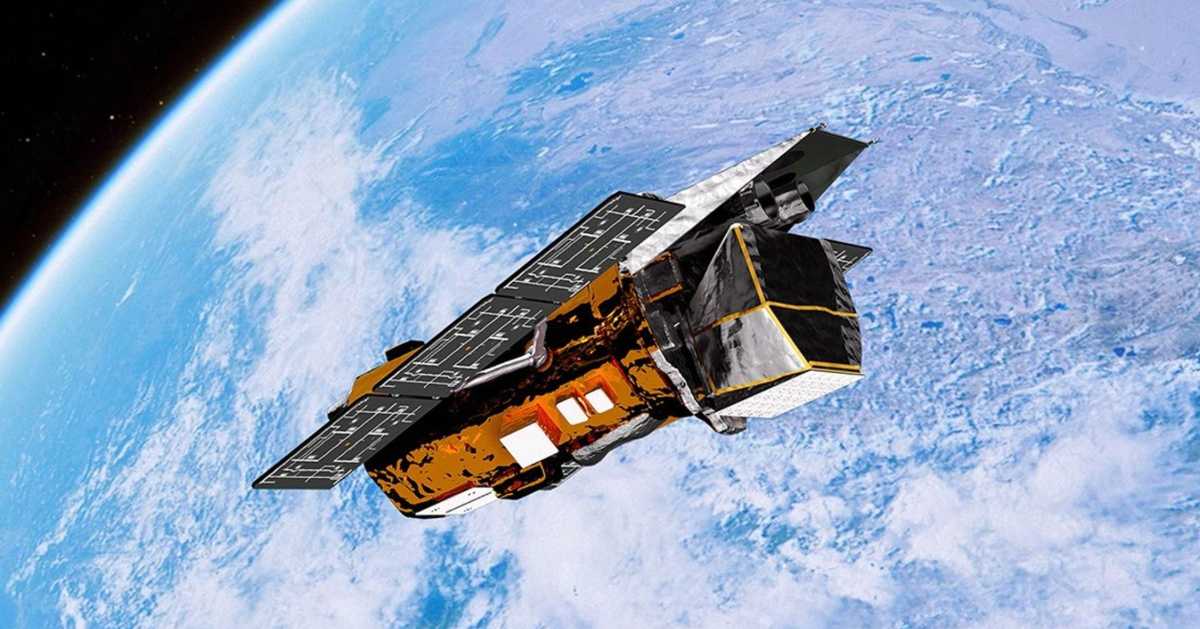
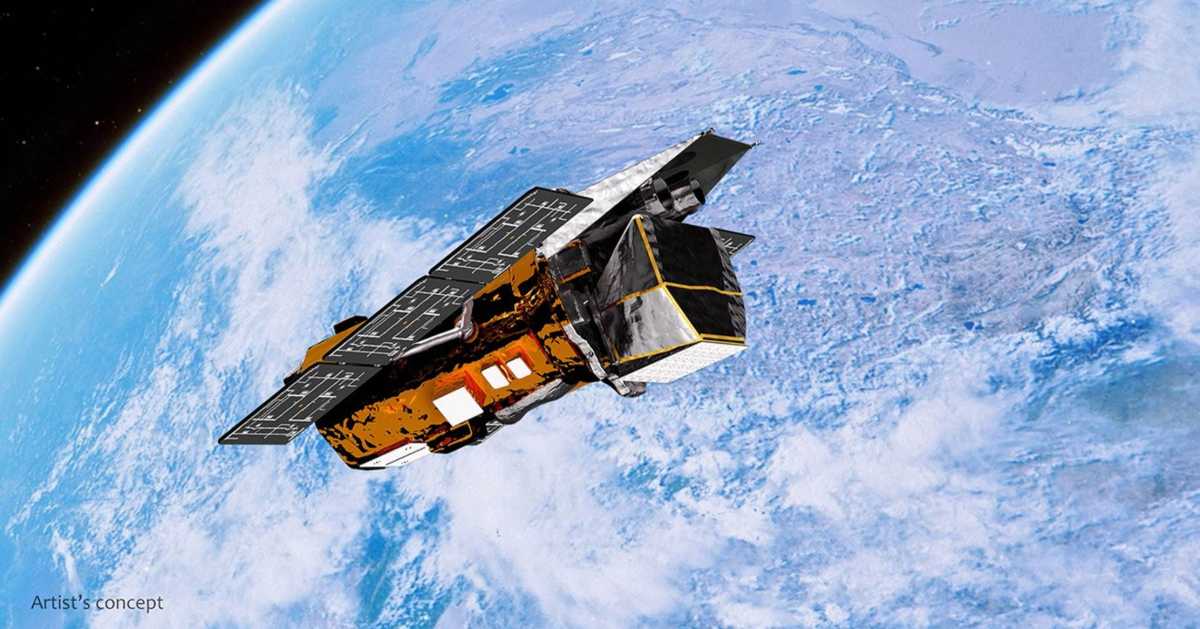
ESA’s Euclid mission is aimed at mapping billions of distant galaxies in fine detail, thereby generating a 3D map of the universe. During its six-year mission, it is expected to observe over 1.5 billion galaxies as far as 10 billion light-years away. By obtaining deep, stable imaging of these distant galaxies, Euclid is expected to probe the effects of dark matter and dark energy on the observable cosmos. The primary goal of this mission is similar to that of NASA’s Nancy Grace Roman Space Telescope, whose team recently completed a marathon of activities to fine-tune the observatory’s vision. NASA had stated last year that the Roman telescope's data would be complementing Euclid's findings. However, delivering a definitive answer about the nature of dark matter or dark energy is something that may take several years, and researchers are still in the early stages of work in this field.
More on Starlust
Comet C/2025 R3 (PanSTARRS) may become the brightest comet of 2026
NASA's Roman Telescope to map dark matter and dark energy more precisely than ever