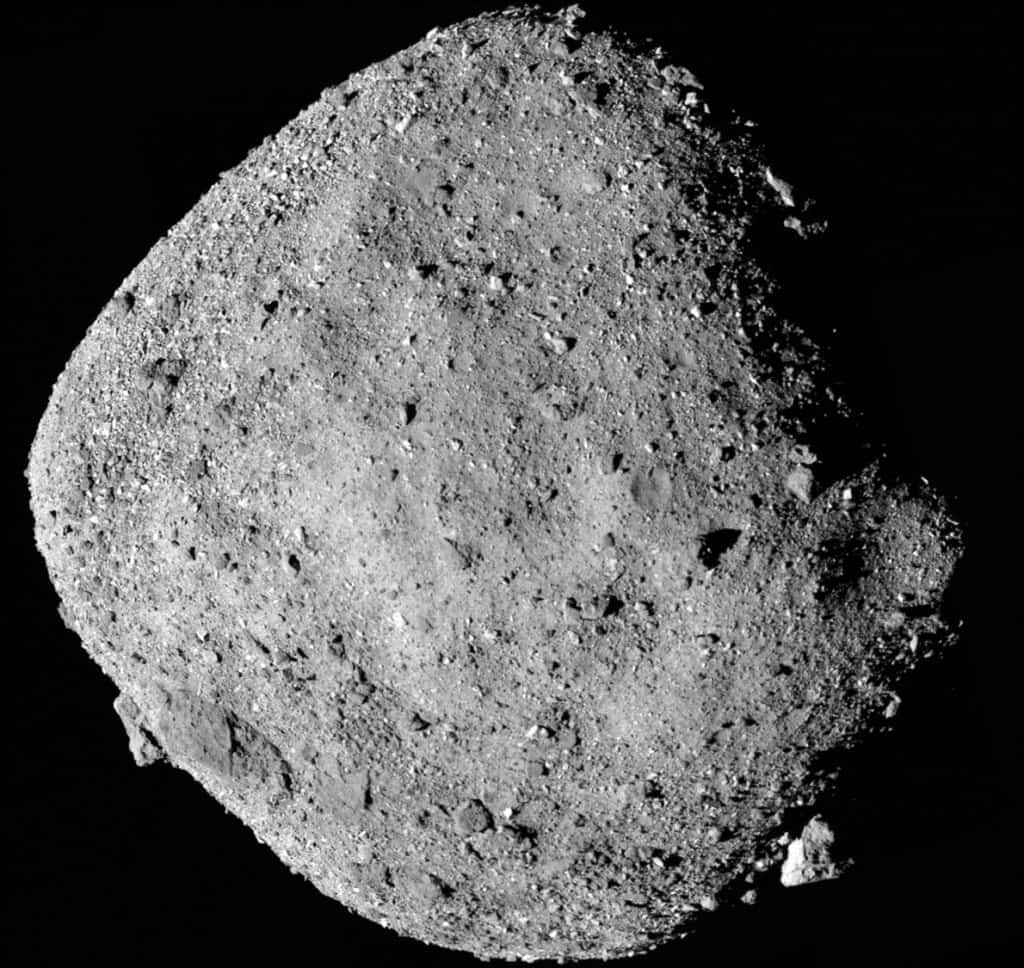
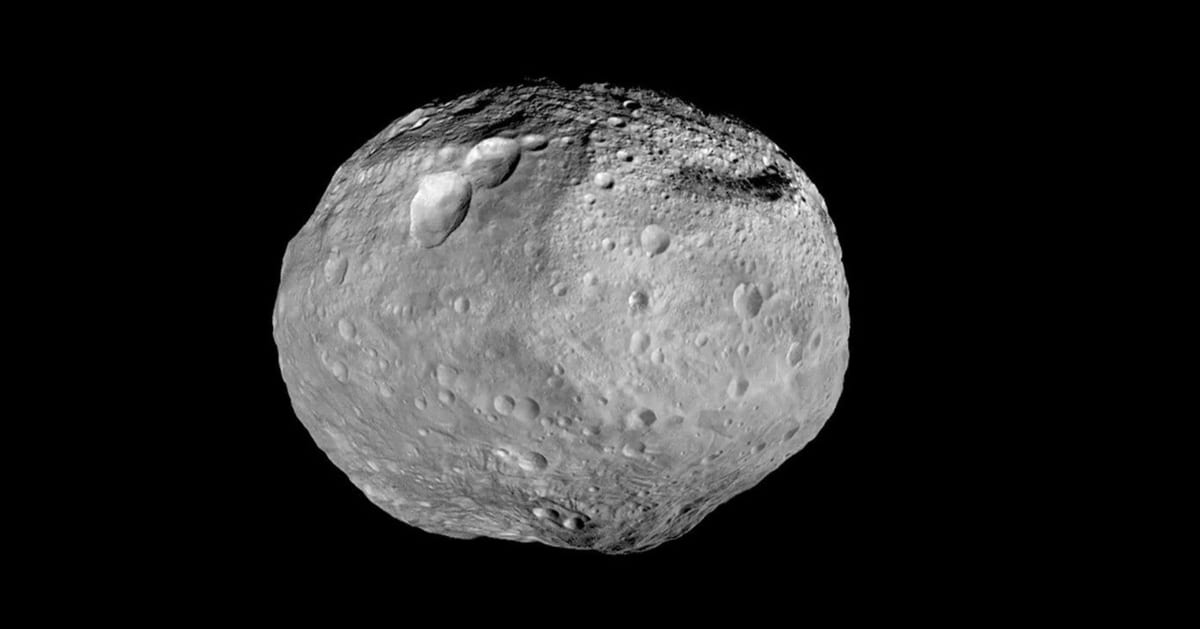
Asteroids are rocky, atmosphere-less objects that are remnants of the early days of the solar system, when our corner of the Milky Way galaxy was coming into being around 4.6 billion years ago. Bigger than meteoroids and way smaller than planets, most asteroids are irregularly shaped, and their sizes can range from that of tiny boulders to giant celestial bodies such as Vesta and Ceres, the latter of which is classified as a dwarf planet. Most asteroids orbit the Sun and lie in the main asteroid belt between Mars and Jupiter, where Jupiter's immense gravity prevented planetesimals from merging into a single planet.
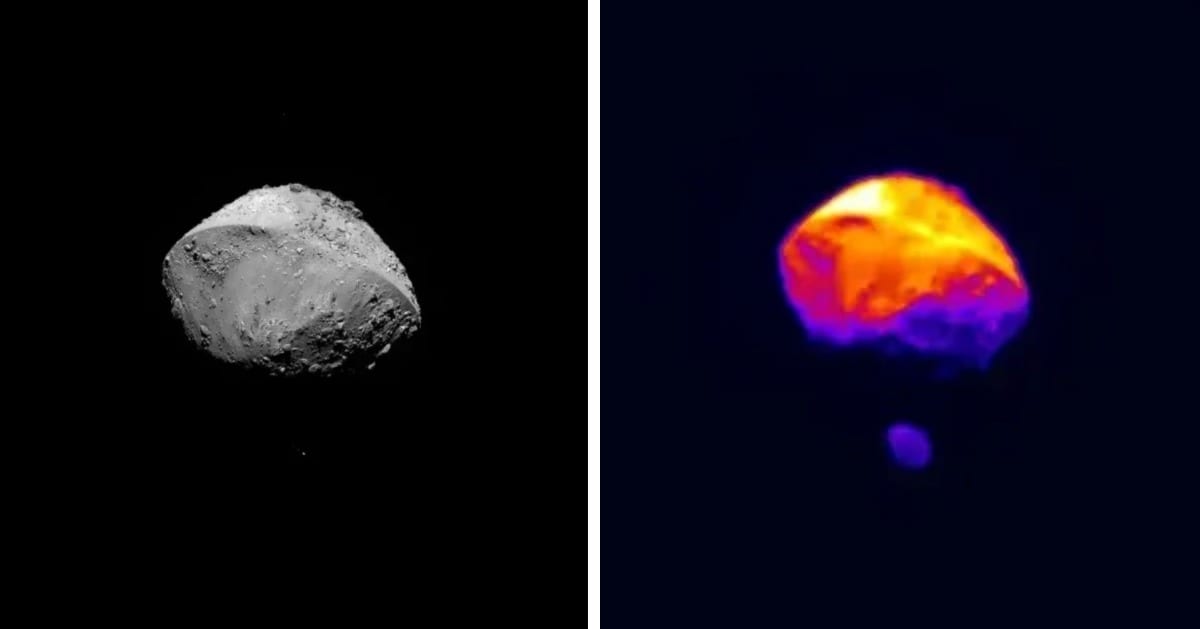
ESA's Hera spacecraft captures spooky infrared image of Didymos-Dimorphos asteroid pair
The new pictures were taken by Hera’s different cameras and in different wavelengths from a distance of 17.7 miles (28.5 km) amid the ongoing survey of the asteroid pair that began earlier this month.
Updated: 1 day ago | By Harsh Vardhan
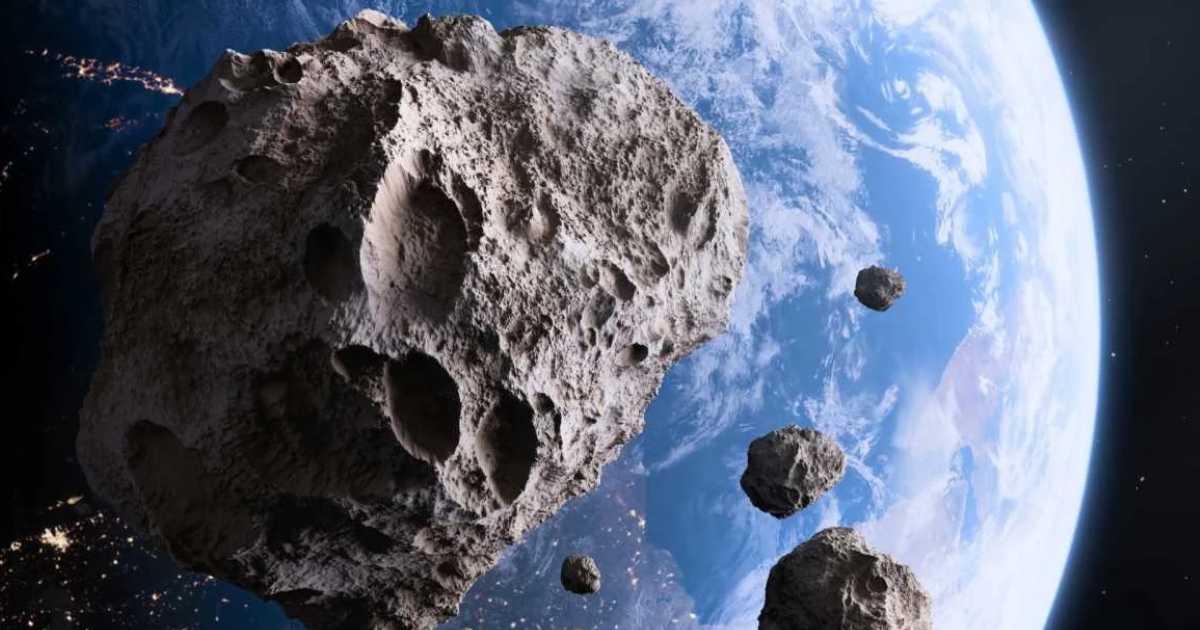
Mountain-sized asteroid approaching Earth in 2027: Will 1999 AN10 strike our planet? What to know
The 2027 encounter will be the nearest flyby by an asteroid of this size that has been identified in advance, and also, the closest approach by an object this big since 1918.
Updated: 4 days ago | By Lakshmi Kola
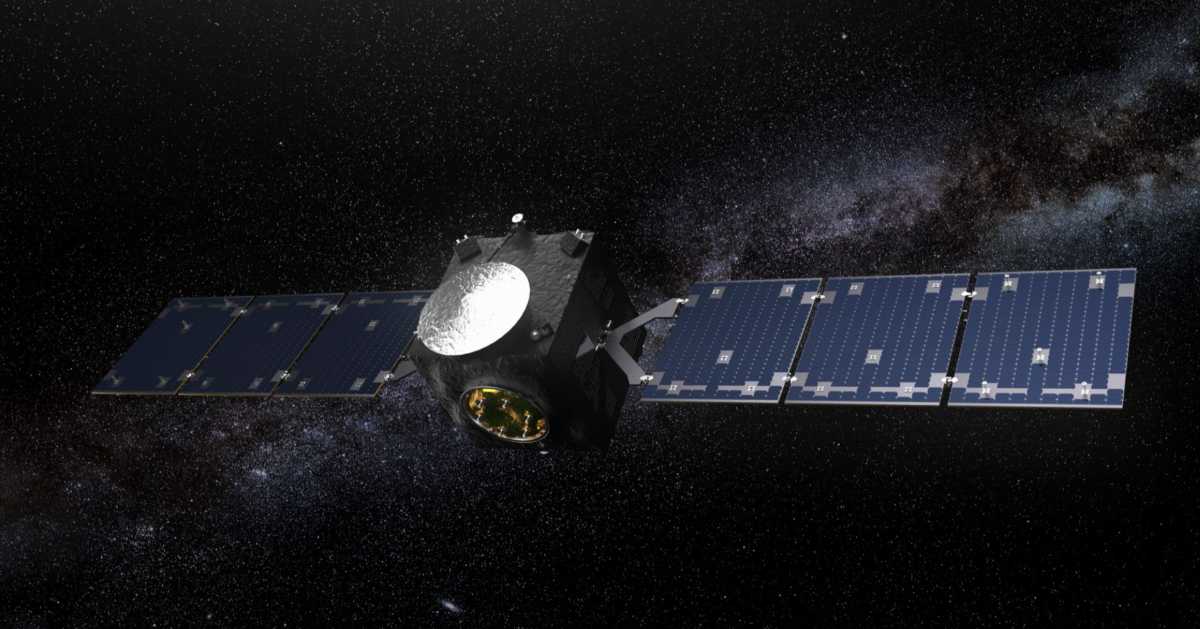
ESA’s Hera arrives at Didymos-Dimorphos asteroid system, begins survey in ‘rectangular orbits’
The Hera mission launched on October 7, 2024, to study the aftermath of the collision of NASA's DART spacecraft with the Dimorphos asteroid.
Updated: Nov 12, 2026 | By Harsh Vardhan
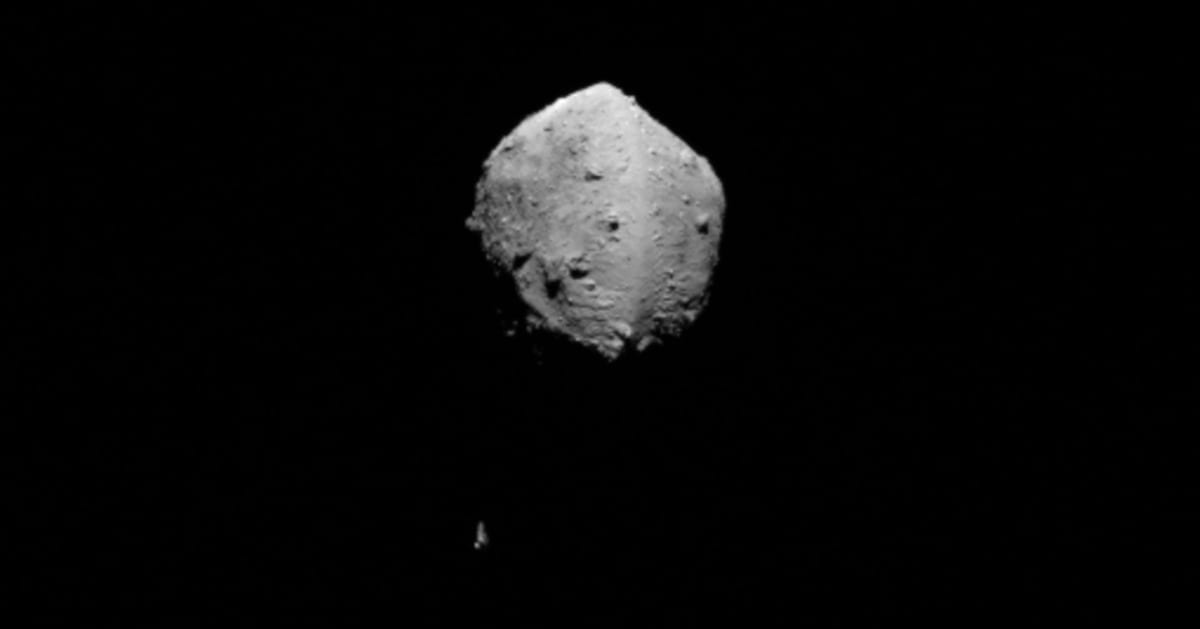
ESA releases Hera's first close-up image of Didymos-Dimorphos asteroid system
Dimorphos, which orbits Didymos, was struck by NASA's DART spacecraft in 2022, altering its orbit. Now, Hera has given us a close-up view of the binary asteroid system.
Updated: Nov 6, 2026 | By Harsh Vardhan
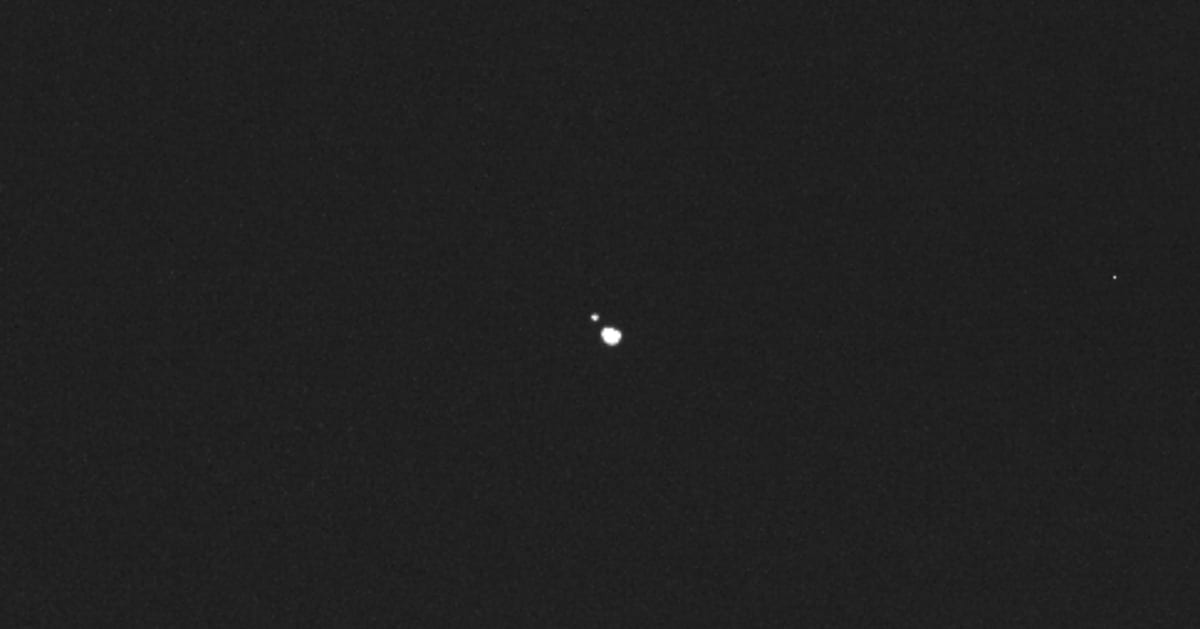
ESA’s Hera finally sees Didymos and Dimorphos as two separate asteroids; detailed pictures due November 25
The spacecraft launched on October 7, 2024 to study Dimorphos—an asteroid that orbits a bigger rock named Didymos. Interestingly, this system was targeted by NASA for its DART mission.
Updated: Oct 29, 2026 | By Harsh Vardhan
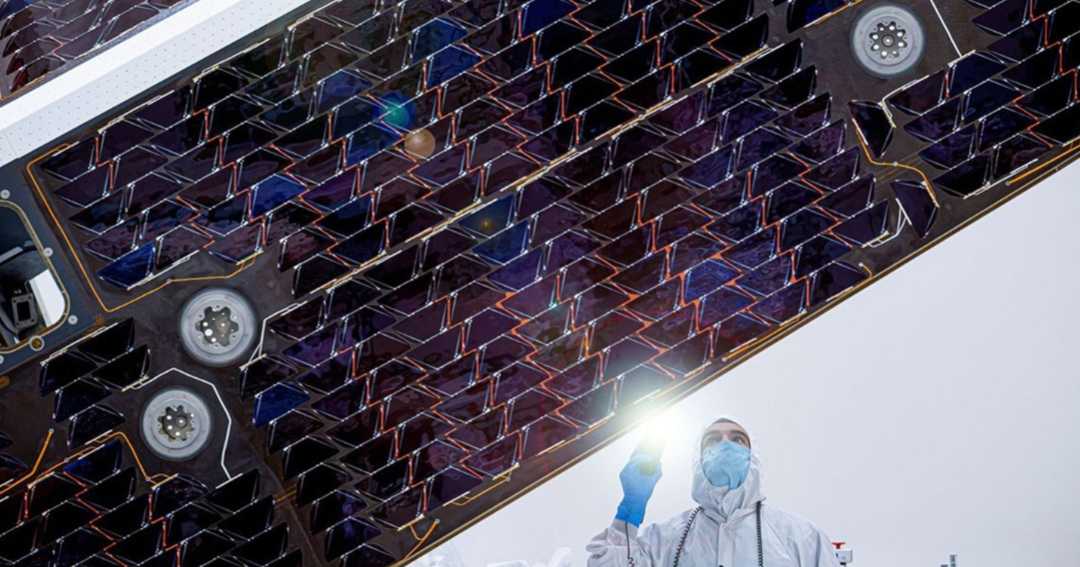
NEO Surveyor update: 20-foot tall sunshade for NASA's asteroid hunter now ready
NEO Surveyor's sunshade stands at 20 feet tall and is 8 feet wide at its base. It will serve a dual purpose on the mission—keeping the infrared space telescope cool and providing the spacecraft with power.
Updated: Oct 27, 2026 | By Lakshmi Kola
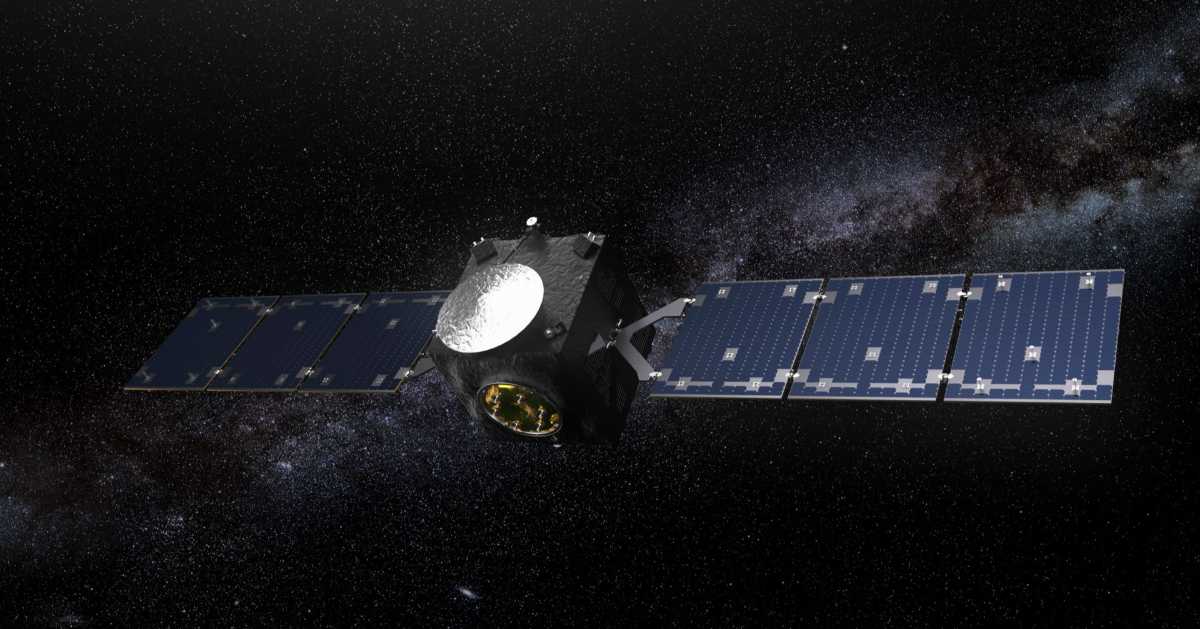
ESA's asteroid surveyor Hera completes second braking maneuver just days before closest approach
Hera is expected to arrive at Dimorphos in November and begin the ‘early characterization phase’ to gather data on the asteroids’ size, shape, and other aspects.
Updated: Oct 25, 2026 | By Harsh Vardhan
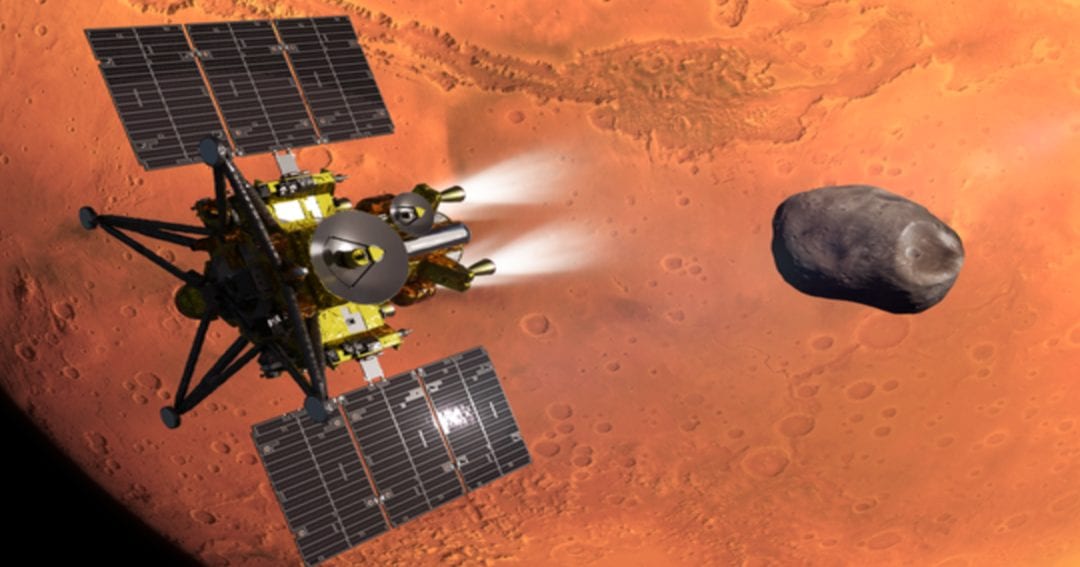
NASA's MEGANE instrument will act as 'eyeglasses' to study Phobos in JAXA's MMX mission
The origins of Mars' moons remain unclear. Could NASA's MEGANE instrument on JAXA's MMX spacecraft finally reveal whether Phobos is a captured asteroid or debris from an ancient impact?
Updated: Oct 16, 2026 | By Purva Muley
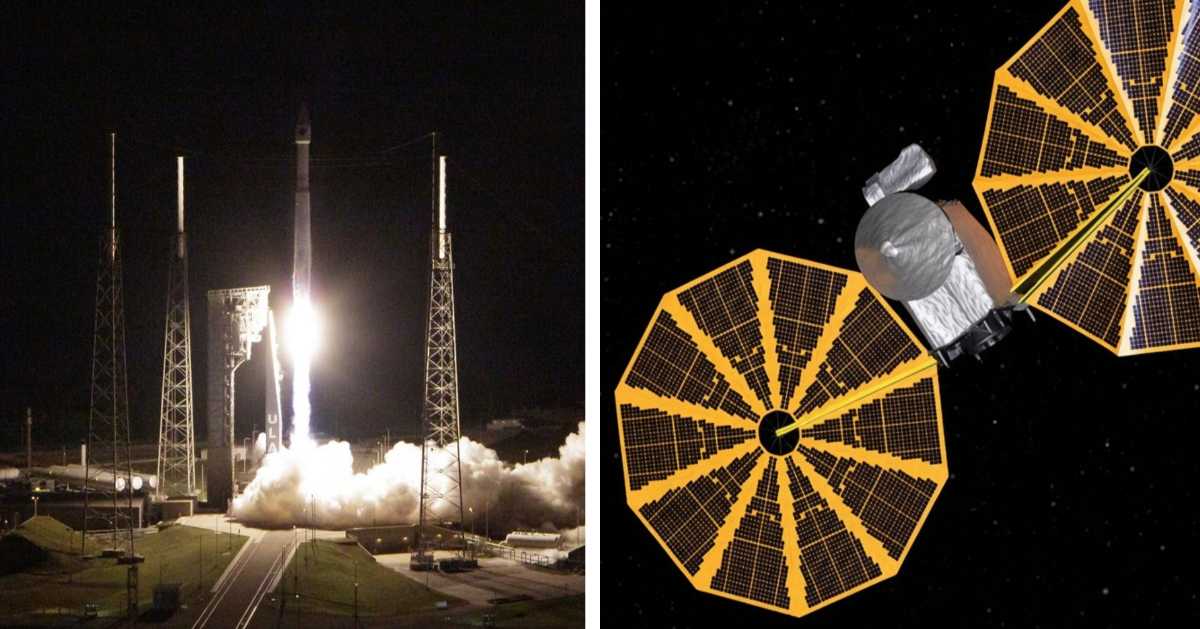
NASA’s Lucy spacecraft marks 5th launch anniversary—here’s all about the mission exploring ‘Trojan’ asteroids
Lucy is more than 550 million miles from Earth as of October 16, and it's due to make its flyby of one of the Trojan asteroids next year.
Updated: Oct 16, 2026 | By Harsh Vardhan
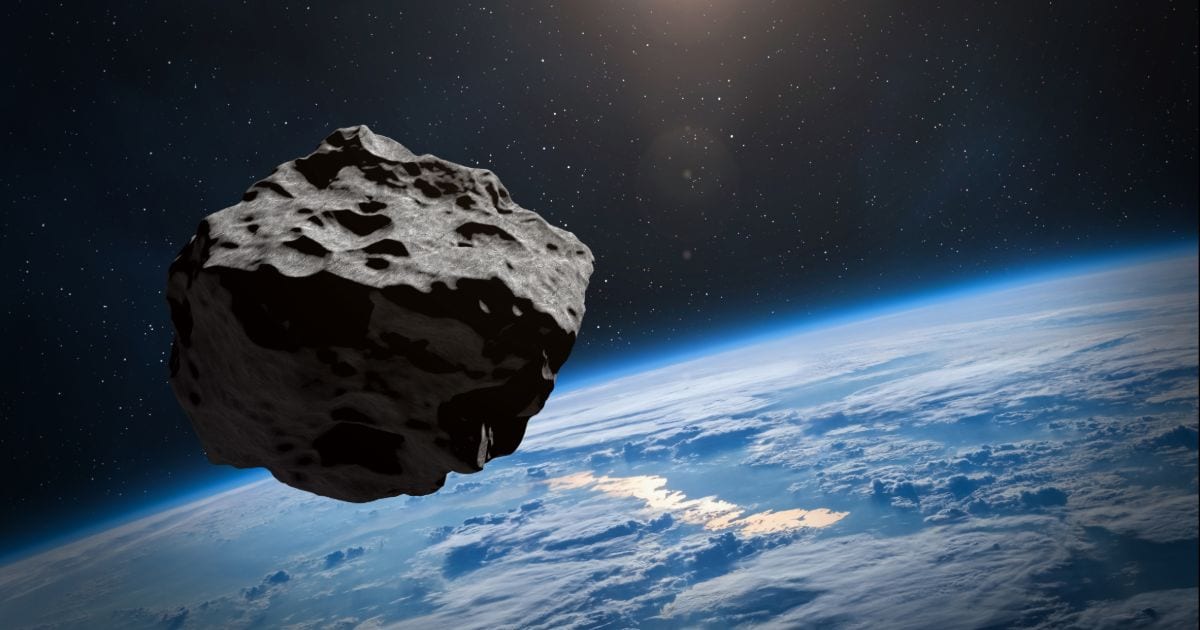
UAE reveals lander for its bold mission to seven asteroids; Launch expected in March 2028
The UAE’s second interplanetary mission will travel about 3 billion miles before the lander makes its final descent.
Updated: Oct 13, 2026 | By Ankita Garkoti
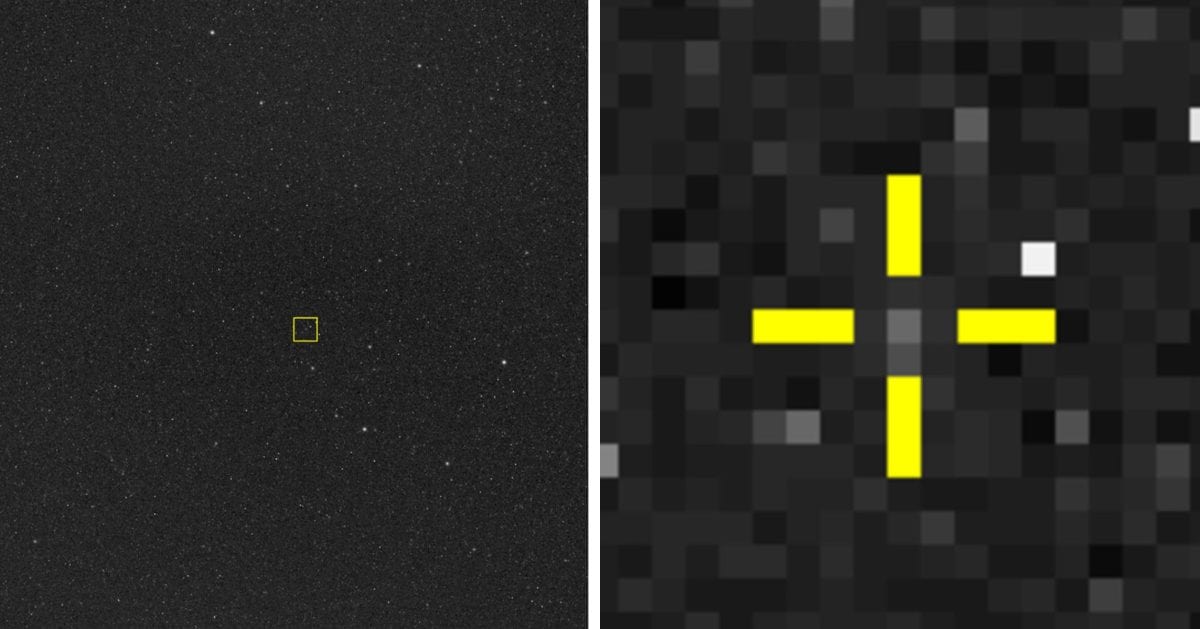
ESA’s Hera spacecraft gets first glimpse of target asteroid Didymos that was hit by NASA
The European Space Agency's Hera spacecraft has imaged the Didymos-Dimorphos system from a distance of more than 100,000 miles. It's the same system that was deliberately hit by NASA with its DART spacecraft.
Updated: Oct 12, 2026 | By Harsh Vardhan
Astronomers discover fastest-spinning asteroid making one rotation within 5 minutes—here’s why it’s unusual
The asteroid rotates at approximately 4.18 minutes and measures about 1.55 miles (2.5 km) and scientists are surprised how it hasn’t ripped apart yet.
Updated: Oct 11, 2026 | By Harsh Vardhan
Space weekly recap, September 19 - 25, 2026: Key stories you may have missed
Read about the new constraints on asteroid Bennu's origins, SpaceX's plans for October, and more in this week's space recap.
Published: Sep 25, 2026 | By Pranjal Nath
ESA and JAXA's Ramses probe powers up ahead of a rare close encounter with asteroid Apophis
“For the first time ever, nature is bringing one to us and conducting the experiment itself.”
Published: Sep 24, 2026 | By Ankita Garkoti

NEOMIR: Europe’s proposed mission might save Earth from dangerous asteroids hiding in Sun’s glare
Asteroids that may sneak up on the us hiding in the glare of the Sun pose one of the greatest dangers to humanity.
Published: Sep 20, 2026 | By Harsh Vardhan
Asteroid that exploded over Australia on September 6 might be the first-of-its-kind discovered before impact
2026 RW1, the 13th asteroid discovered by scientists before it impacted our planet, is special.
Published: Sep 7, 2026 | By Harsh Vardhan
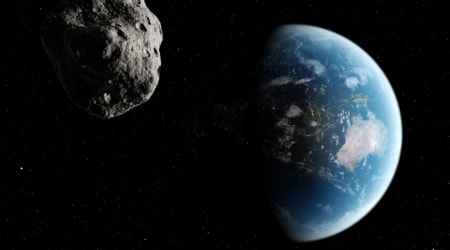
Can nuking an incoming asteroid on short notice save Earth? This new study has an answer
While no known asteroid is on collision course, there are several NEOs which may sneak up on Earth.
Published: Aug 21, 2026 | By Harsh Vardhan
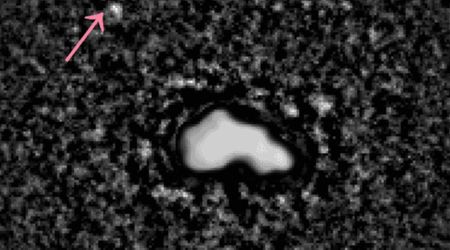
Mysterious asteroid 44 Nysa may be the first known three-lobed world. It even has a moon.
Asteroids like Nysa are called E-type asteroids, which are believed to preserve records of the early solar system and secrets of our planet's formation.
Published: Jul 31, 2026 | By Harsh Vardhan
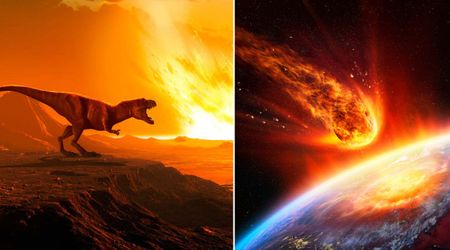
Chicxulub impact: How the dino-killing asteroid may have burned everything in an hour or two
A thick global blanket of dust from the impact insulated Earth's atmosphere, triggering global wildfires and killing off the mighty dinosaurs.
Published: Jul 29, 2026 | By Biplab Das
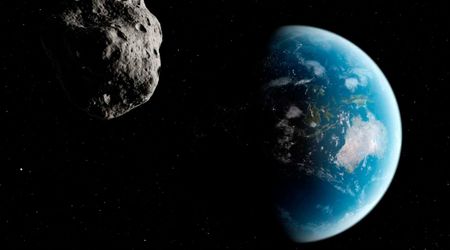
China plans to surpass NASA’s DART mission by smacking an asteroid at 26 times the speed of sound
China is planning an asteroid redirection test similar to NASA's DART. It could launch before 2030.
Published: Jul 20, 2026 | By Harsh Vardhan