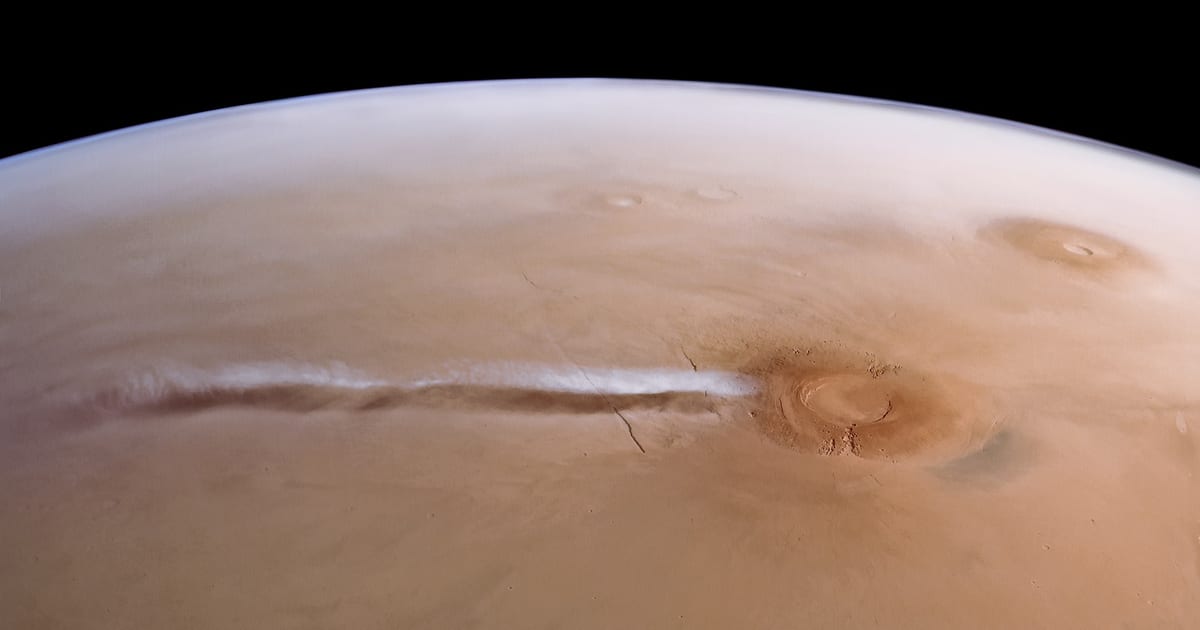
Space weekly recap, September 19 - 25, 2026: Key stories you may have missed
From NASA welcoming new signatories to the Artemis Accords to scientists discovering a surprising compound on a distant gas giant, it's been another eventful week in the realm of spaceflight and astronomy. Here is a brief recap of some of the major updates that you might have missed.
1) NASA assembles panel to examine astronaut health risks ahead of Artemis missions
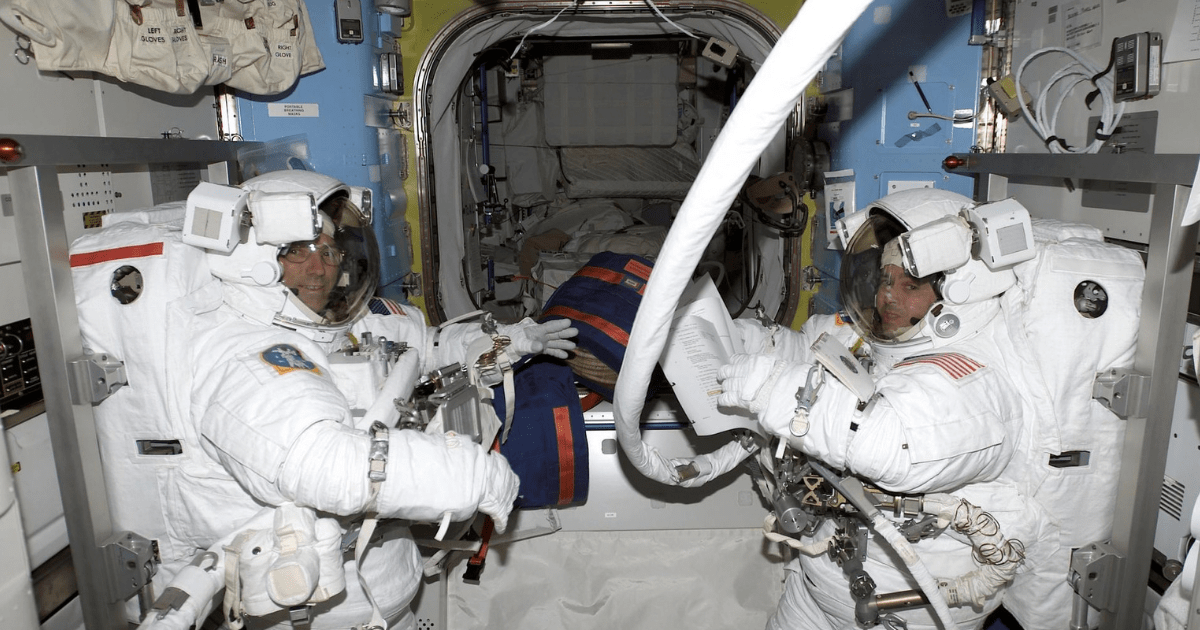
NASA announced on Tuesday, September 22, that it had assembled a panel of experts to review the latest data on the various physiological challenges, such as decompression sickness and blood clots, experienced by astronauts. This review was conducted keeping in mind NASA's plans with its Artemis program, which aims to return humans to the Moon by 2028. The panel, consisting mostly of medical professionals, looked into how astronauts have responded to various spaceflight protocols set by NASA and made recommendations built on three previous reports. One of these recommendations was the establishment of clear protocols regarding the use of medications like aspirin by astronauts to prevent decompression sickness and relieve pain.
2) SpaceX planning two Starship V3 flights in October
This is super provisional!
— NSF - NASASpaceflight.com (@NASASpaceflight) September 24, 2026
Starship Flight 15 - NET October 19
Starship Flight 16 (Starlink 30-1) - KSC 39A - NET October 30.
You can bet those dates will slip, but it shows some of SpaceX's forward planning. pic.twitter.com/aB7KihBsH8
While SpaceX is going to attempt its most ambitious Starship mission yet on September 28, sending the mega rocket on its first orbital flight, the following two launches could take place in the month of October itself. Federal Aviation Administration documents indicate that Flight 15 and 16 could take place on October 19 and 30, respectively. The latter could even become the first Starship launch to take place at Launch Complex 39A at the Kennedy Space Center in Florida. As with earlier Starship missions, however, there is always a good chance that these dates might change.
3) Google getting ready for first in-orbit test of Project Suncatcher
We’re sending TPUs to space (yes, really).
— Google (@Google) September 24, 2026
After years of research, we’re launching a satellite to evaluate if and how Google Tensor Processing Units (TPUs) hold up in orbit.
The test mission, as part of our latest moonshot — Project Suncatcher — is designed to gather data… pic.twitter.com/LaPuYonb3w
Google announced on Wednesday, September 24, that it will launch a prototype satellite for its Project Suncatcher AI constellation on October 1. The objective is to see how Google chips, called tensor processing units (TPUs), perform in space. The satellite will be carrying four of these TPUs and will launch atop a SpaceX Falcon 9 rocket from the Vandenberg Space Force Base in California as part of the Transporter-18 rideshare mission. The 58-minute launch window will open at 11:18 a.m. PDT (2:18 p.m. EDT). A backup launch opportunity is also available on October 2 at the same time.
4) NASA welcomes three new signatories to Artemis Accords
Welcome to the Artemis Accords, Côte d'Ivoire 🇨🇮
— NASA (@NASA) September 24, 2026
Côte d'Ivoire is the 75th country to sign the Artemis Accords. In doing so, they commit to a common set of principles for a safe, peaceful, and prosperous future in space. https://t.co/lT9f9Kooo2 pic.twitter.com/9Wf1T1ndGz
NASA welcomed Côte d’Ivoire as the newest and the 75th signatory to the Artemis Accords on Thursday, September 24, with Albania and Croatia also signing this week. The Artemis Accords were established in 2020 by the space agency, the State Department, and seven other founding nations in response to the growing interest in lunar activities by both governments and private entities. Each signatory to the Accords commits to a common set of principles ensuring peaceful and collaborative exploration of outer space consistent with the Outer Space Treaty of 1967 and other such agreements.
5) Scientists find first convincing 'microblazar' in our galaxy
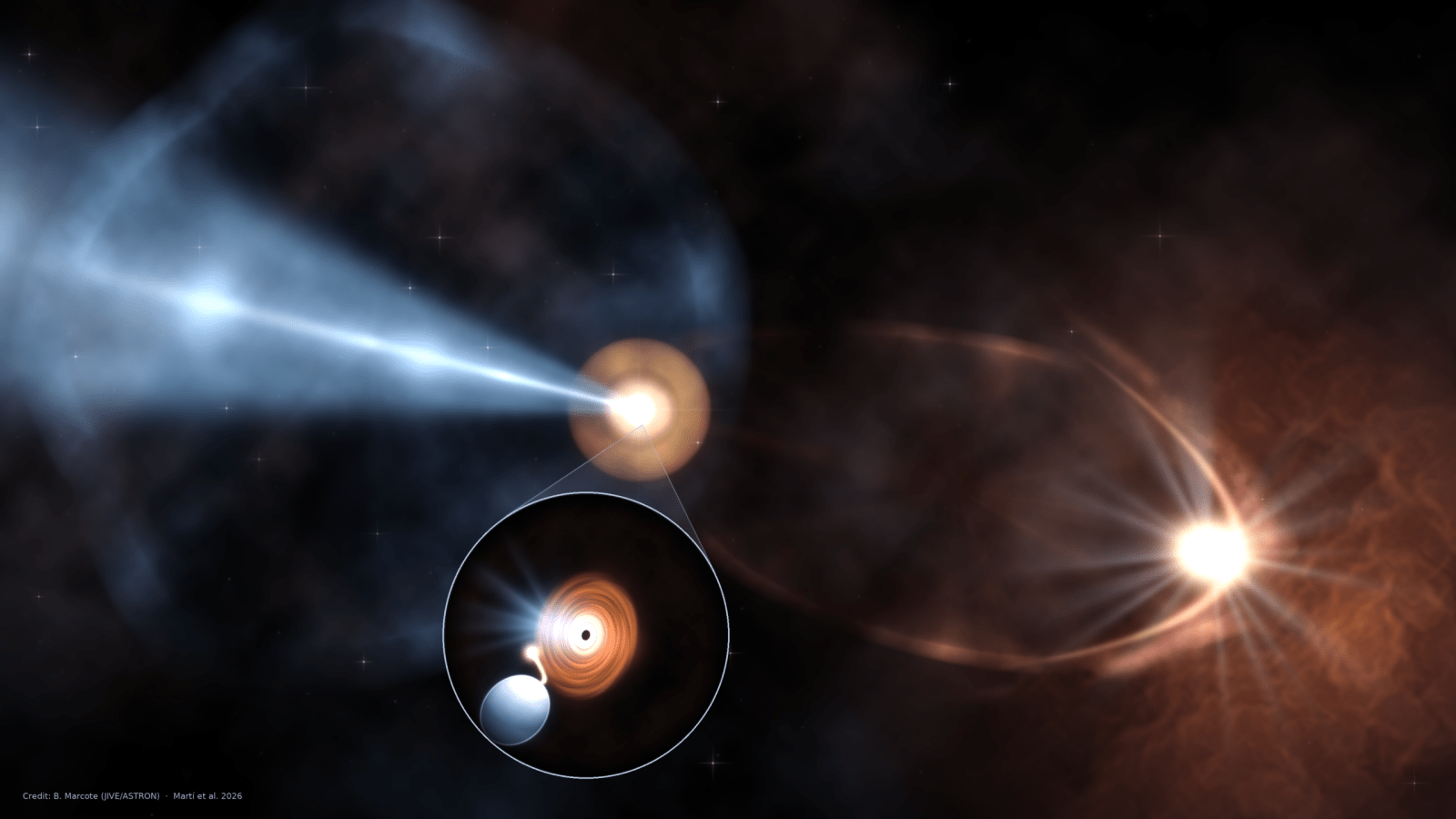
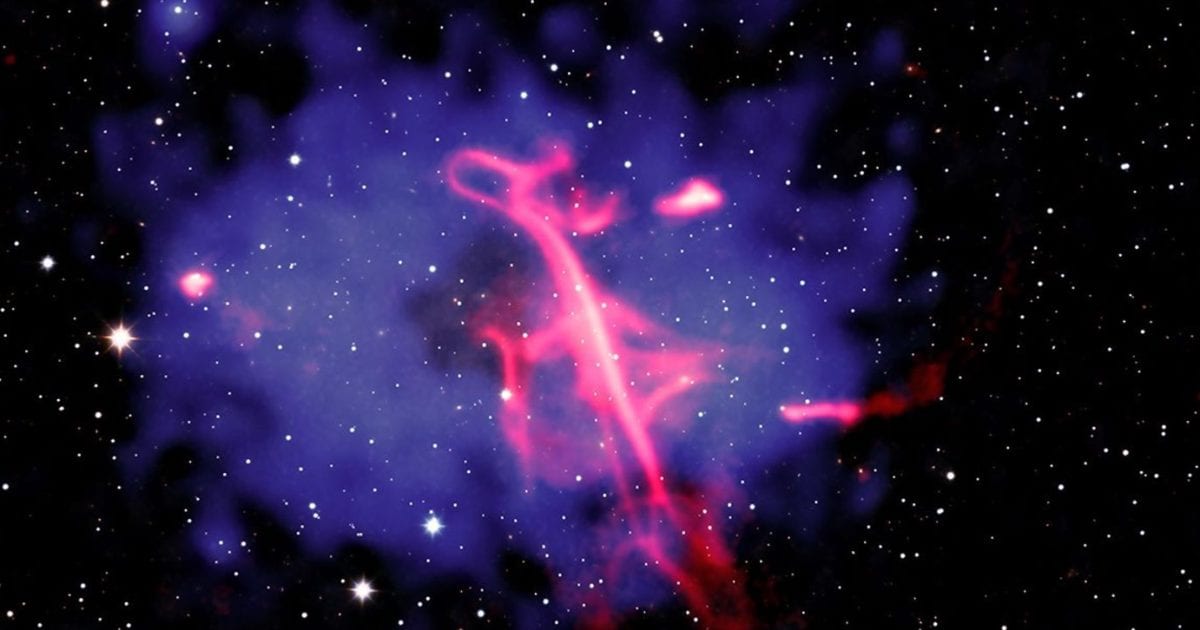
An international team of scientists led by astronomers from Spain, Argentina, and the Netherlands have found an odd binary system hidden in our universe. The system, called IRAS 18293−0941, is made up of a star that is orbited by a black hole and is located about 12,000 light-years away from us. The black hole is understood to be shredding the star apart as it revolves around it, absorbing material and expelling a part of it in the form of two Earth-directed jets at one-third the speed of light. These jets, called 'blazars,' are quite common outside our galaxy. Theories said that microblazars, or miniature versions of these jets, should exist in the Milky Way as well, but IRAS 18293−0941 is the only one that survived close inspection. "Everything about IRAS 18293−0941 was hiding in plain sight," said the University of Jaén's Josep Martí, who's the lead author of the study, in a statement. “It sits behind so much dust that it is essentially invisible in ordinary optical images. It was catalogued decades ago and then more or less forgotten."
6) Scientists surprised by compound detected on distant gas giant
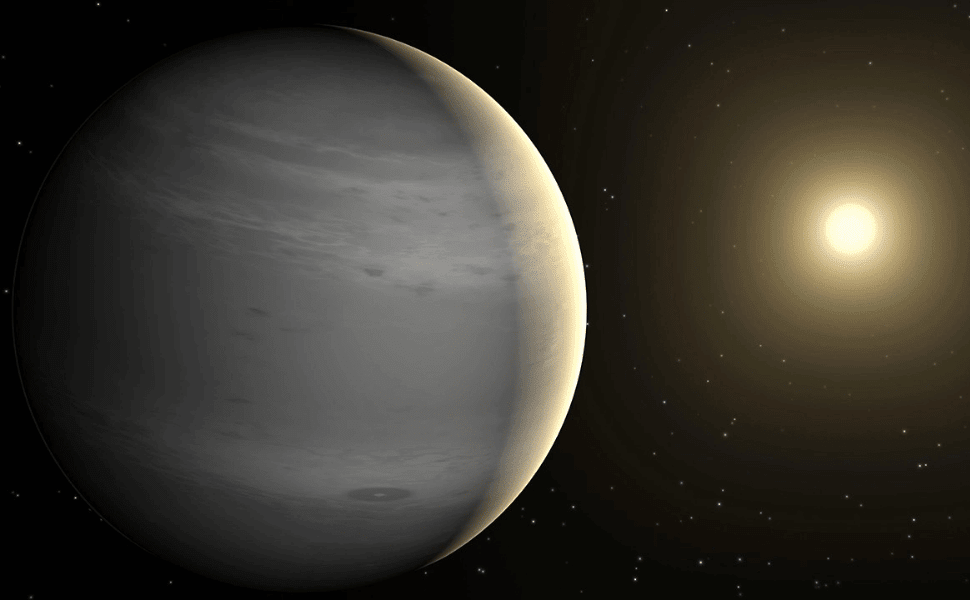
NASA's James Webb Space Telescope has discovered carbon disulfide in the atmosphere of a gas giant 241 light-years away. The planet is known as TOI-6894 b and orbits a dwarf star 5 times smaller than the Sun. But what is so great about detecting a sulfur compound on an exoplanet? Well, the team of scientists was able to use the compound along with other factors to look into the planet's composition. They found that the carbon, nitrogen, oxygen, and sulfur content of the planet are very similar to those on Jupiter. This is despite the fact that the star system is very different from ours, and TOI-6894 b orbits the star 200 times closer than Jupiter orbits the Sun. The detection, reported in The Astrophysical Journal Letters, thus shows that even gas giants orbiting a small, faint star can have chemical compositions similar to most other planets and could have formed the same way.
7) Scientists may have been wrong about asteroid Bennu's origins
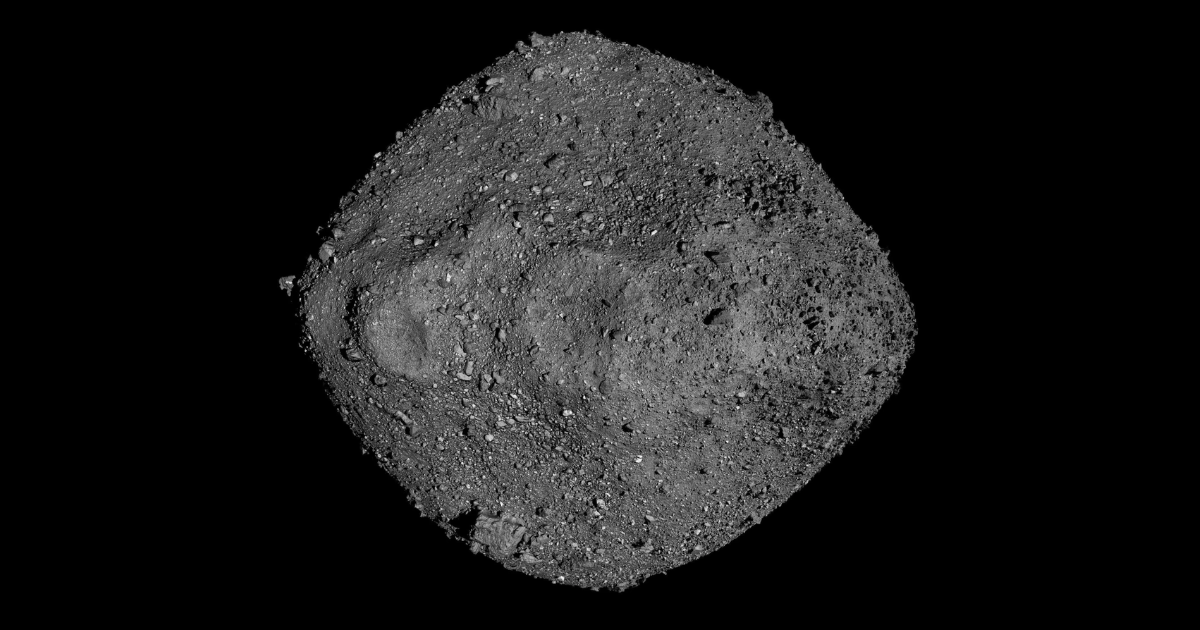
A study published on Wednesday suggests that the asteroid Bennu may have formed in a region that is different from where it was thought to have originated. The study, which analyzed samples collected by the now OSIRIS-APEX probe, indicates that the asteroid may not have formed in the outer regions of the Solar System as previously assumed. Instead, it may have taken shape close to the water-ice line, the boundary where water vapor freezes. "Bennu is a hybrid: the material does not clearly match either the inner or the outer Solar System," said lead author Maria Schönbächler in a statement.
8) ESA signs contract with ClearSpace for development of servicing spacecraft
We’re working with ClearSpace to develop Phoenix, a spacecraft designed to dock with satellites in geostationary orbit and help extend their operational life.
— European Space Agency (@esa) September 23, 2026
Together, we’re advancing European capabilities to service satellites and extend their operational life.
🔗… pic.twitter.com/bG0jjGfwSE
Geostationary satellites orbit over 22,000 miles away from Earth, providing services like communications, weather monitoring, and broadcasting. However, their orbital lifespan is limited by the fuel they carry. To address this problem, the European Space Agency (ESA) on Tuesday signed a contract with in-orbit servicing company ClearSpace for the development of the Phoenix satellite. Its objective will be to travel to satellites and service them to extend their lifespan. It will come equipped with a special system that will allow it to dock with even those satellites that were never meant to be serviced.
Here are our five most-viewed space stories from this week
NEOMIR: Europe’s proposed mission might save Earth from dangerous asteroids hiding in Sun’s glare
Radio signals seen directly from an exoplanet for the first time—here's what astronomers found
International Space Station gets crowded after Progress 96's arrival, hosts five spacecraft