Can nuking an incoming asteroid on short notice save Earth? This new study has an answer
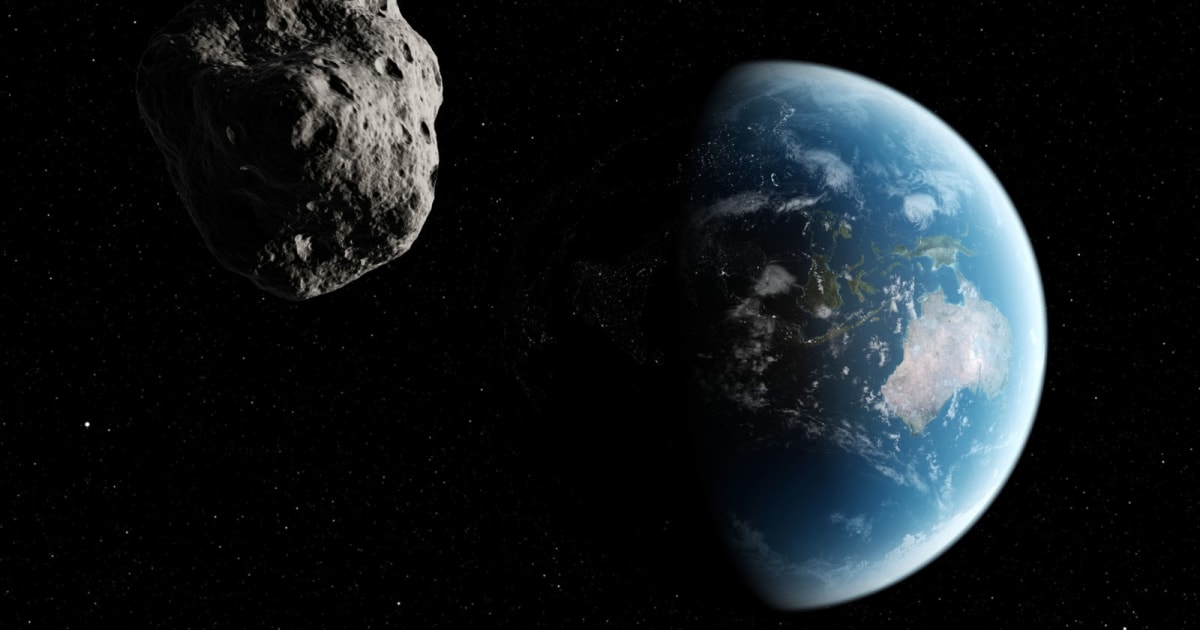
There’s a statistically possible, albeit incredibly rare, scenario that an asteroid might one day strike Earth again and cause another mass extinction—like the one that wiped out the dinosaurs 66 million years ago. While scientists are acutely aware of this existential threat, there isn’t a rapid-response defense in place as of today to knock a massive asteroid off its course if one heads our way on short notice. Now, researchers from China have come up with a plan for deflecting potential planet-killing rocks using nuclear devices, which are believed to be our best bet to tackle threats with minimal warning time.
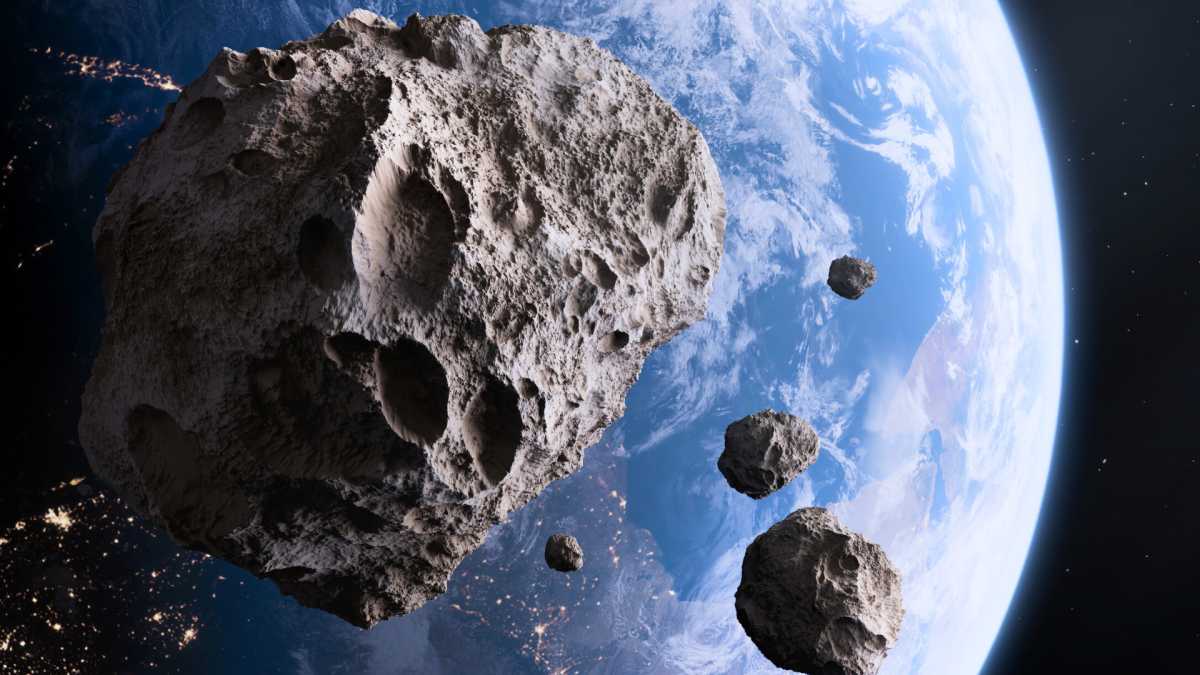
Fortunately, there is no known asteroid on a collision course with Earth for at least 100 years, NASA says, but there are several near-Earth objects that may sneak up on us and cause wide-scale devastation.
Can a nuke save Earth from an asteroid?
The new paper was published in Space: Science & Technology by researchers at the China Academy of Launch Vehicle Technology, who examined two scenarios where nukes may work. The first is pretty straightforward—launch a missile into the asteroid and hope the nuclear device is powerful enough to knock it off its course. However, because there is no air in the vacuum of space to carry a concussive blast wave, this doesn't work via a traditional explosion. Instead, the intense radiation instantly vaporizes the asteroid's surface layer. This rapid blow-off of vaporized rock acts like a giant rocket thruster, pushing the asteroid in the opposite direction. This method is fast and isn’t as complex from an engineering standpoint. The second scenario involves the ‘flyby pre-excavation detonation mode,’ in which a tandem kinetic impactor system strikes an asteroid back-to-back in the exact spot. Once the first payload impact creates a deep crater, a second payload carrying a nuclear device follows it into the crater and detonates for maximum deflection. The initial impactor will follow the same concept as NASA’s DART mission, which intentionally smacked an asteroid moonlet and changed its orbital period in September 2022.
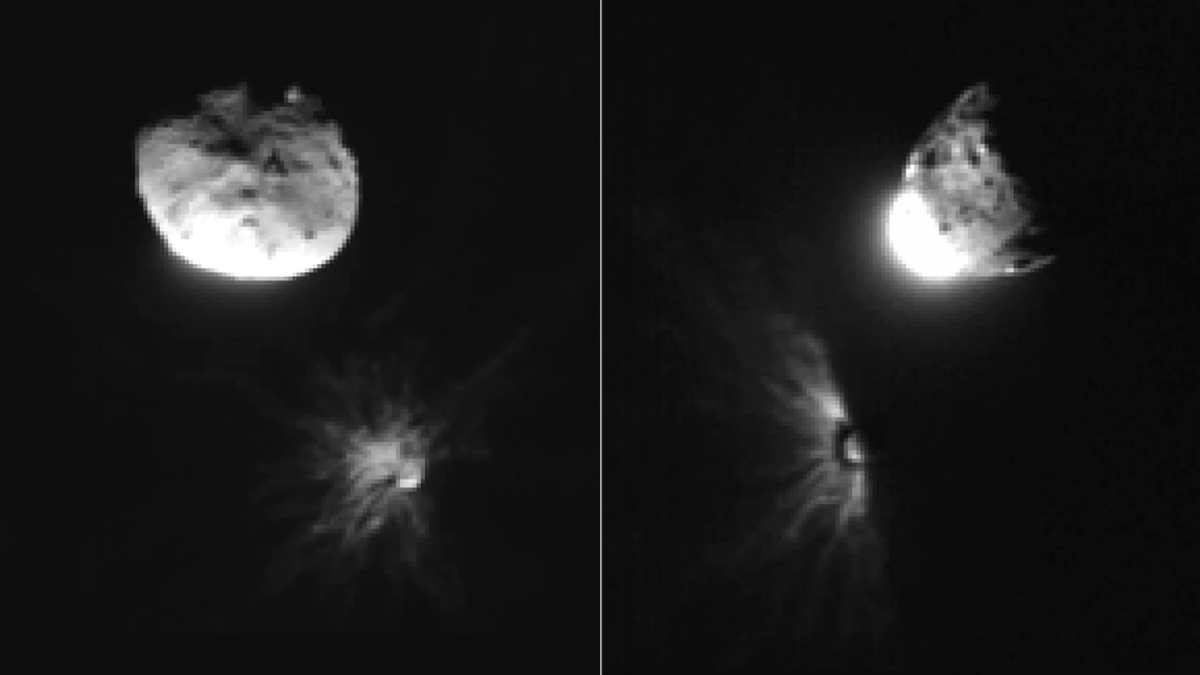
The authors call the latter ‘penetrating detonation,’ which would work better according to their simulations. A major reason for its effectiveness is the high ‘coupling energy’ (the transfer of energy from the nuke to the asteroid) that results from detonating the nuclear device deep inside the rock. With a surface detonation in scenario 1, the coupling energy will be very low, and choosing the perfect detonating spot on the asteroid would be impractical if the nuke is being launched on short notice. Besides, the surface detonator will have to survive impacts from the debris field surrounding the asteroid and explode with microsecond precision.
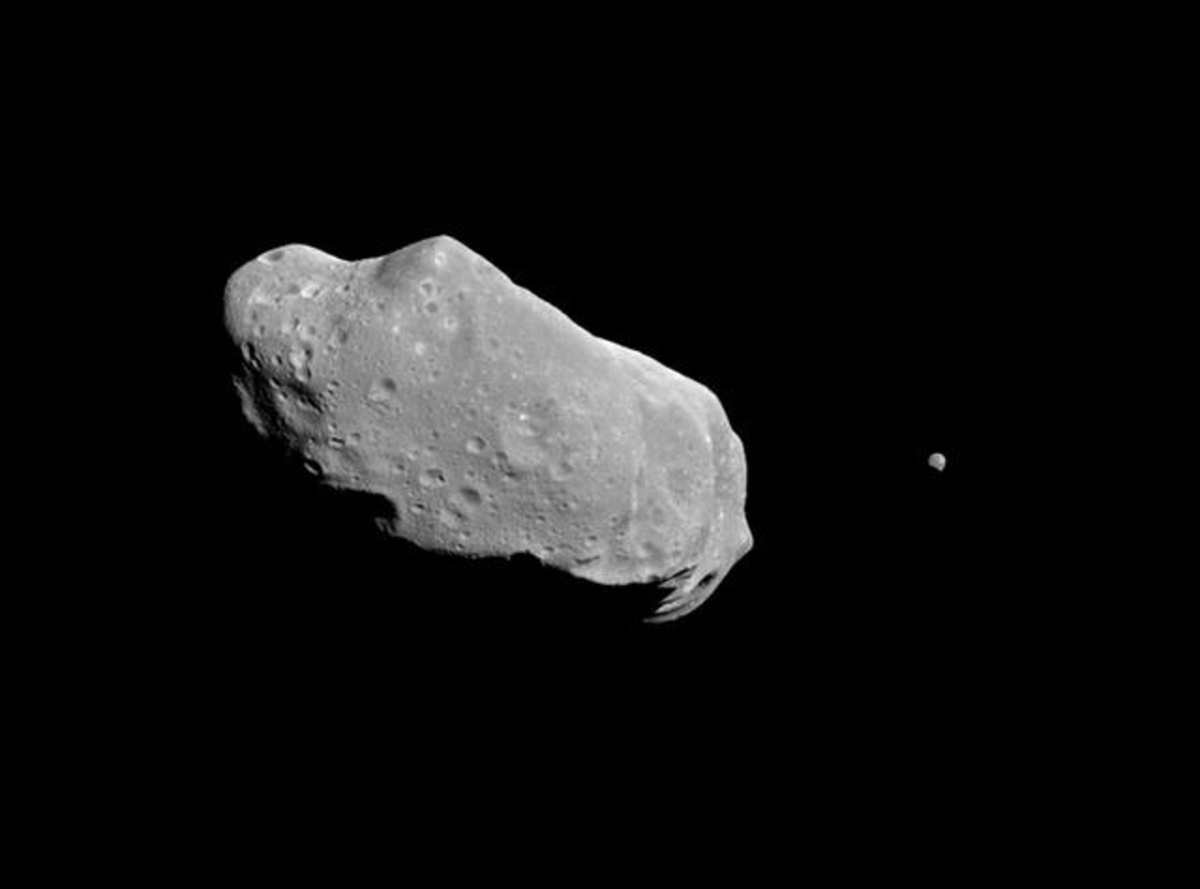
Simulations showed that firing a 3-megaton nuke at a 0.6-mile-wide asteroid changed the asteroid's velocity by only 9.2 cm per second in scenario 1, whereas detonating the same nuke in a 30-meter (98-foot) crater created by the pre-excavation process changed the velocity to 30 cm per second or more. This proved that the coupling energy in the second method is over three times higher, although it poses even greater technical challenges than the first one.
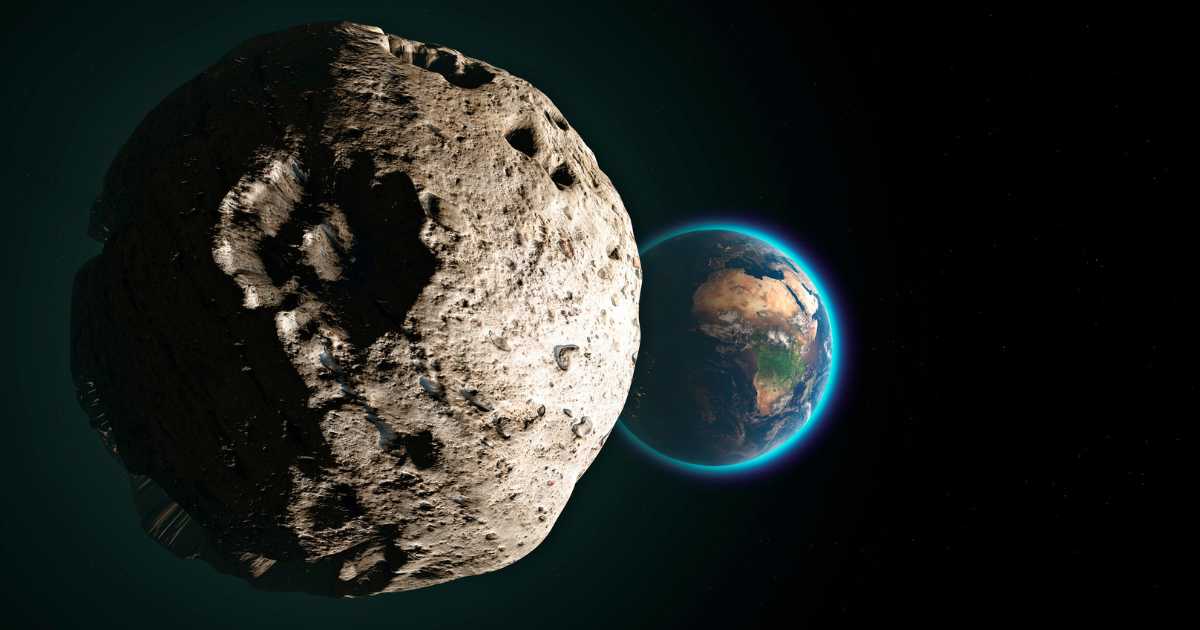
One major challenge in scenario 2 would be finding the perfect detonation spot, launching the impactors to match the asteroid’s exact speed and orbit, and ensuring they impact precisely at the chosen location. It gets even more complex, as the nuclear bomb must then be autonomously guided into the excavated pit for this to work. Besides, the simulations used for this study have some limitations. They’re modeled for asteroids that are solid basalt, whereas in reality, most hazardous asteroids are believed to be ‘rubble piles’—a loose collection of dust, rocks, and boulders held together by gravity. It can’t be said for sure that nuking such an object from the inside out would work the same way as on a solid boulder.
More on Starlust:
Meteorite that broke over Mexico reveals how ancient stars sowed the seeds of our solar system
Mysterious asteroid 44 Nysa may be the first known three-lobed world. It even has a moon