ESA and JAXA's Ramses probe powers up ahead of a rare close encounter with asteroid Apophis
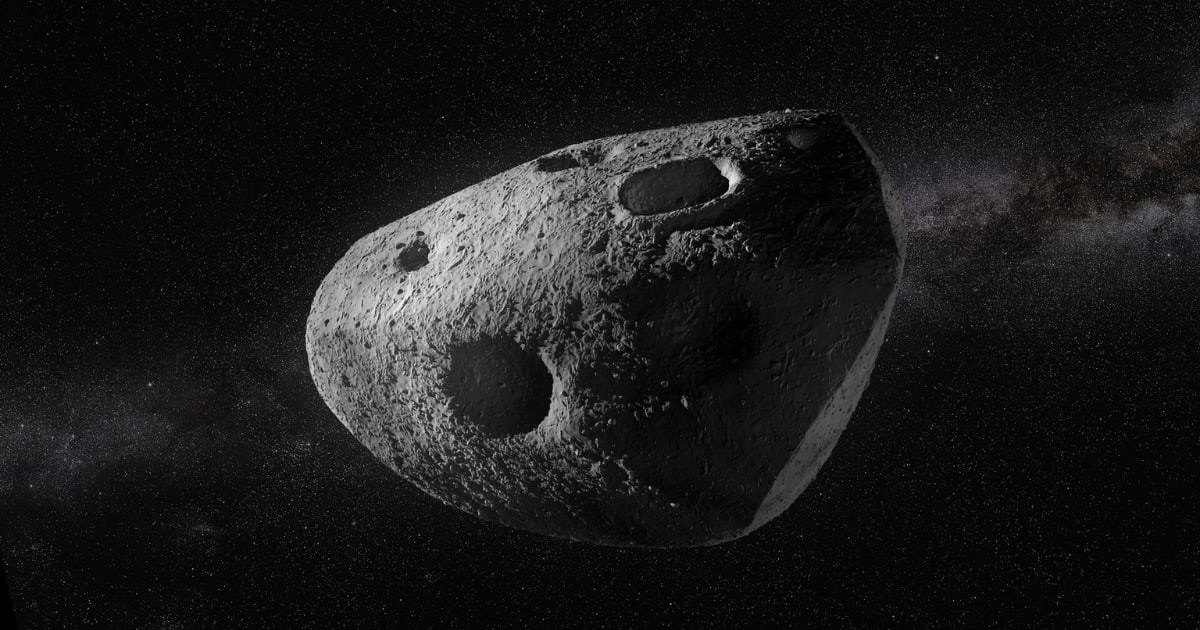
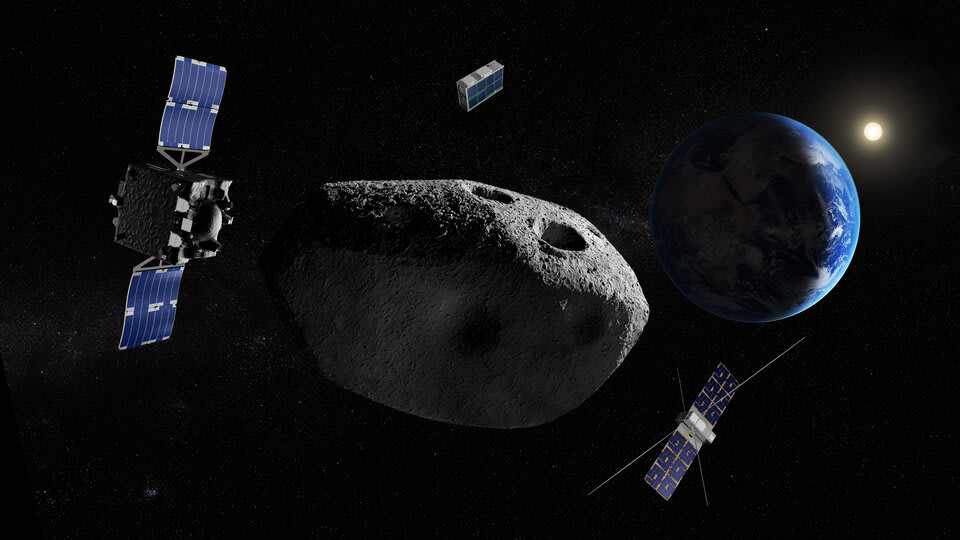
The European Space Agency’s (ESA) and the Japan Aerospace Exploration Agency’s (JAXA) joint spacecraft named Ramses is being built to meet the asteroid Apophis during its close flyby of Earth on April 13, 2029. Now, its main builder has switched it on for the first time. The power-up happened inside a cleanroom in Milan, Italy. The spacecraft is expected to reach space by Spring 2028 to complete its mission.
Commenting on this, Ramses lead engineer Ingo Gerth said, “For the first time we were able to apply power to Ramses’s On-Board Computer together with its integrated subsystems inside the spacecraft body.” He added, “Now, for the first time we have been able to perform real integrated functional testing, working in unison with other equipment on the satellite. We can now send commands via the computer to each subsystem to verify their performance.”
Will we be able to see Apophis from Earth?
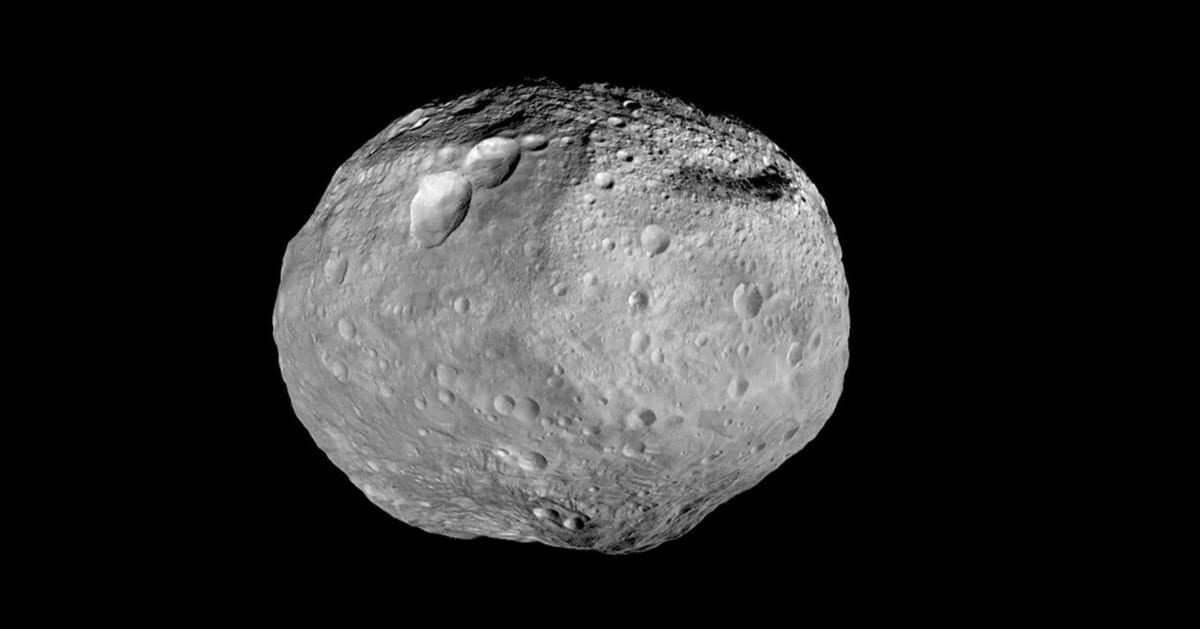
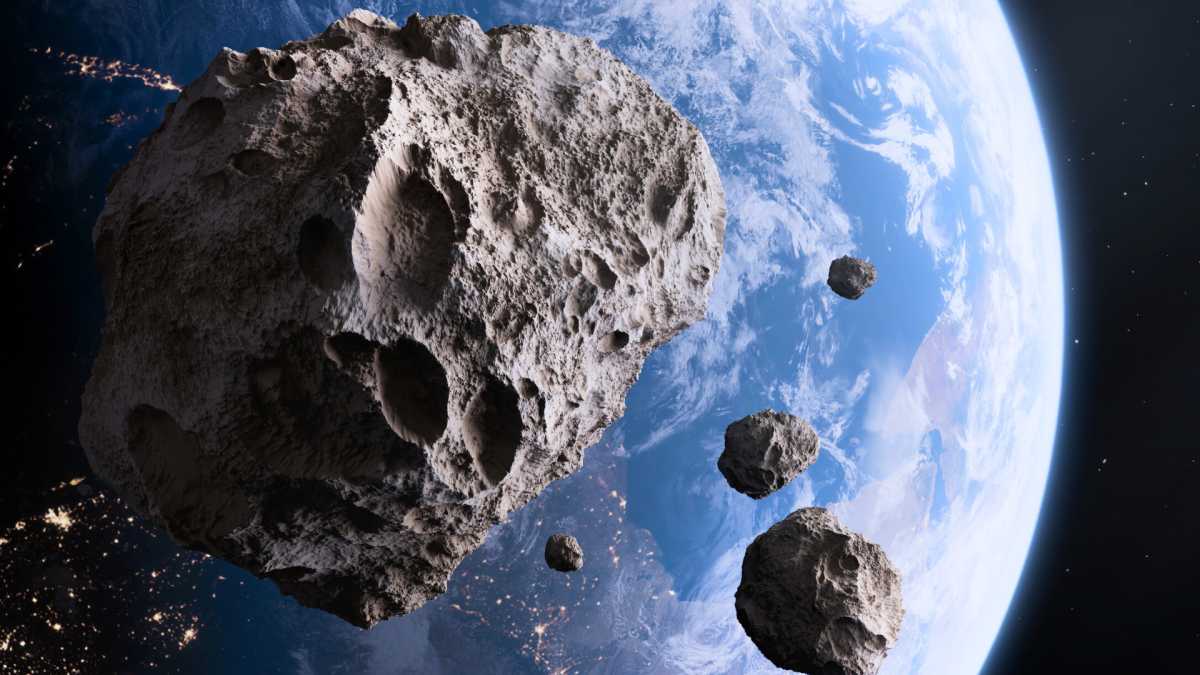
Apophis is roughly 375 meters (about 1,230 feet) across, and astronomers have ruled out any chance of a collision. They do estimate, though, that an object this big comes this close only once every 5,000 to 10,000 years. In 2029, it’s expected that it will pass within 32,000 kilometers (about 20,000 miles) of Earth's surface.
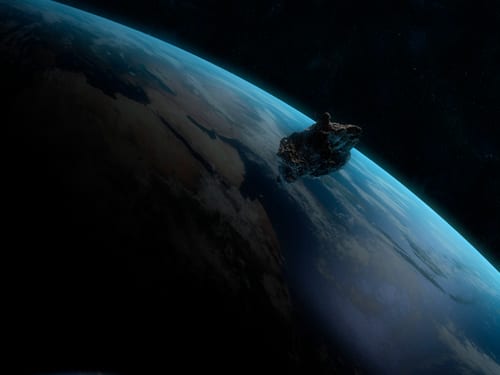
Those who are keeping an eye on this event will be able to spot the asteroid in the sky without any telescope. It will be visible in clear, dark skies to around two billion people across much of Europe, Africa, and parts of Asia.
Why are scientists studying this asteroid?
As of now, studying an asteroid meant that a spacecraft would have to travel far from home and run experiments on its surface. But in this case, Ramses will reach Apophis before it passes Earth and stay alongside it during the flyby. Earth's gravity is expected to stretch and squeeze the rock, which could trigger landslides and expose material buried beneath the surface. Patrick Michel, Director of Research at CNRS at the Observatoire de la Côte d'Azur in Nice, said, "For the first time ever, nature is bringing one to us and conducting the experiment itself."
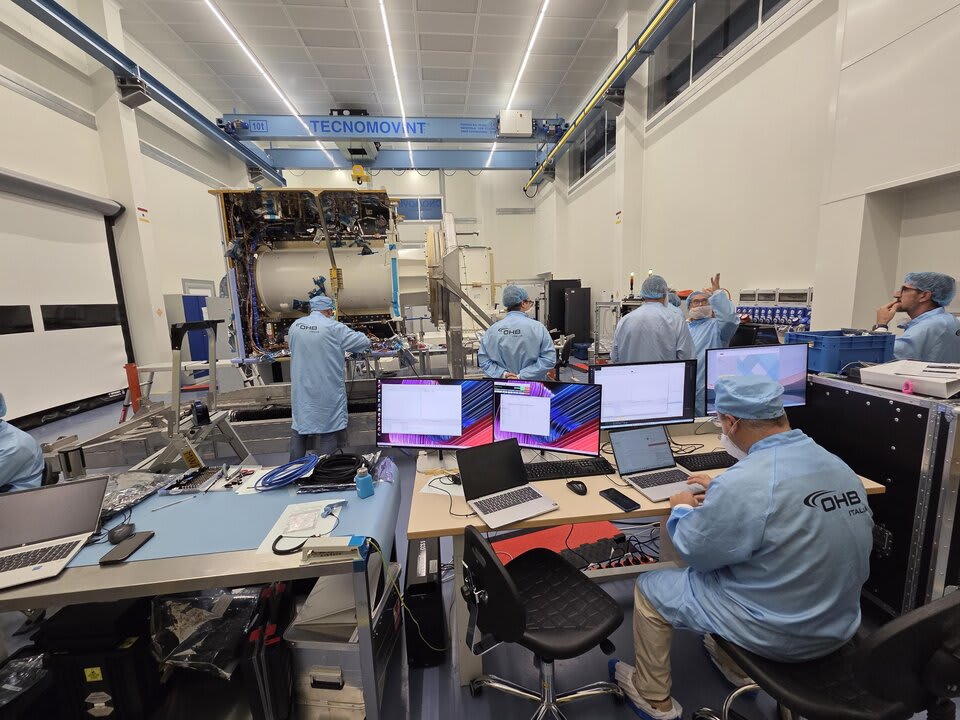
Given the 2028 timeline, engineers built this spacecraft in two halves simultaneously. In Milan, the Core Module, which holds the main electronics, is being assembled around a stand-in for the spacecraft's central cylinder. On the other hand, the Propulsion Module, which has the carbon-fiber core, is being fitted with fuel tanks, sensors, and cabling in Lampoldshausen, Germany.
What’s left before the 2028 launch?
As per ESA, the two halves will be joined next spring at ESA's ESTEC Test Centre in Noordwijk, the Netherlands. This will mark the start of the pre-flight testing phase. If the testing goes well, Ramses and its two small CubeSat companions will launch on a Japanese H-3 rocket in spring 2028.
ESA project manager Paolo Martino explained, "This moment really marks a completely new phase for the project; everything beforehand was just paper calculations, simulations or unit tests, but now we have an actual spacecraft, ready for our full-scale integrated system testing to begin."
More on Starlust:
ESA’s Jupiter-bound JUICE spacecraft to use the Moon for a 'test run' before approaching gas giant
Mars looks purple in a stunning new ESA image. Here's what's behind the color