NEOMIR: Europe’s proposed mission might save Earth from dangerous asteroids hiding in Sun’s glare
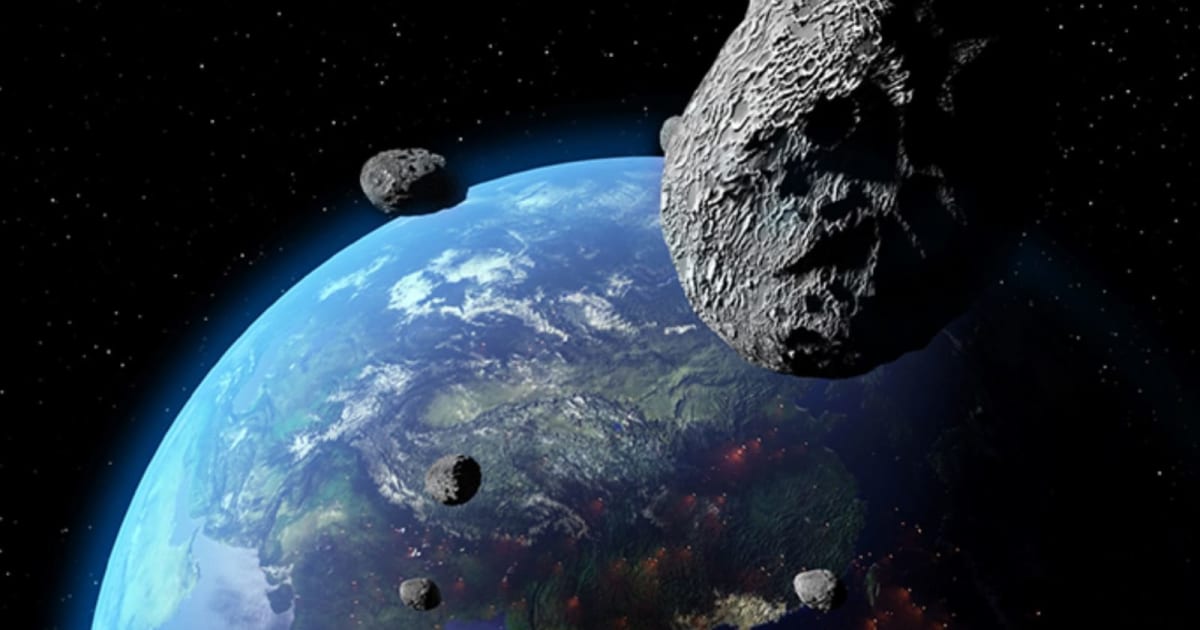
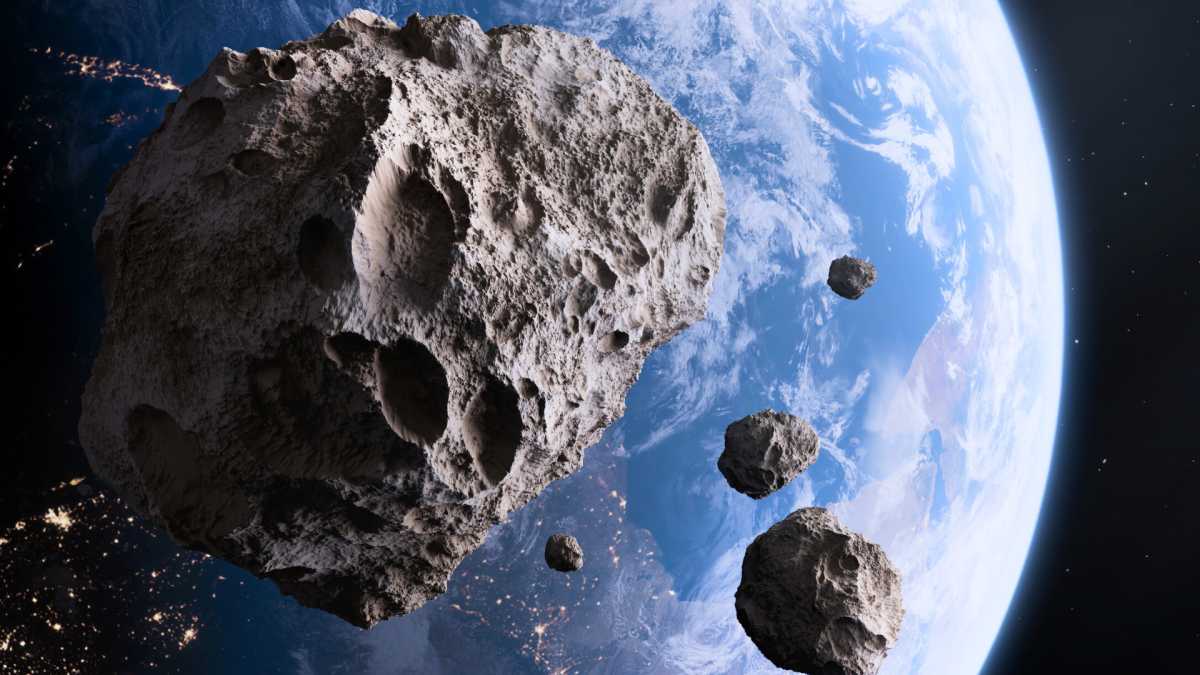
In recent years, scientists have made serious investments towards building a defence for Earth as it could face destruction due to asteroids that are hard to track. As important as it is to deflect a hazardous incoming asteroid, spotting it early and enabling evacuation of possible impact sites is also an important part of our defence. Scientists have tracked almost all asteroids larger than 1 kilometre (0.6 miles) in our solar system but the smaller ones, especially those that may sneak up on the us hiding in the Sun's glare pose one of the greatest dangers to humanity.
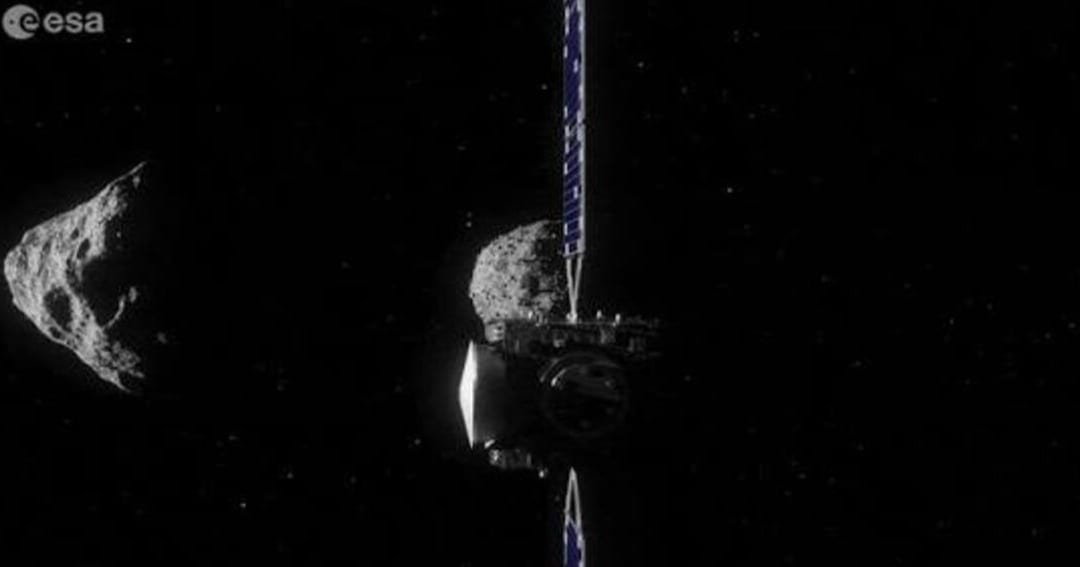
ESA's proposed Neomir spacecraft will use the infrared to spot asteroids hidden in the Sun's glare. It is a planetary defence mission but one with considerable scientific potential - as shown in this week's inaugural Neomir Science Workshop in Nice, 🇫🇷 https://t.co/bzO5SNiUnO pic.twitter.com/JCO1qL3gEW
— ESA Operations (@esaoperations) September 18, 2026
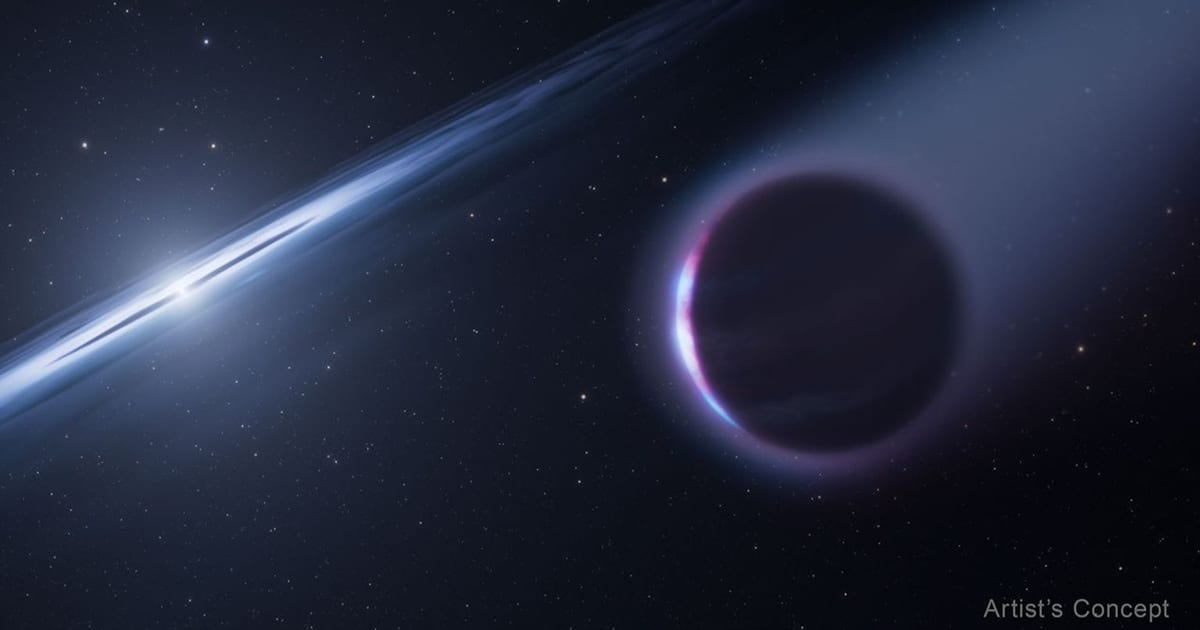
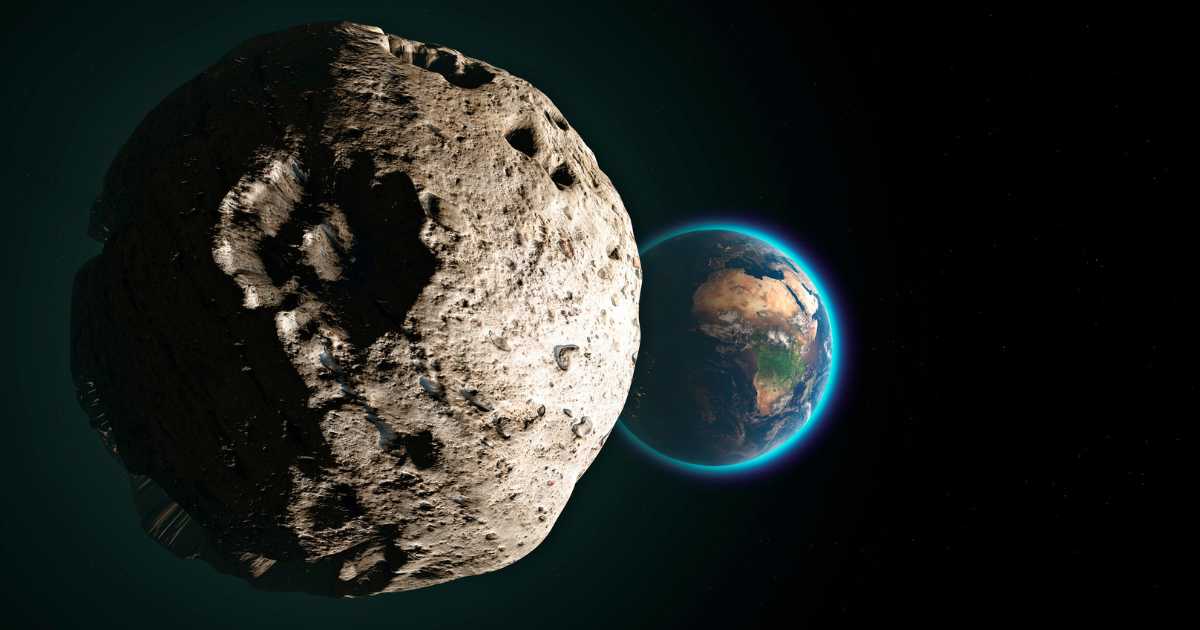
In order to discover such space rocks, the European Space Agency (ESA) has proposed a new mission that will track asteroids that might head towards us from the direction of the Sun and cannot be seen from the ground. This endeavour is named Near-Earth Object Mission in the Infra-Red or NEOMIR that will be installed in space—at the Earth-Sun Lagrange Point 1 (L1) about a million miles away from our planet. Asteroids that are crossing the face of the Sun or even flying near it are really hard to trace as they are outshone by the solar glare. Combined with its strategic location and infrared capabilities, NEOMIR will fill the gaps in current asteroid detection methods.
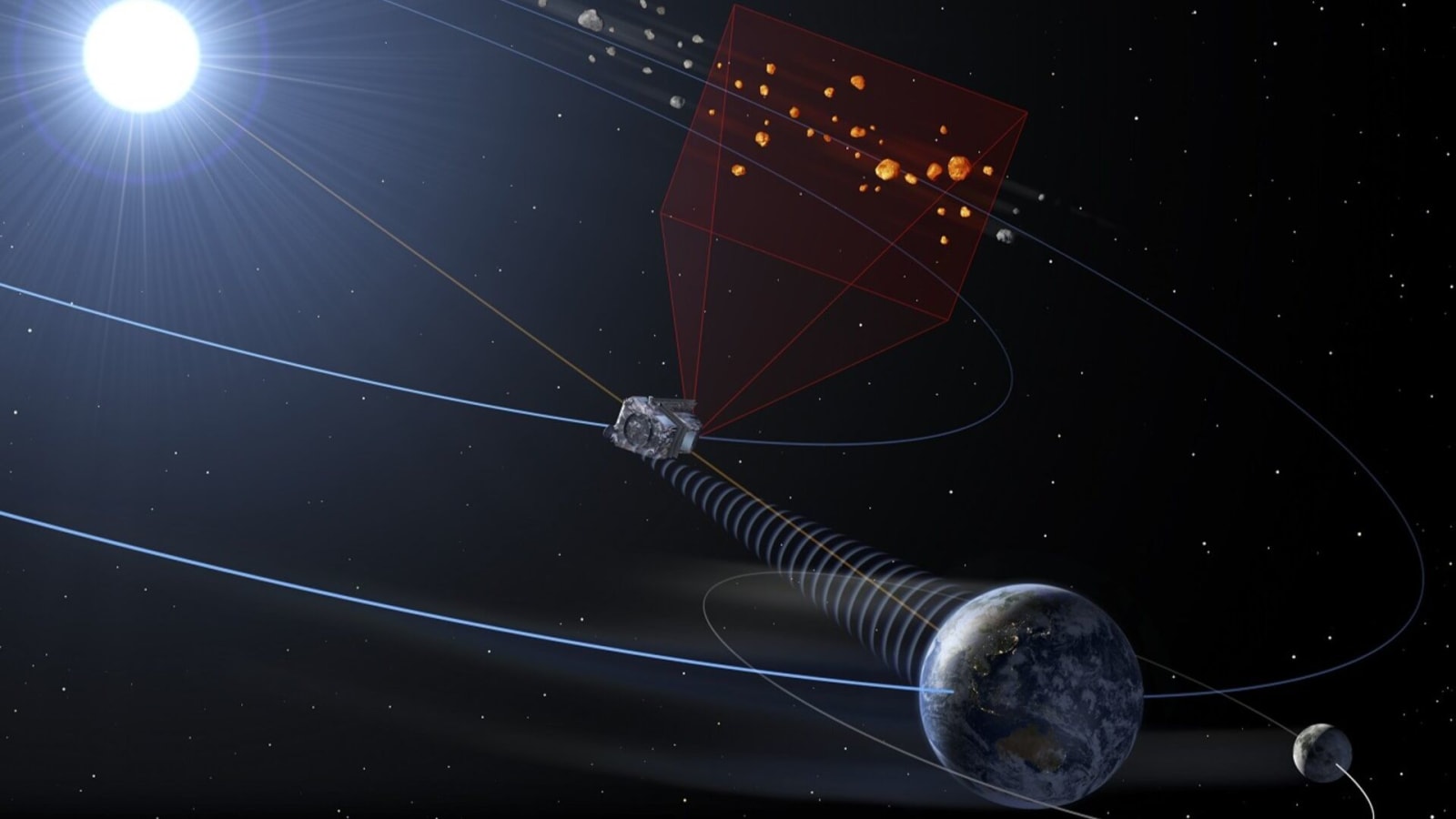
NEOMIR is being touted as an asteroid spotter that will act as an early warning system for asteroids 20 metres or larger in size. This spacecraft will have a half-meter telescope and infrared detectors that will detect heat emitted by asteroids that will not be drowned out by sunlight. While at L1, NEOMIR will monitor a close ring around the Sun as any hazardous asteroid that we cannot currently see will have to pass through this ring. From its special vantage point, the spacecraft should detect asteroids that are heading toward Earth three weeks in advance and if an asteroid passes near the spacecraft (which is the worst case scenario), scientists will still have three days to come up with a solution.
Scientists are currently fleshing out details of the mission that is planned for launch in the early 2030s atop the Ariane 6 rocket. In 2021, the European agency conducted a study to asses the feasibility of NEOMIR and how it could complement NASA's NEO Surveyor mission that has a similar purpose as NEOMIR and is targeted for launch in 2027. “The US-funded mission should fulfil the US Congress mandate to discover 90% of near-Earth objects larger than 140-metres in diameter, while NEOMIR is designed to focus on imminent impactors of any size,” ESA said in a statement.
As of today, the mission is in its early study phase and the spacecraft’s detectors and other electronics are under development. “Industrial research and development projects are planned as supporting activities in parallel,” ESA said.
More on Starlust
These 5 asteroids are passing closer to Earth than you might expect
Asteroid impacts may have helped create microbes that gave Earth its oxygen-rich atmosphere