
About Author
Raj is a science writer at Starlust, where he explores the cosmos, one story at a time. With a background in entertainment journalism and a lifelong love of storytelling, Raj brings a unique narrative lens to the universe — weaving together celestial facts, skywatching guides, and the deeper questions inspired by space.
Raj believes that space writing should not just inform, but spark curiosity. Whether he’s diving into the latest astronomical discovery or decoding the Moon’s daily rhythm, his goal is always the same: to remind us how thrilling it is to be part of a universe this vast.
Latest From Raj Naik
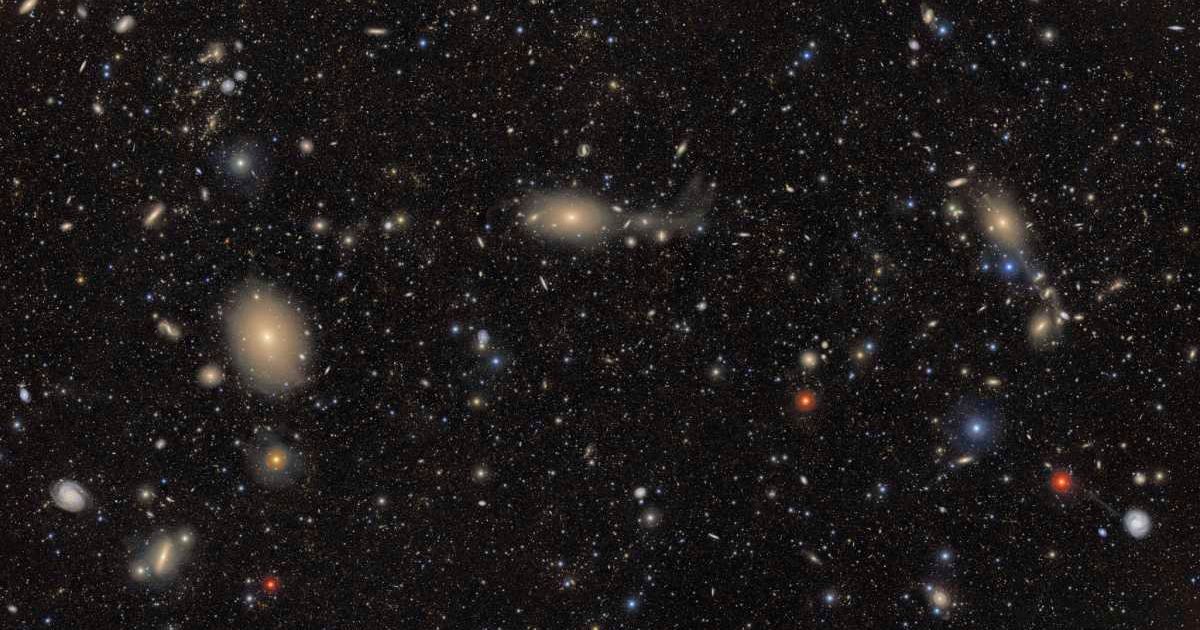
Vera Rubin first look imaging captures stellar stream around spiral galaxy Messier 61
Generated during the initial camera commissioning in June 2025, the discovery stems from the observatory's Virgo First Look images.
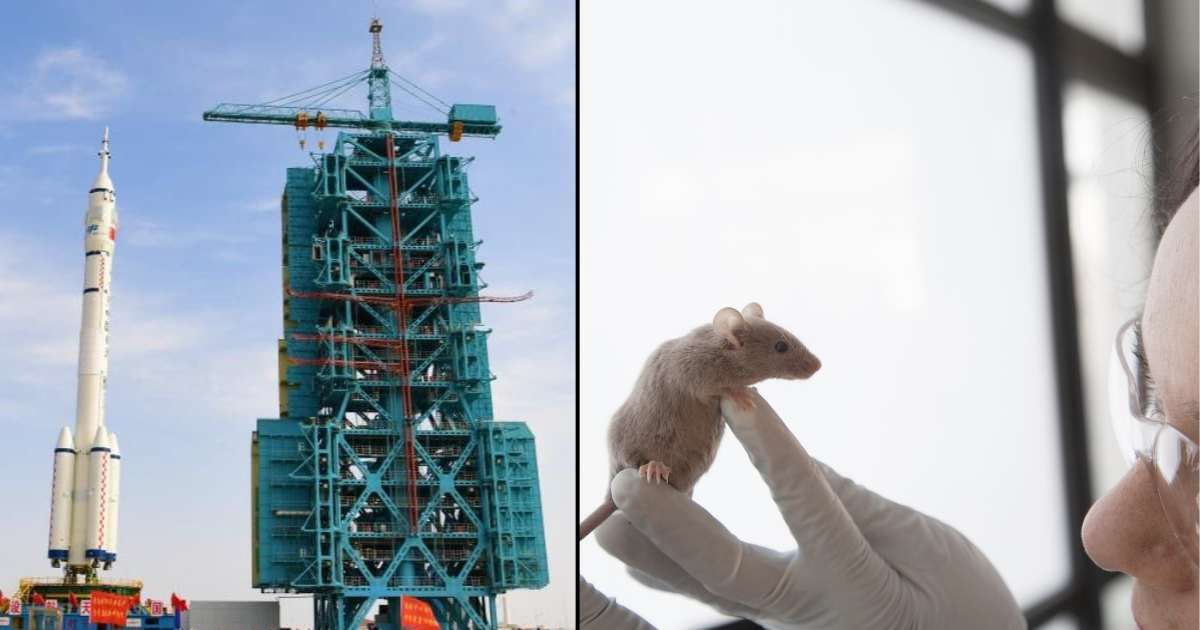
China prepares to launch Shenzhou-21 flight, sending youngest astronaut and mice into orbit
The Shenzhou-21 manned spacecraft launches today at 11:44 p.m. Beijing Time (11:44 a.m. EDT) from the Jiuquan Satellite Launch Center.
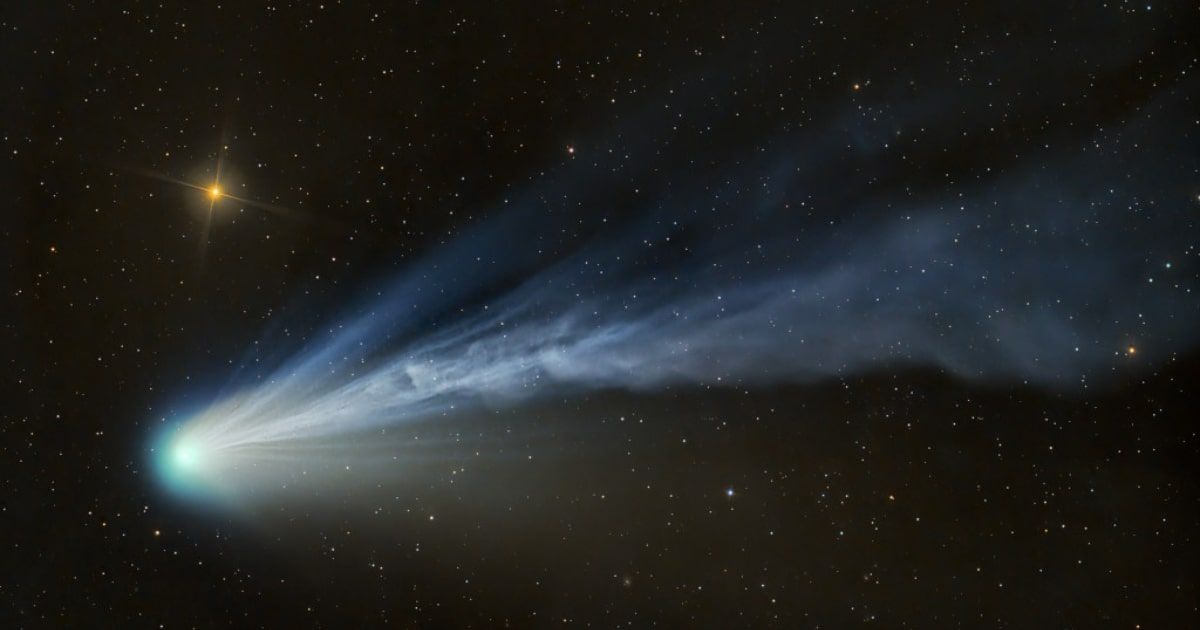
NASA report detects first signs of non-gravitational acceleration in interstellar comet 3I/ATLAS near perihelion
JPL navigation engineer Dr. Davide Farnocchia compiled the data that captured the phenomenon as the comet reached perihelion.
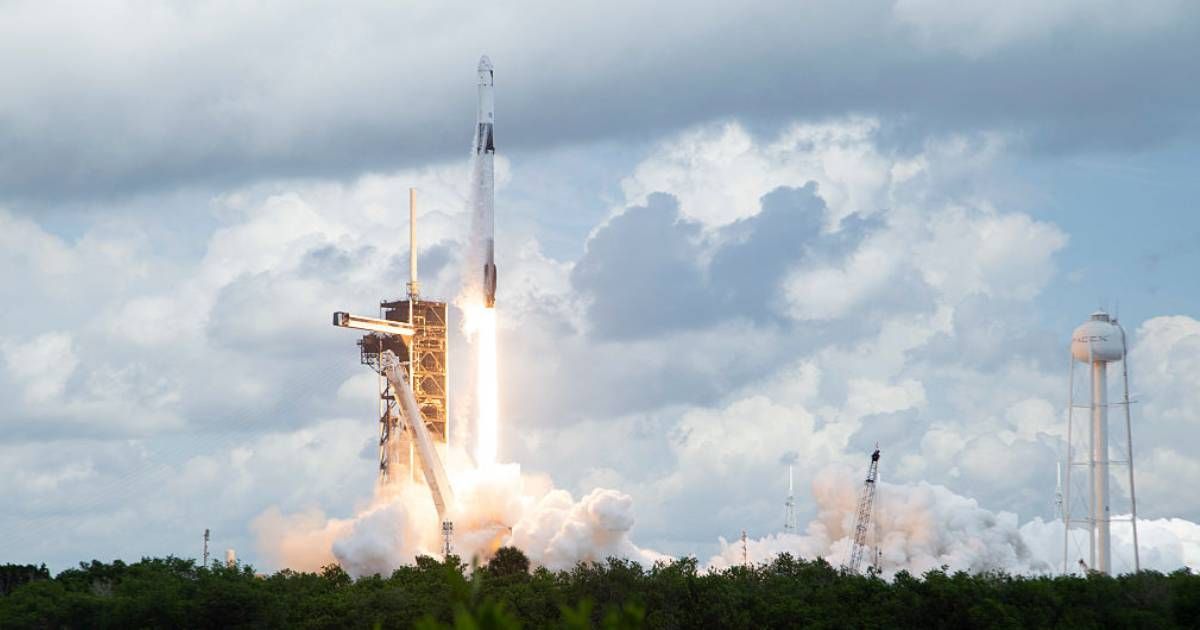
SpaceX to mark milestone with 100th Starlink launch of the year on October 31
This launch will further grow the Starlink constellation, an enormous LEO system that is already the planet's largest satellite network for internet access.
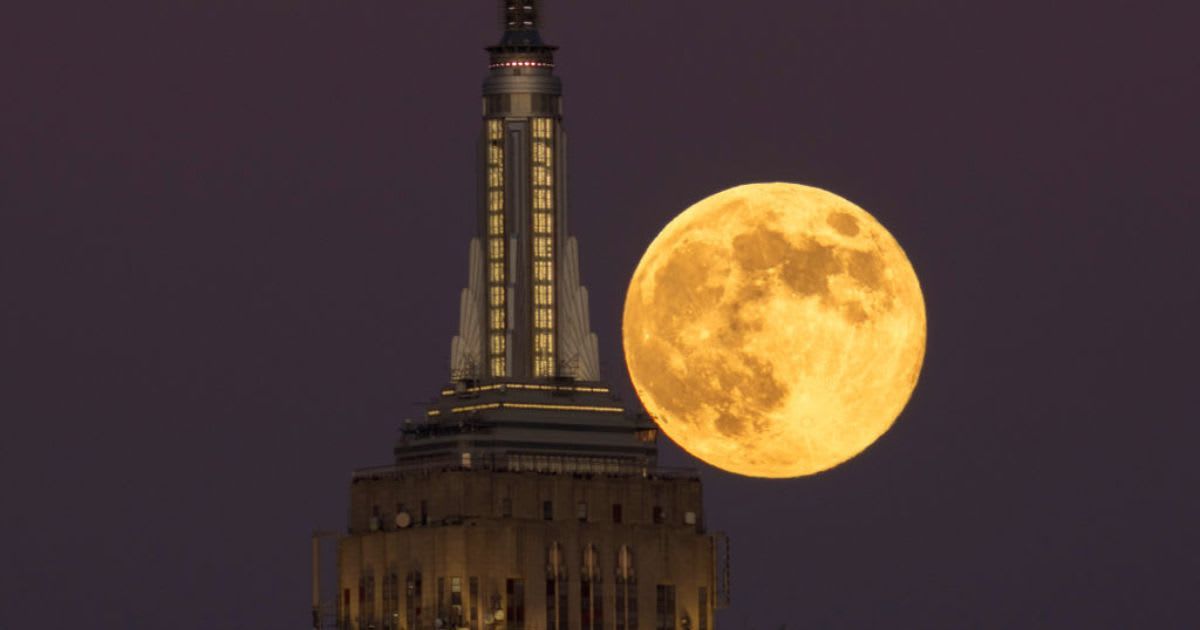
Will the Beaver Supermoon — the biggest of 2025 — be visible in your country on November 5
The full moon on November 5 marks the second Supermoon of 2025.

Harvard astronomer says 8 key anomalies suggest comet 3I/ATLAS may have a 30% chance of being an alien technology
NASA, on the other hand, continues to assert that 3I/ATLAS is a comet of natural origin.
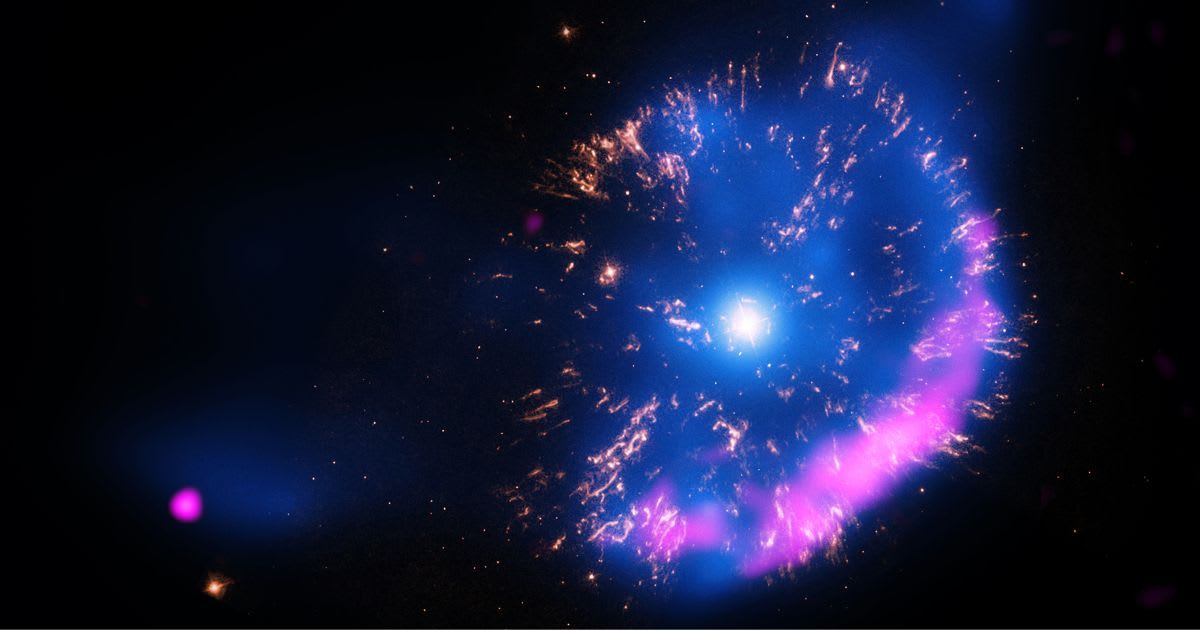
For the first time since 1946, star system T CrB is predicted to explode in a bright nova within 2 weeks
The T Coronae Borealis (T CrB) star system is a recurrent nova known for its predictable, massive explosions.
Astrophysicist says traveling across the universe through wormholes is possible—but there's a catch
Wormholes, conceptual tunnels slicing through spacetime, offer a theoretical shortcut between two distant cosmic points.
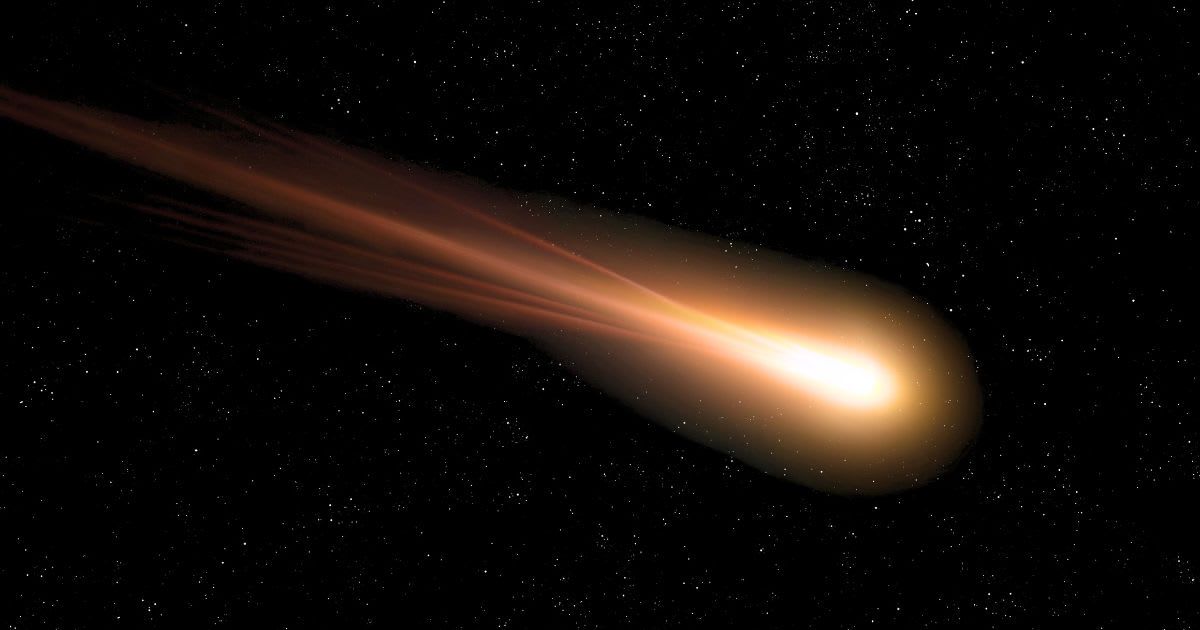
Comet 3I/ATLAS will re-emerge from solar glare in November, faint but visible to limited space telescopes
The highly anticipated interstellar comet is currently invisible from Earth and completely hidden by the Sun's glare.
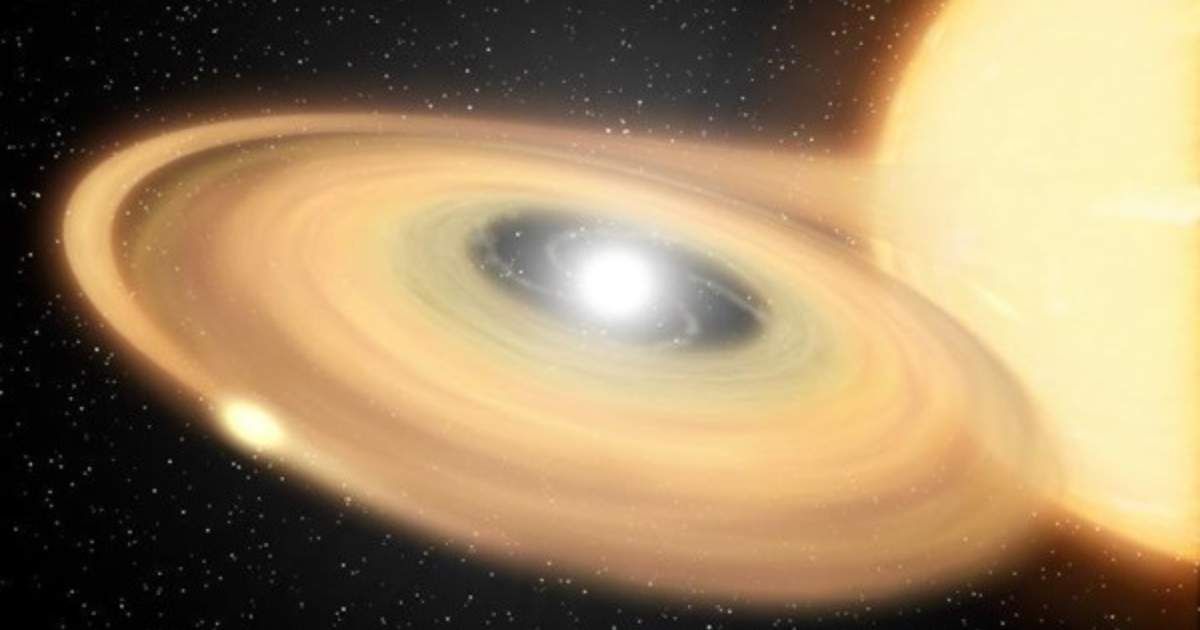
Astronomers predict star system V Sagittae will explode so bright humans can see it in the daytime
The V Sge system features a massive star being intensely cannibalized by a dense stellar remnant, likely a white dwarf or a similar Wolf-Rayet star.
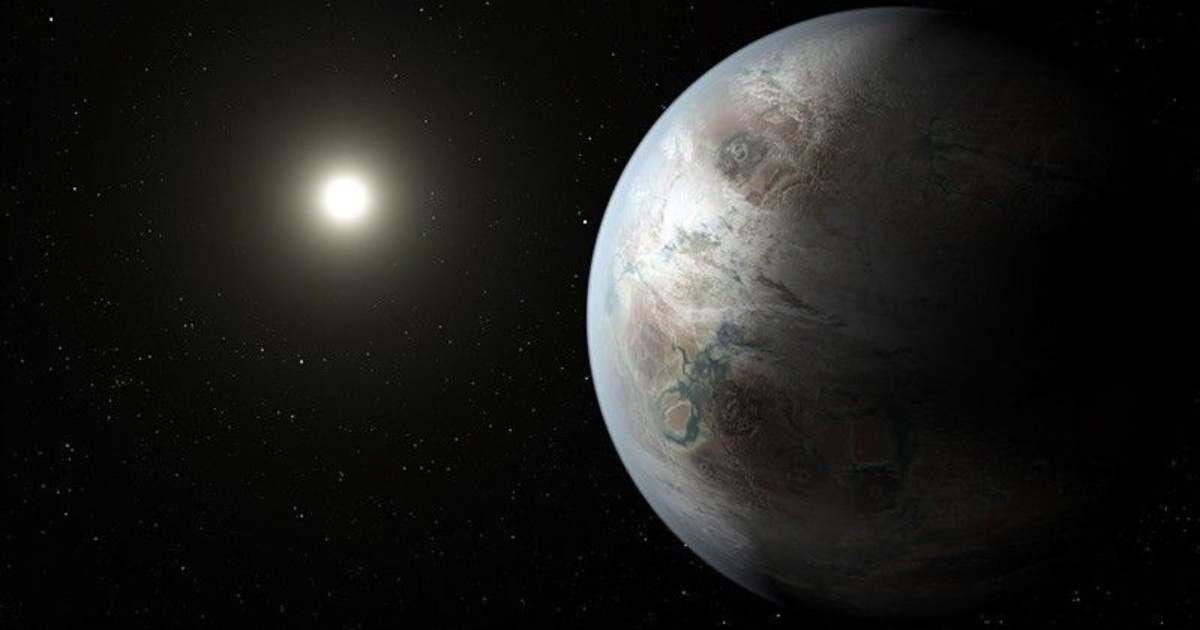
Dual-temperature plasma eruptions from sun-like star rewrite understanding of early Earth conditions
The outbursts were found to be a two-speed, two-temperature blast. This finding drastically changes our view of conditions on early planets like Earth.
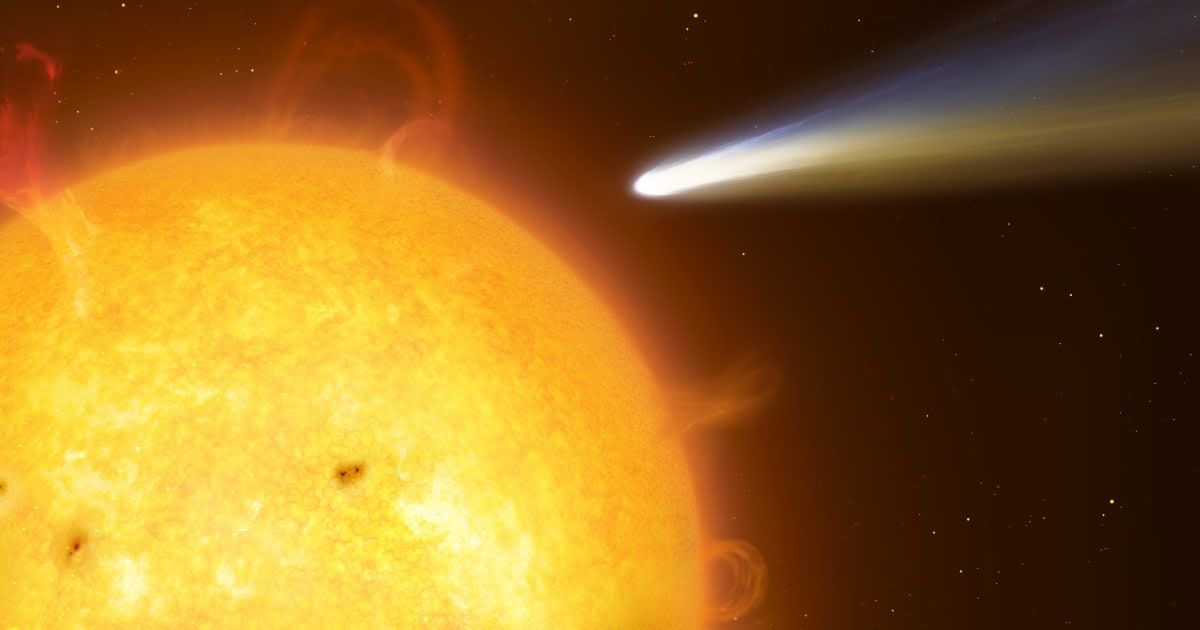
3I/ATLAS reaches perihelion—here's when it will be visible from Earth again
Due to the opposing perihelion alignment, the comet won't be generally visible until November, emerging low above the horizon at dawn.
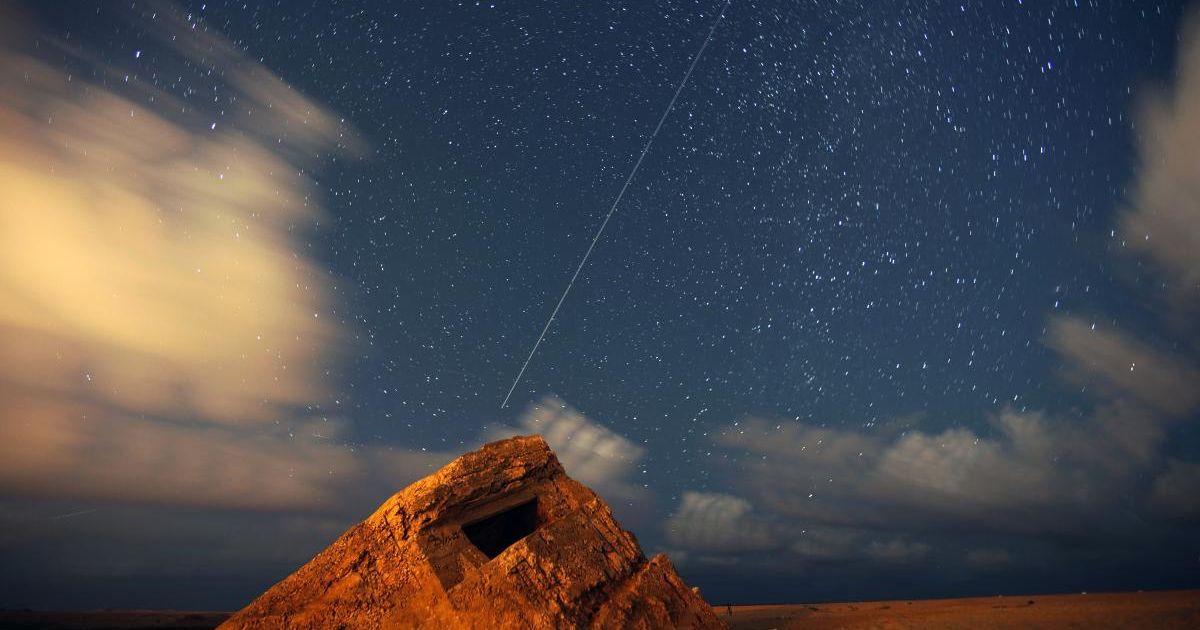
The famous Leonid meteor shower will peak on November 17—here's how to watch them
The shower is caused by Earth's passage through the Comet 55P/Tempel-Tuttle debris trail, running from November 3 to December 2.
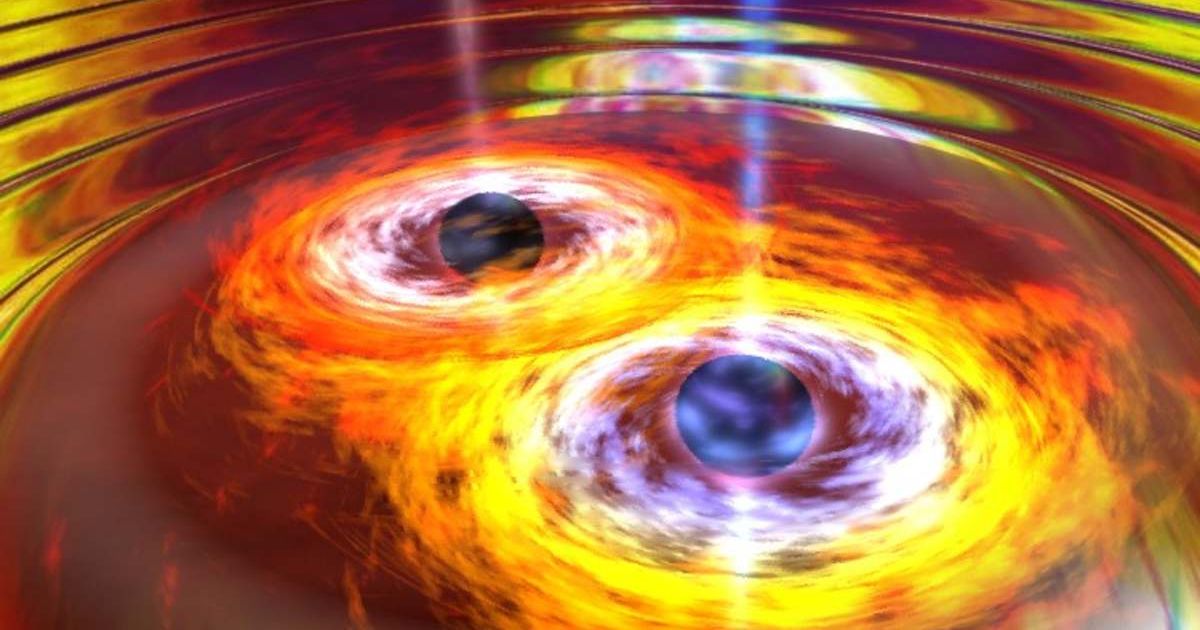
Scientists detect a subtle 'hum' in spacetime from two rare black hole mergers
The findings confirm the presence of rare binary systems and suggest certain black holes are second-generation, forged in earlier cosmic collisions.
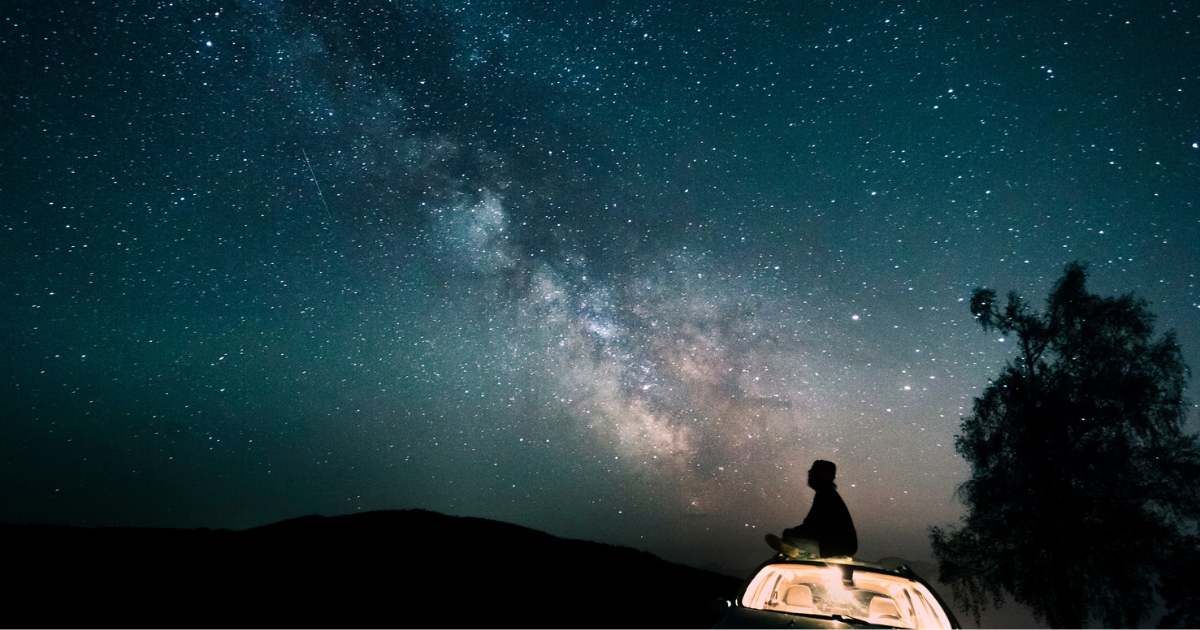
November 2025 skywatching guide: This year's biggest supermoon, Leonids fireballs and more
November 2025 is prime time for skywatching, featuring the year's biggest Supermoon, the prolific Leonids meteor peak, and must-see planetary close calls.
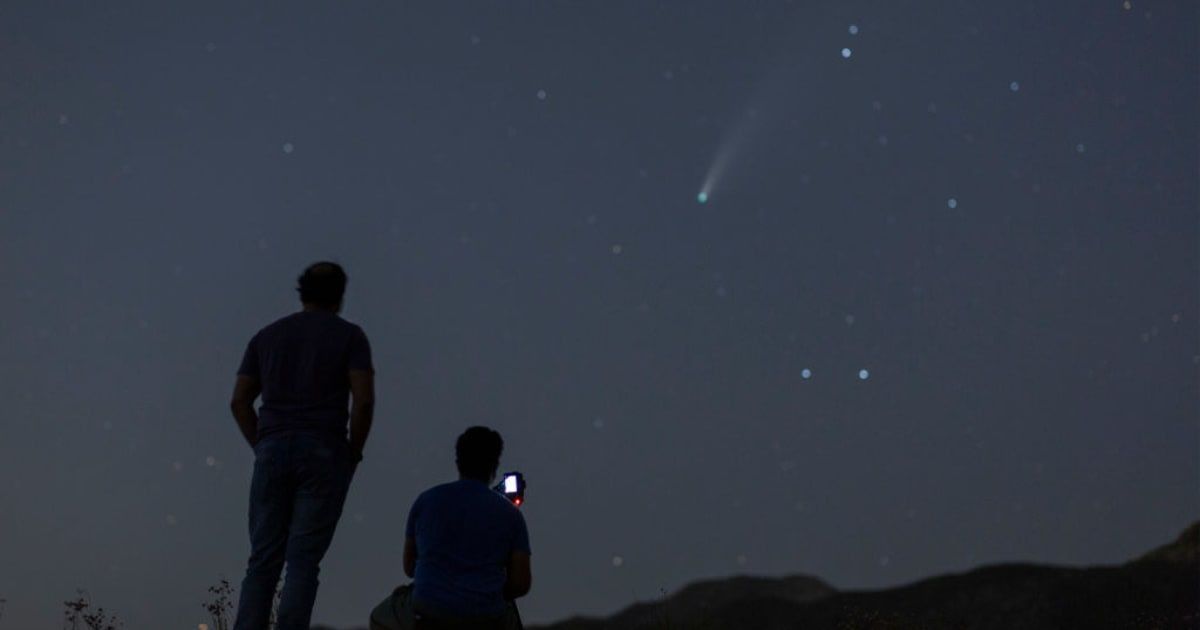
Comet C/2025 R2 (SWAN) can still be spotted from the Earth—viewing tips and its likely coordinates
As of October 28, 2025, the comet resides in the Aquarius constellation. Its present separation from Earth is more than 29.2 million miles.

Is comet C/2025 A6 (Lemmon) still visible to the naked eye this week? Here's how to spot it
The icy visitor, which reached its closest point on October 21, is currently situated more than 63.3 million miles from Earth and is swiftly pulling away.
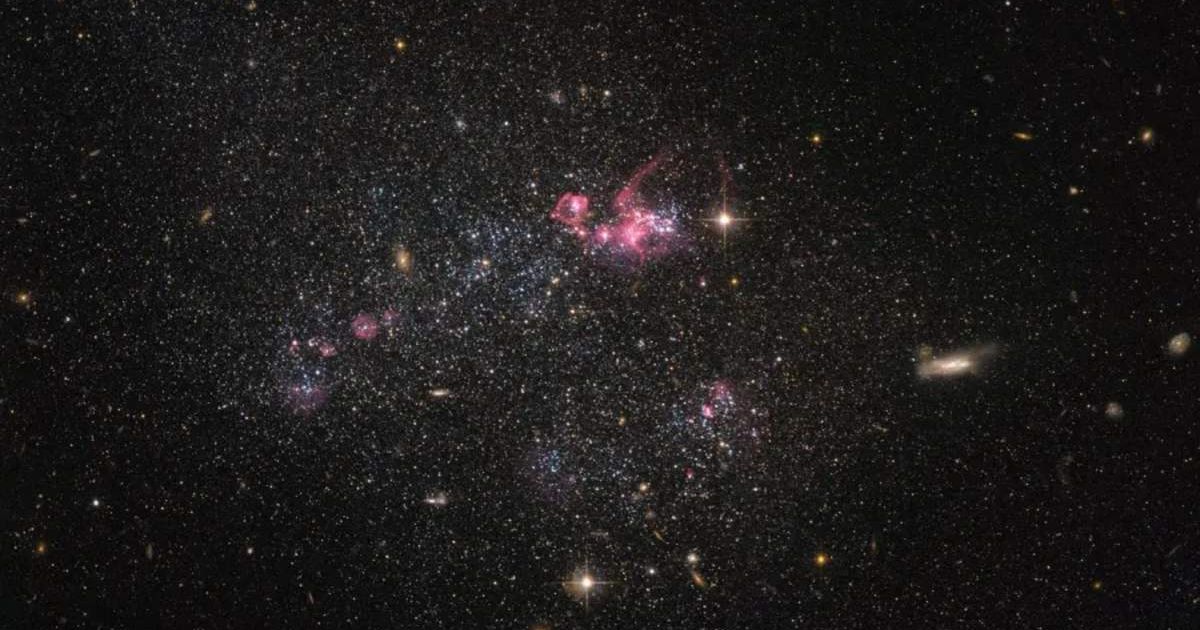
Nearby dwarf galaxy held together by supermassive black hole 450,000 times the Sun's mass, study finds
New research suggests a massive black hole is the primary force preventing Segue 1's small complement of stars from drifting into the void.
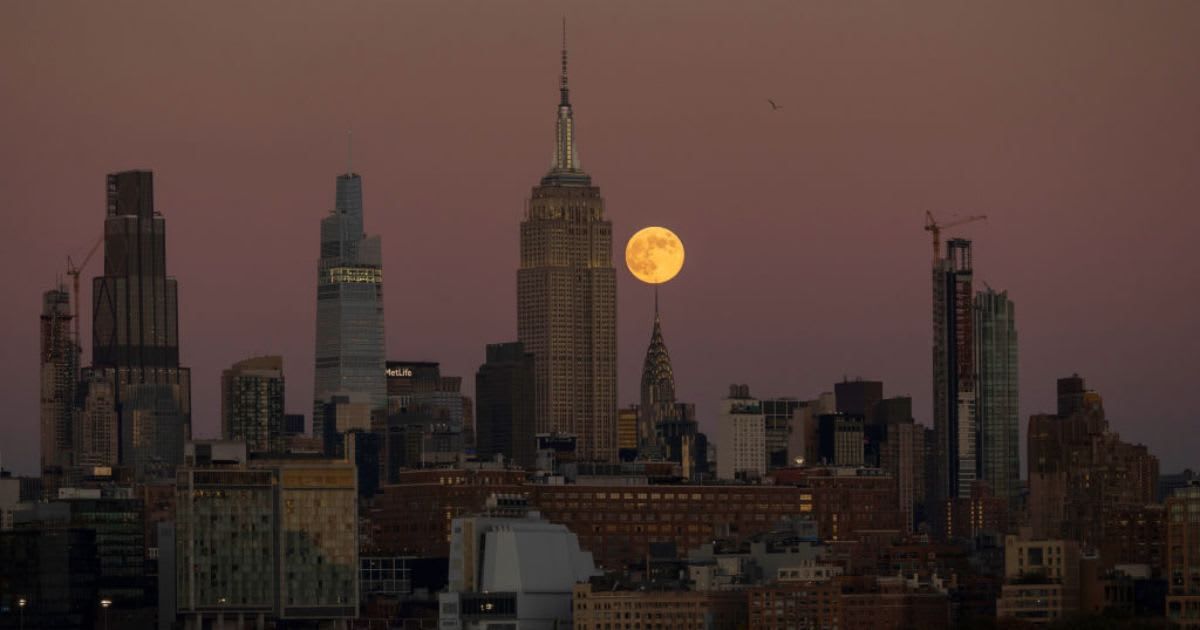
Beaver Moon 2025: When and how to see the November Supermoon
The Supermoon phenomenon will reach its most dramatic point on Wednesday, November 5, 2025.
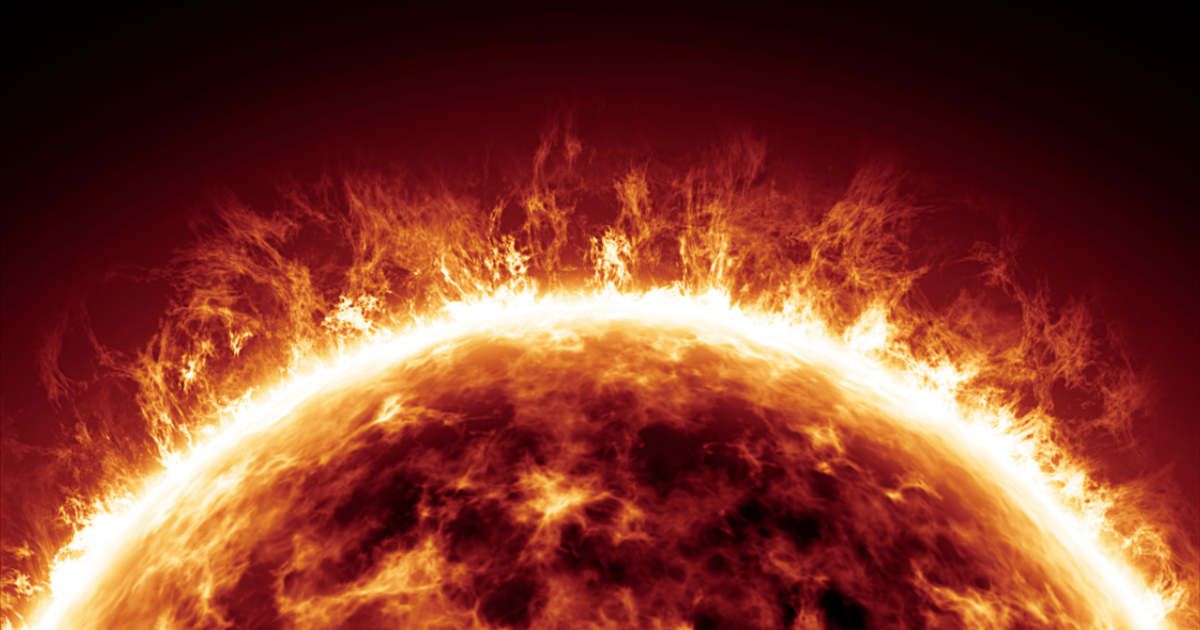
Breakthrough discovery may finally explain why the Sun's outer atmosphere burns hotter than its surface
Using the world's most powerful solar telescope, researchers secured the first direct evidence of tiny, twisting Alfvén waves.