
About Author
Raj is a science writer at Starlust, where he explores the cosmos, one story at a time. With a background in entertainment journalism and a lifelong love of storytelling, Raj brings a unique narrative lens to the universe — weaving together celestial facts, skywatching guides, and the deeper questions inspired by space.
Raj believes that space writing should not just inform, but spark curiosity. Whether he’s diving into the latest astronomical discovery or decoding the Moon’s daily rhythm, his goal is always the same: to remind us how thrilling it is to be part of a universe this vast.
Latest From Raj Naik
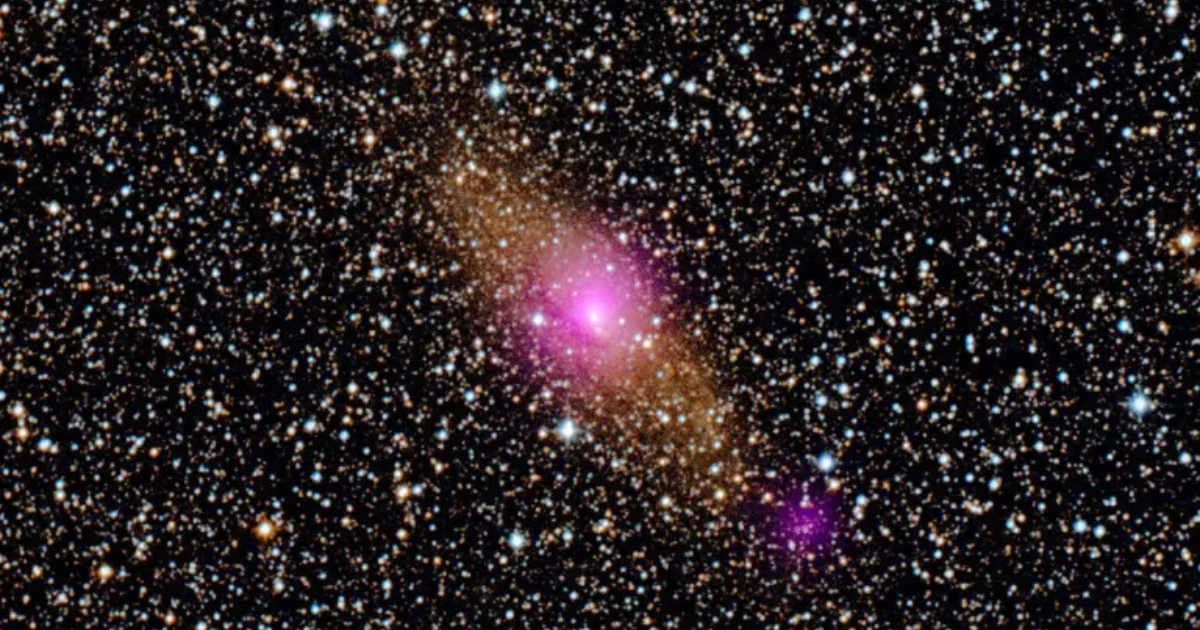
Twin spiral 'arms' caught feeding a black hole in the Circinus galaxy
Zeroing in on the Circinus Galaxy, located just 13 million light-years away, the research team meticulously analyzed archival data captured by ALMA.
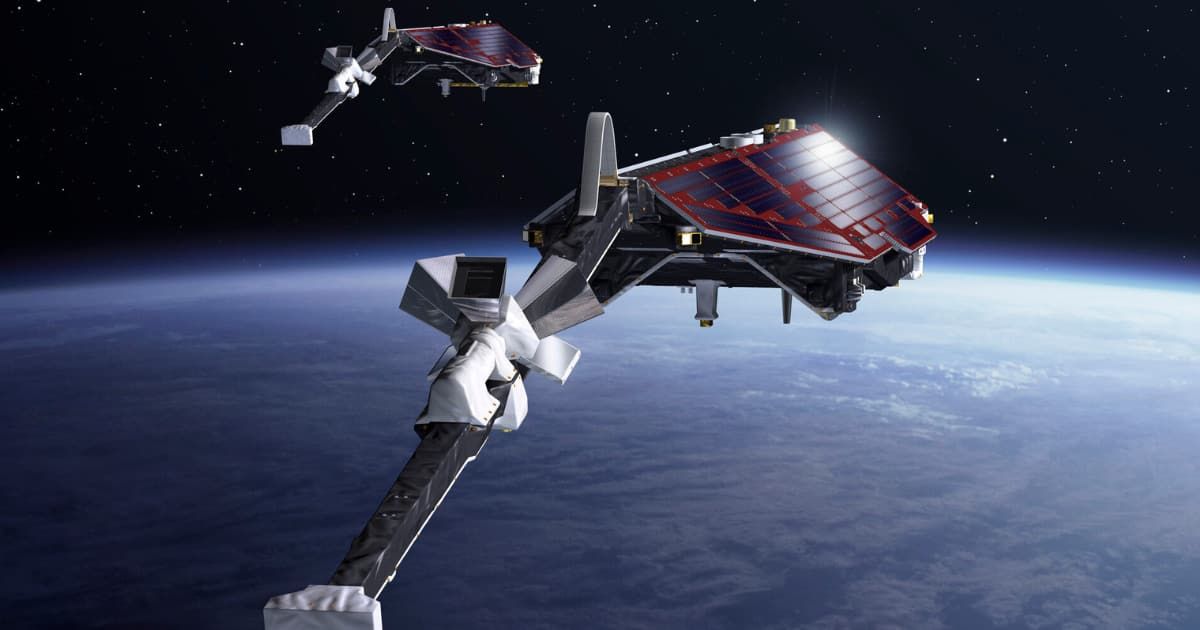
Earth's protective magnetic field has weakened over South Atlantic, reveals satellite data
New satellite data confirms that the South Atlantic Anomaly, a region of weakened magnetic field, has expanded since 2014 by an area equivalent to nearly half of continental Europe.

SpaceX nails final Starship test flight to set the stage for bold Mars and Moon missions
The towering rocket lifted off from the Starbase facility in South Texas at 6:23 p.m. CT on Monday, October 13, 2025.
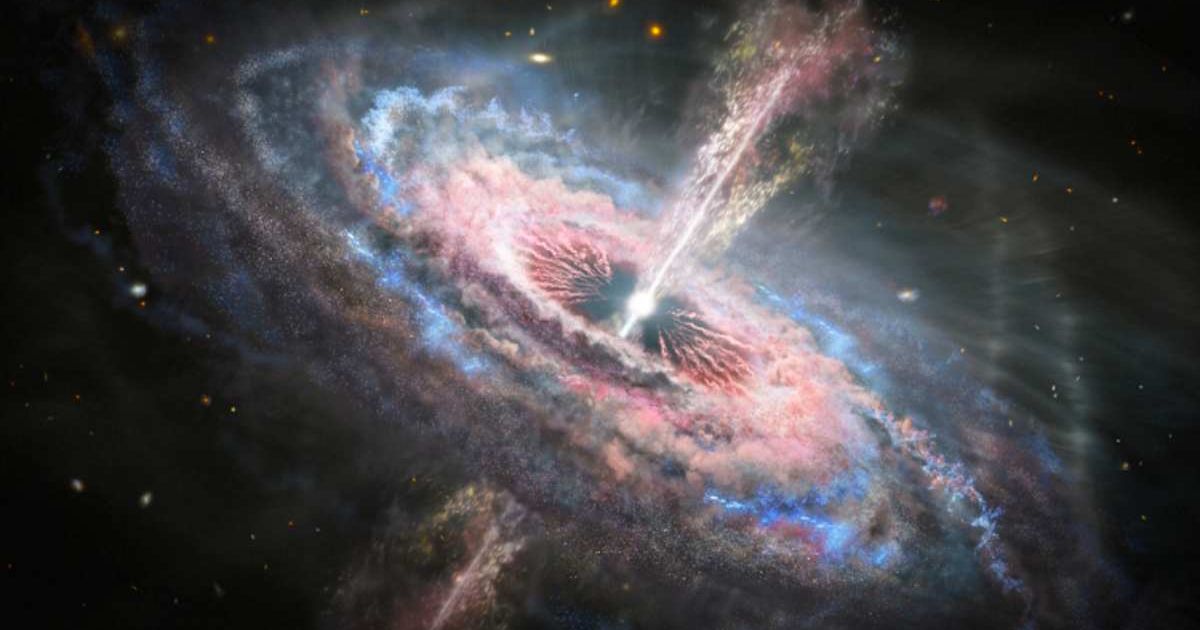
Astronomers' cosmic discovery reveals extreme starburst galaxy concealed behind distant quasar
An international research collective has serendipitously discovered an ultra-luminous infrared galaxy (ULIRG), a system intensely forming stars, hidden behind the distant and well-known Cloverleaf quasar, H1413+117.
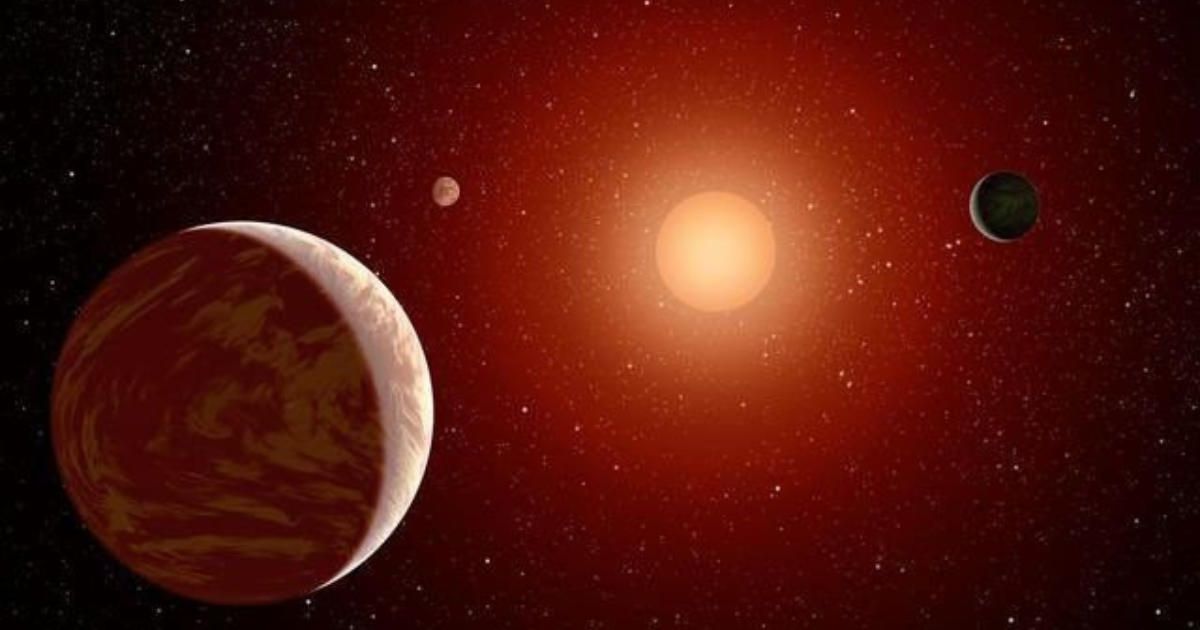
Astronomers discover star with a powerful magnetic field and an activity cycle 10 times faster than our Sun’s
The intricate magnetic lifecycle of Iota Horologii (ι Hor), a 600-million-year-old Sun-like star, was successfully mapped by scientists at the Leibniz Institute for Astrophysics Potsdam.
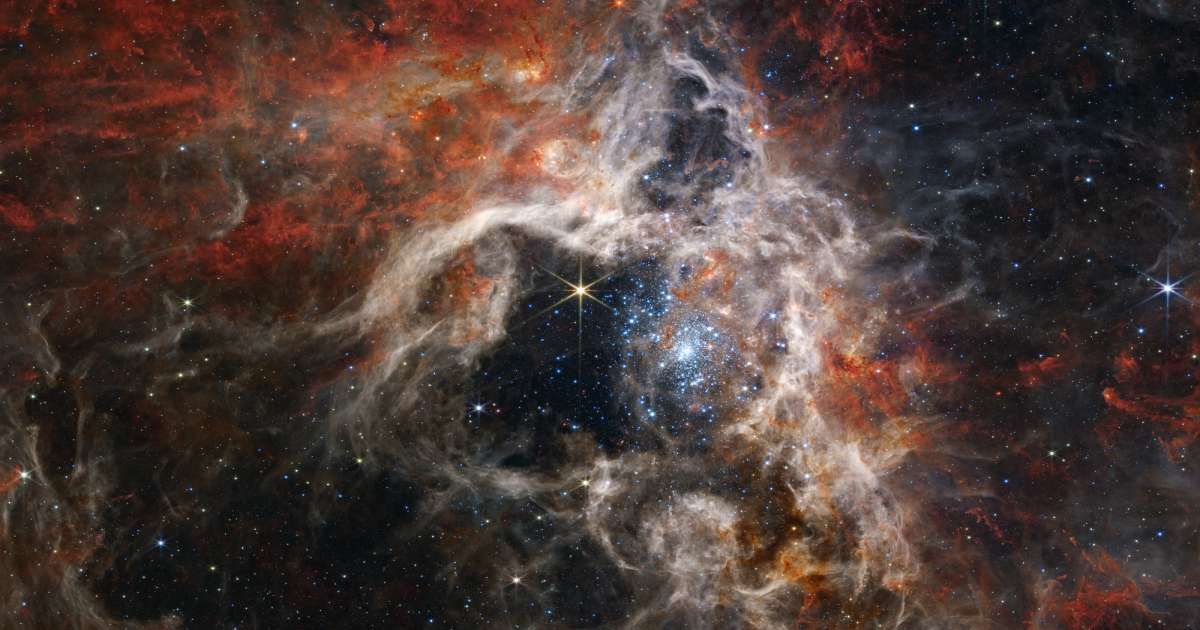
ALMA captures stunning evidence of cosmic tug-of-war between gravity and magnetic fields during star birth
Using ALMA, an international team achieved the most comprehensive mapping of magnetic fields yet, using the ALMA telescope to survey 17 massive star-forming regions.
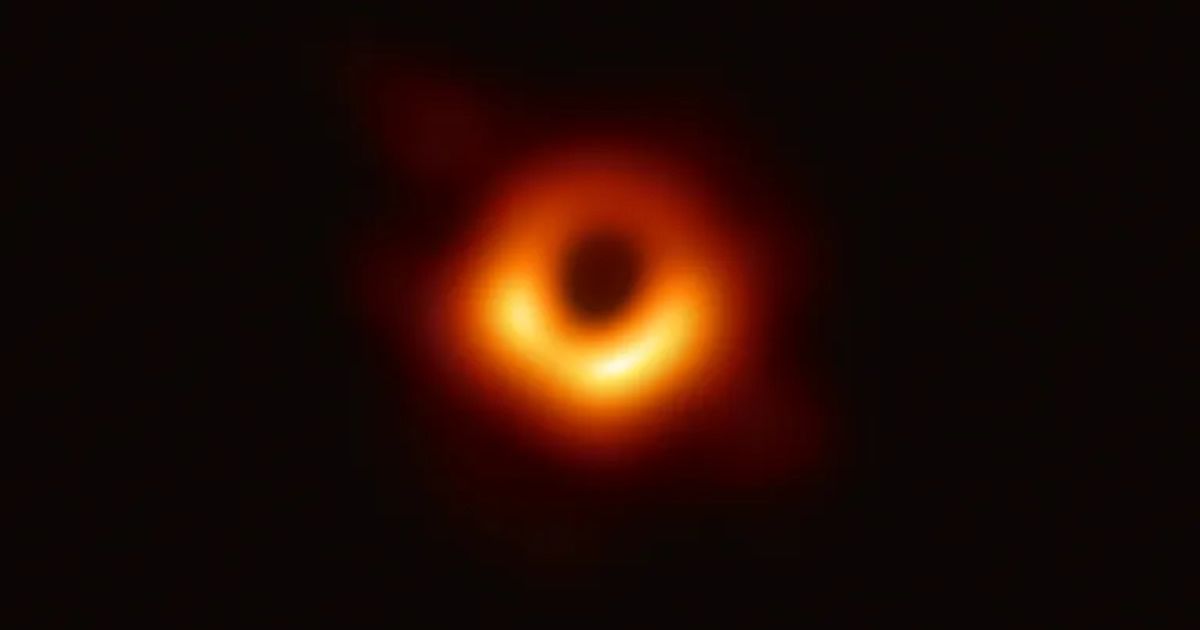
Black hole shadows could finally help detect the universe’s 'invisible' dark matter, say scientists
The study presents a novel technique that utilizes the dark, shadow-like regions in black hole images taken by 'Event Horizon Telescope' to hunt for the invisible material comprising about 85% of all matter.
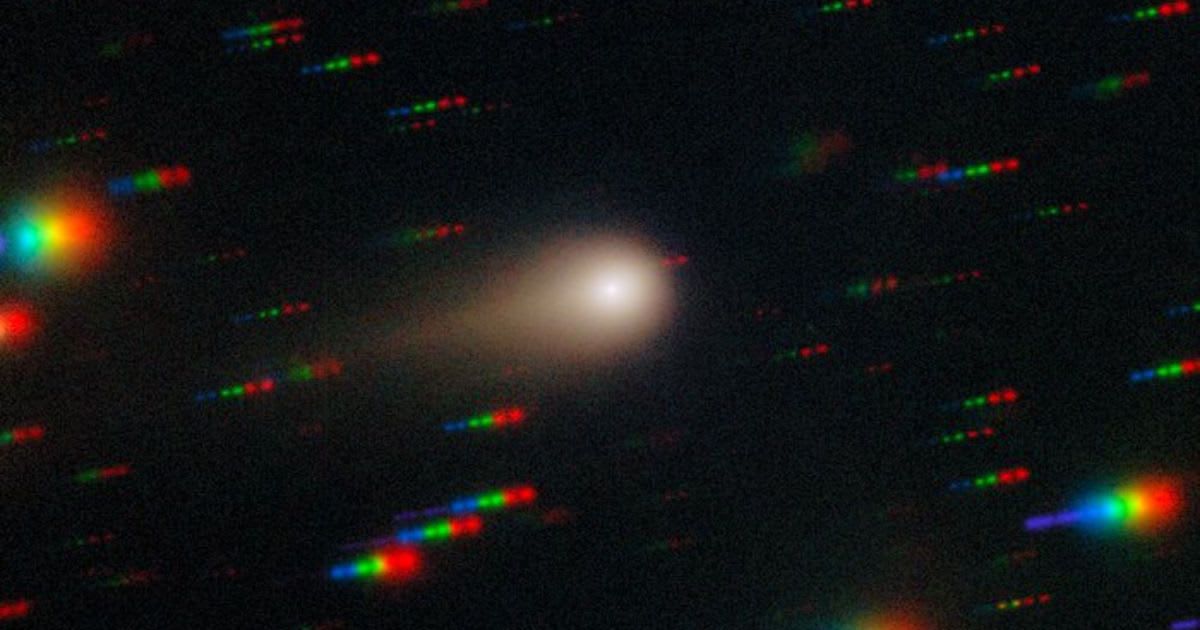
There's a 30 percent chance Interstellar object 3I/ATLAS does not have 'natural origin,' says Harvard astronomer
Researchers argue that 3I/ATLAS, a body roughly seven miles in diameter, is a lithified clastic fragment ripped from a sedimentary basin on a distant exoplanet that may once have been capable of supporting life.
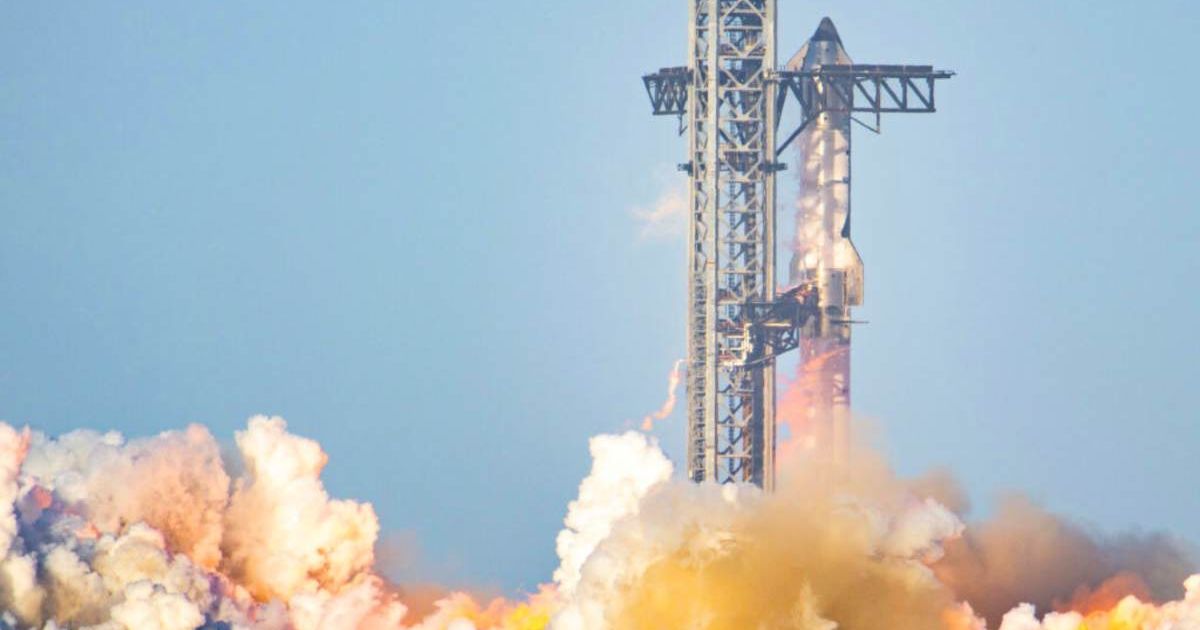
SpaceX set to launch Starship's 11th flight test on October 13
The launch window for the eleventh Starship flight test is scheduled to open on Monday, October 13, at 6:15 p.m. Central Time (CT).
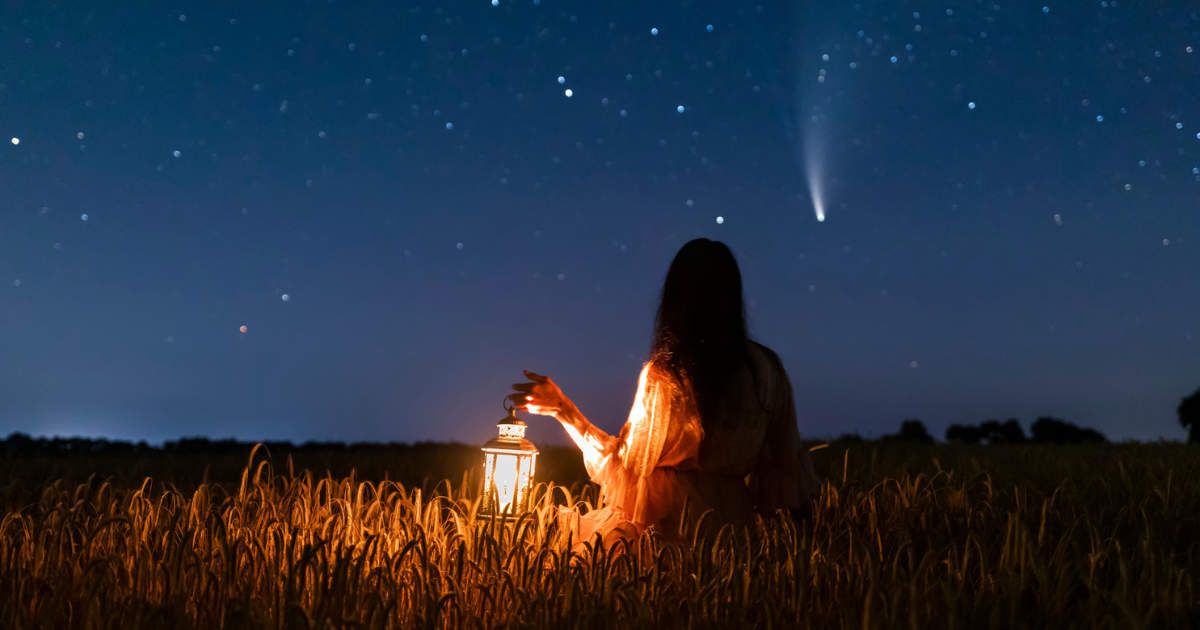
Comet C/2025 R2 (SWAN) to make its closest approach to Earth on October 20—here's how to spot it before the big day
On October 20, the celestial visitor will reach the closest to Earth, passing at a distance of approximately 39 million kilometers.
Physicists predict dark matter will doom the Universe to a catastrophic 'Big Crunch' soon
This model predicts that the universe will reach its maximum size in approximately 11 billion years, then rapidly start contracting.
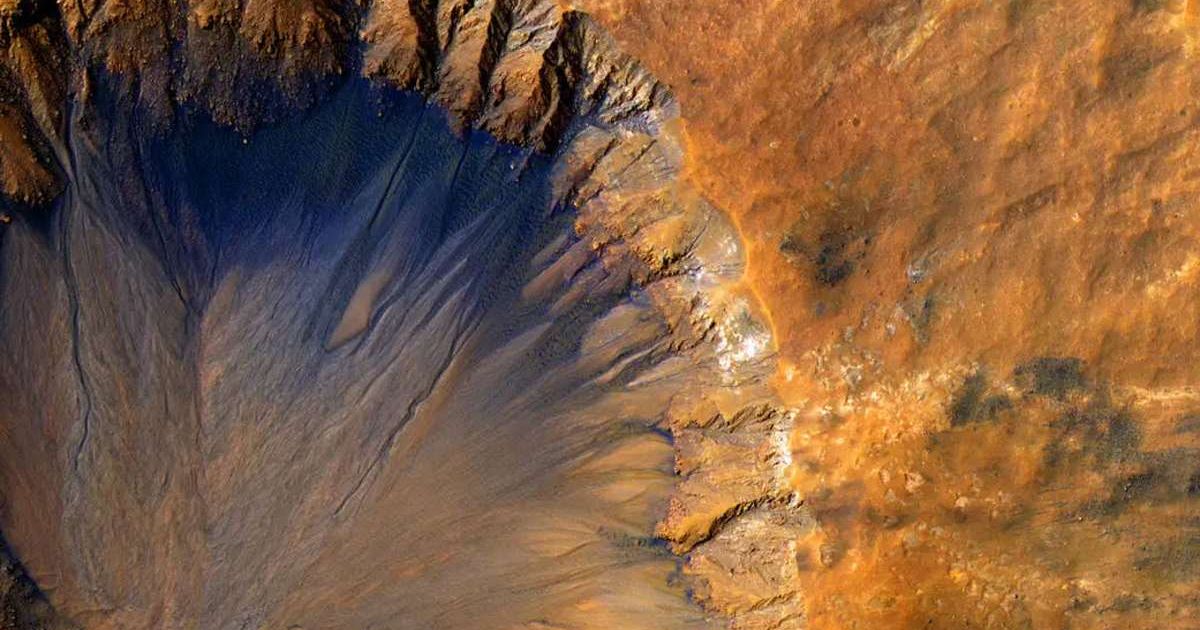
Martian craters reveal long term decline in water on the Red Planet, new study claims
Scientists have long tried to pinpoint the forces that turned a potentially water-rich Mars into the arid world we see today.
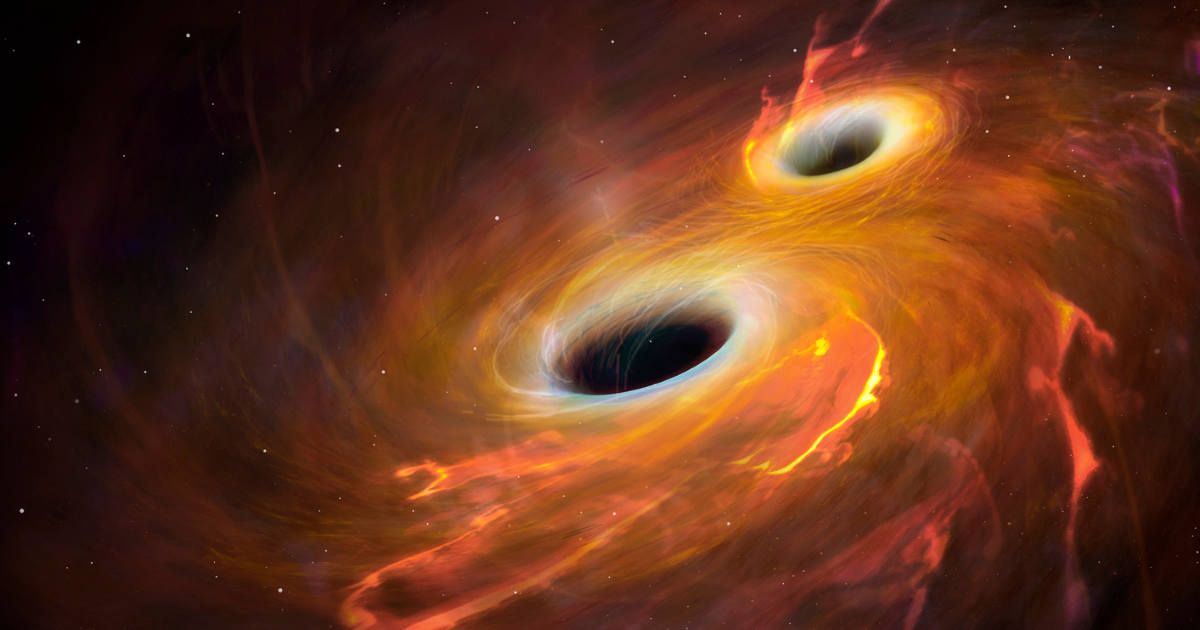
Astronomers achieve historic first image of two supermassive black holes orbiting each other
Researchers focused on the quasar OJ287, an intensely bright galactic core whose erratic light patterns had long suggested the presence of a pair of orbiting black holes.
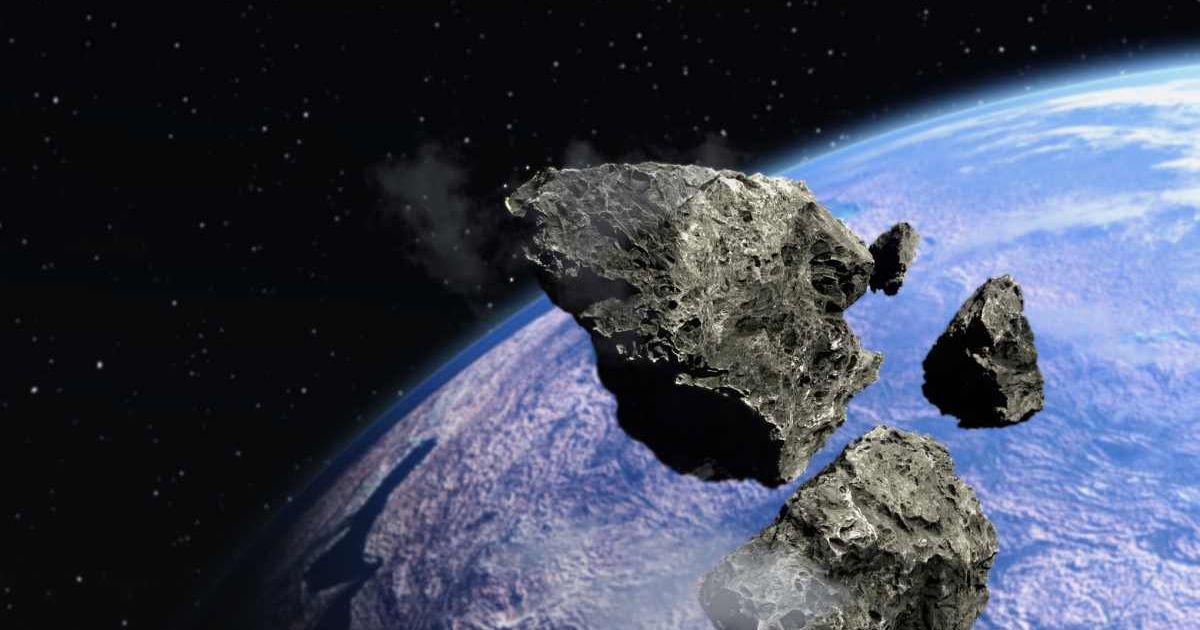
Asteroid the size of a skyscraper set for a close approach to Earth this month—should we be worried?
The asteroid's orbit is highly elliptical (stretched-out), causing it to take approximately 2.65 years (967 days) to complete one trip around the Sun.
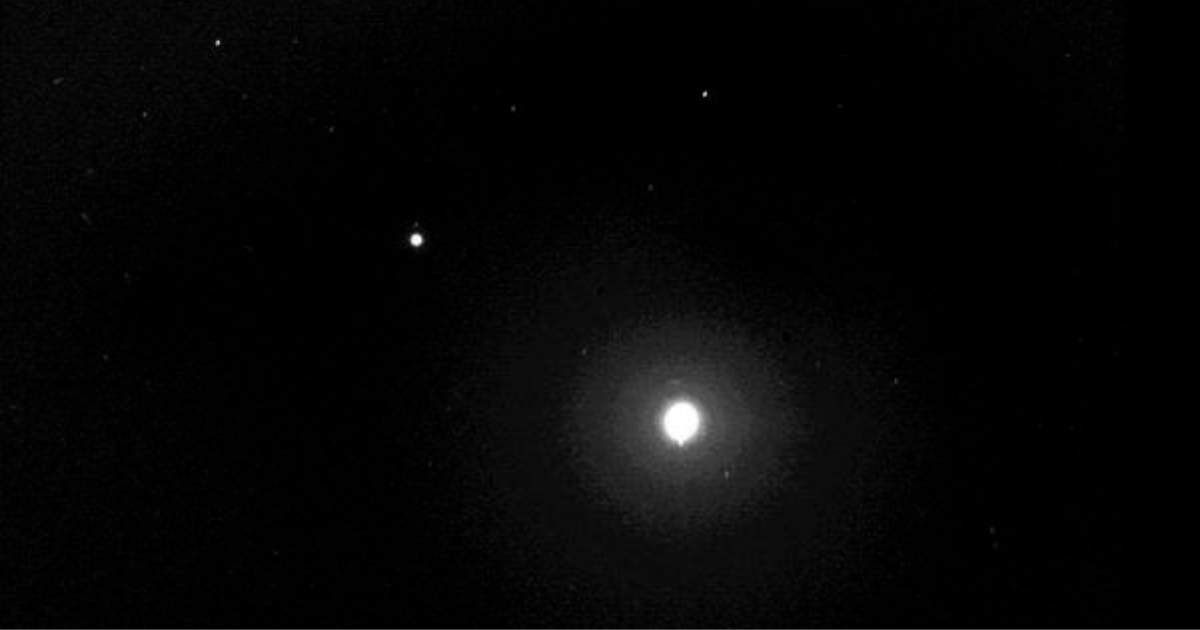
Moon will pass directly in front of the Pleiades star cluster in constellation Taurus today—when and how to watch
Slated for the night of October 9–10, 2025, the celestial spectacle will feature the brightly lit waning gibbous Moon (86% illuminated).
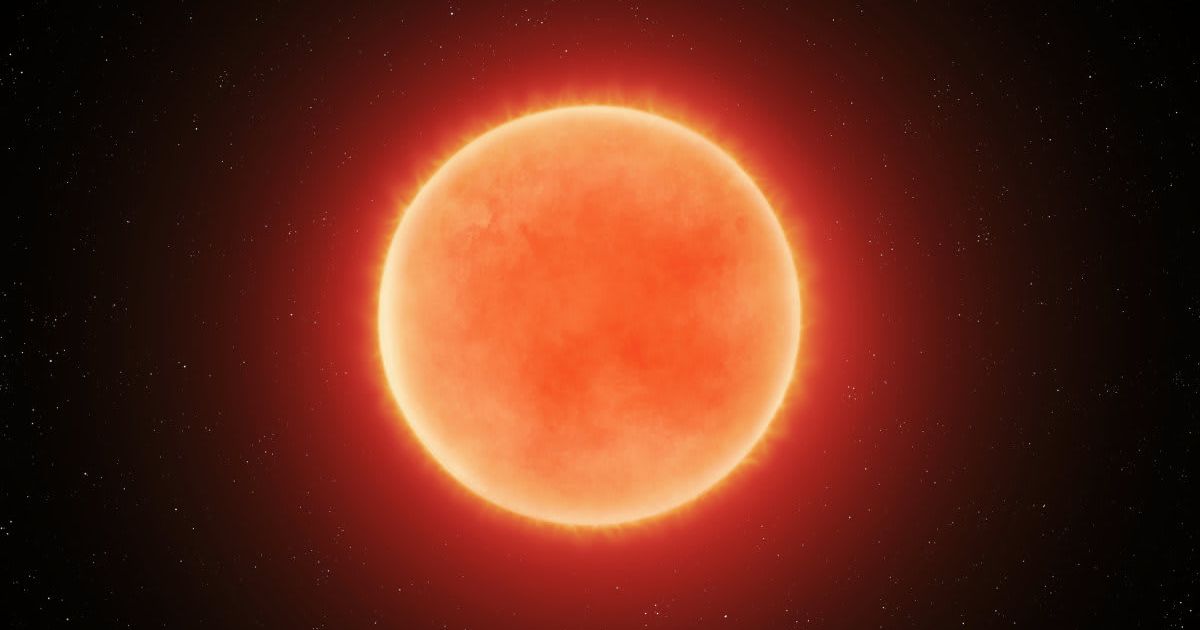
Astronomers uncover 'most pristine' star, a cosmic relic from the early universe
Designated SDSS J0715-7334, the newly identified red giant star exhibits the lowest level of metallicity ever recorded.
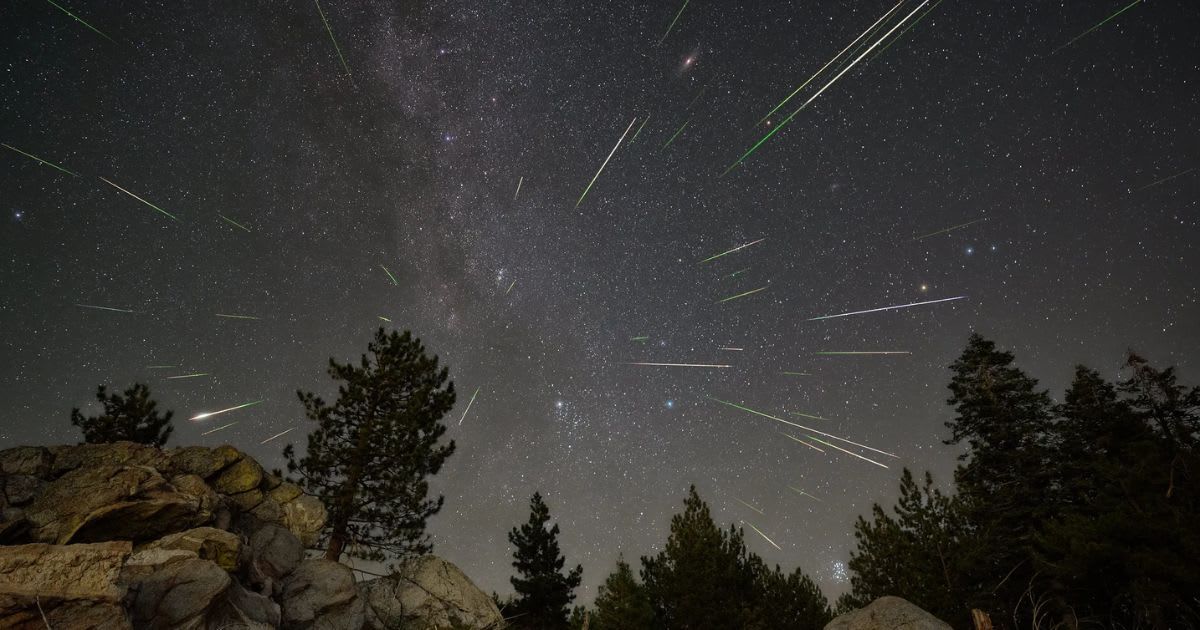
Missed the Draconid meteor shower peak? You can still catch the spectacle for a few nights after
Viewing conditions this year were heavily compromised because the shower's peak activity coincided with the residual brightness of October's Supermoon.
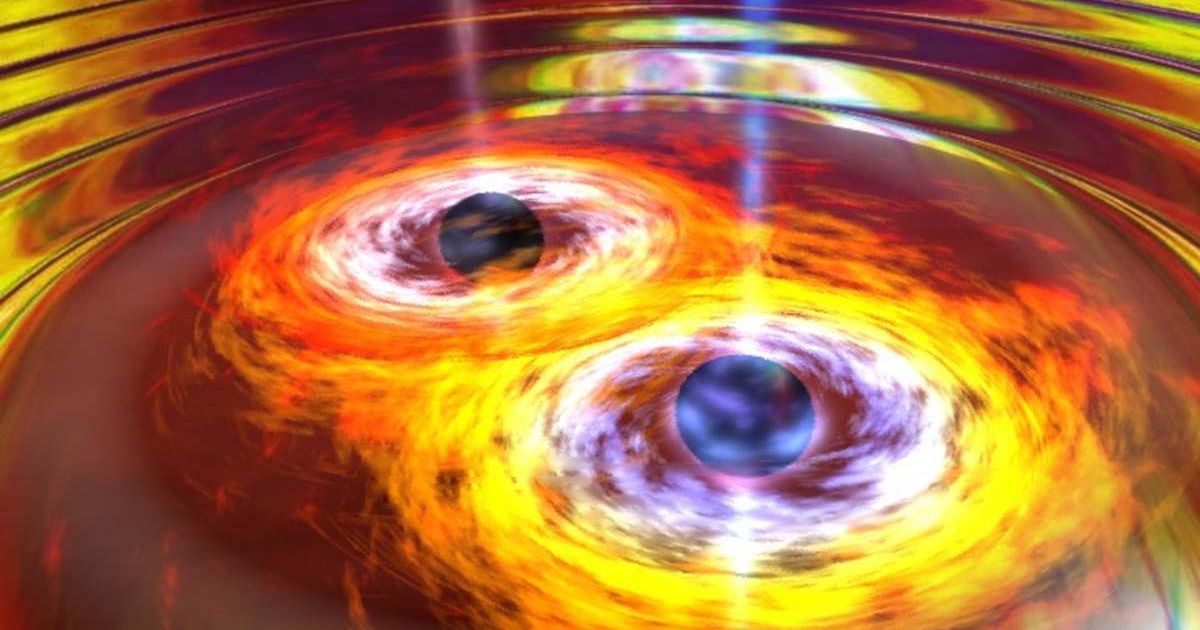
Scientists discover how black holes acquired 'squashed' orbits just before the merger
The merger, officially labeled GW200208_222617, was registered by the Laser Interferometer Gravitational-Wave Observatory (LIGO) and the European Virgo detector.
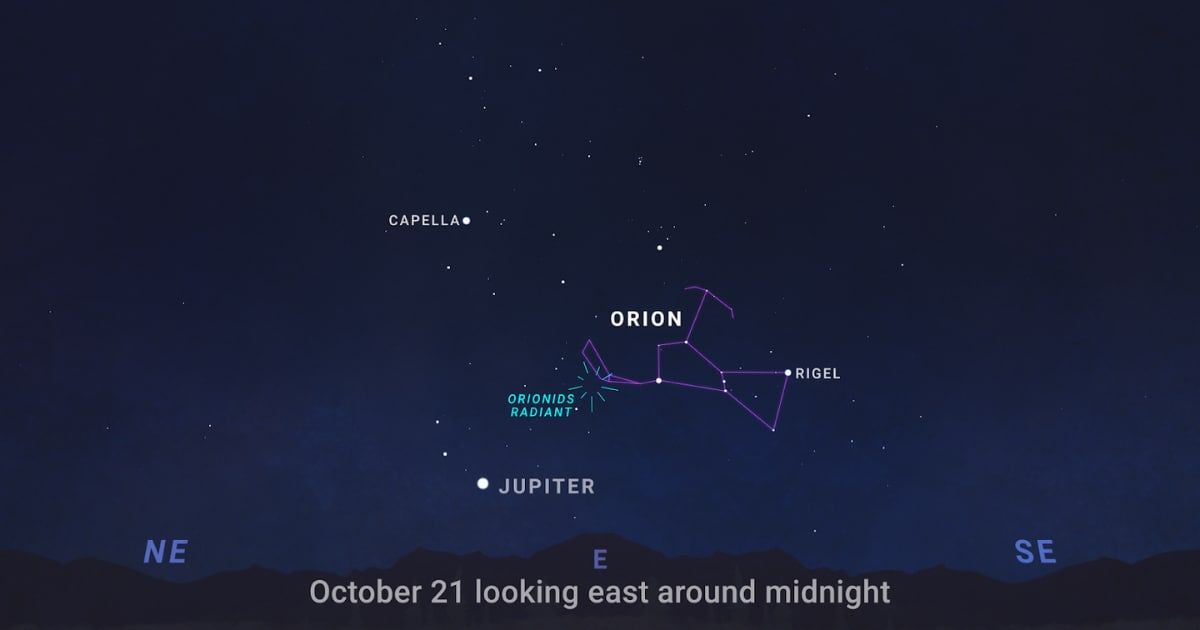
Orionid meteor shower to light up the sky at its peak on October 21—when and how to watch
The Orionid meteor shower occurs every October when Earth intercepts and collides with the stream of debris left behind by Halley's Comet.
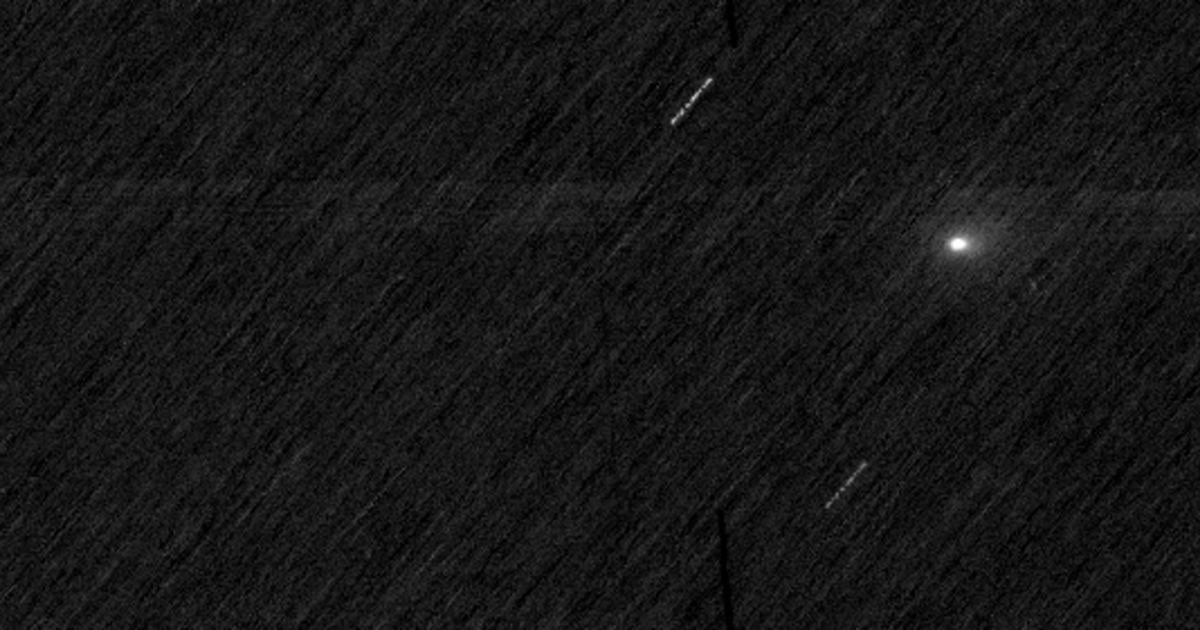
Astrophysicist explains how Mars Orbiters captured closest view of interstellar comet 3I/ATLAS
Astrophysicist Avi Loeb confirmed the CaSSIS image of 3I/ATLAS, a 'fuzzy ball of light,' is consistent with prior Hubble Space Telescope observations.