China prepares to launch Shenzhou-21 flight, sending youngest astronaut and mice into orbit
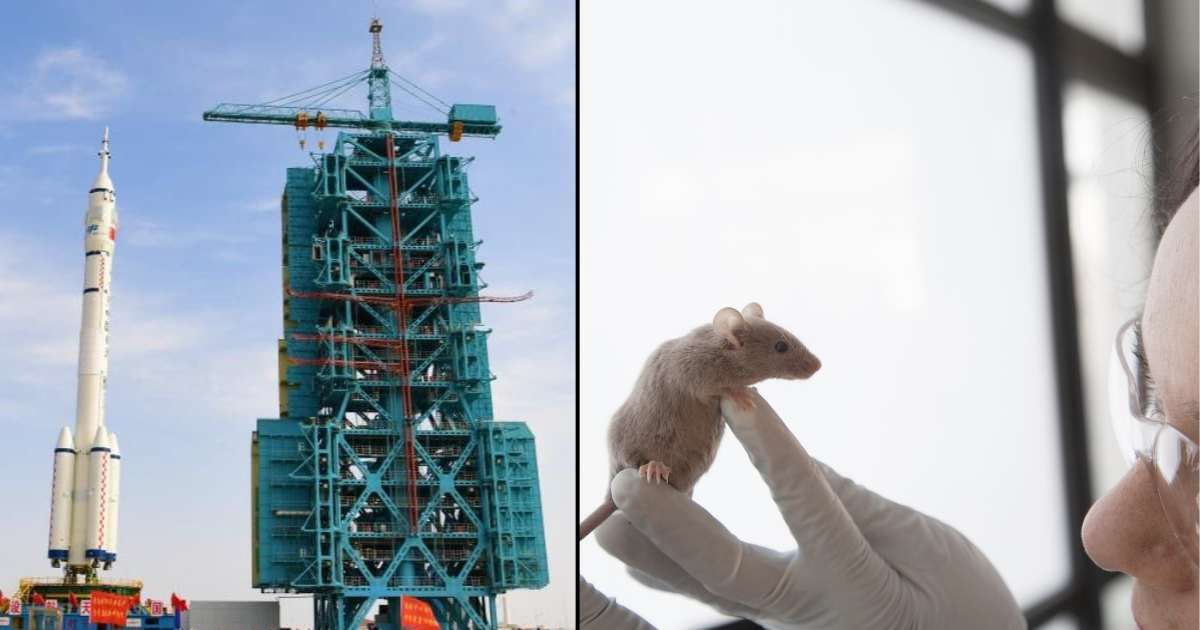
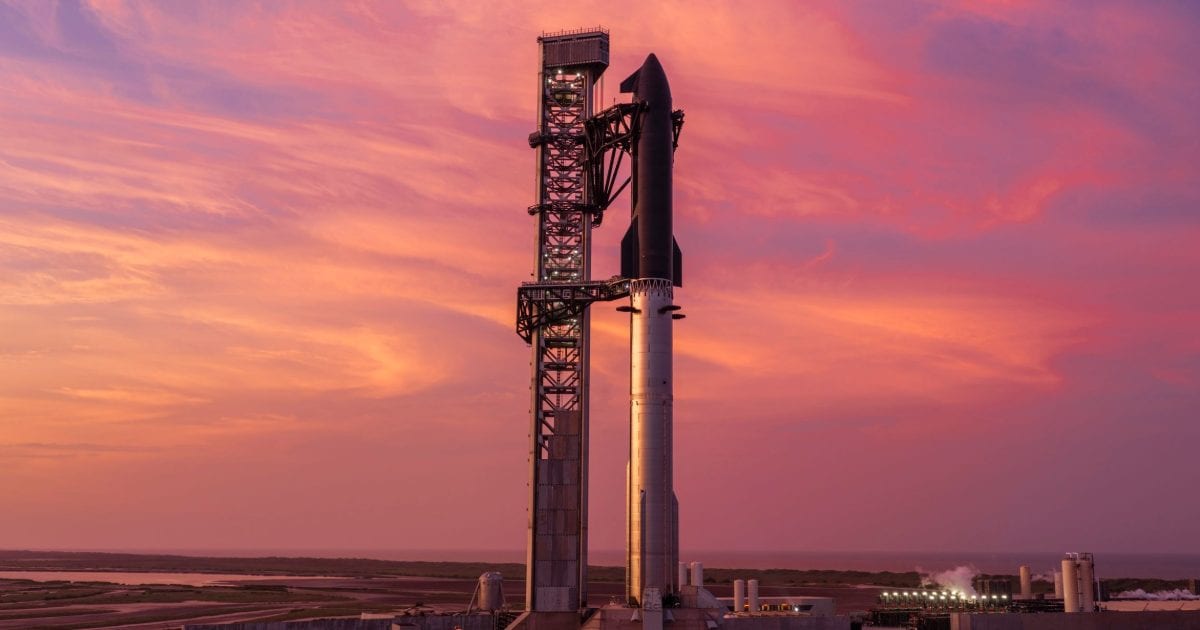
China is set to launch its Shenzhou-21 manned spacecraft and is scheduled for a late-night lift-off at 11:44 p.m. on Friday, Beijing Time (11:44 a.m. EDT) from the Jiuquan Satellite Launch Center in the country's northwest, according to Xinhua NET. Preparations for the launch are nearing completion, with the Long March-2F Y21 carrier rocket on the launch pad and awaiting fueling.
🚀[LIVE] News conference on Shenzhou XXI crewed spacecraft launch https://t.co/IP2IdYE1zp
— Chinese Space Station (@CNSpaceStation) October 30, 2025
This mission features a record-breaking crew and the nation's first-ever rodent subjects for in-orbit biological experiments, as per Phys.org. Flight engineer Wu Fei, recently turned 32, will make history as the youngest astronaut China has ever sent into space. Wu expressed profound gratitude for the opportunity, telling reporters, "Being able to integrate my personal dreams into the glorious journey of China's space program is the greatest fortune this era has bestowed upon me." Commanding the three-person crew is veteran pilot Zhang Lu, 48, who previously flew on the Shenzhou-15 mission. He will be joined by payload specialist Zhang Hongzhang, 39. The commander voiced strong confidence in the team's ability to achieve "complete success" for the nation.

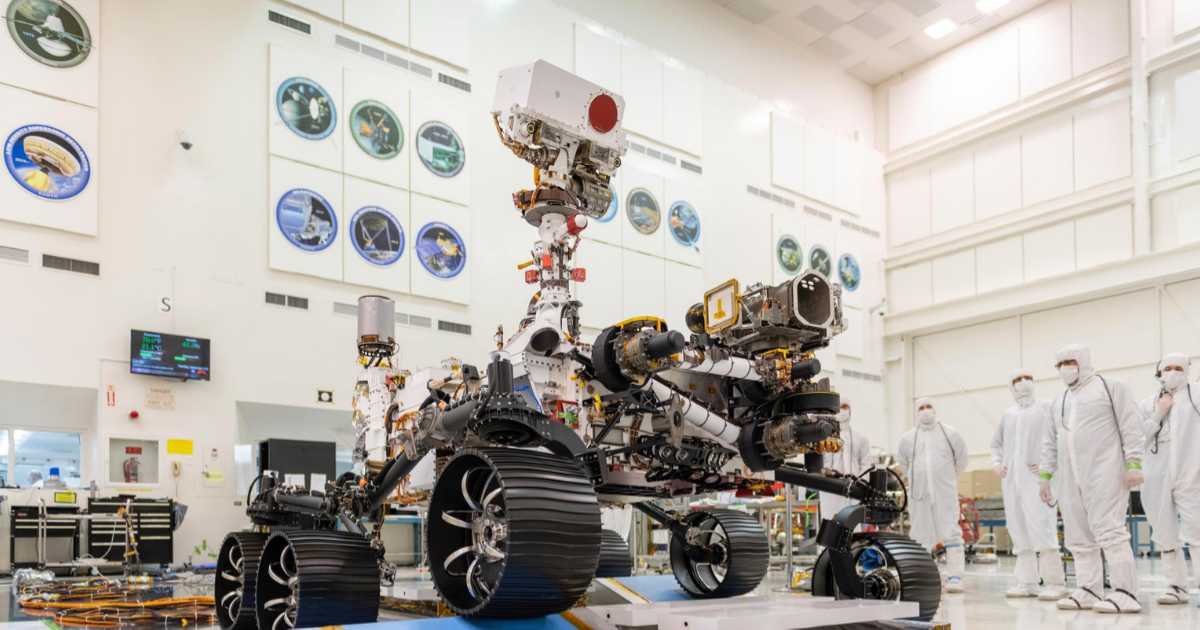
Beyond the human crew, four mice, two male and two female, will be aboard the Shenzhou-21, marking a significant milestone for Chinese space science as they participate in the country's inaugural rodent experiments in space. The mission is part of Beijing's accelerated "space dream" under President Xi Jinping, which includes the ambitious goal of landing a crew on the Moon by 2030 and constructing a permanent lunar base. The CMSA reiterated its firm commitment to the 2030 lunar objective on Thursday, detailing that "crucial upcoming tests" of the Lanyue lunar lander and Mengzhou manned spacecraft are currently underway.
China unveiled on Saturday the names of new vehicles for its manned lunar exploration mission, naming the lunar lander "Lanyue," meaning "embracing the moon," and the manned spacecraft "Mengzhou," meaning "dream boat," according to the China Manned Space Agency. #SpaceChina pic.twitter.com/4DXbna1fzC
— China Science (@ChinaScience) February 26, 2024
Following its launch, the Shenzhou-21 craft is expected to execute a rapid automated rendezvous and docking maneuver, linking up with the Tianhe core module in approximately 3.5 hours. All systems, including the rocket, spacecraft, astronaut crew, and ground infrastructure, are reported to be in optimal condition for the upcoming flight, per Xinhua NET.
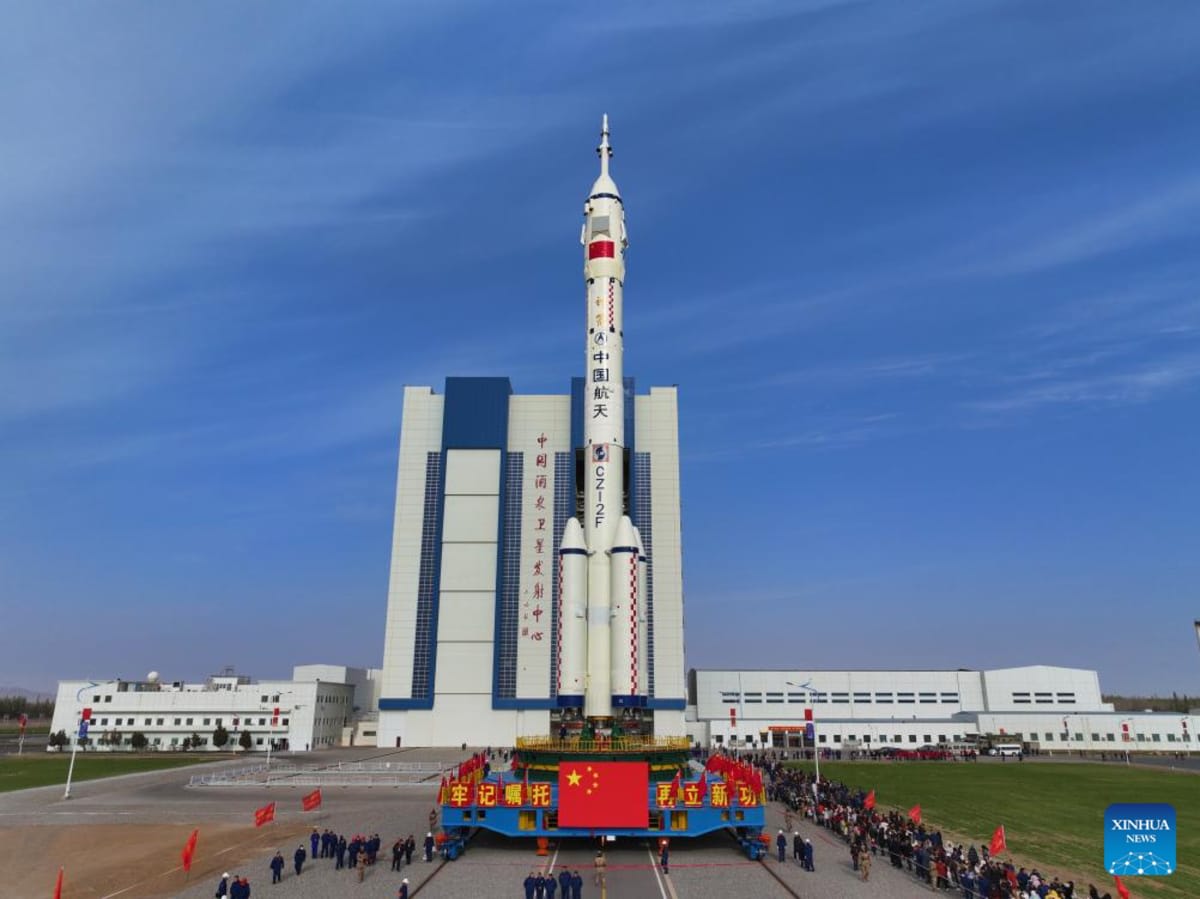
The Shenzhou-21 mission represents a key operational step for China's orbiting laboratory. It is the sixth crewed flight since the nation's space station entered its application and development phase and marks the 37th overall flight of China's manned spaceflight program, per the Chinese Academy of Sciences. Once in orbit, the Shenzhou-21 crew will conduct a crucial in-orbit handover with the current Shenzhou-20 crew. Following the transition, the Shenzhou-20 astronauts will return to Earth, landing at the Dongfeng landing site in Inner Mongolia. The incoming crew, Zhang Lu, Wu Fei, and Zhang Hongzhang, will take residence on the space station for approximately six months.
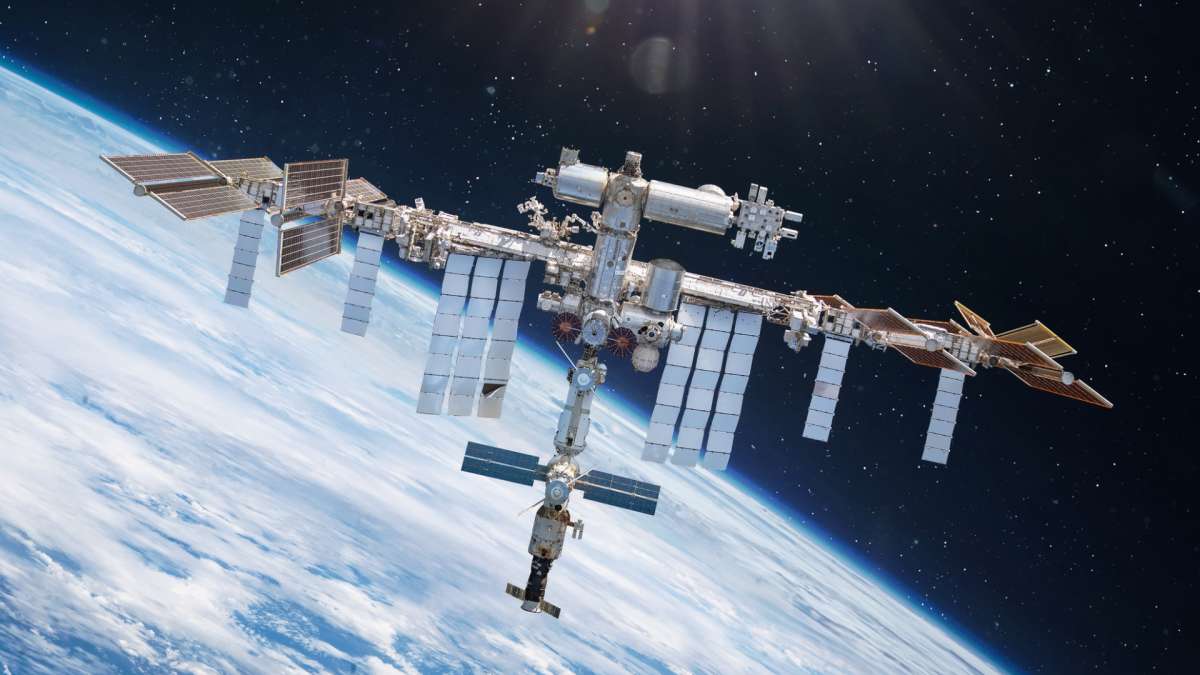
Their mission includes a diverse range of activities: performing extravehicular activities (spacewalks), managing cargo, installing space debris protection devices, and deploying or recovering external payloads. They are also scheduled to dedicate time to space science and application work, in-orbit experiments, and engagement in public science education. During their six-month tenure, the astronauts will oversee the arrival of two more critical visiting vehicles: the Tianzhou-10 cargo spacecraft and the subsequent crewed mission, Shenzhou-22.
More on Starlust
China plans advanced mission to hit an asteroid with spacecraft and alter its course