For the first time since 1946, star system T CrB is predicted to explode in a bright nova within 2 weeks
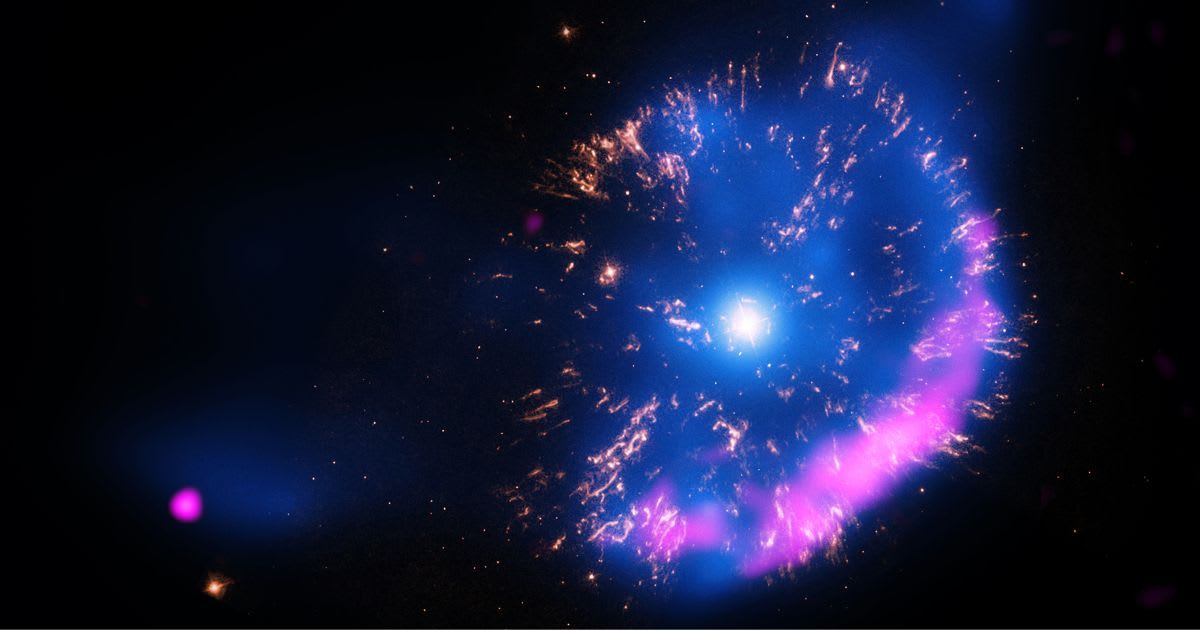
A celestial event of rare magnitude is anticipated as the recurrent nova T Coronae Borealis (T CrB) is predicted to erupt, an occurrence not seen in approximately 80 years. The next blast is forecast to occur around November 10, 2025, or possibly later on June 25, 2026, as per calculations by astronomer Jean Schneider of the Paris Observatory, who based his projection on historical eruption cycles, according to a paper published by the American Astronomical Society.
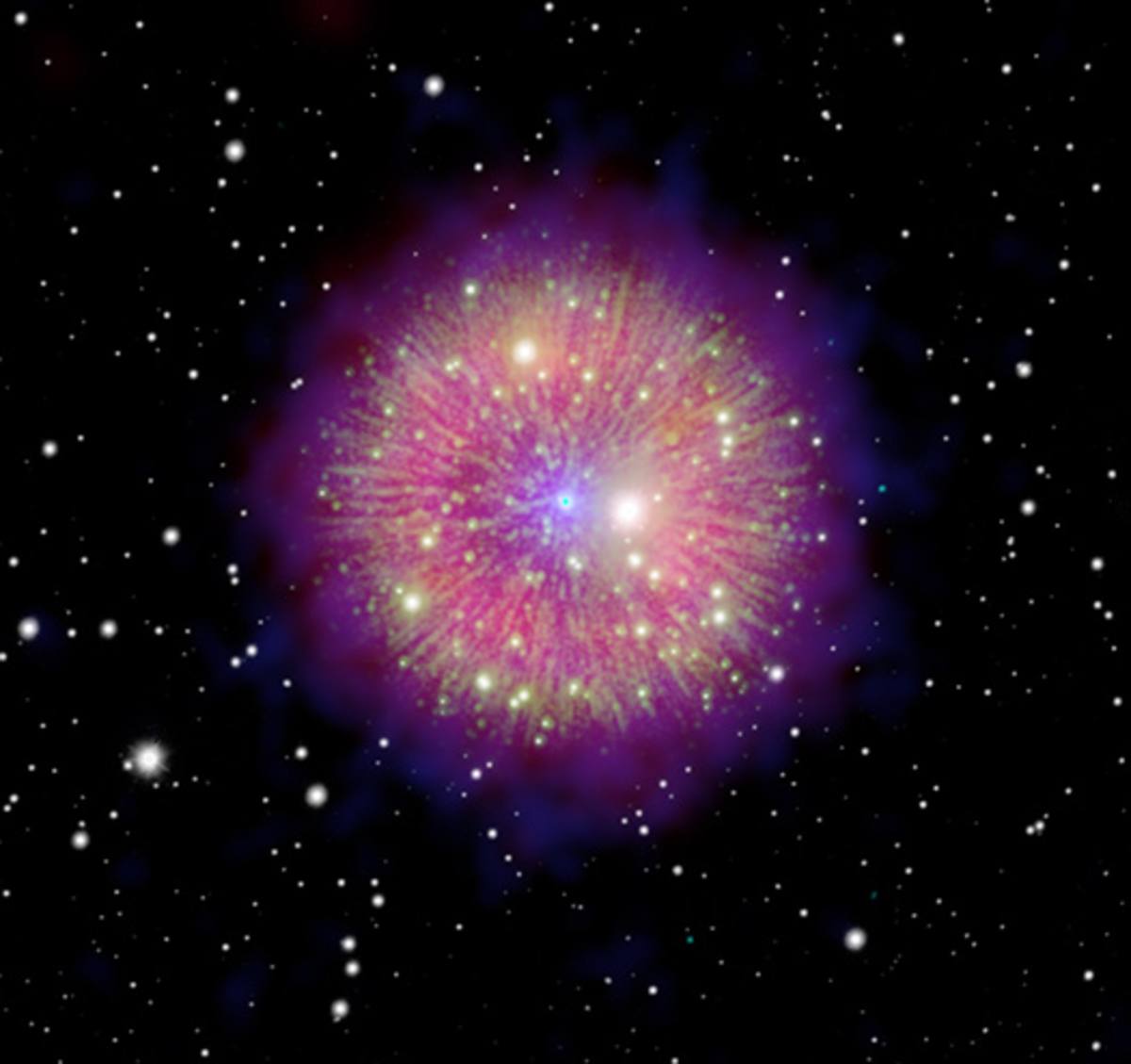
T CrB is a binary star system known for its predictable, though slightly irregular, eruptions, with historical records dating back to 1217. Past eruptions, including the most recent one in 1946, saw the star briefly surge to a magnitude of V=2 to 3, bright enough to be easily visible to the naked eye. Since the last event occurred in 1946, the astronomical community has been on alert for an imminent repeat.
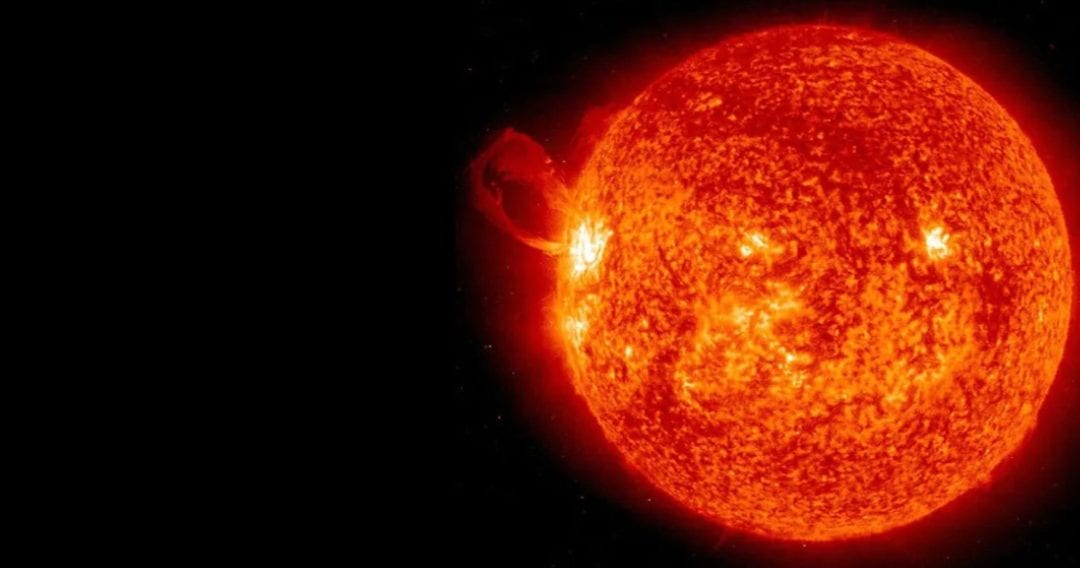
The system itself is a close pairing of a white dwarf and a red giant star. The white dwarf, an extremely dense stellar remnant, is gravitationally pulling material from its red giant companion, which accumulates on its surface, as per NASA. This accumulated matter eventually triggers a massive thermonuclear explosion, a nova, which dramatically increases the system’s brightness.
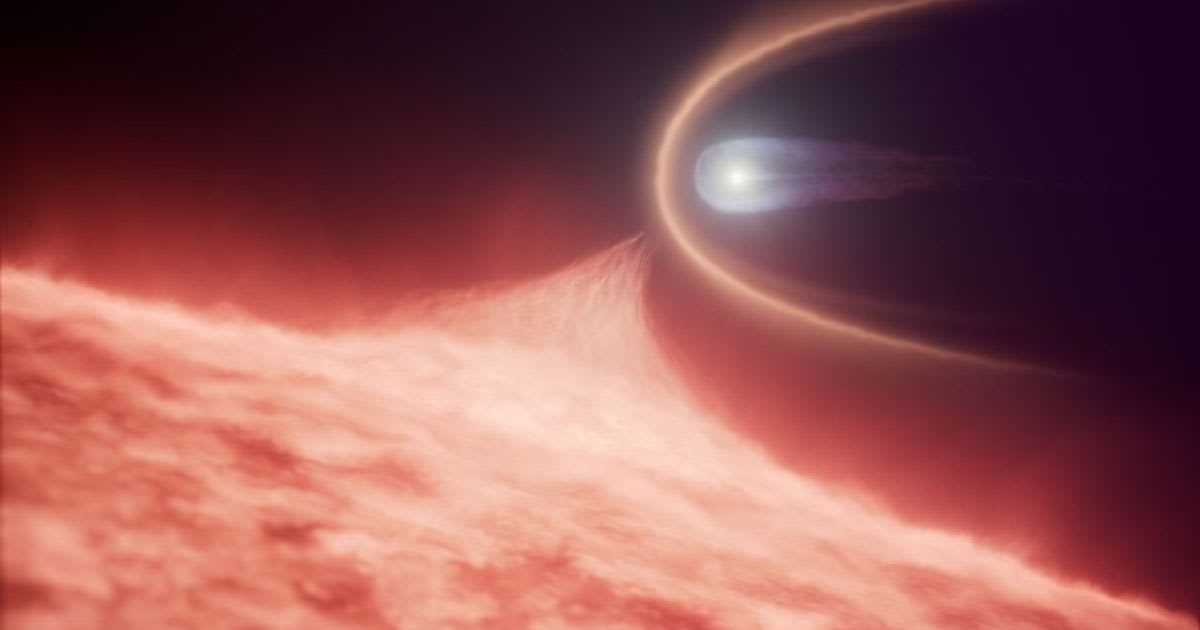
Previous attempts to pinpoint the next eruption date relied on a sudden dimming of T CrB’s light, observed since late 2023, that mirrored the behavior seen before the 1946 event. However, lacking data on the pre-eruption characteristics of the 1787 and 1866 eruptions, astronomers have sought a more consistent predictive method. A new analysis suggests an empirical connection between the eruptions and the system's 228-day orbital period. By meticulously examining past eruption dates, researchers discovered that the time between successive blasts, including the 1217, 1787, 1866, and 1946 events, was consistently an exact integer multiple of the system's orbital revolution time.
While this orbital periodicity offers a tightly constrained timeline for the next event, astronomers caution that these are tentative predictions. The non-strictly periodic nature of the eruptions, possibly influenced by fluctuations in the material transfer rate between the two stars, means constant monitoring is necessary. The imminent nova is expected to be a global scientific event. Observers are being urged to maintain vigilance, as the surge in brightness will trigger an unprecedented, multi-wavelength observational campaign, spanning from gamma-rays to radio waves, providing vital data to finally decode the physical mechanisms behind these powerful recurrent stellar explosions.

The celestial excitement isn't limited to T CrB. Astronomers are now closely monitoring a second system, V Sagittae (V Sge), which exhibits a highly aggressive and chaotic state that strongly suggests a violent, imminent stellar outburst also visible to the naked eye. Details of the star system's extraordinary properties were recently published in the Monthly Notices of the Royal Astronomical Society, outlining a unique and highly aggressive mass-transfer process. Unlike the regularly scheduled nova of T CrB, V Sge is a cataclysmic binary system consisting of a massive main-sequence star being rapidly cannibalized by a dense stellar remnant, likely a white dwarf or a closely related Wolf-Rayet star.
More on Starlust
'Stripped-to-the-bone' supernova offers first direct look inside a dying star's core