Beaver Moon 2025: When and how to see the November Supermoon
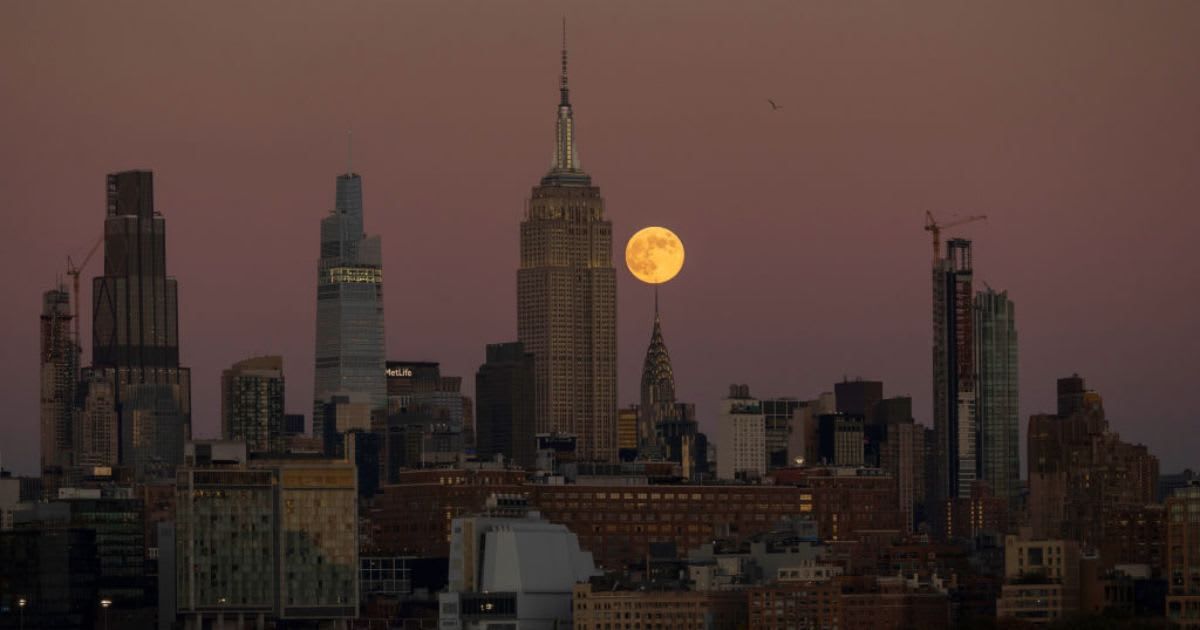
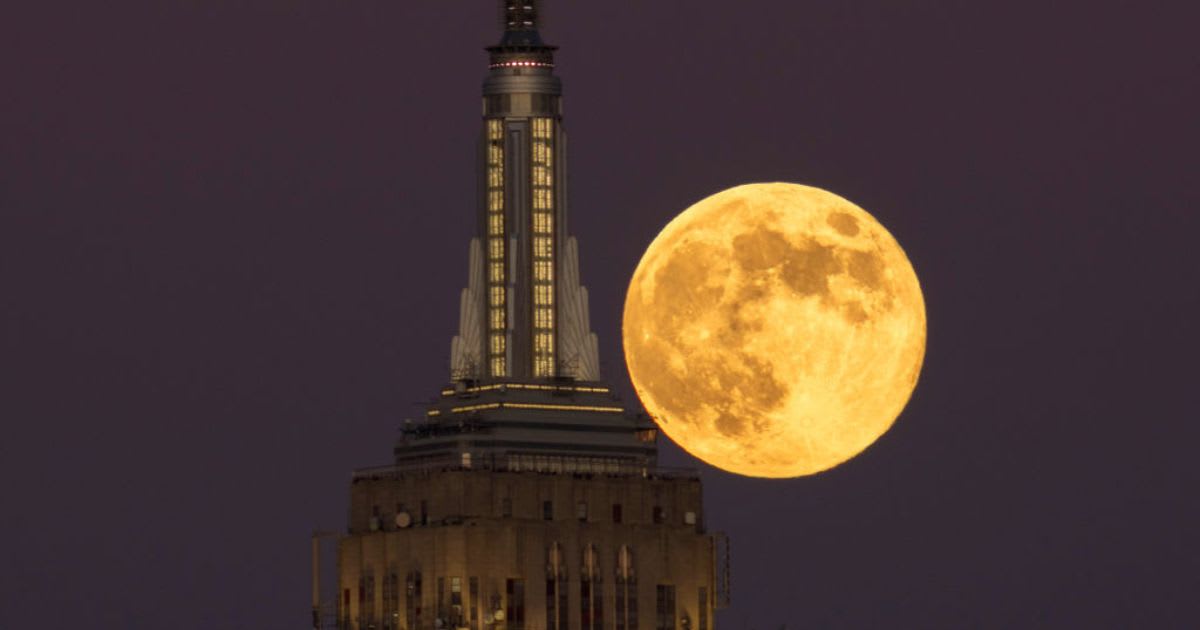
The year's most impressive celestial show takes place in early November as the Full Moon reaches its closest point to Earth, earning it the "Supermoon" designation. Sky-gazers are advised to look up on the evenings of November 4 and 5 to catch the spectacular event, as per the ALMANAC.
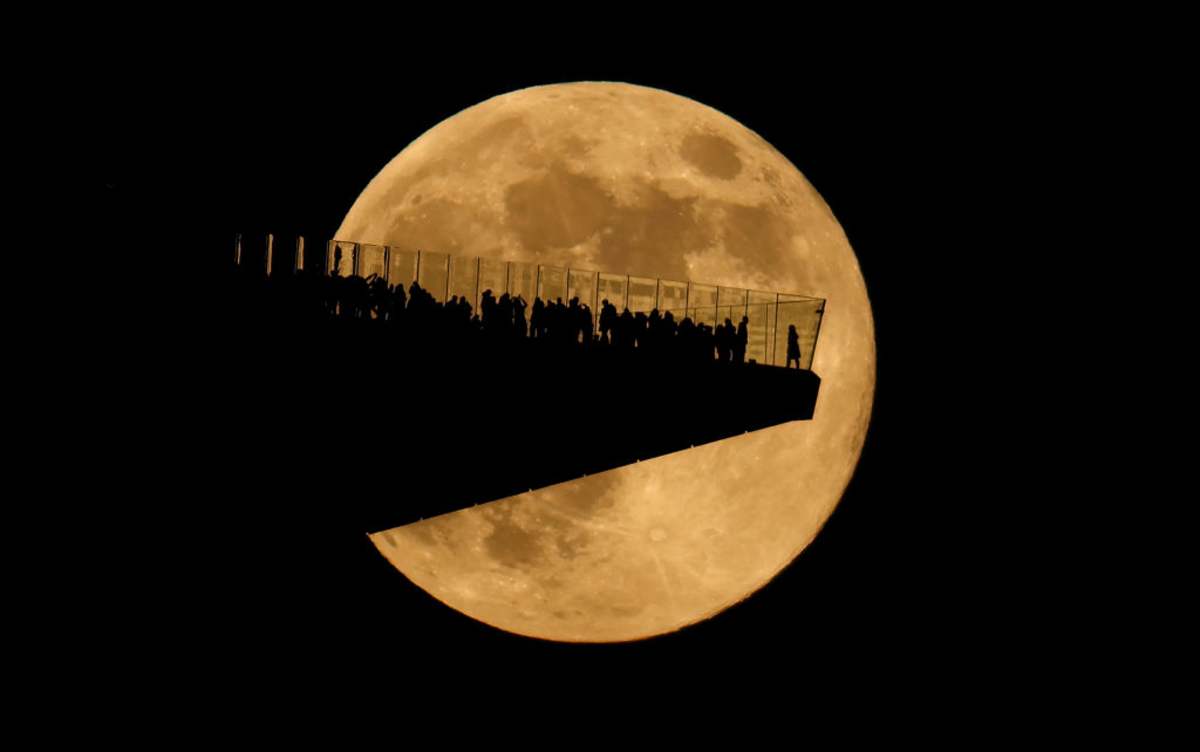
The astronomical phenomenon, popularly known as a Supermoon, will reach its zenith on Wednesday, November 5, 2025. While peak illumination occurs at 8:19 a.m. EST, the Moon will be below the horizon for observers in the United States. Therefore, prime viewing opportunities will be available on the nights immediately preceding and following the peak, Tuesday, November 4, and Wednesday, November 5.
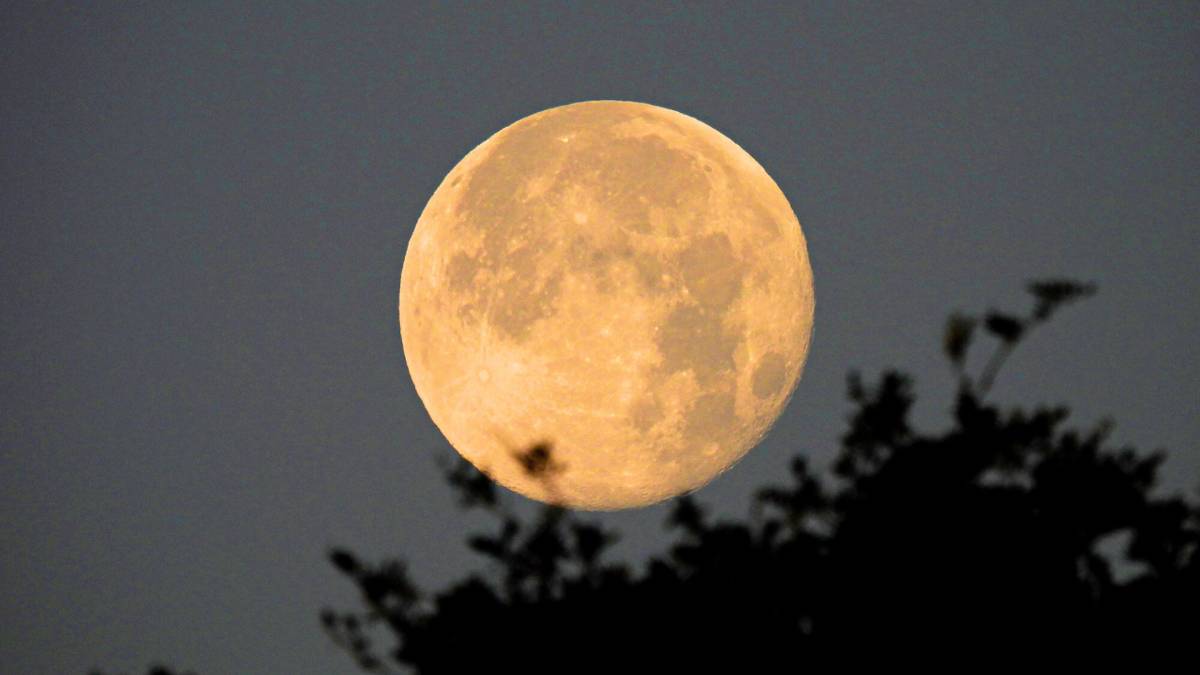
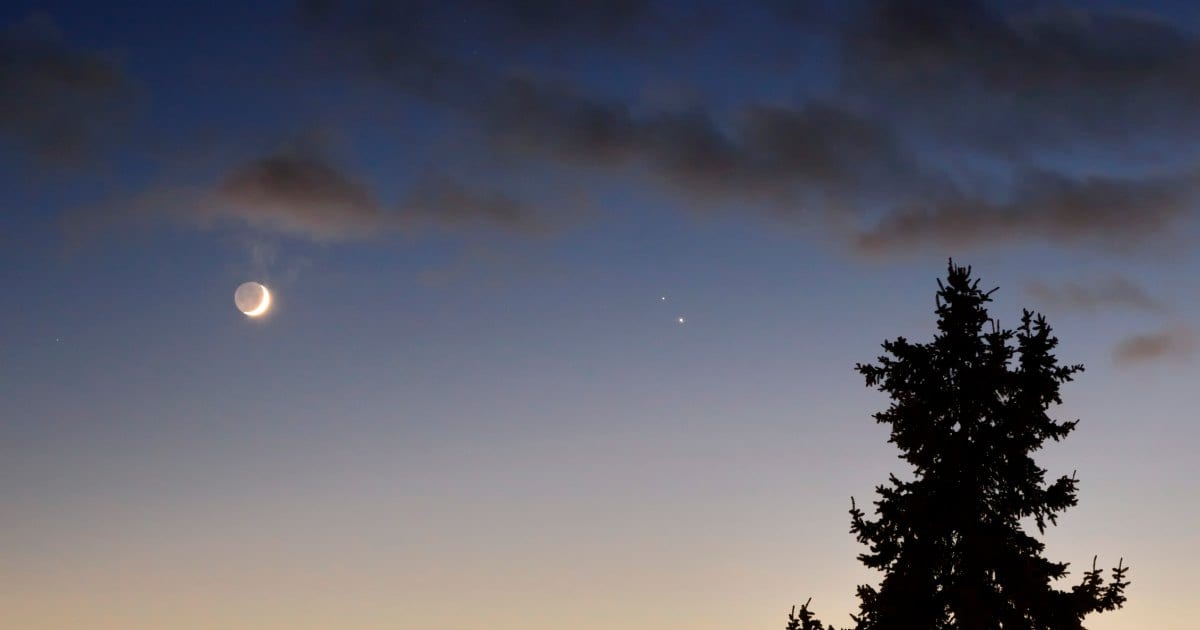
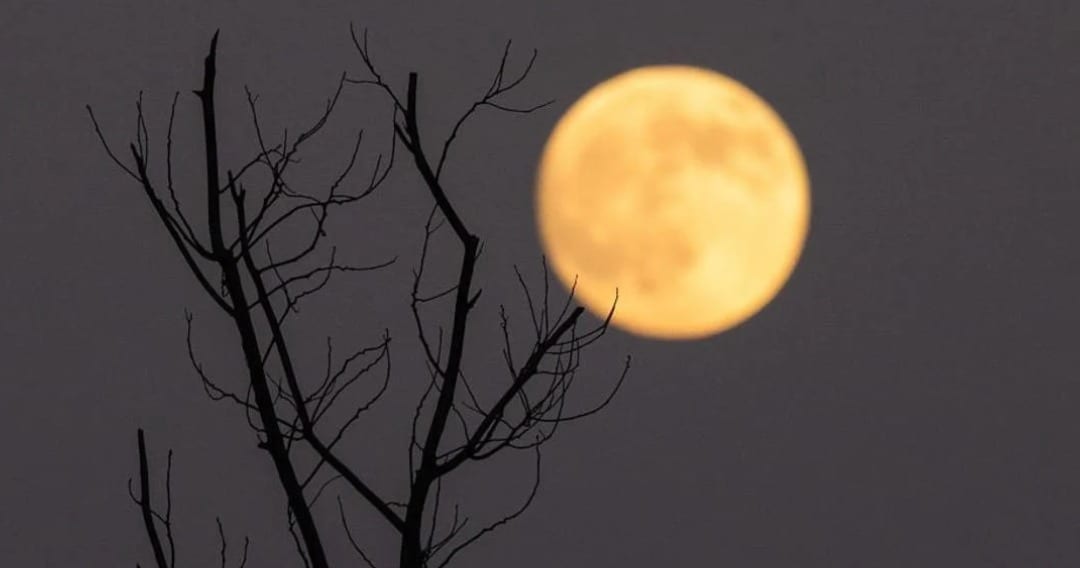
The November Full Moon is set to orbit closer to our planet than any other Full Moon this year. At its nearest point, it will be a mere 221,817 miles (356,980 kilometers) away, officially securing its title as the closest Supermoon of 2025. Although the scientific term for this event is a perigean Full Moon, indicating the Moon is at or near the closest point in its elliptical orbit, the "Supermoon" moniker is a catchier term for the public. While the Moon will technically appear about 7% larger and brighter, this difference is often difficult for the unaided human eye to distinguish. Its appearance low on the horizon around sunset, however, may cause it to look dramatically larger and more amber-hued, a phenomenon known as the "Moon Illusion."
The traditional name for the November Full Moon, the "Beaver Moon," stems from a period when beavers concluded their preparations for winter, retreating to their lodges after storing enough food. Historically, during the North American fur trade, this period also marked the peak season for trapping beavers due to their thick, winter-ready pelts. Other names given to the November Moon by various Indigenous communities often reflect the seasonal change. These include the Dakota and Lakota Deer Rutting Moon (referencing the mating season for deer) and the Algonquin Whitefish Moon (for the fish spawning time). The approaching cold is highlighted by the Cree and Assiniboine names, Frost Moon and Freezing Moon, respectively.
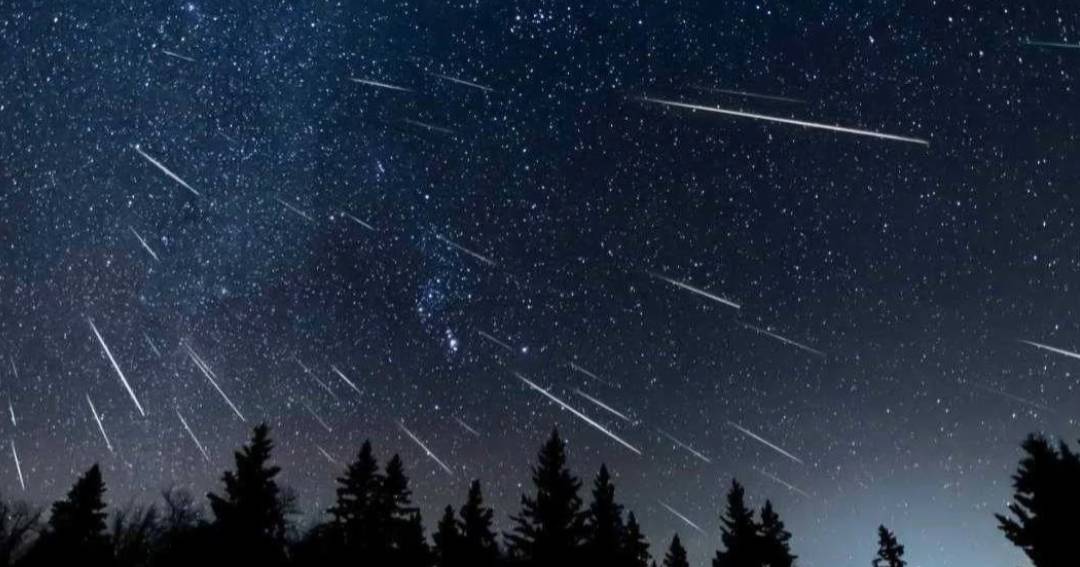
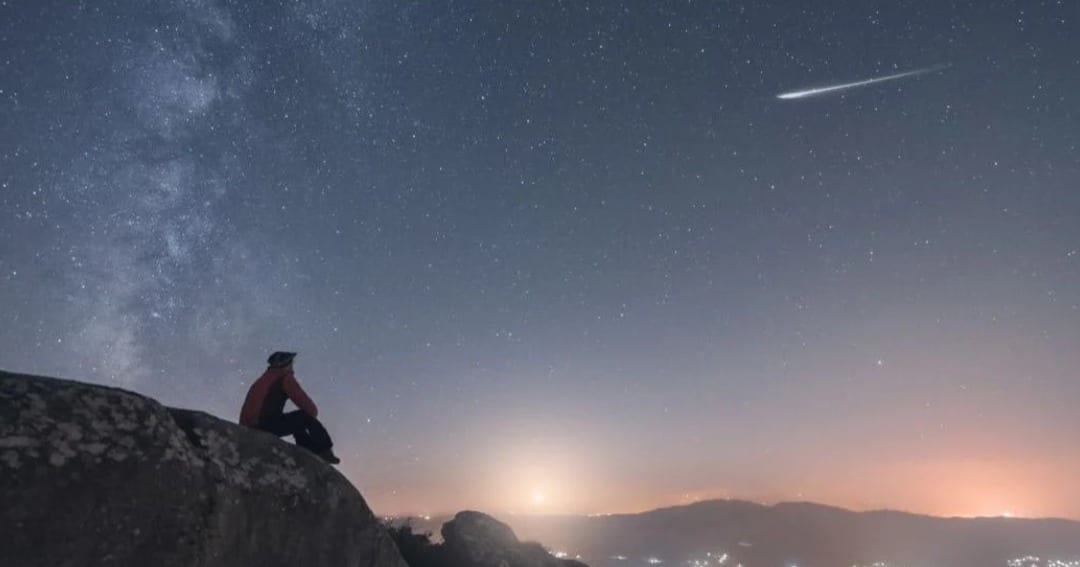
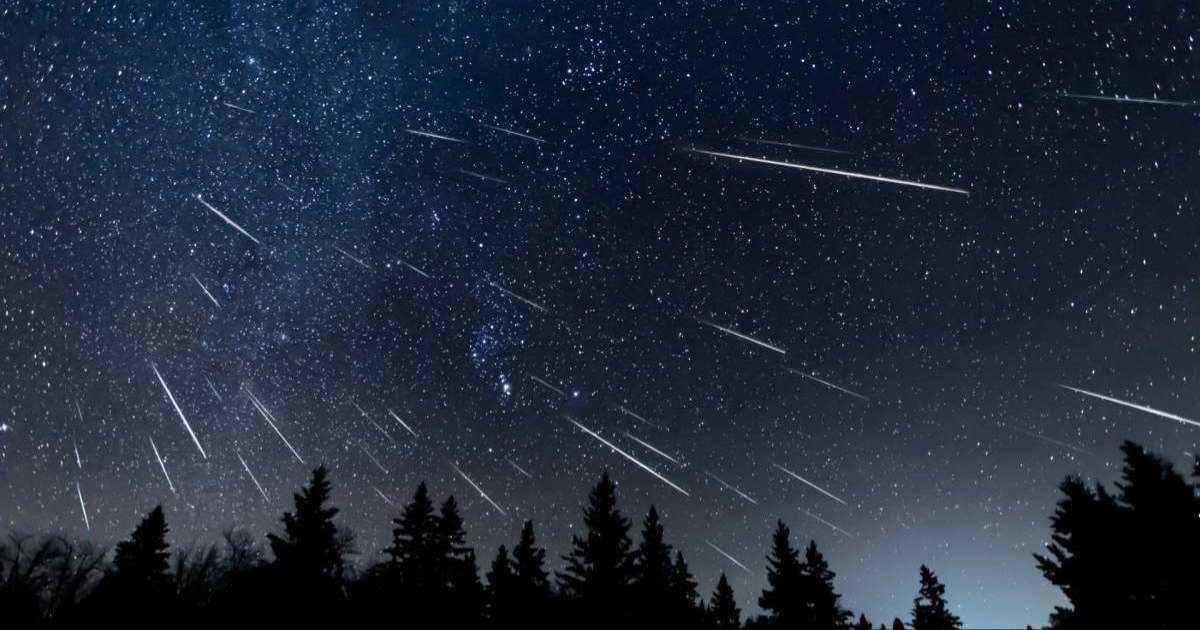
Adding to the spectacle, stargazers will also be on alert for the Southern Taurids meteor shower, which is set to reach its most active phase on the same night as the Supermoon's peak: November 4-5, 2025. This year's Taurids display is particularly anticipated because it falls during a "swarm year," a period where Earth passes through a denser field of debris from its parent body, Comet 2P/Encke. This rare alignment significantly increases the probability of observers seeing a greater number of stunning, bright fireballs.
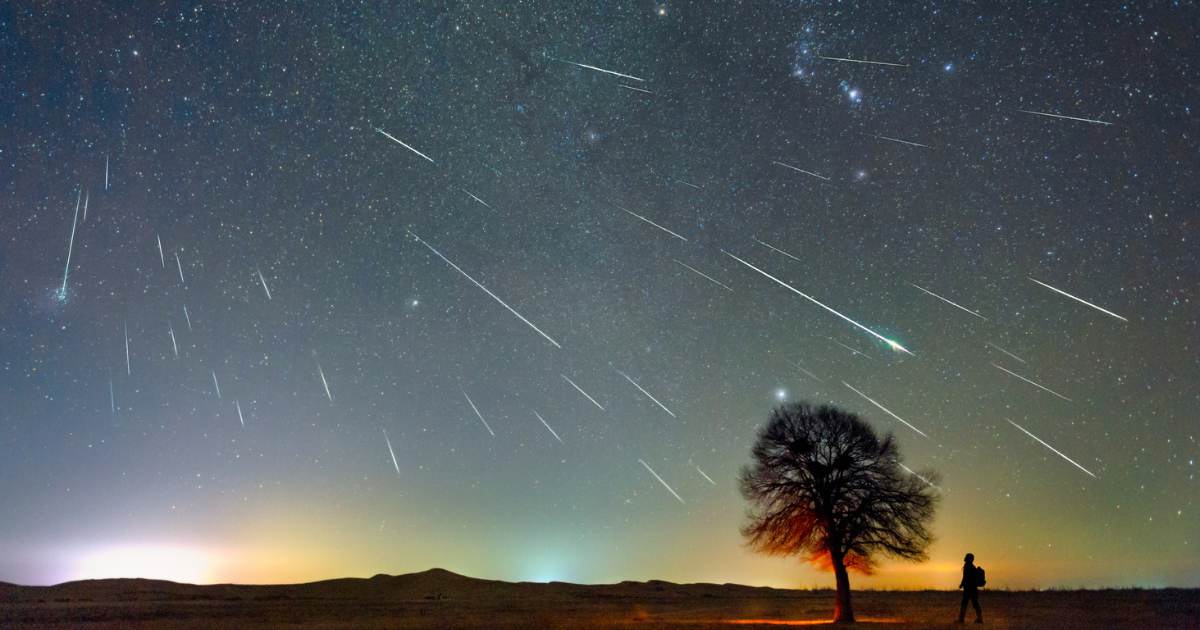
However, the powerful light from the 100% Full Moon presents a major challenge. The intense natural light pollution will, unfortunately, obscure the majority of fainter meteor trails. Only the most brilliant streaks, the aforementioned fireballs, are expected to cut through the moonlight. Despite the lunar interference, the Southern Taurids remain a favorite for their distinctive characteristics. They are notably slow-moving, crossing the sky at roughly 17 miles per second, and are famous for generating exceptionally large and luminous meteors.