Is comet C/2025 A6 (Lemmon) still visible to the naked eye this week? Here's how to spot it

Despite having made its closest flyby of Earth exactly one week ago, Comet C/2025 A6 (Lemmon) remains an accessible target for sky-watchers this week, although viewing conditions are quickly becoming challenging, as per Sky Live.
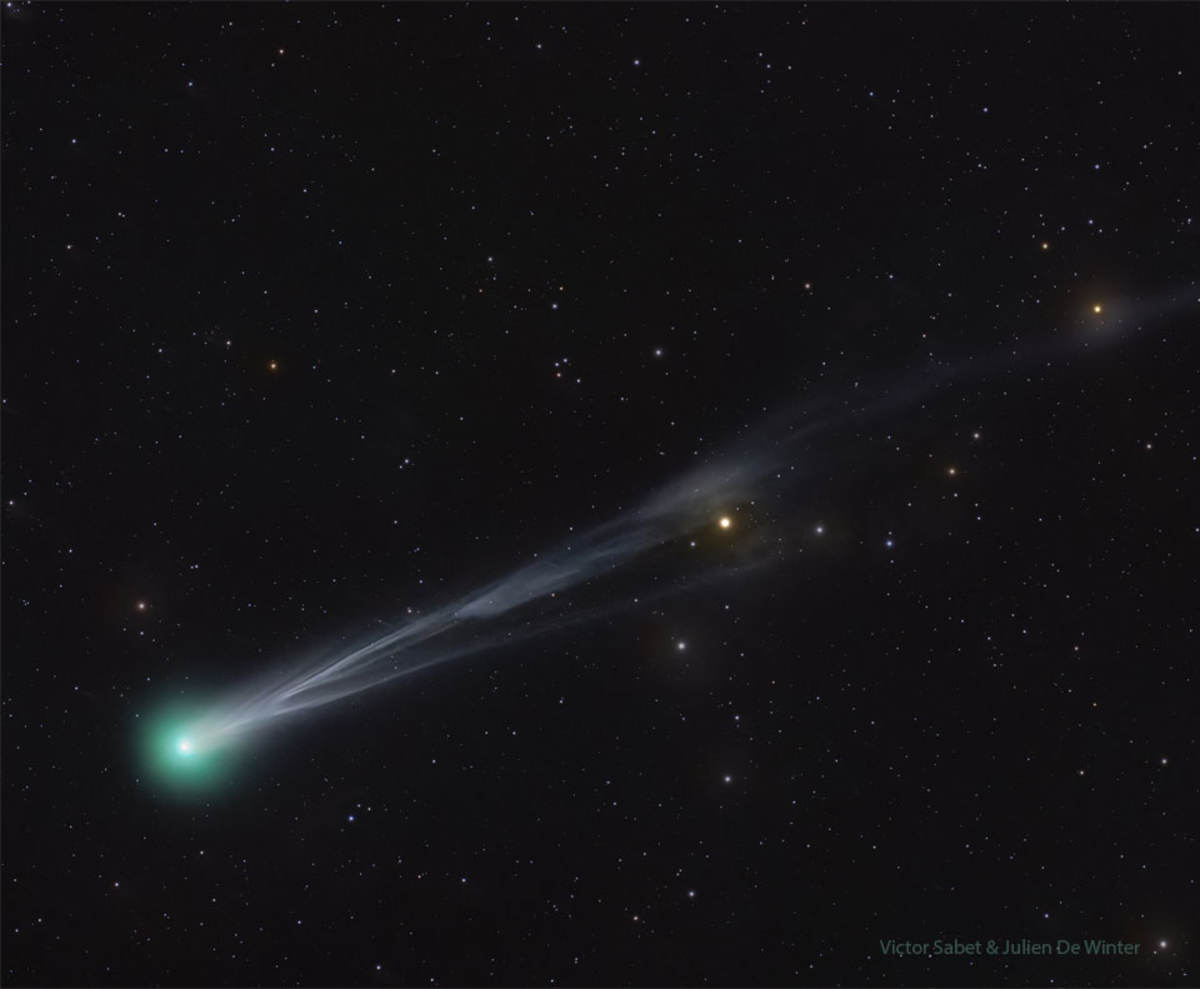
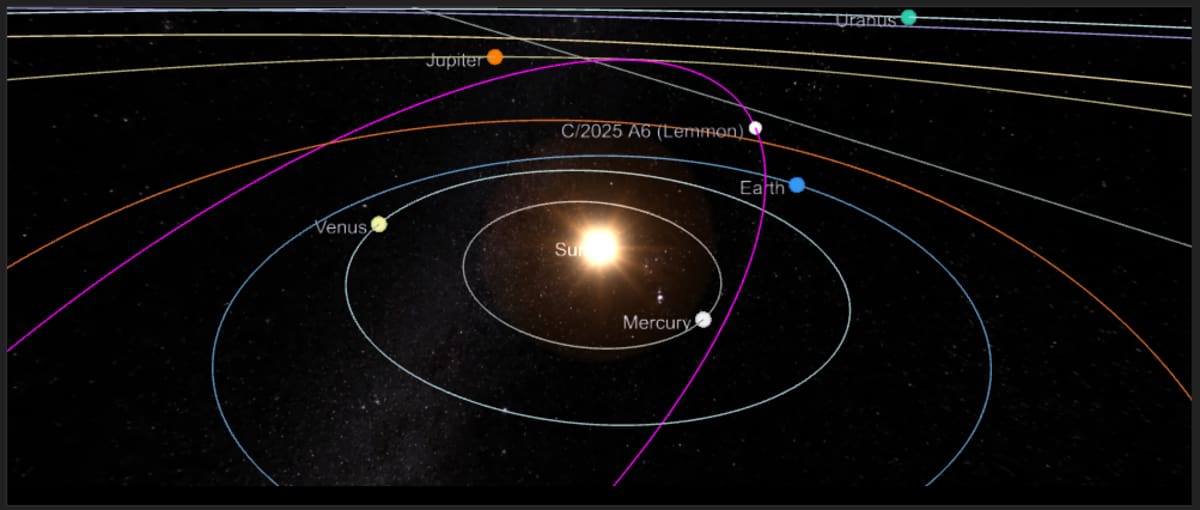
The icy visitor, which passed within 89.2 million kilometers (0.596 AU) of our planet on Tuesday, October 21, is now at a distance of over 63.3 million miles and continuing to recede. As of today, October 28, the comet is currently positioned within the constellation Serpens. Its latest observed brightness stands at a visual magnitude of 4.7. While objects up to magnitude 6 can theoretically be glimpsed by the unaided eye in exceptionally dark locations, the comet will appear as a subtle, faint, fuzzy patch rather than a distinct spectacle.
Astronomers strongly advise the use of binoculars (such as 7 × 50 or 10 × 50) to guarantee a satisfying observation. Binoculars will intensify the view, making the comet's characteristic coma, or head, and potentially a faint tail structure more apparent. A small telescope, while helpful for closer inspection, is not essential for initial sighting. Optimal viewing times are either in the late evening, following sunset, or in the predawn hours when the comet is highest above the horizon and when lunar interference is at a minimum. The comet is expected to maintain its current brightness for the rest of the week, hovering between magnitudes 4.7 and 4.8.
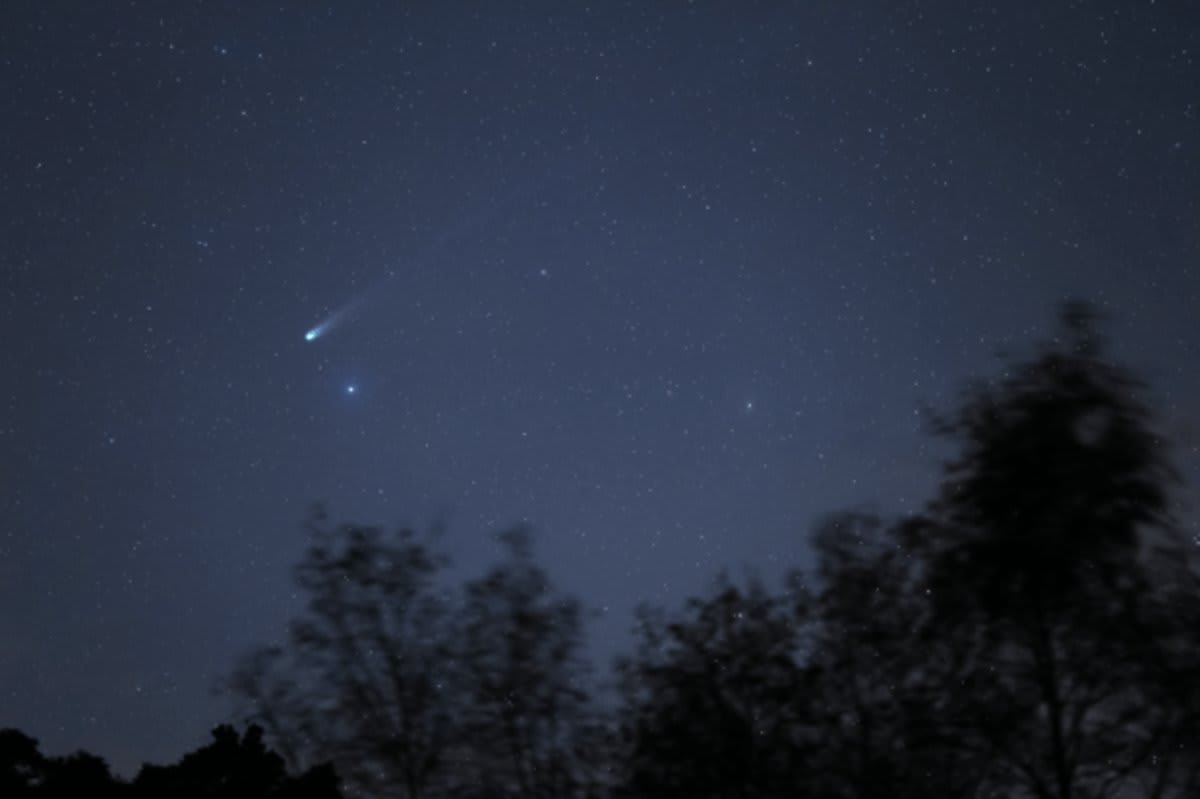
For October 29, the comet will be displaying a visual magnitude of 4.82, situated in the constellation Serpens, with coordinates at Right Ascension 16h 02m 07s and Declination +09° 25’ 12”. By October 30, its apparent brightness slightly improves to a magnitude of 4.79, but it remains within Serpens, having shifted to coordinates 16h 10m 31s and +07° 04’ 04”. The final day of October, October 31, sees the comet maintain its near-peak brightness at magnitude 4.77, marking a clear transition into the constellation Hercules. Its location on this date is 16h 18m 05s and +04° 50’ 15”.
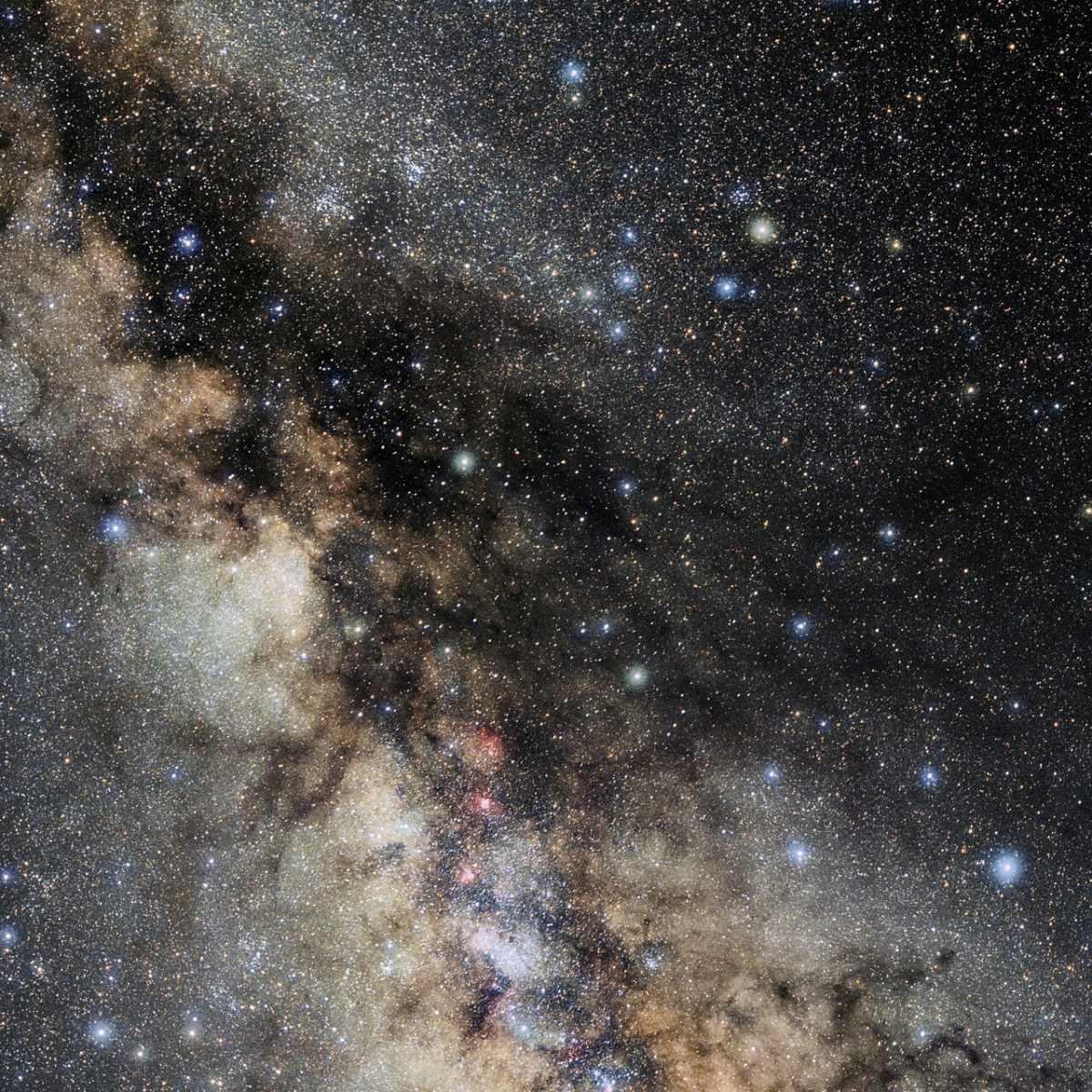
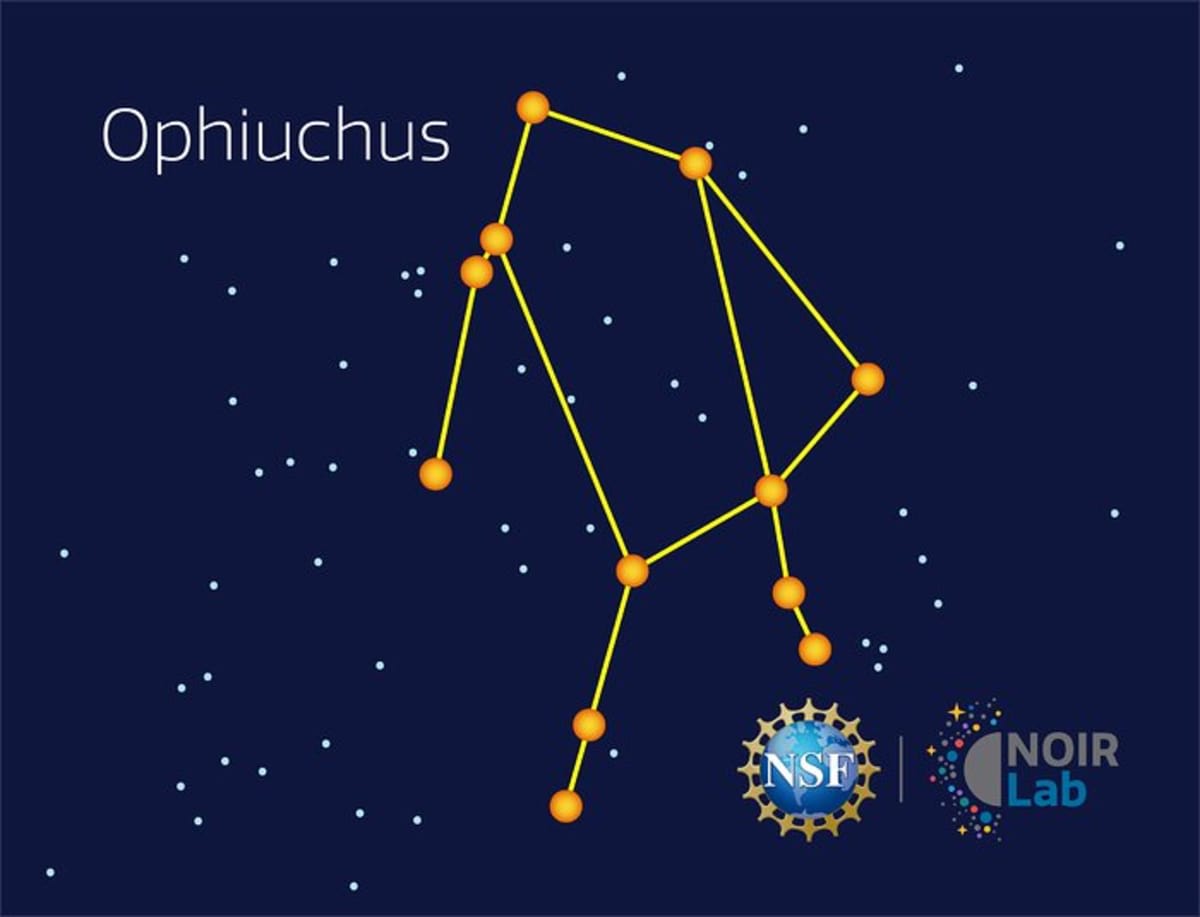
Heading into the new month, on November 1, the comet is projected to be magnitude 4.76 and move into the constellation Ophiuchus, positioned at Right Ascension 16h 24m 52s and Declination +02° 43’ 50”. Finally, on November 2, the comet maintains a magnitude of 4.76 and remains in Ophiuchus. Its coordinates will be Right Ascension 16h 30m 58s and a much lower Declination of +00° 44’ 46”.
The comet's official designation, C/2025 A6 (Lemmon), reflects its distant origins and its discovery earlier this year. Named after the survey that first identified it, the comet was initially spotted in January by astronomers operating the Mount Lemmon Survey in Arizona. This icy object is an extremely distant traveler, having spent the vast majority of its existence residing in the remote reaches of the outer Solar System, well beyond the orbit of the ice giant Neptune.
More on Starlust
Solar storm temporarily rips apart comet Lemmon's tail in rare celestial spectacle