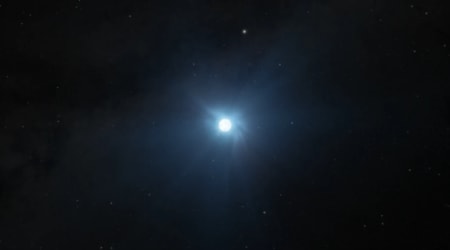
Vera Rubin first look imaging captures stellar stream around spiral galaxy Messier 61
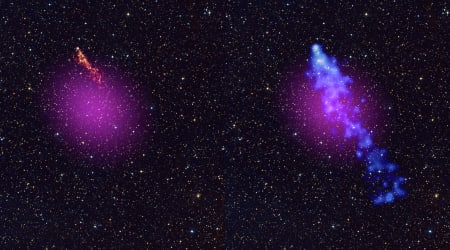
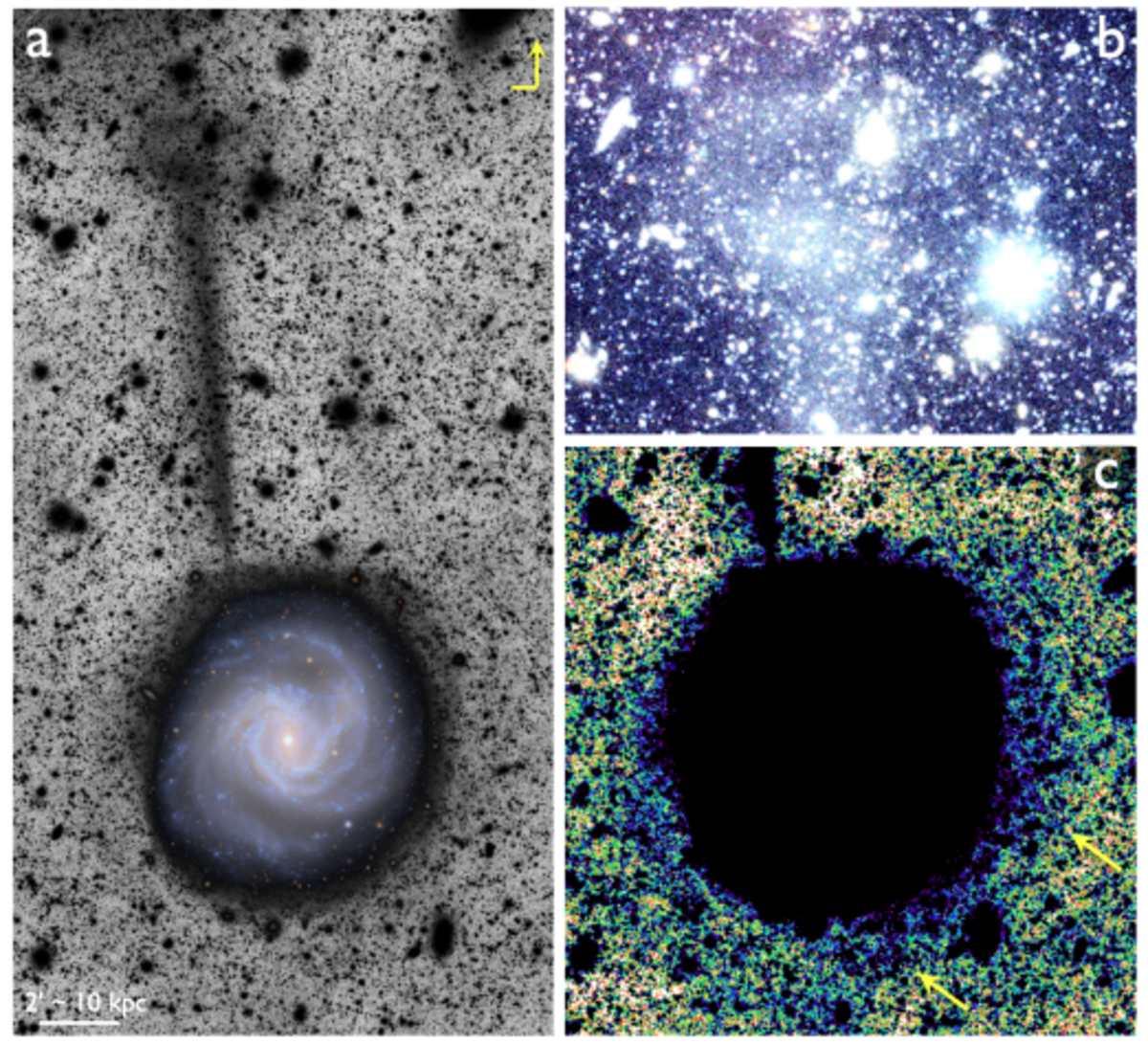
The Vera Rubin Observatory (VRO), while still undergoing commissioning ahead of its full Legacy Survey of Space and Time, has already yielded a significant finding: the detection of a vast stellar stream encircling the spiral galaxy Messier 61 (M61). This initial discovery, detailed in a new research letter titled "A stellar stream around the spiral galaxy Messier 61 in Rubin First Look imaging," showcases the unprecedented power of the VRO's primary camera.
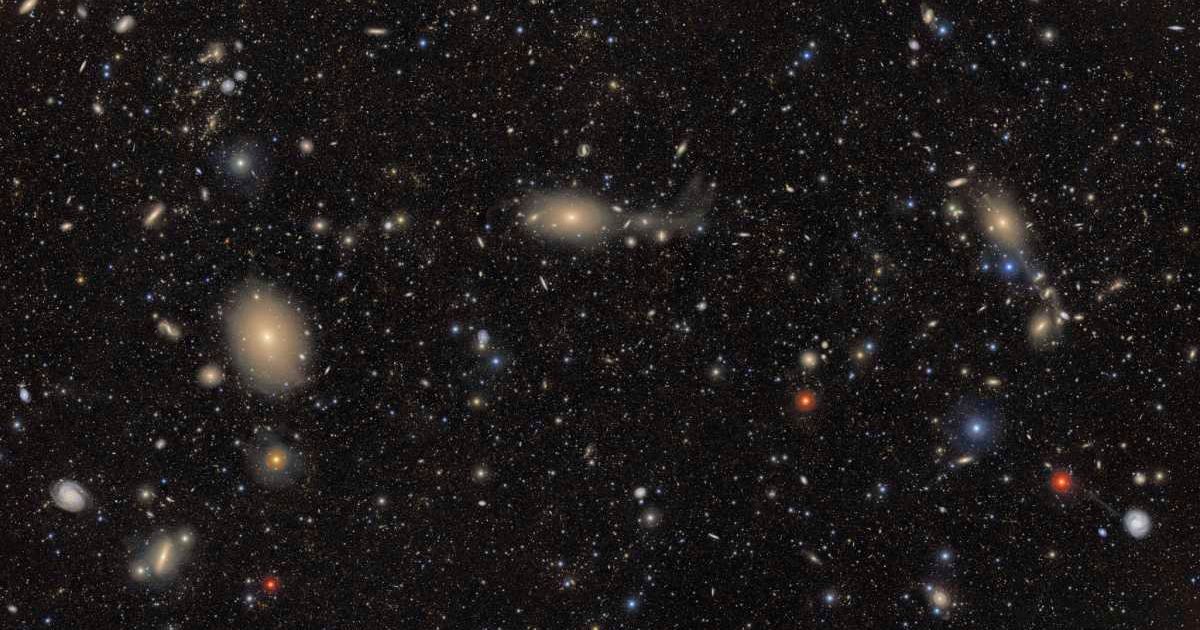
The revelation comes from the observatory's Virgo First Look images, which were captured in June 2025 as part of the initial camera testing process. Although the Virgo Cluster of galaxies is extensively studied, the VRO's inaugural observations brought forth previously indiscernible features, according to Universe Today. Researchers, led by Aaron Romanowsky from San Jose State University's Department of Physics & Astronomy, highlighted the dramatic nature of the stream, noting it "stands out" among the newly visible details.

The newly identified stellar ribbon extends an astonishing 163,000 light-years in length, dwarfing the more familiar stellar streams found within our own Milky Way galaxy, which typically span tens of thousands of light-years. Such streams are the cosmic remnants of smaller stellar systems, like dwarf galaxies or globular clusters, that have been gravitationally torn apart by the larger host galaxy's immense tidal forces, scattering their stars along an elongated orbital path. The team suggests this colossal stream, set to be published in the Research Notes of the American Astronomical Society, may be a key indicator of M61's evolutionary history. Like the Milky Way, M61 is a giant spiral galaxy that continually absorbs smaller systems, a process that shapes its structure.
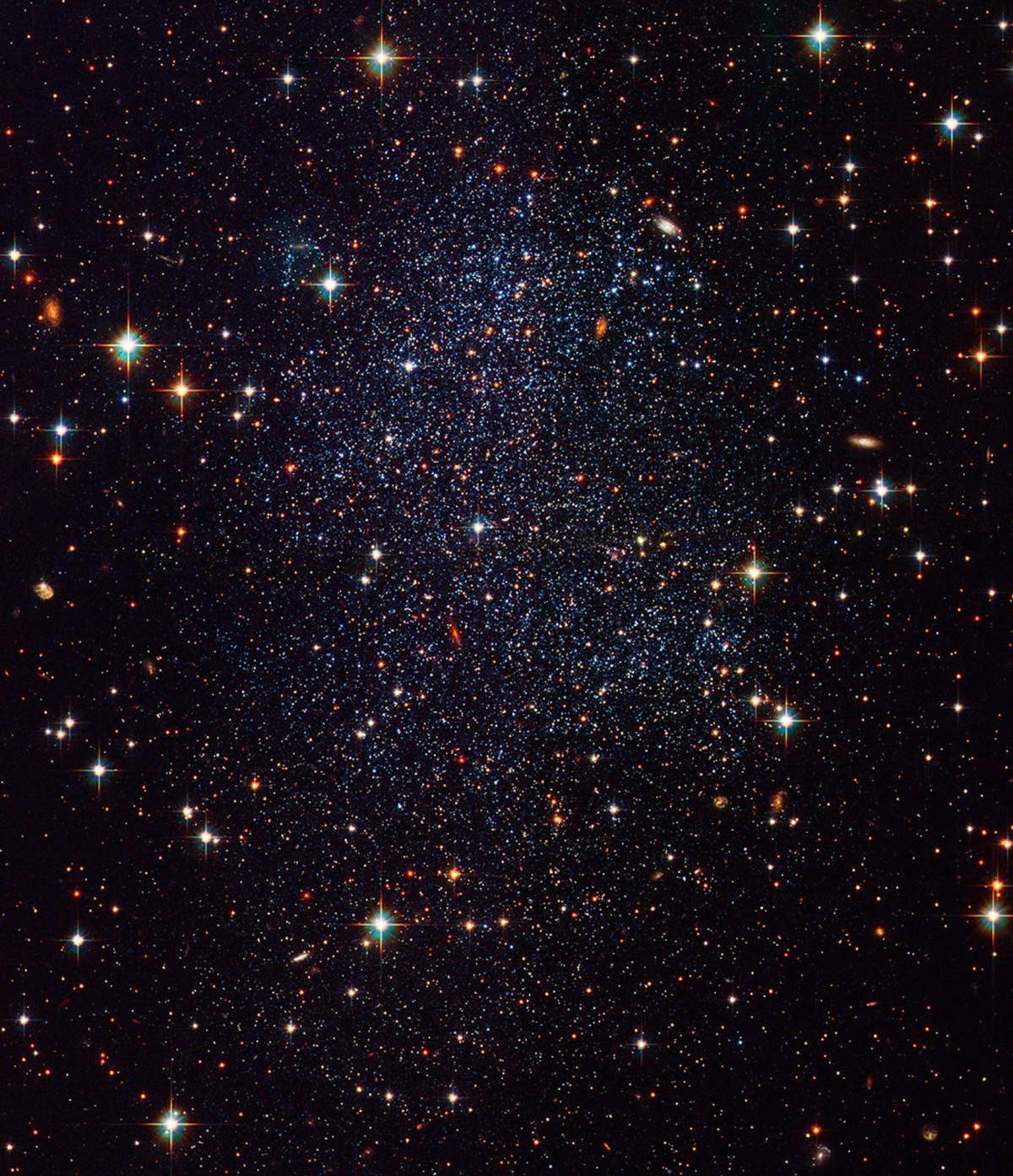
The authors postulate that the disrupted progenitor galaxy of this stream could be responsible for a range of fundamental changes within M61, including the formation of its central bar structure, a starburst event that occurred approximately 10 million years ago, and even the activity of its galactic nucleus. They draw a parallel to the Milky Way's interaction with the Sagittarius Dwarf Spheroidal Galaxy, whose multiple passes have been shown to trigger episodes of intense star formation in our galaxy. The discovery, which includes a complex, poorly understood plume at the stream's northern end, signals a forthcoming "treasure trove of substructures" that the Rubin Observatory is expected to unveil around numerous other galaxies.
The VRO's early imaging period also provided a broader glimpse into the observatory's groundbreaking capabilities. These initial commissioning shots, captured by the world's largest digital camera, showcased a spectacular nebula, a dense field of luminous stars, and a variety of magnificent spiral galaxies. The land-based telescope's ability to combine a vast, wide-angle view with high-resolution imaging is precisely what astronomers believe will revolutionize the field.

This spectacular initial cosmic panorama, however, represents a minuscule fraction of what is to come. These first images cover just 0.5 percent of the total galaxies the VRO is slated to capture for the Legacy Survey of Space and Time (LSST). Over its planned ten-year duration, the observatory is expected to catalog a staggering 20 billion galaxies, an estimated one-tenth of all galaxies believed to exist in the observable universe. To put that into perspective, an individual would need over 633.8 years to spend just a single second examining each object in the final catalog.
More on Starlust
First spectacular images from Vera C. Rubin Observatory are finally here