Breakthrough discovery may finally explain why the Sun's outer atmosphere burns hotter than its surface
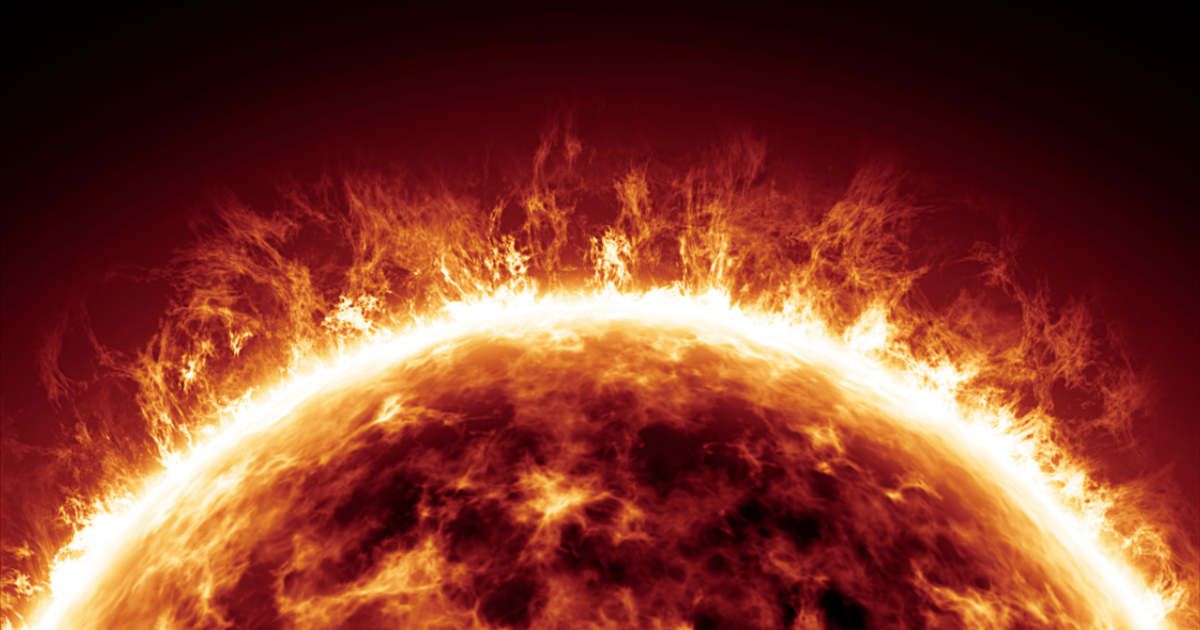
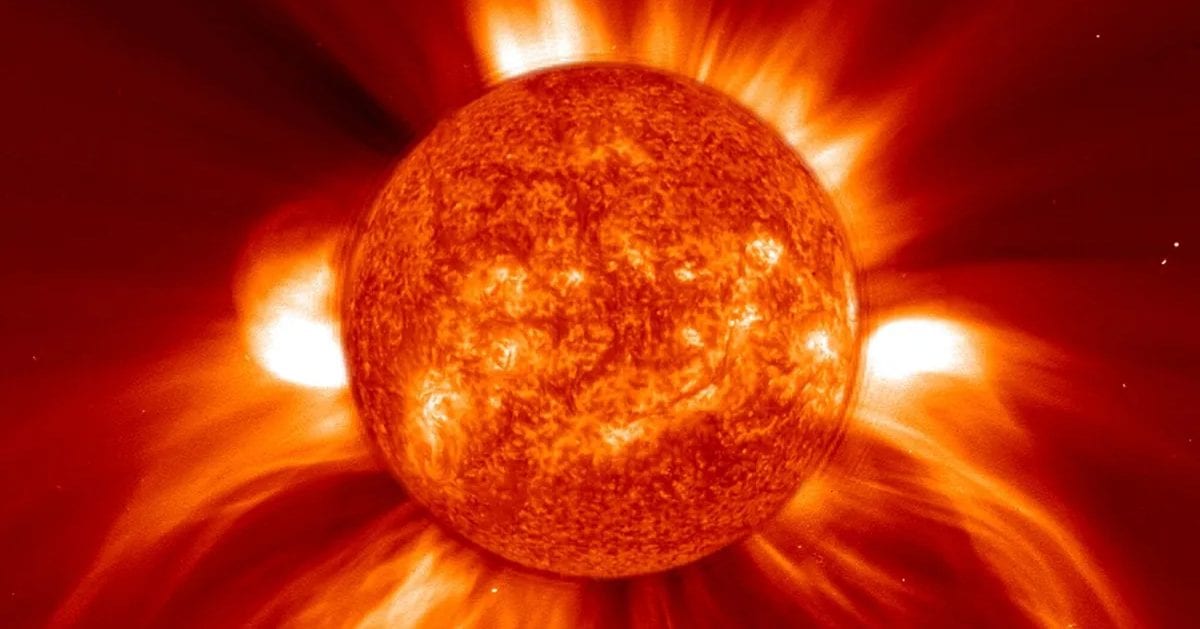
An eighty-year scientific quest has culminated in a breakthrough discovery that could finally solve the decades-old mystery of why the Sun's outer atmosphere, the corona, is drastically hotter than its surface, according to Northumbria University.
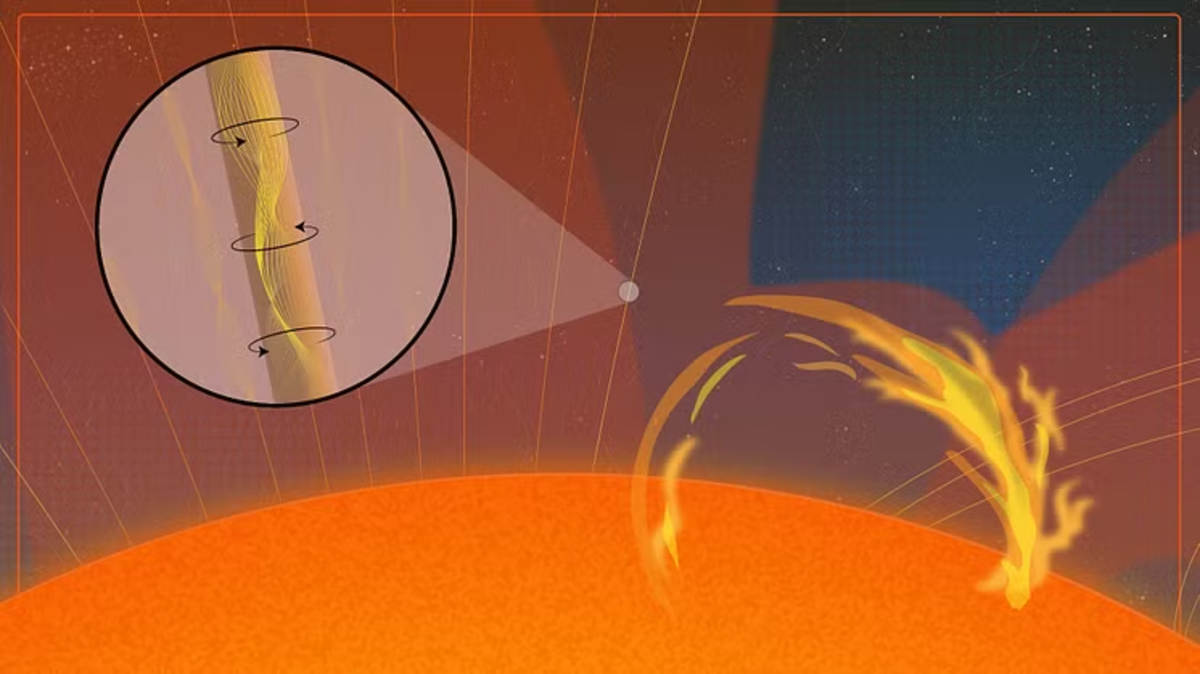
Using the world's most powerful solar observatory, the NSF Daniel K. Inouye Solar Telescope in Hawaii, a team of international researchers has achieved the first direct observation of the elusive, small-scale torsional Alfvén waves. These persistent, twisting magnetic disturbances were first theorized in the 1940s and are now believed to be the energy source powering the corona's extreme heat.
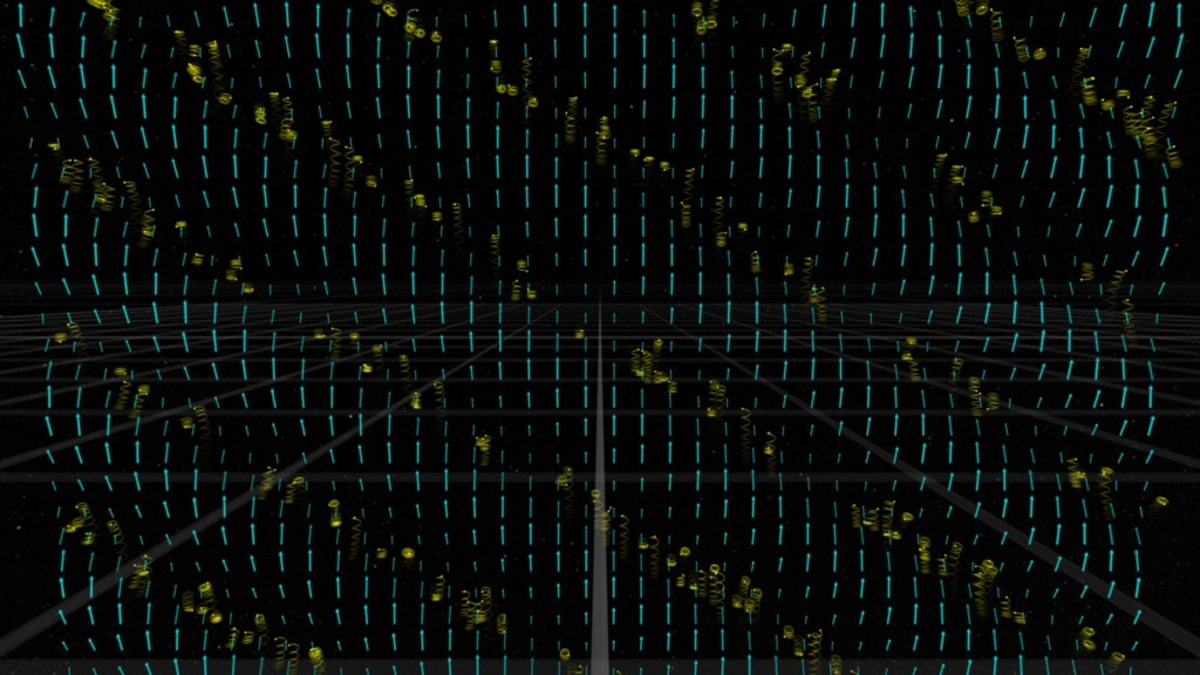
While scientists have previously spotted larger, isolated versions of Alfvén waves, often linked to explosive solar flares, this new finding marks the first time the continuously present, tiny twisting type has been directly observed. The Sun's surface simmers at a relatively cool 5,500°C, but the corona soars to millions of degrees, a fundamental puzzle in astrophysics. The discovery, detailed in the journal Nature Astronomy, was spearheaded by Professor Richard Morton of Northumbria University. “This discovery ends a protracted search for these waves that has its origins in the 1940s," said Professor Morton. "We've finally been able to directly observe these torsional motions twisting the magnetic field lines back and forth in the corona."
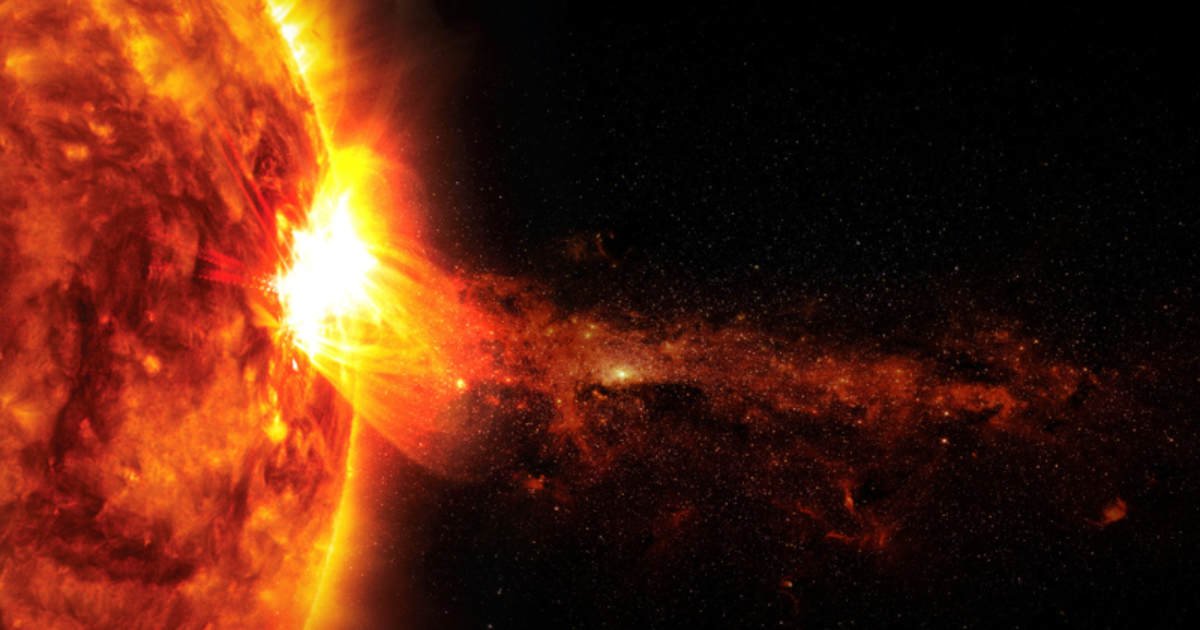
The observation was made possible by the Inouye Telescope's Cryogenic Near Infrared Spectropolarimeter (Cryo-NIRSP) instrument, the most advanced coronal spectrometer of its kind. The key to the success, however, lay in Professor Morton's development of new analytical techniques. The dominant "swaying" motions of plasma in the corona had long masked the subtle twisting of the Alfvén waves. By mathematically filtering out this larger movement, Morton was able to isolate the signature of the twisting waves using spectroscopic analysis, which detects shifts in plasma moving toward and away from Earth.
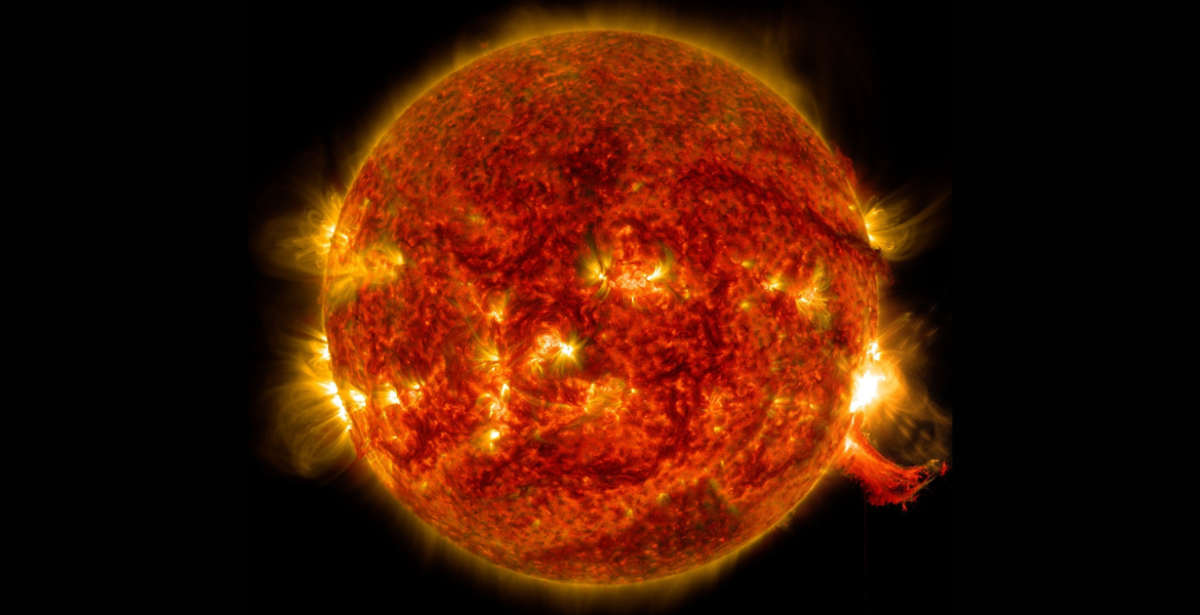
The validation of these long-sought waves is expected to ignite new research into how energy is transferred throughout the Sun's atmosphere, a process critical to understanding space weather. The solar wind, driven by the hot corona, constantly streams particles that can disrupt satellite communications, GPS systems, and power grids on Earth. Researchers believe these Alfvén waves could also be the source of magnetic switchbacks, significant energy-carrying structures previously observed by NASA's Parker Solar Probe. This groundbreaking research, a major international collaboration including institutions in the U.K., China, Belgium, and the U.S., validates theoretical models and provides a real-world test for future efforts to predict and mitigate the effects of space weather.

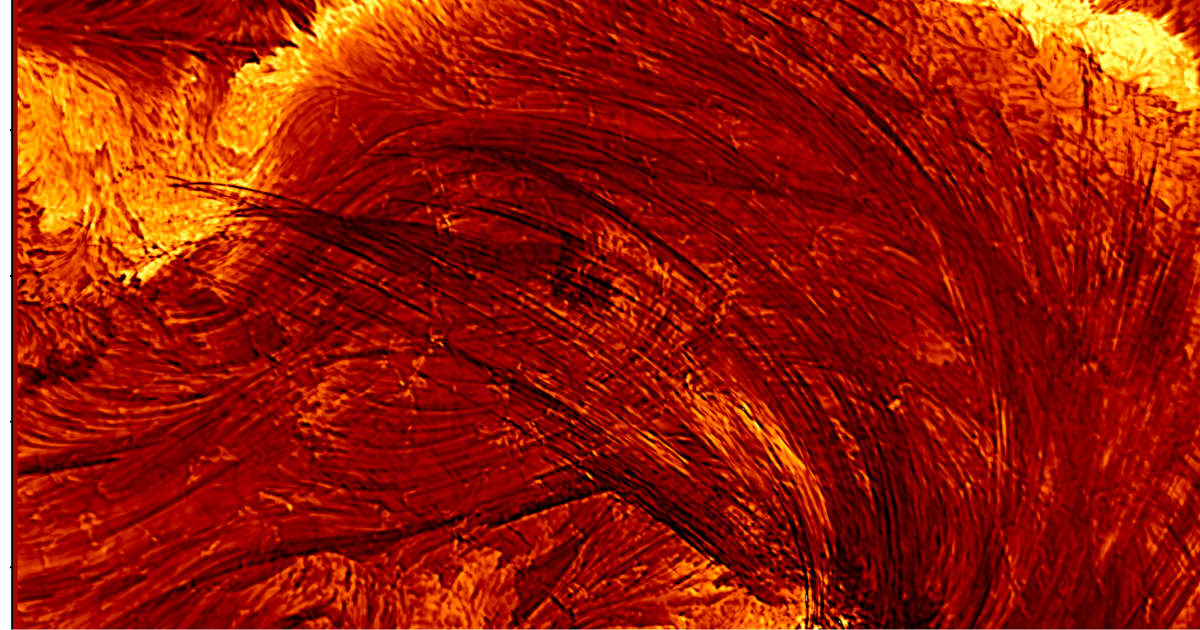
Recently, the telescope also provided its first major insight by capturing the clearest-ever H-alpha images of a powerful solar flare, delivering unprecedented detail into the Sun's magnetic architecture. The observation, detailed in The Astrophysical Journal Letters, showcases the finer structure of the coronal loops and magnetic fields associated with a flare's aftermath. Astronomers used the DKIST to successfully image dark coronal loop strands with remarkable clarity during the decay phase of an intense X1.3-class flare that erupted on August 8, 2024.
More on Starlust
Triple coronal mass ejections are headed to Earth and could trigger auroras in northern skies
Scientists solve 50-year-old mystery, discover solar flares 6.5 times hotter than expected