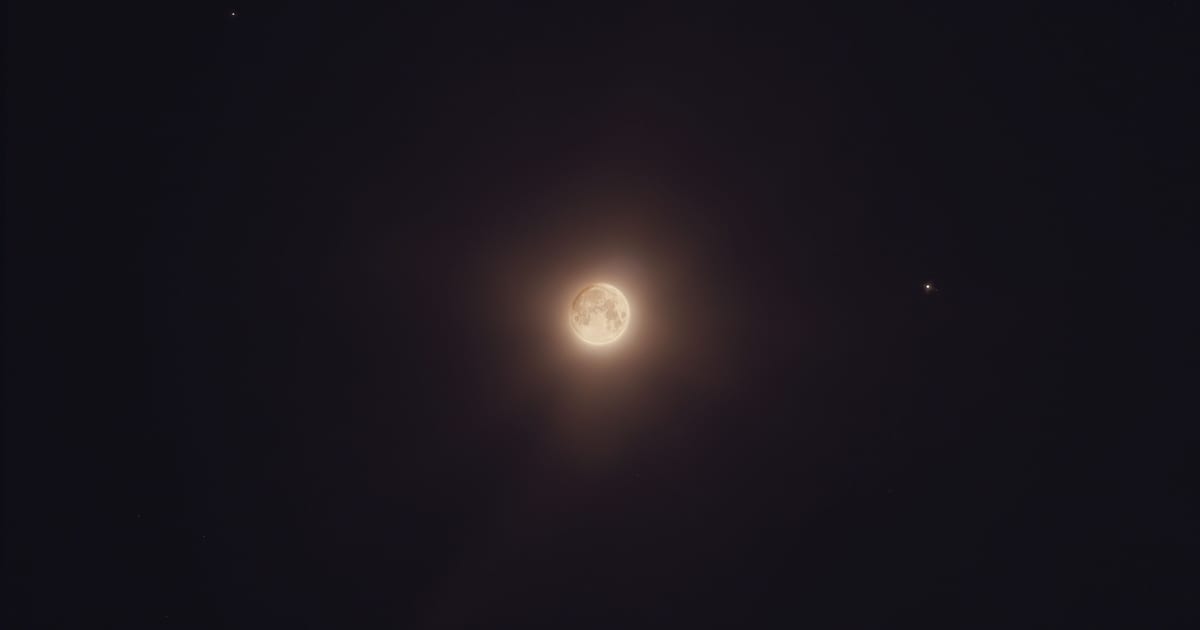
Will the Beaver Supermoon — the biggest of 2025 — be visible in your country on November 5
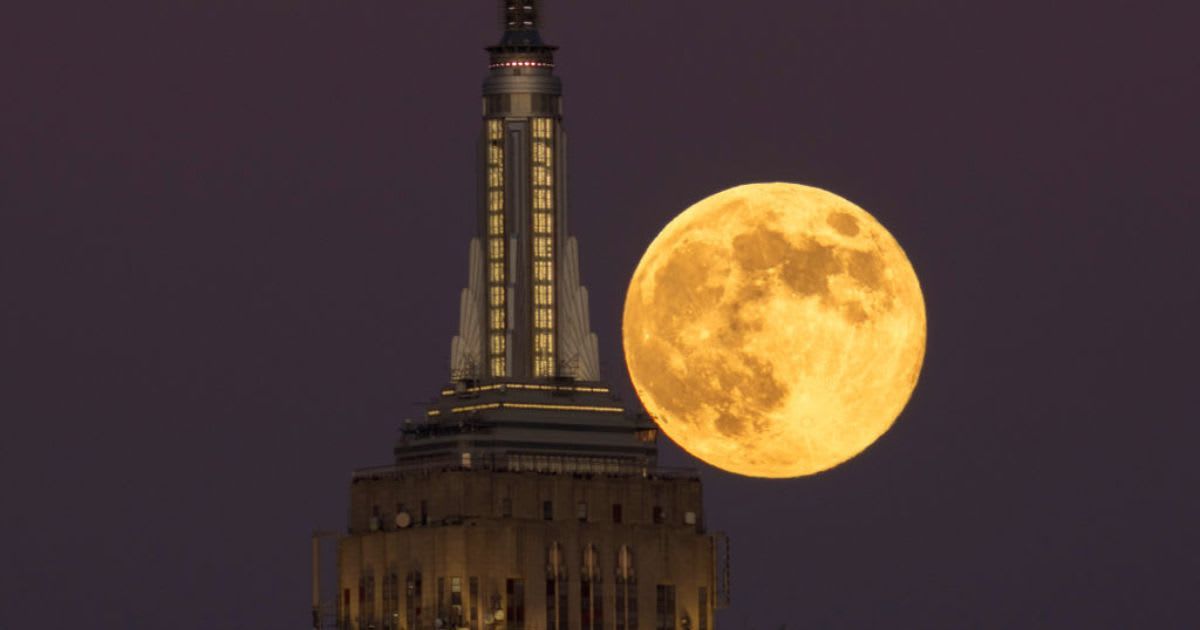
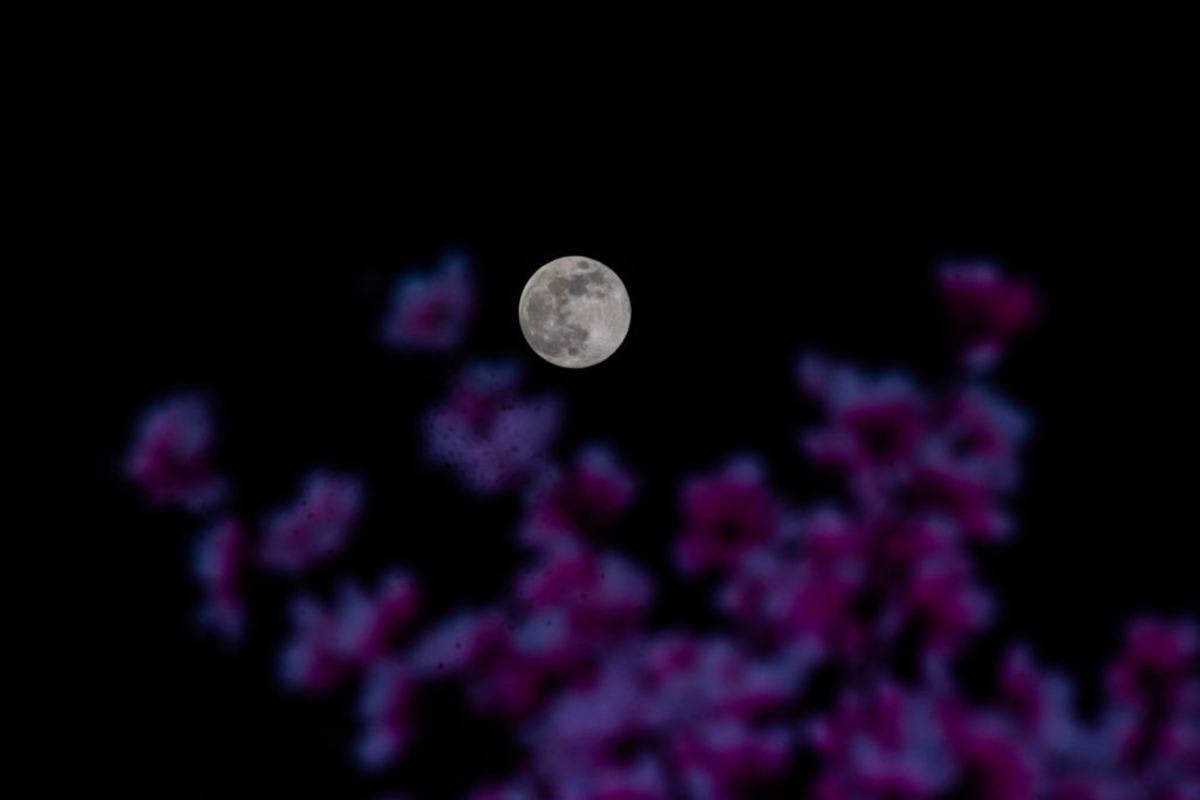
November 5, 2025, is set to feature the largest Full Moon of the year, an event popularly dubbed the "Supermoon." This celestial spectacle occurs as the Moon's elliptical orbit brings it closer to Earth than at any other time in 2025, narrowing the distance to approximately 221,817 miles (356,980 kilometers).
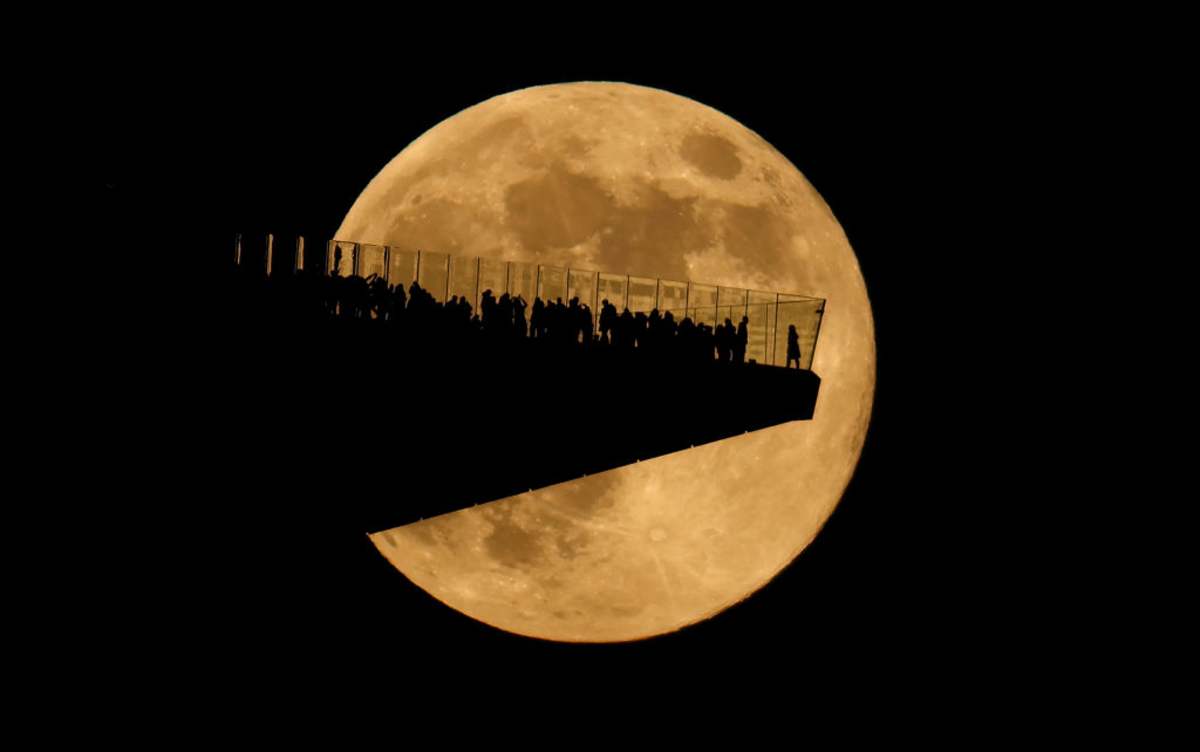
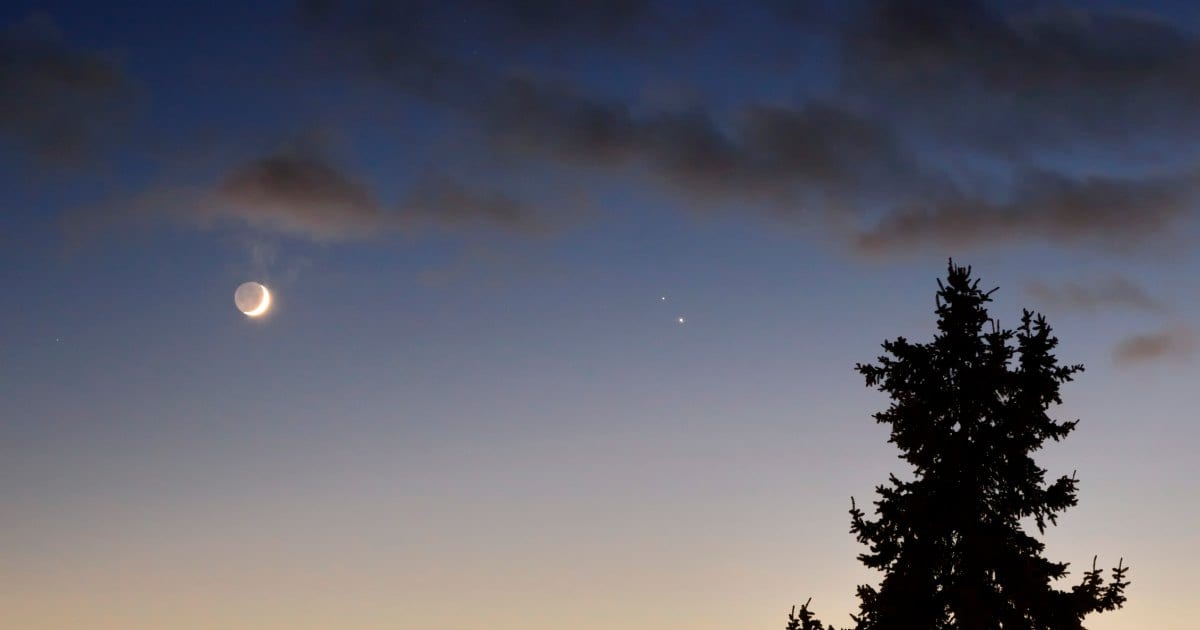
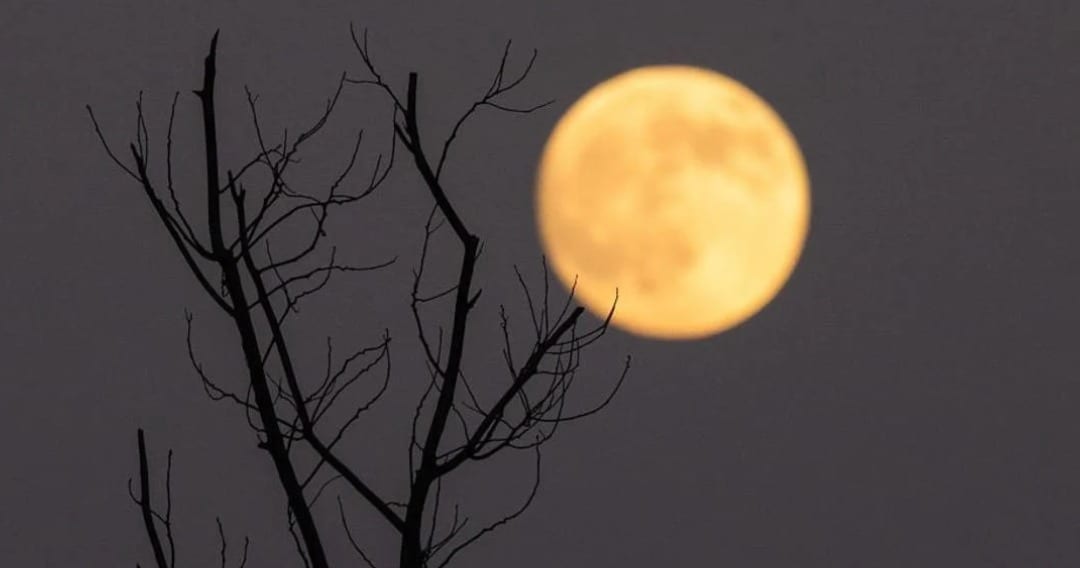
While the moment of peak illumination is scheduled for 8:19 a.m. EST on Wednesday, November 5, observers must look up during the evening hours of the surrounding days. For optimal viewing, sky-gazers are strongly advised to watch the nights of Tuesday, November 4, and Wednesday, November 5. Catching the Moon as it rises just above the horizon at sunset is particularly recommended. At this time, a perceptual effect known as the "Moon Illusion" will cause the Beaver Moon to appear dramatically larger and may give it a distinctive amber glow, even though the actual increase in size and brightness is a subtle 7%.

The Supermoon's visibility depends entirely on local moonrise and moonset times. In the United States, viewers in New York and Los Angeles will find the opportunity to see the Moon on the evening of November 4, when it rises around 4:14 p.m. local time, and on November 5, when it appears slightly later, around 4:55 p.m. local time, per Timeanddate.com. The Moon will set in the early morning hours, between 5:13 a.m. and 6:30 a.m. on the two key mornings. On the evening of November 6, the Moon will rise later, closer to 5:45 p.m. in both cities, and will remain visible until it sets near 7:48 a.m., according to Timeanddate.com.
The times mentioned in the following paragraph are local time for London and Rome. Residents of London will see the Moon rise quite early on November 4 at 3:33 p.m. and on November 5 at 3:54 p.m. The Moon will remain in the sky until it sets at 5:26 a.m. on the 4th and 7:01 a.m. on the 5th, as mentioned on Timeanddate.com. For those in Rome, moonrise occurs slightly later, at 4:05 p.m. and 4:36 p.m. on the 4th and 5th, respectively, with corresponding set times of 5:14 a.m. and 6:37 a.m. On November 6, the Moonrise shifts to 4:23 p.m. in London and 5:16 p.m. in Rome, setting around 8:39 a.m. and 8:02 a.m. respectively, as per Timeanddate.com.
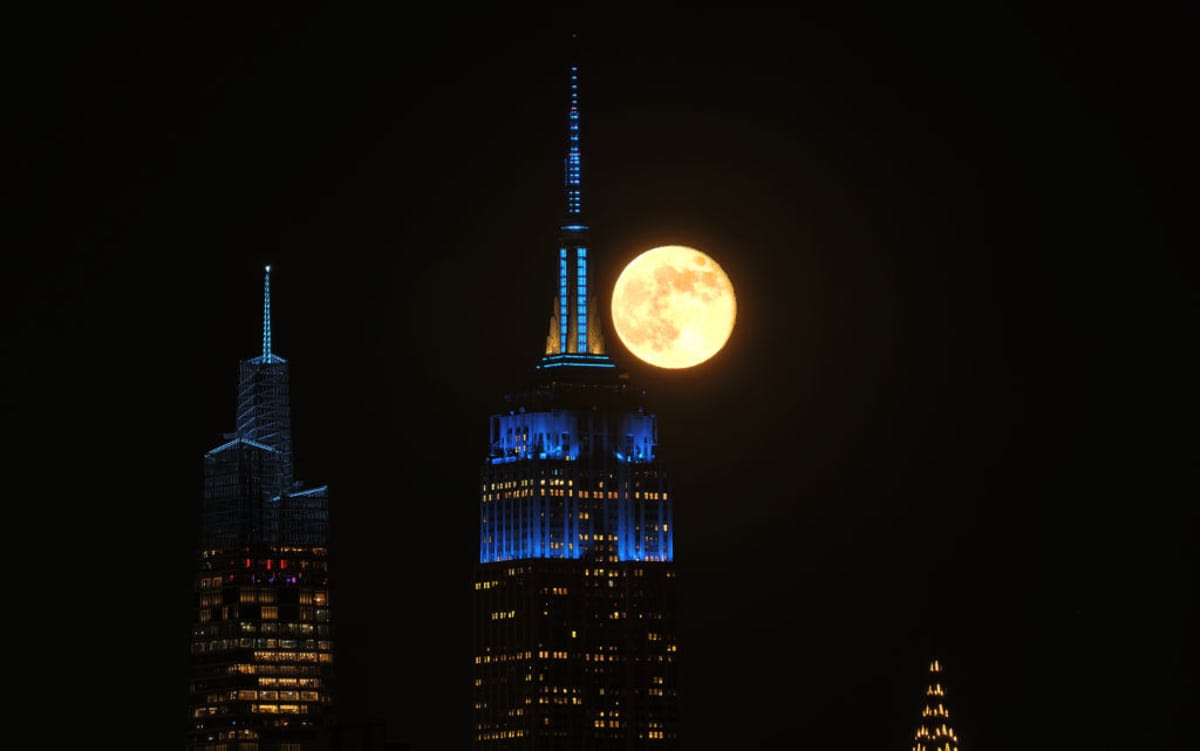
In the Asia-Pacific region, timings shift significantly. The times mentioned in the following paragraph are local time for India. According to Timeanddate.com, for viewers in Mumbai, India, the Moon will rise around 5:00 p.m. on November 4 and 5:47 p.m. on November 5, setting just after 5:06 a.m. and 6:10 a.m. the following mornings. On the evening of November 6, moonrise occurs at 6:40 p.m., with the set time pushed back to 7:19 a.m.
The times mentioned in the following paragraph are local time for Sydney. Meanwhile, in Sydney, Australia, the Moon rises earliest, around 5:59 p.m. on November 4 and 7:14 p.m. on November 5, maximizing the opportunity to catch the large "Moon Illusion" effect as it ascends in the late afternoon sky. The set times for Sydney are 4:32 a.m. and 5:06 a.m. On the final evening, November 6, the Moon rises at 8:33 p.m. and sets at 5:45 a.m. the next morning, per Timeanddate.com.
More on Starlust
November 2025 skywatching guide: This year's biggest supermoon, Leonids fireballs and more
Don't miss Southern Taurids meteor shower peaking around November 4—best viewing tips