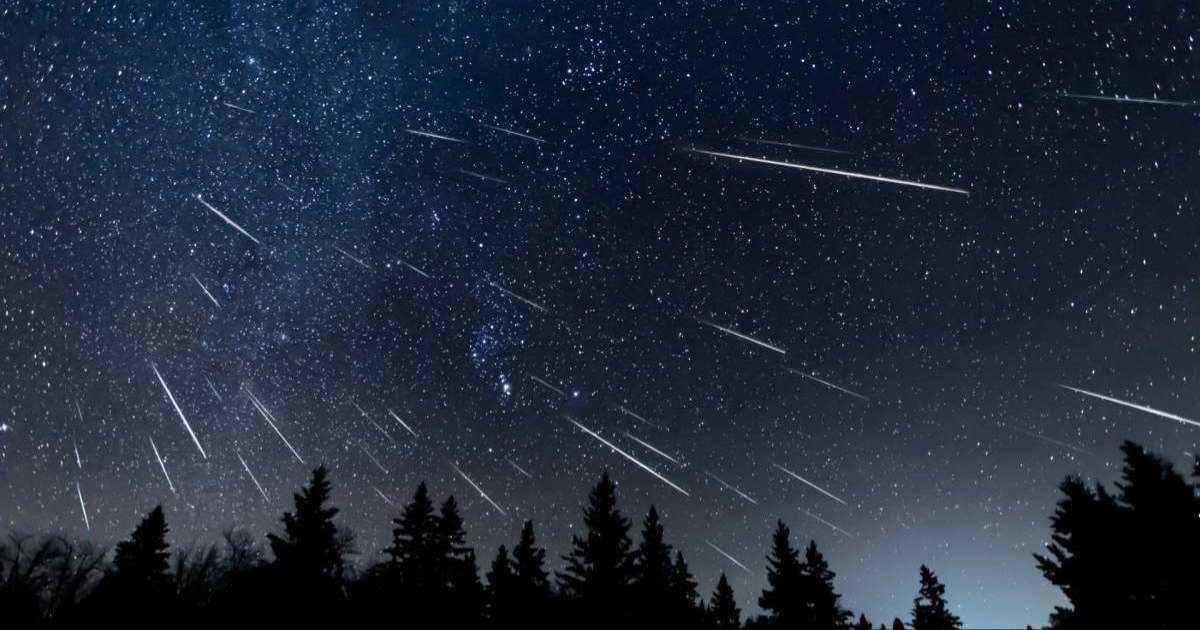
The famous Leonid meteor shower will peak on November 17—here's how to watch them
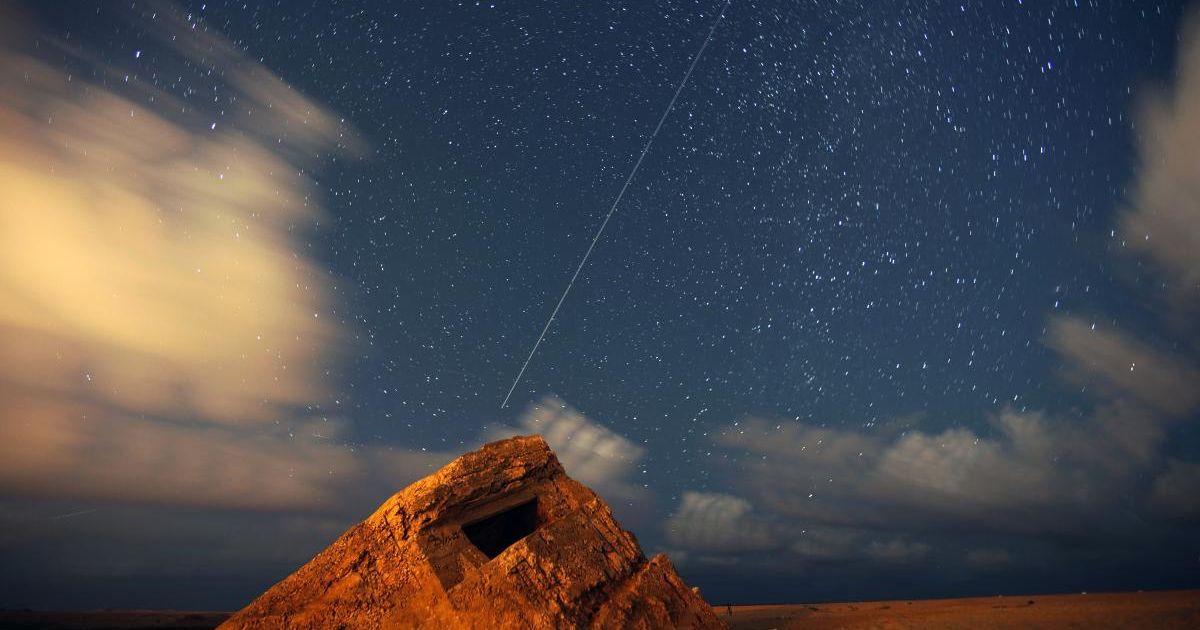
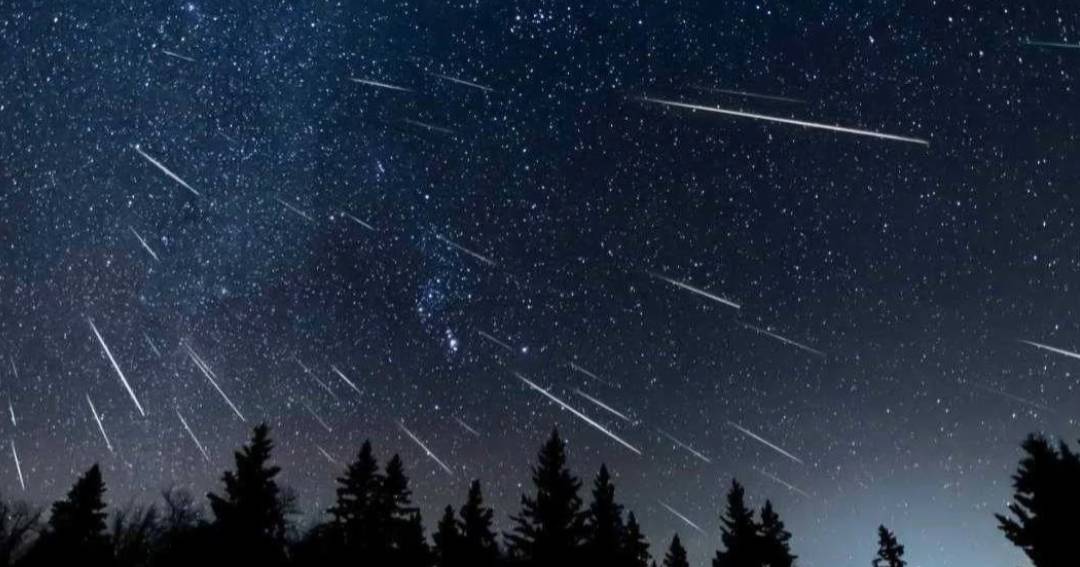
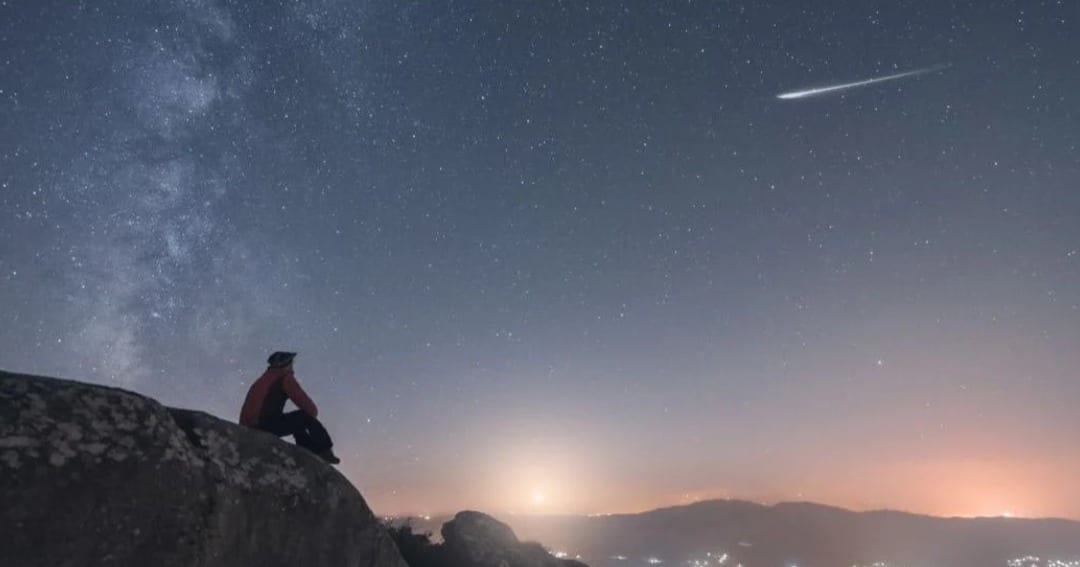
Stargazers are preparing for the annual Leonid meteor shower, predicted to reach its maximum visibility on the morning of November 17, 2025, according to Earth Sky. The celestial event, caused by Earth passing through the debris trail of Comet 55P/Tempel-Tuttle, is active from November 3 through December 2.
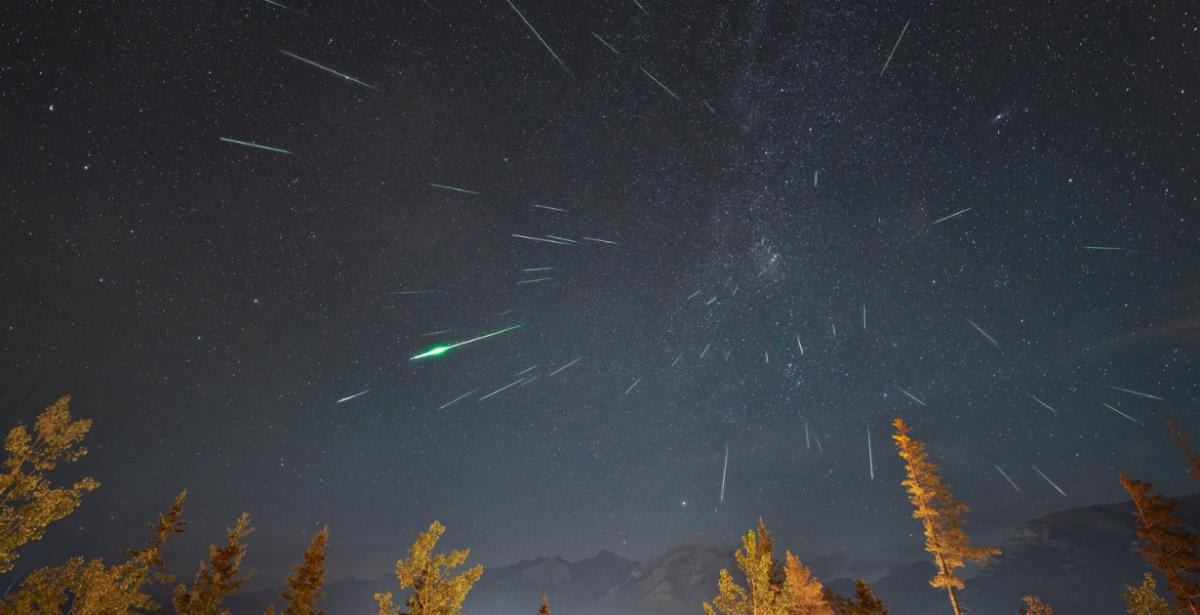
However, the most opportune viewing period is anticipated late on the night of November 16 until dawn on November 17, with the following morning of November 18 also presenting a favorable window. The shower is technically predicted to peak at 18 UTC on November 17, making the pre-dawn hours the best time for viewers to catch the show.
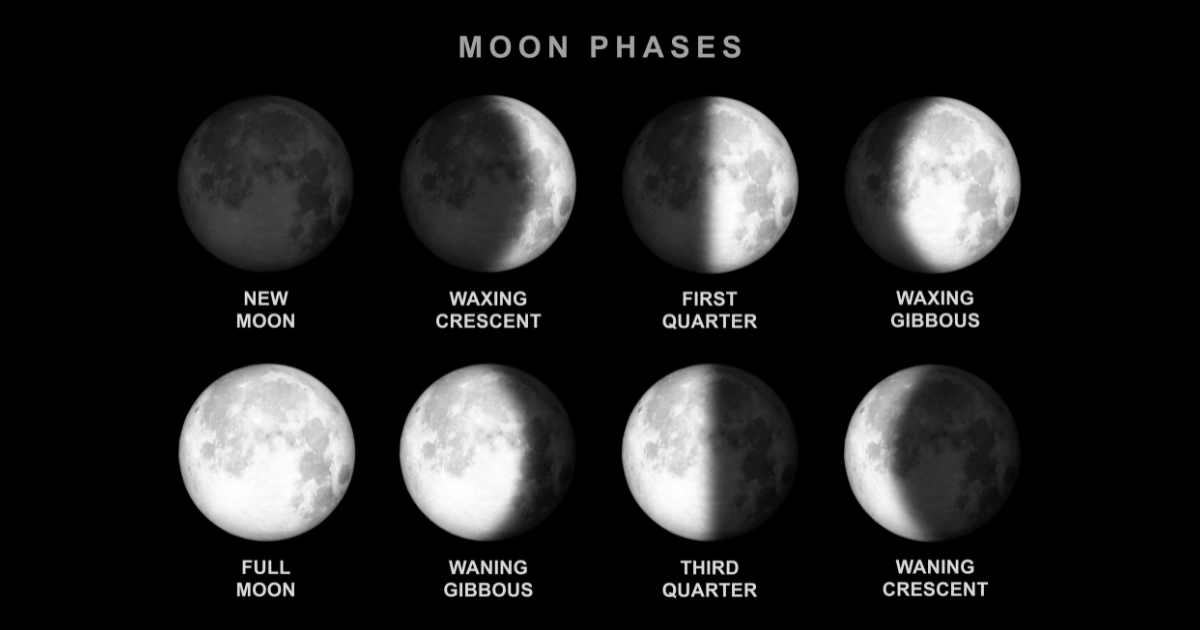
This year offers excellent viewing conditions, as the New Moon falls on November 20. The resulting minimal lunar interference means dark skies will allow observers to potentially witness 10 to 15 meteors per hour at the peak, assuming ideal, remote viewing locations. The Leonids are named because the meteors appear to originate from the constellation Leo the Lion. This point of origin, or radiant, is merely an optical illusion, similar to converging railroad tracks. Experts advise that viewers do not need to locate the radiant point to enjoy the display; the meteors will streak across all parts of the sky once they become visible.
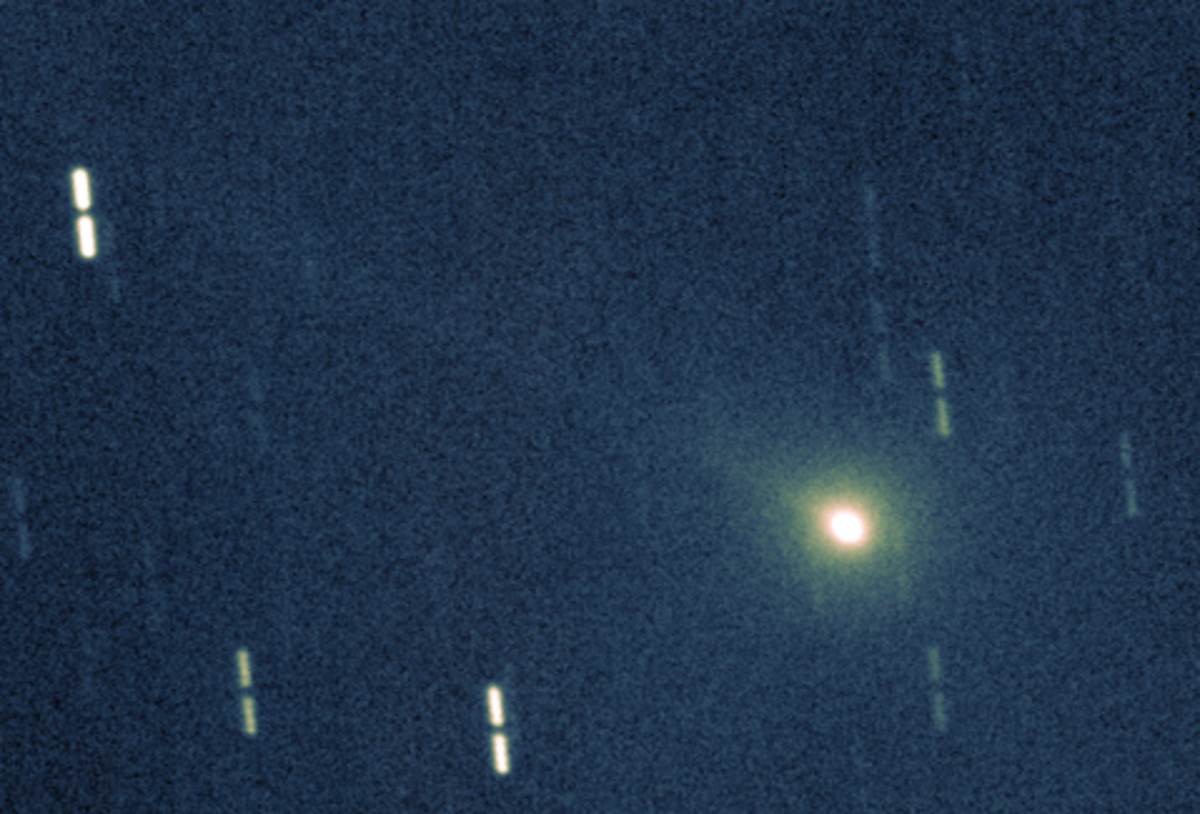
While the usual display is moderate, the Leonids are historically significant for producing one of the most spectacular astronomical events in modern memory. In 1966, the shower briefly became a meteor storm, with rates reaching thousands of meteors per minute. These rare, intense outbursts are associated with the 33-year orbital cycle of the parent comet, 55P/Tempel-Tuttle, which was discovered independently by William Tempel and Horace Tuttle in 1865 and 1866, respectively. The accurate prediction of subsequent impressive showers around the turn of the century marked a revolution in meteor science, based on astronomers' ability to model the various debris filaments left behind by the comet. The comet itself is not due back in the inner solar system until early 2031.
While the current projection for the 2025 Leonids is a moderate display of 10 to 15 meteors per hour, astronomers emphasize that a spectacular meteor storm is not anticipated this year. A shower is officially classified as a storm when rates exceed 1,000 meteors per hour, far beyond the annual average. The Leonids are renowned precisely because of their history of producing these rare storms. The intensity is tied directly to the parent comet, 55P/Tempel-Tuttle, which orbits the sun roughly every 33 years. Each passage near the sun replenishes the debris trail, setting the stage for a potential storm when Earth intersects a particularly dense strand of material, as mentioned by the outlet.
Skywatchers have tracked this cycle since the 19th century. The 1833 event was the first documented storm, with contemporary accounts reporting an astonishing rate of over 100,000 meteors per hour. Subsequent major storms occurred in 1866 and 1867. The anticipation surrounding the next predicted storm in 1899 was met with great disappointment when no storm materialized. This failure was noted by many as a significant blow to the public image of astronomy at the time.
More on Starlust
Beaver Moon 2025: When and how to see the November Supermoon
November 2025 skywatching guide: This year's biggest supermoon, Leonids fireballs and more