Astronomers predict star system V Sagittae will explode so bright humans can see it in the daytime
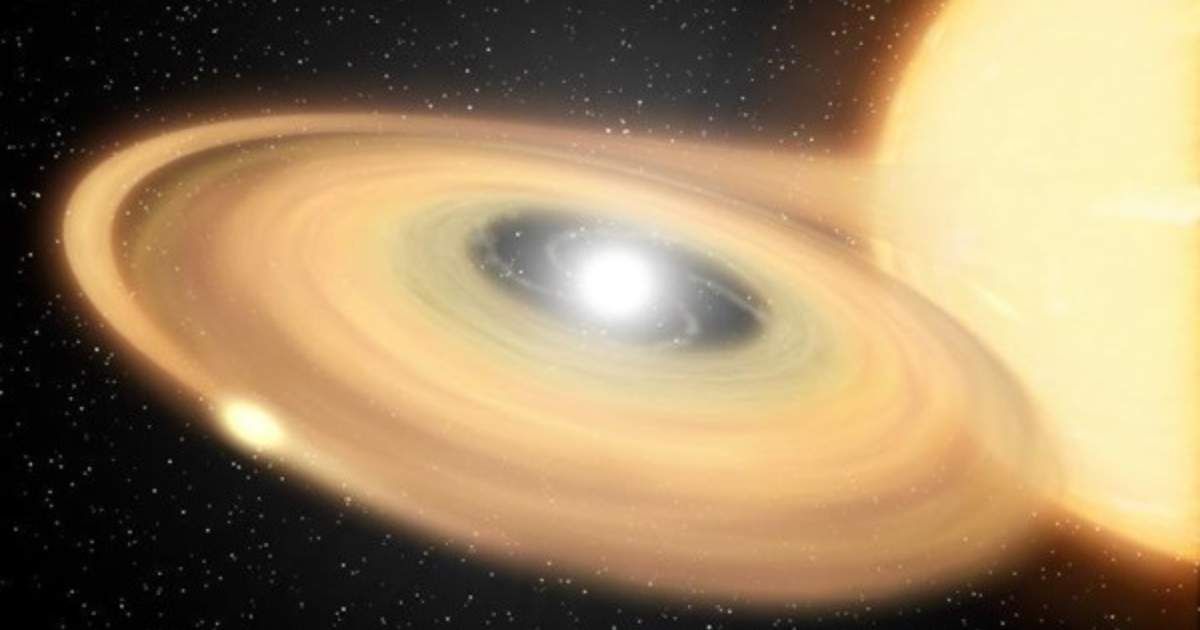
A cataclysmic binary star system, V Sagittae (V Sge), is exhibiting a unique and highly aggressive mass-transfer process that strongly suggests it is rapidly approaching a violent end, which includes an impending stellar outburst visible to the naked eye. Details of the system's extraordinary properties and chaotic behavior were outlined in a recent paper led by Pasi Hakala of the Finnish Center for Astronomy with ESO and published in the Monthly Notices of the Royal Astronomical Society.
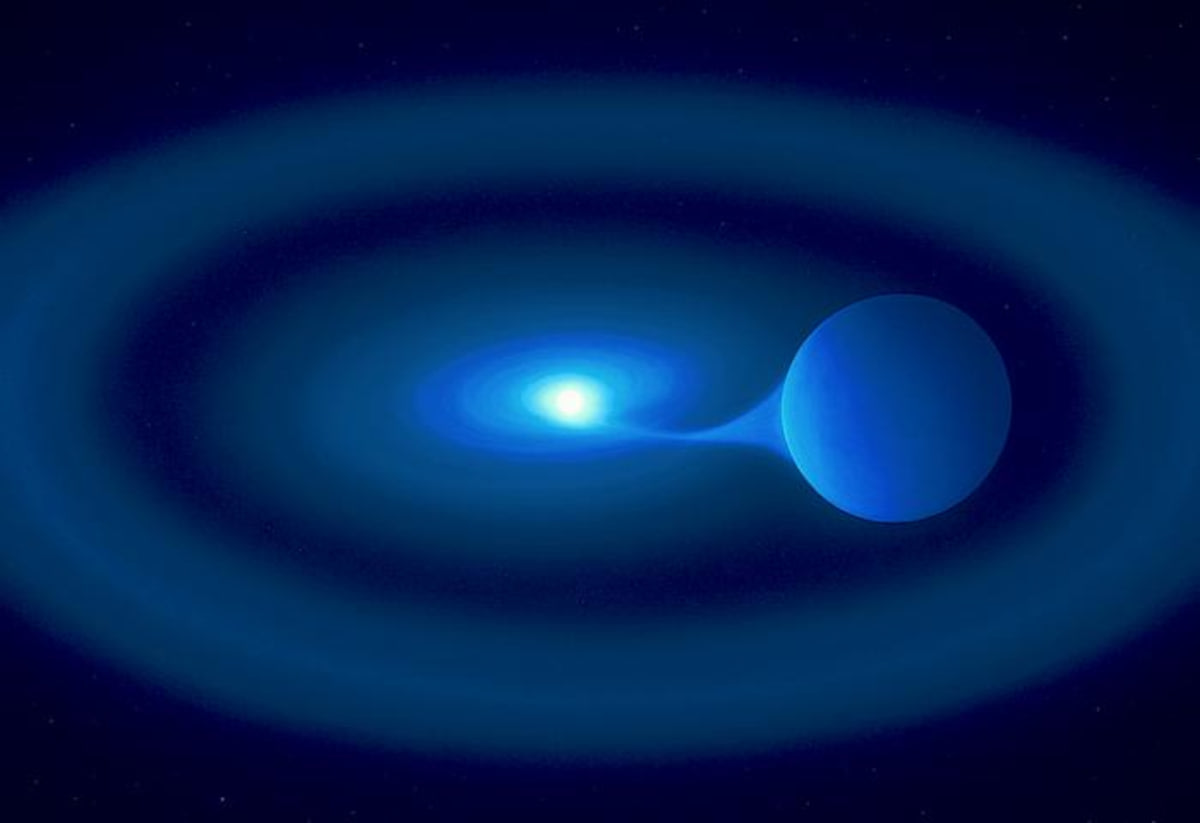
The V Sge system consists of a massive main-sequence star being intensely cannibalized by a dense stellar remnant, likely a white dwarf or a closely related Wolf-Rayet star, according to SciTech Daily. This compact remnant is siphoning an enormous amount of material from its companion, which is approximately 3.3 times the mass of the Sun, causing V Sge to become the brightest system of its kind known to astronomers. This extreme brightness is due to the intense accumulation and thermonuclear ignition of matter on the accreting star’s surface.
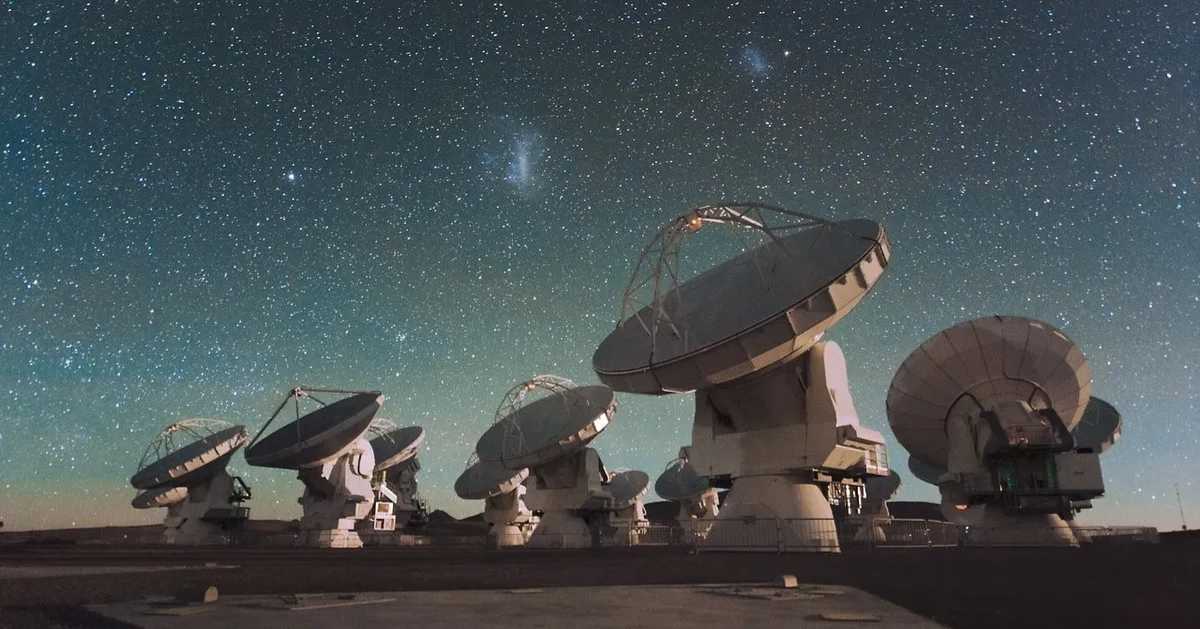
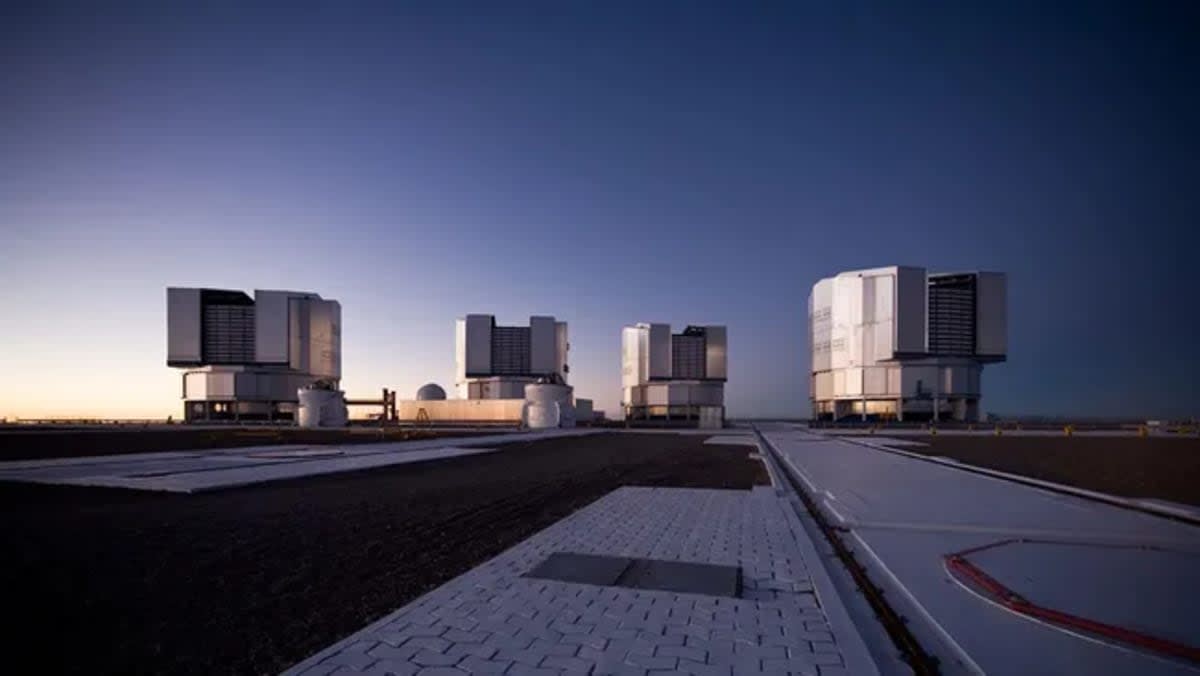
For decades, the system's volatile and highly variable optical emissions have defied explanation. However, new spectral observations, gathered using the X-Shooter spectrograph on the European Southern Observatory's (ESO) Very Large Telescope in Chile, have uncovered a crucial component: a circumbinary ring of material surrounding the entire pair. This finding is key to understanding the star's peculiar nature.
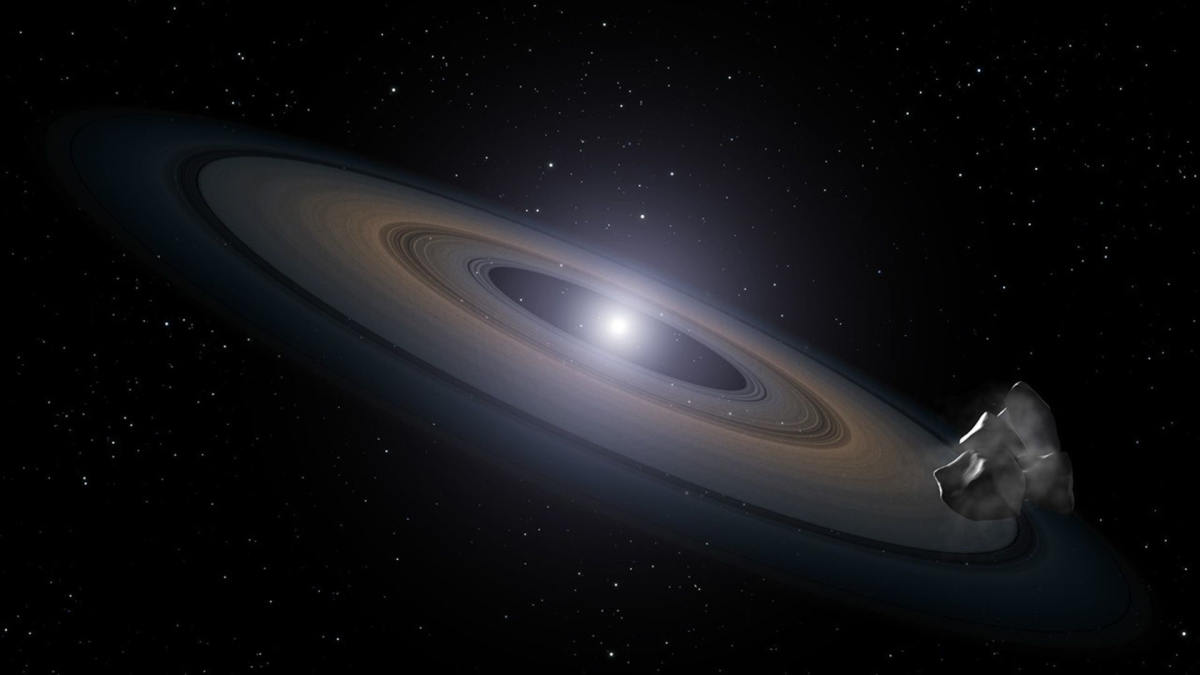
The existence of this ring was inferred from the velocity of specific emission lines in the spectra, which did not correspond to the movement of either star. Modeling confirmed that the white dwarf is consuming such a vast quantity of mass from its twin that a significant portion, the "messy feast debris," is escaping its gravitational pull to form a sprawling ring of matter.
“The white dwarf cannot consume all the mass being transferred from its hot star twin, so it creates this bright cosmic ring,” explained lead author Hakala, adding that this ring provides a new clue into the life and death of stars. Researchers conclude that this circumbinary disc model best accounts for V Sge's characteristics, with its dramatic short- and long-term variability attributed to the chaotic "flipping" of the inner accretion disc under intense radiation.
The frantic rate of mass transfer is interpreted as a clear sign of the system's "imminent, violent end," according to Hakala. While similar binary systems can remain stable for eons, V Sagittae's extreme properties indicate its time is short. The first major event is projected to occur in the coming years. Study co-author Dr. Rodríguez-Gil from the Instituto de Astrofisica de Canarias stated that the rapidly accumulating mass on the white dwarf's surface will trigger a massive nova outburst, making V Sagittae visible from Earth with the naked eye.
However, the nova is merely the prelude to the grand finale. Ultimately, the mass-transfer instability will lead the two stars to spiral inward and violently collide. "But when the two stars finally smash into each other and explode," concluded Rodríguez-Gil, "this would be a supernova explosion so bright it’ll be visible from Earth even in the daytime.”
More on Starlust
NASA’s James Webb Telescope discovers evidence of a black hole formed without a supernova explosion
Nearby supernova explosions could be behind two of Earth's mass extinctions, says new study