SpaceX to mark milestone with 100th Starlink launch of the year on October 31
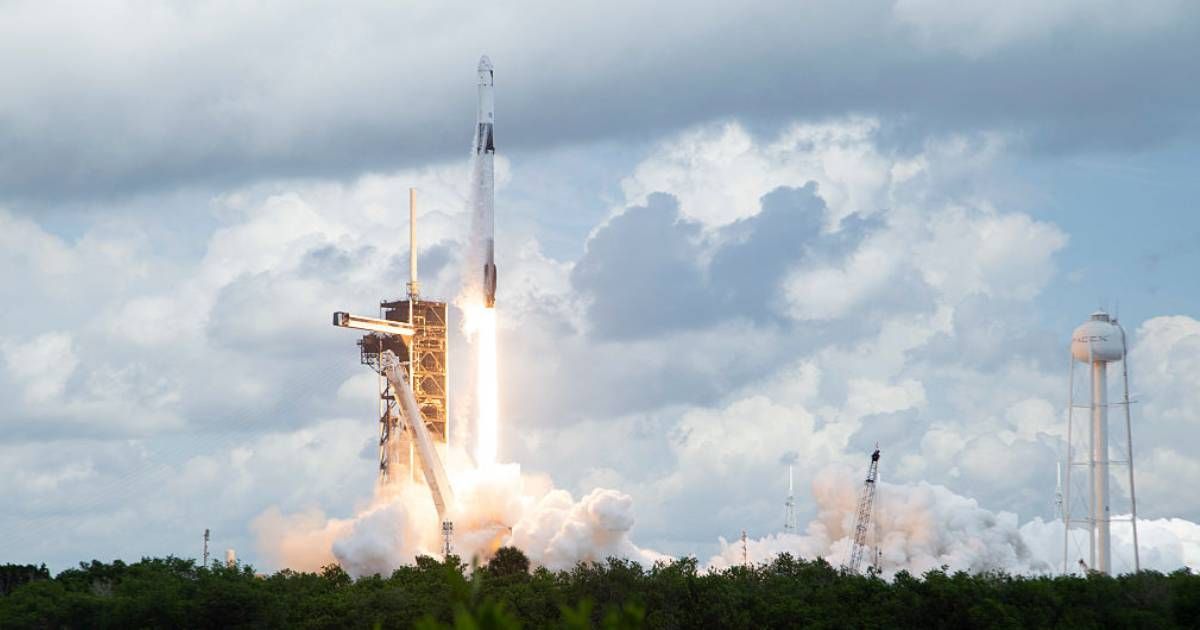
SpaceX’s Falcon 9 rocket is set to conduct its next mission, lifting off from Space Launch Complex 4 East (SLC-4E) at Vandenberg Space Force Base in California. The launch, scheduled for October 31 at 3:44 p.m. EDT, aims to deploy a payload of 28 Starlink satellites into low-Earth orbit, according to data provided by the company.
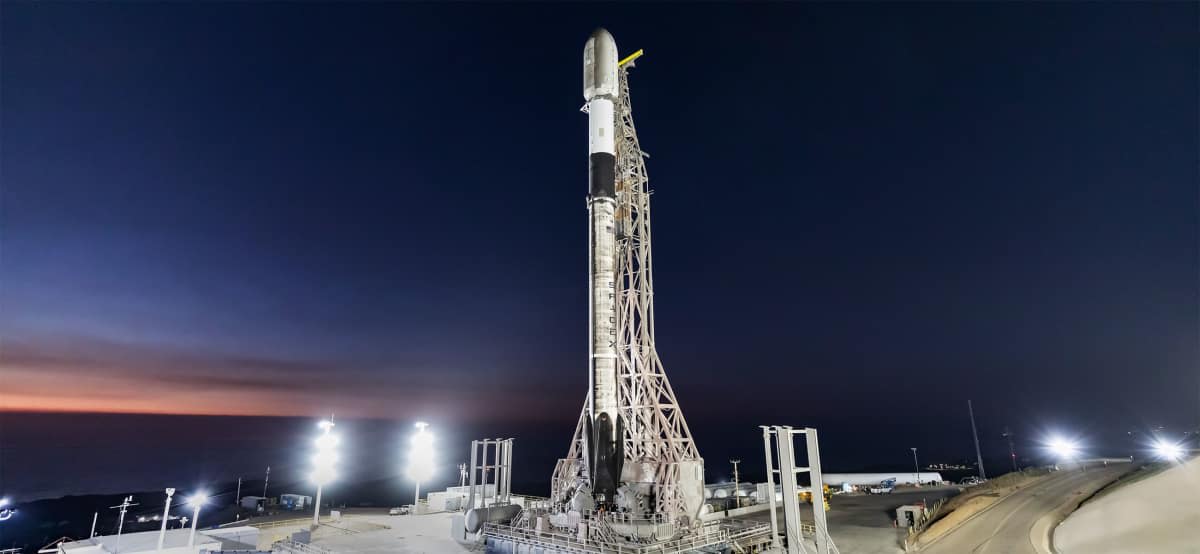
This particular flight marks a significant operational achievement for the company, as it is the 100th Starlink mission of 2025, per Space.com. The mission will further expand Starlink, the colossal low-Earth orbit (LEO) internet-beaming network, which currently stands as the world's largest satellite constellation. To date, SpaceX has lofted over 10,000 Starlink spacecraft, with nearly 8,800 active in orbit. Following separation, the Falcon 9’s first stage will attempt a landing approximately 8.5 minutes after liftoff.
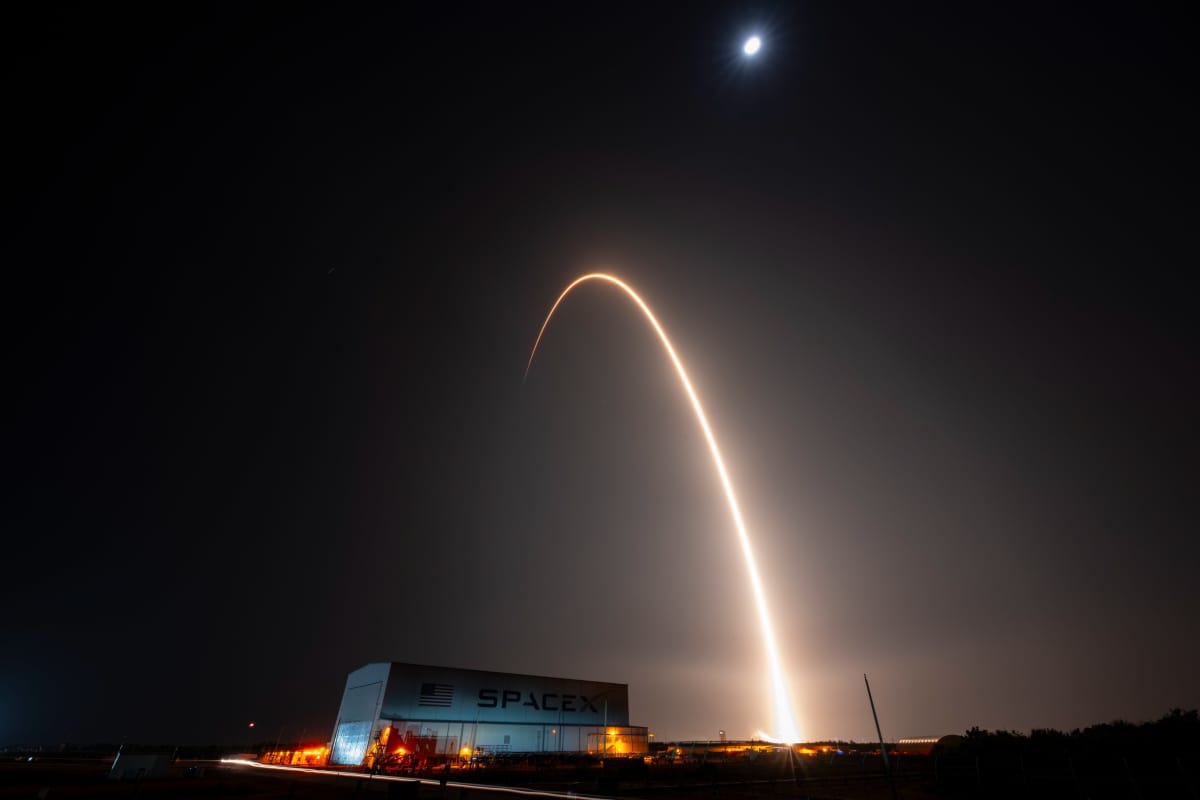
According to SpaceX, the booster, a veteran unit with 28 prior missions, including high-profile launches like Sentinel-6 Michael Freilich and DART, will return to Earth for a precision touchdown on the droneship "Of Course I Still Love You" in the Pacific Ocean. Residents in Santa Barbara, San Luis Obispo, and Ventura counties have been cautioned that they may hear one or more sonic booms as the returning booster maneuvers for its landing, depending on local weather and atmospheric conditions.

The latest mission will contribute to SpaceX's near-perfect track record with its reusable workhorse rocket. The Falcon 9 series maintains an exceptional launch record, now standing at 553 successful missions out of 556 attempts since its inception, yielding a success rate of 99.46%, according to SpaceXNow. The current-generation Block 5 variant has proven even more reliable, completing 498 of 499 flights (99.80%).
For its heavy-lift capabilities, the Falcon Heavy remains flawless, with 11 out of 11 missions achieving success. Overall, the company's total orbital launch record across all vehicles sits at 571 successes from 583 attempts, representing a 97.94% success rate. The ongoing Starlink program, of which this mission is a part, now accounts for 322 of those total successful orbital flights. However, the company's next-generation Starship vehicle reflected its current testing record of 5 successes across 11 flights.

The sheer frequency of this launch and the achievement of the 100-mission benchmark underscore SpaceX’s unprecedented operational tempo this year. Just back in June, SpaceX's Director of National Security Space Launch, Anne Mason, confirmed the company's aggressive goal of conducting 170 orbital launches by the end of 2025, a target that would significantly surpass last year’s record of 134 liftoffs.
Speaking on the company's escalating pace, Mason noted the rapid shift in industry norms. "I always find it amazing that this cadence has become somewhat normal," she remarked in an earlier call, contrasting the planned launch rate of one every two to three days with the roughly 25 missions performed just five years ago in 2020. Mason credited the Falcon rocket family's reusability and reliability, combined with the dedication of the SpaceX team, as the decisive factors supporting this high-cadence access to space.
More on Starlust
SpaceX set to launch upgraded Starship V3 for ambitious missions after successful V2 swansong