
About Author
Raj is a science writer at Starlust, where he explores the cosmos, one story at a time. With a background in entertainment journalism and a lifelong love of storytelling, Raj brings a unique narrative lens to the universe — weaving together celestial facts, skywatching guides, and the deeper questions inspired by space.
Raj believes that space writing should not just inform, but spark curiosity. Whether he’s diving into the latest astronomical discovery or decoding the Moon’s daily rhythm, his goal is always the same: to remind us how thrilling it is to be part of a universe this vast.
Latest From Raj Naik
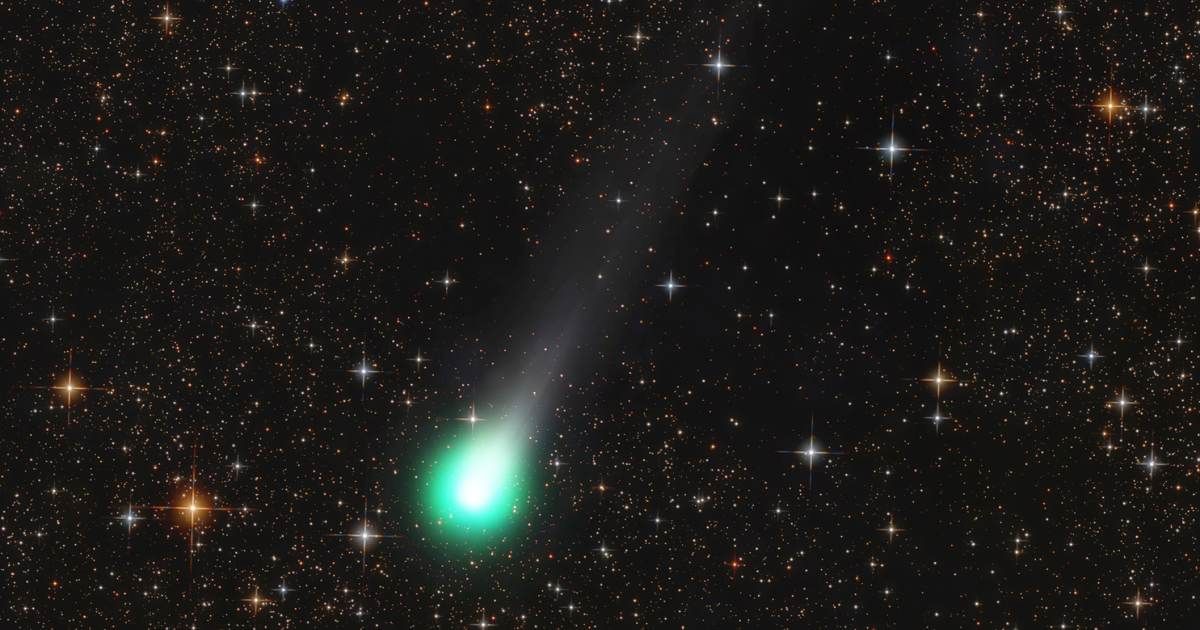
Comet C/2025 A6 (Lemmon) makes its closest approach to Earth today—won't return for another 1,300 years
The comet is offering viewers in 2025 their absolute best chance for a sighting before it disappears from sight for the next 1,300 years.
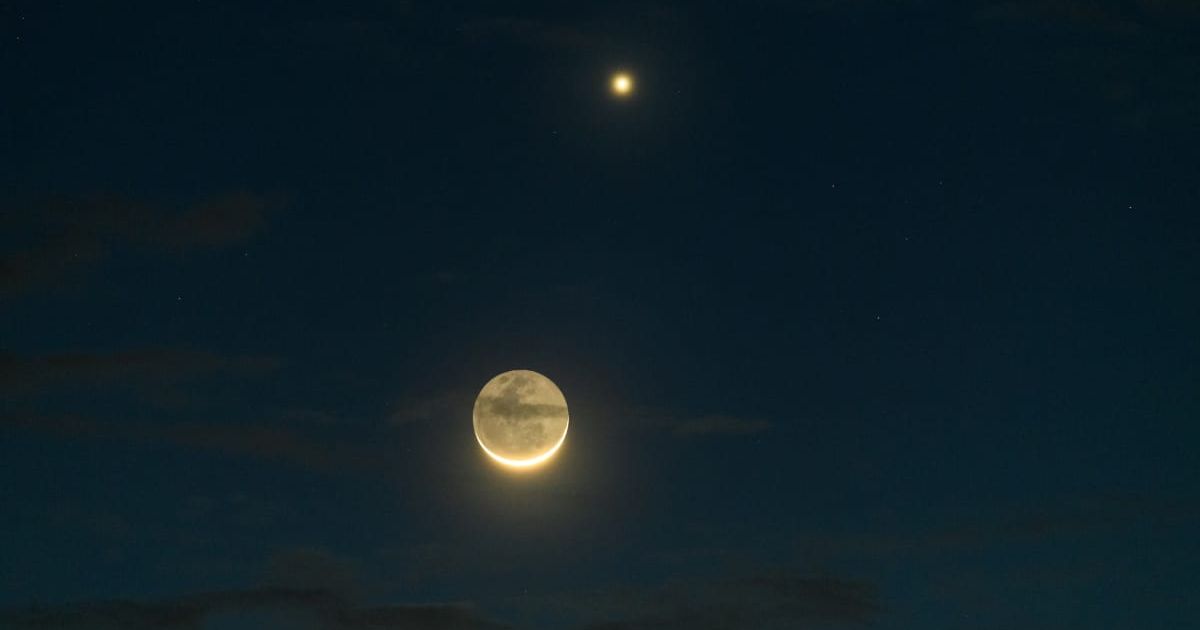
Don't miss the moon glowing beside bright star Antares in constellation Scorpius on October 24
The celestial pairing is brief; by October 25, the Moon's orbital movement will place the crescent significantly higher and further separated from Antares.

NASA Chief suggests reconsideration of SpaceX lunar lander contract amid 'race against China'
Sean Duffy plans to 'open up the contract' to new bidders, directly challenging the 2021 selection of SpaceX's Starship for the pivotal Artemis III lunar landing.
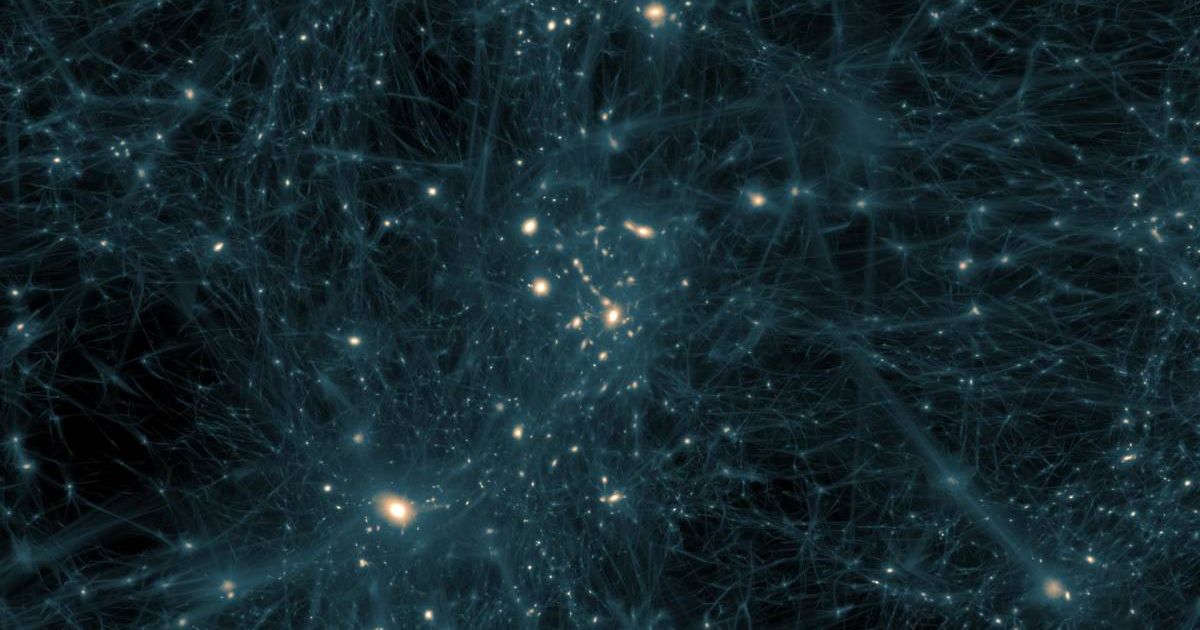
Cosmic mystery solved? Dark matter may not be entirely 'dark' after all, new research suggests
Researchers at the University of York now propose that the elusive substance could leave a subtle, detectable red or blue 'fingerprint' on light.
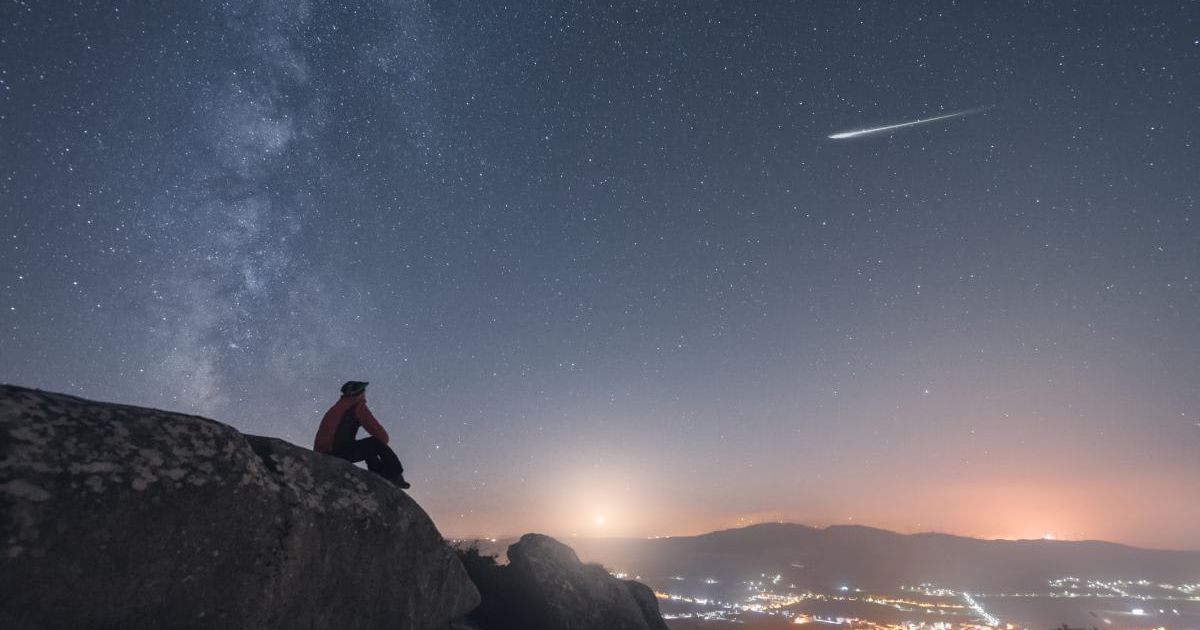
Orionids meteor shower 2025 peaks tonight: New moon offers perfect viewing conditions
The absence of moonlight guarantees exceptionally dark skies, dramatically boosting the visibility of the swift space debris.
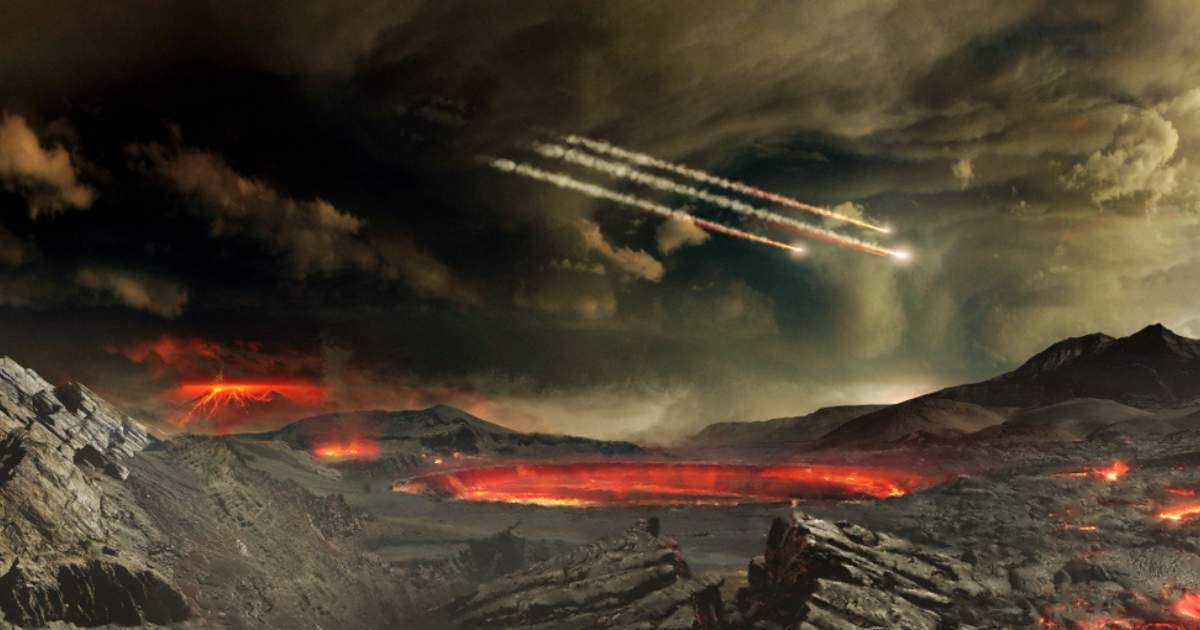
Scientists uncover ancient rock fragment buried deep inside Earth — a relic from a 4.5-billion-year-old proto-planet
Researchers led by a team at MIT identified a unique chemical signature in ancient rocks pulled from deep within the Earth, including samples from Greenland, Canada, and the Hawaiian mantle.
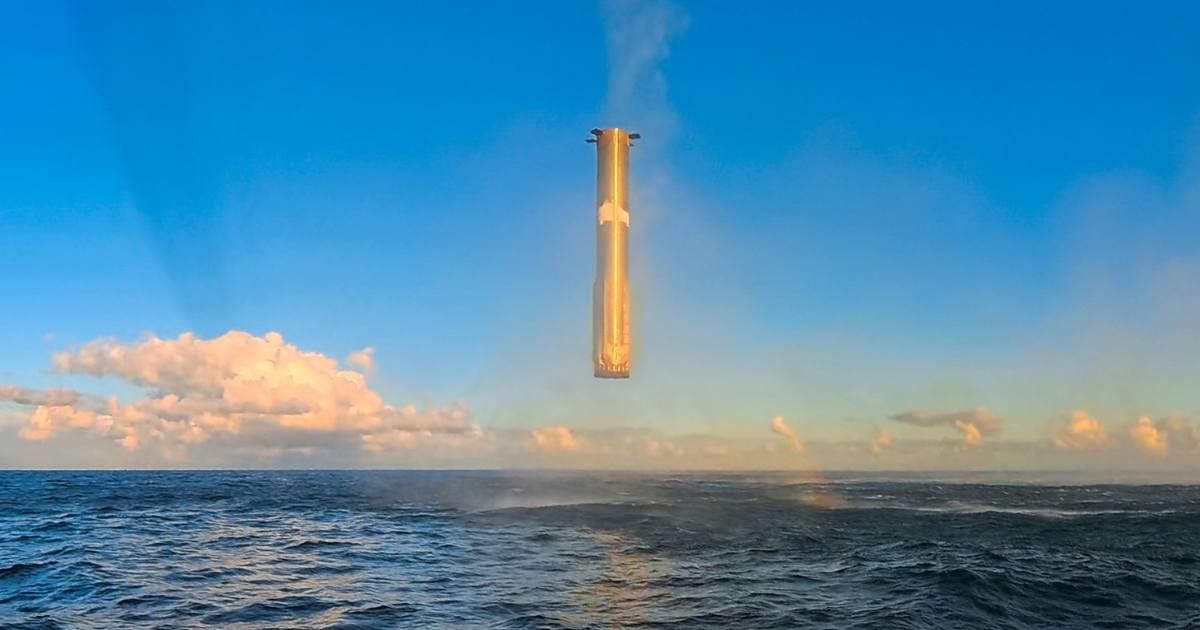
Watch SpaceX's Super Heavy Booster make 'picture perfect' dive after stunning mid-air hover over the Gulf
Though the Ship achieved a 'picture-perfect' soft landing in the Indian Ocean after its hour-long journey, the massive Super Heavy booster wrapped up its mission just over six minutes after liftoff.
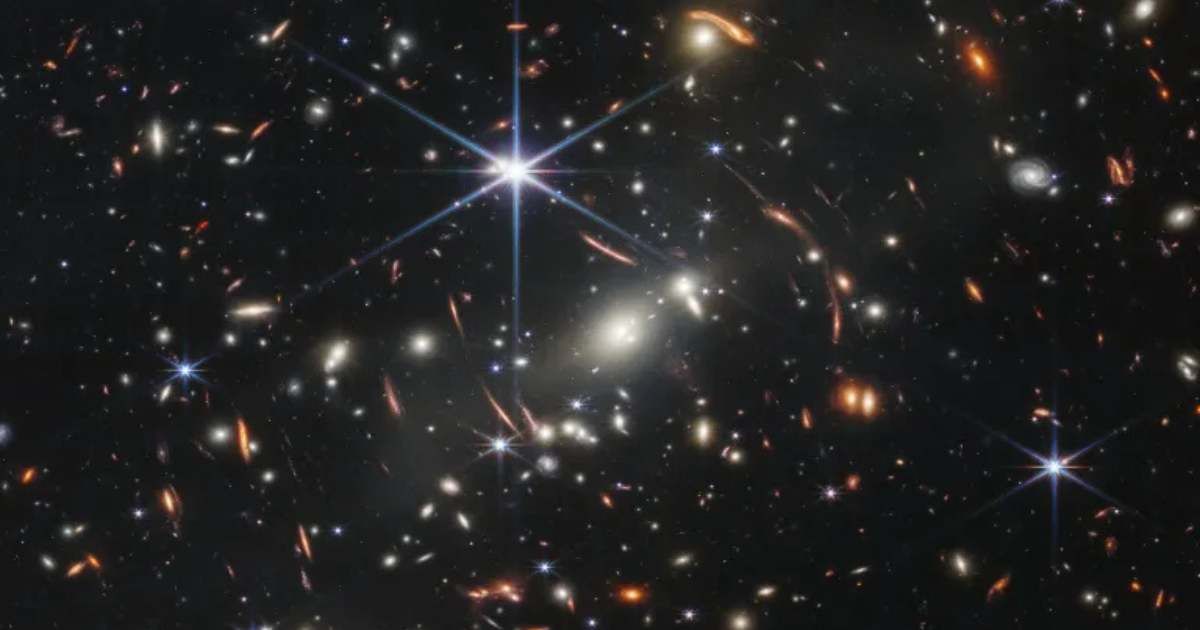
Astronomers detect faint radio whisper from universe's unexplored era and it may unlock secrets to our cosmic past
Led by the Curtin University-based ICRAR, an international team of astronomers has ruled out a 'cold start' for the Epoch of Reionisation, a crucial, little-explored era in cosmic history.
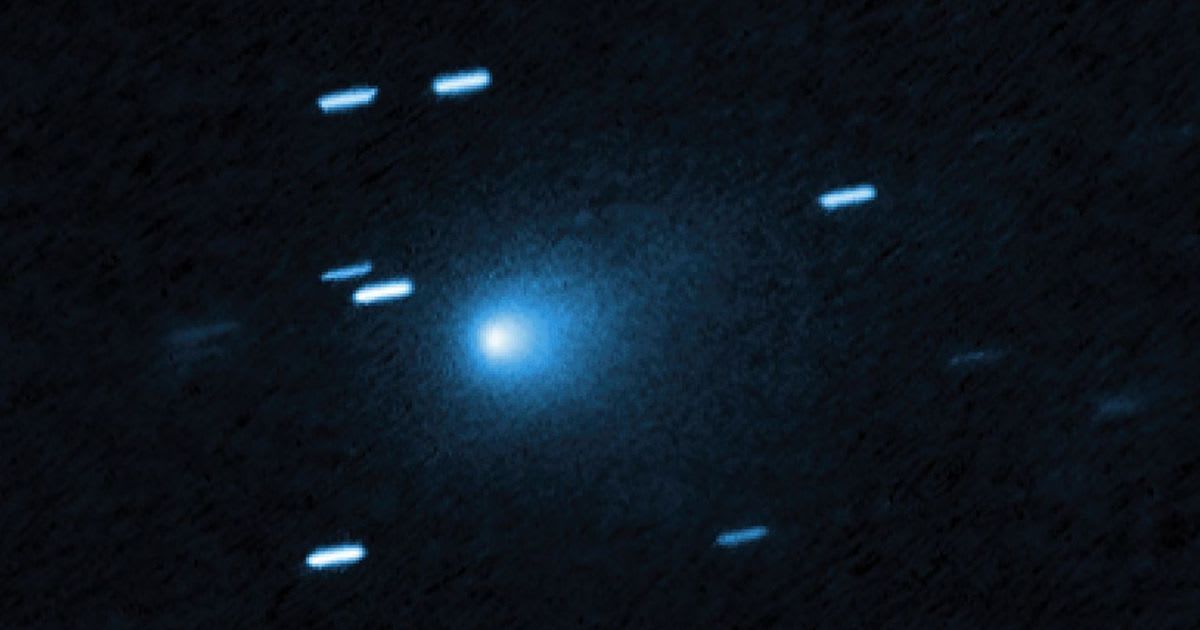
Keck Observatory detects rare 'anti-solar tail' on interstellar comet 3I/ATLAS
Discovered by ATLAS in July 2025, the interstellar comet 3I/ATLAS is only the third such visitor ever observed in our solar system.
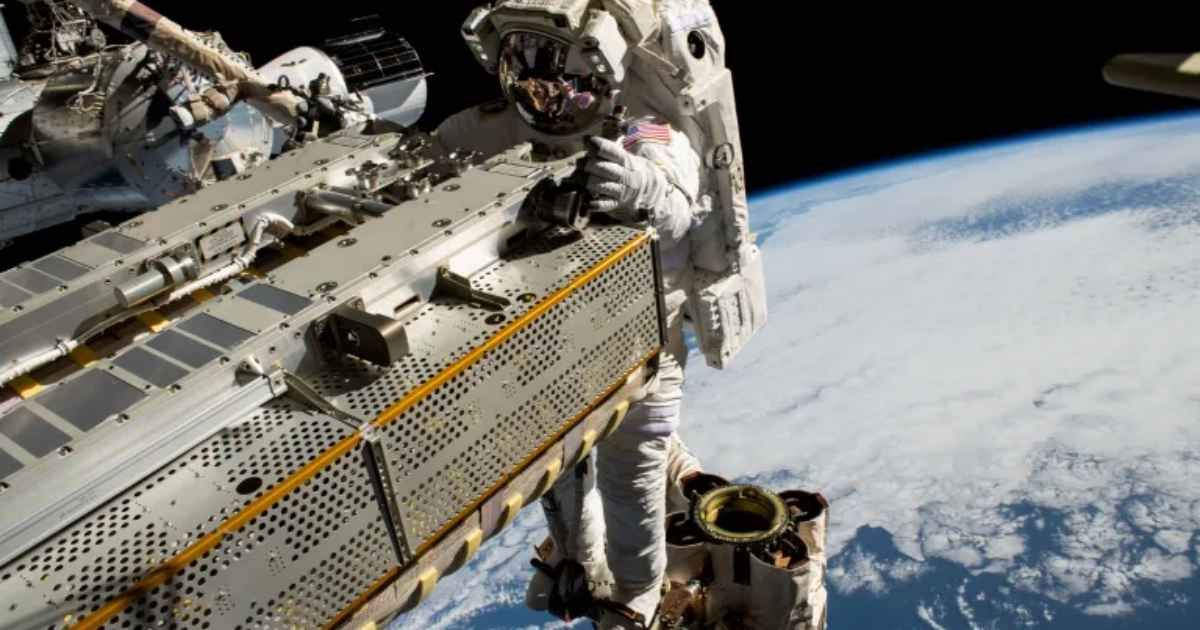
Two Russian cosmonauts just conducted a five-hour spacewalk outside the ISS
The cosmonauts' work officially began at 12:50 p.m. EDT (1650 GMT), marking the 276th spacewalk in the history of the continuously crewed International Space Station.
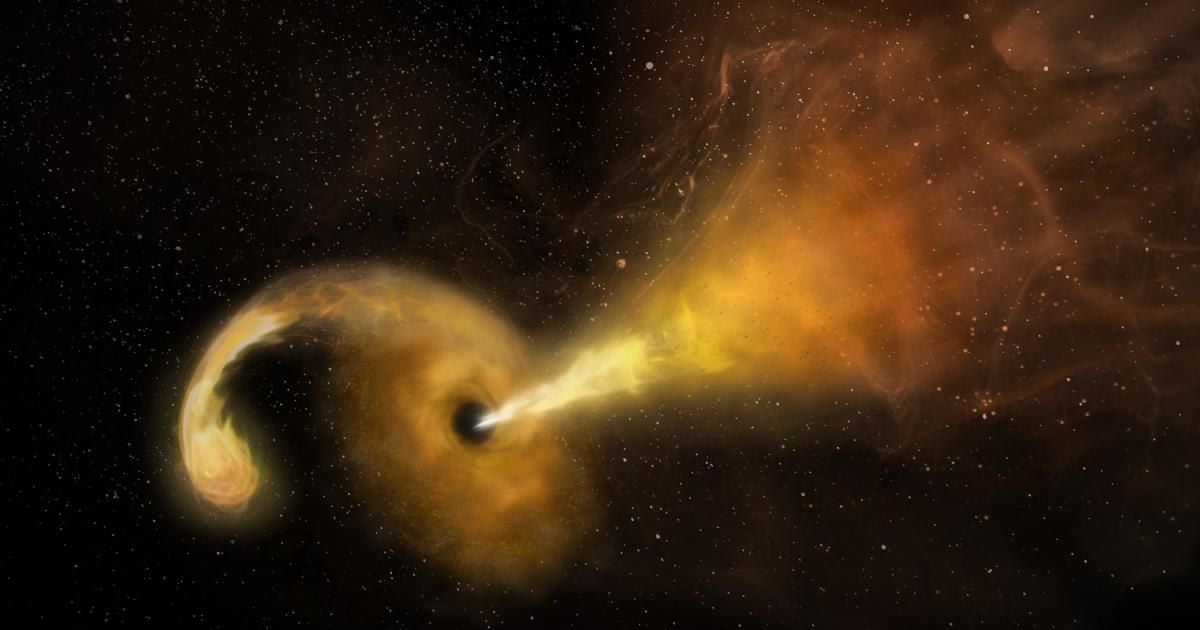
Scientists detect a seven-hour gamma ray burst and trace it back to a black hole plunging into a bloated star
By compiling signals from the Einstein Probe and the Russian Konus-Wind spectrometer, scientists verified the unprecedented phenomenon.
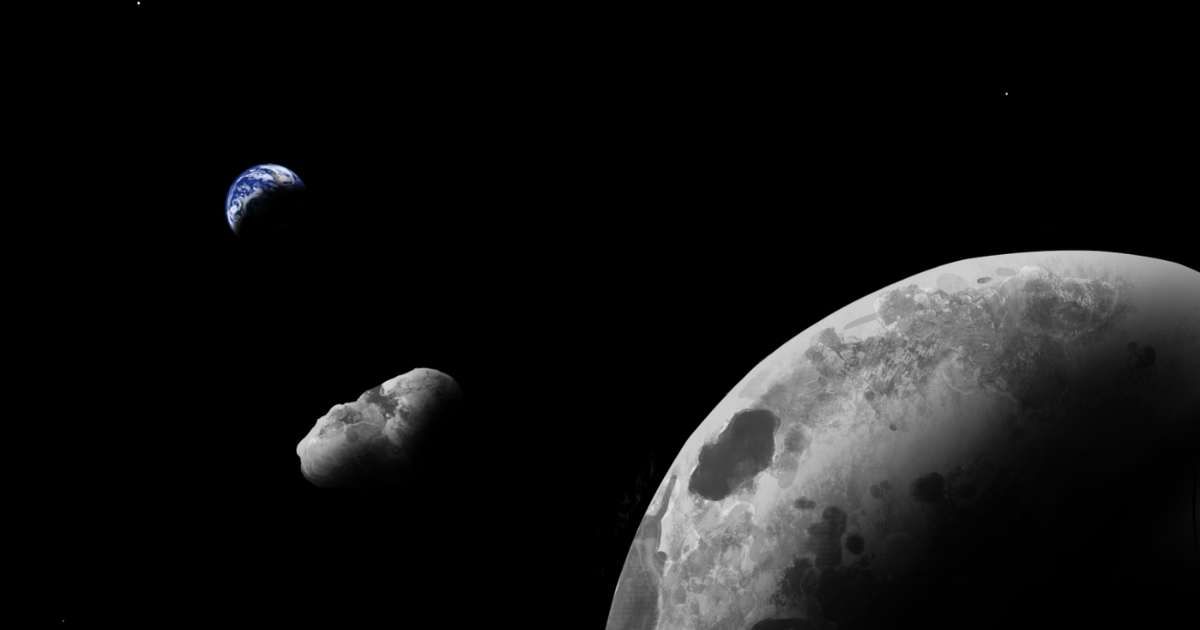
Asteroid discovered just 2 days ago whizzed past the Earth and is now headed for a lunar flyby today
The asteroid is expected to approach the lunar surface as closely as 74,616 miles, according to recent data.
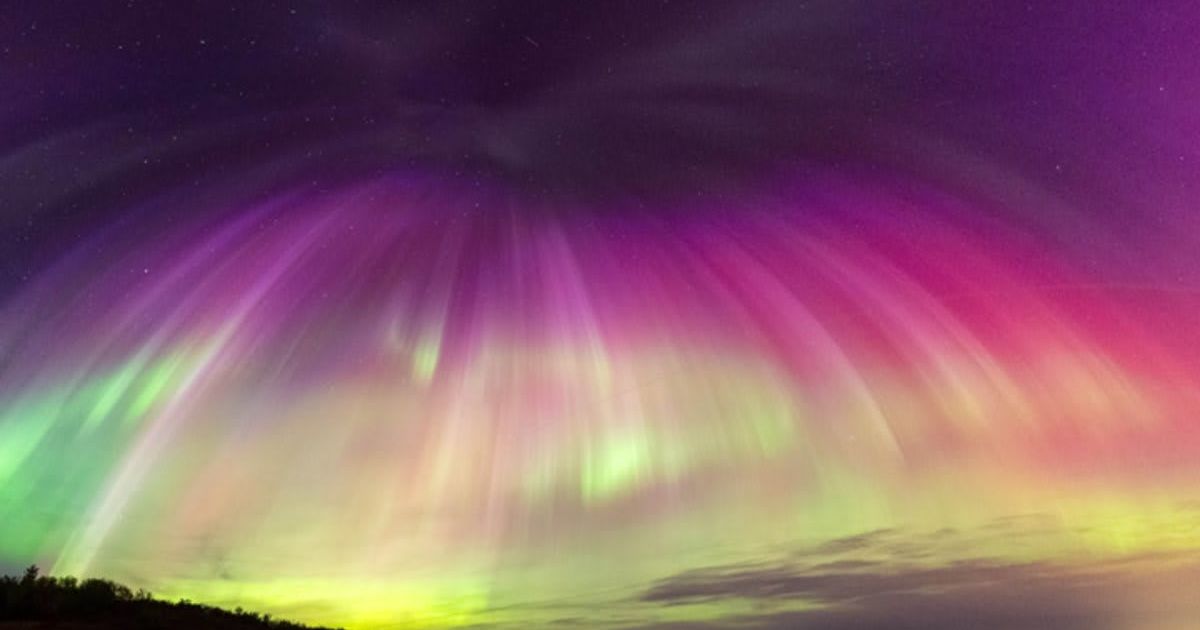
Triple coronal mass ejections are headed to Earth and could trigger auroras in northern skies
A cluster of three coronal mass ejections (CMEs), all launched from the intensely active sunspot region AR4246, is now forecast to strike Earth between October 15 and 17.
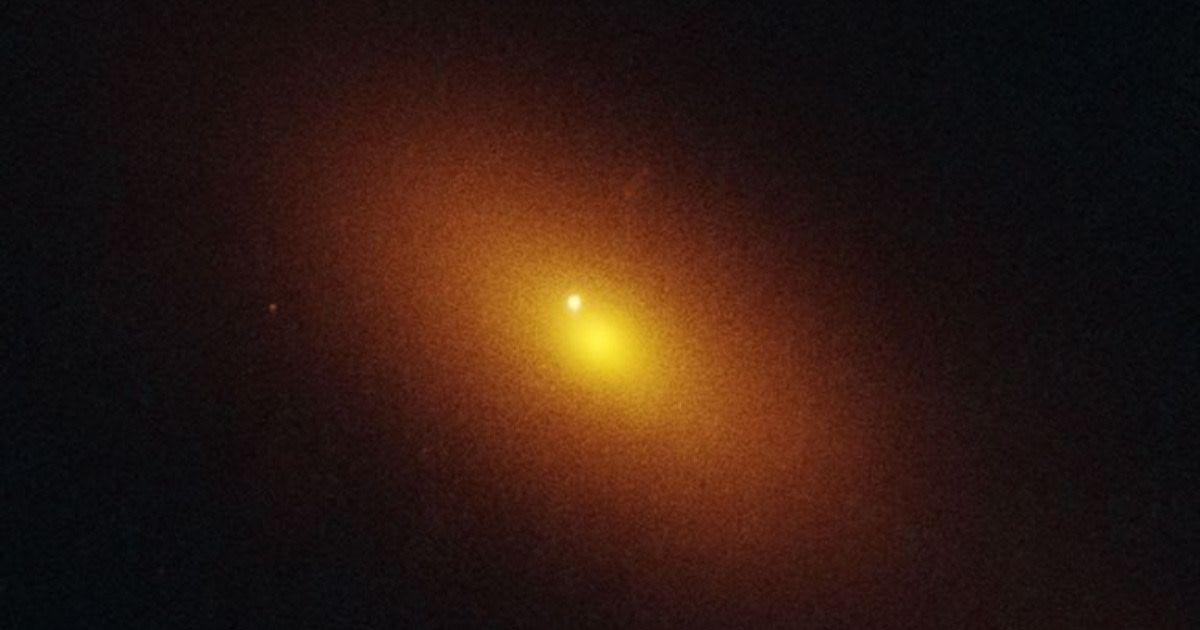
Astronomers witness a supermassive black hole violently tearing apart a star thousands of light-years from galactic core
International astronomers used the Allen Telescope Array (ATA) to detect a rapid, powerful surge of radio waves signaling the destruction of a star.
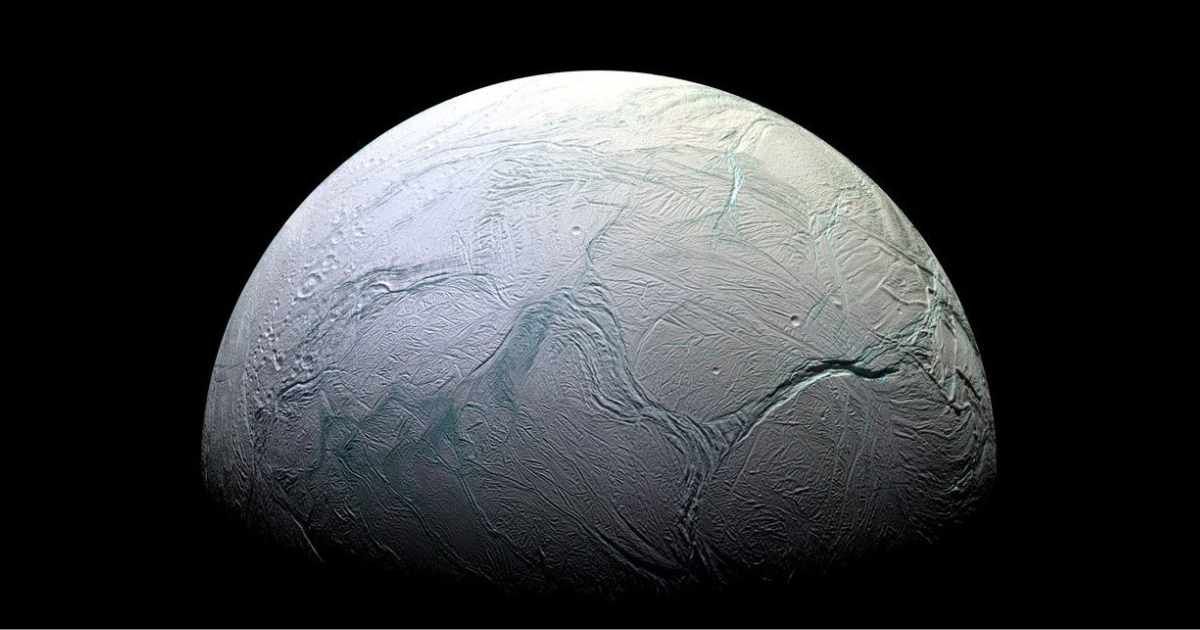
Organic compounds found on Enceladus suggest Saturn's moon may support alien life
A re-analysis of data from the defunct Cassini probe confirms the moon's subsurface ocean is more chemically rich than previously thought.
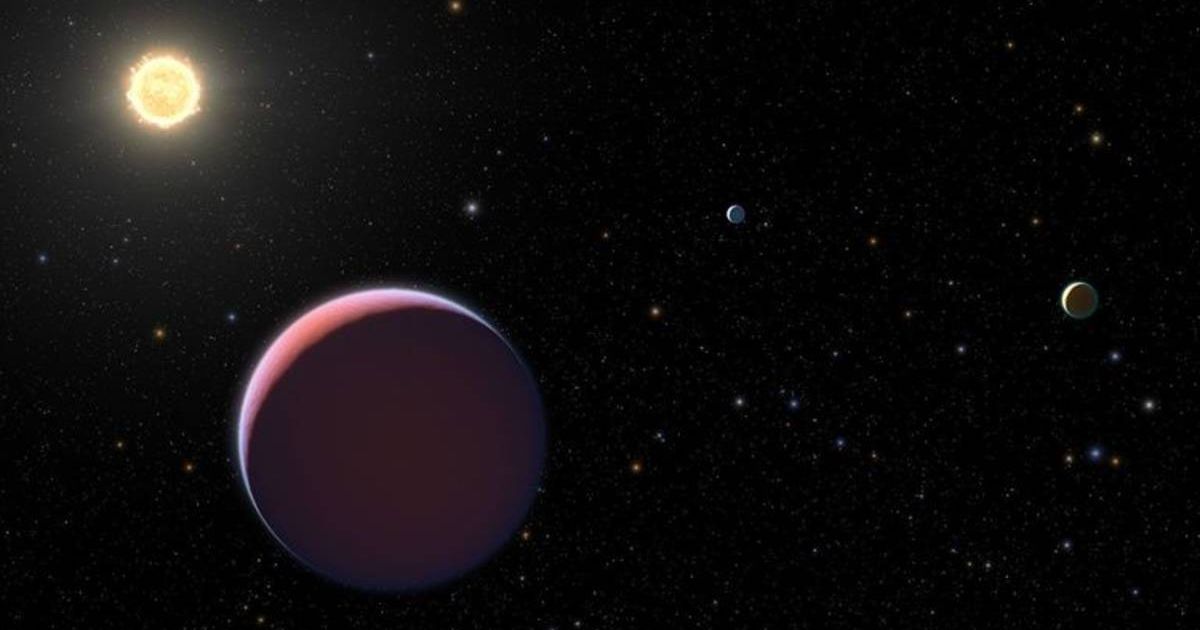
Astronomers baffled by mysterious 'super-puff' world that's challenging evolution models
According to preliminary analysis, the newly identified exoplanet TOI-4507 b is challenging fundamental theories governing how celestial bodies evolve.
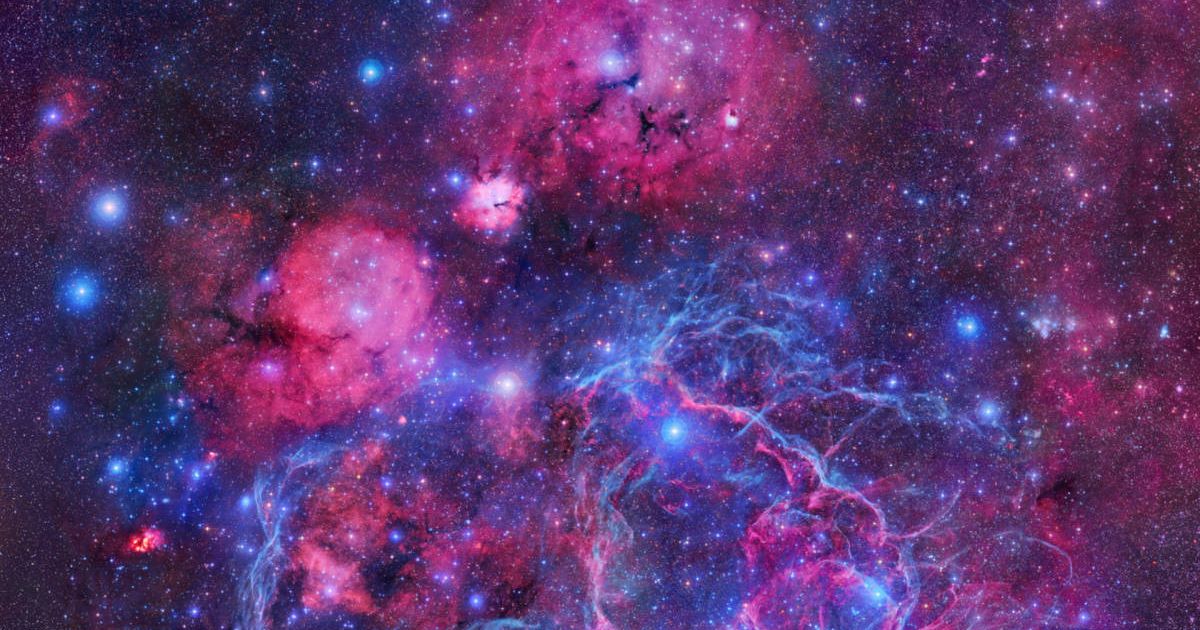
Ancient texts suggest Arab scholars referenced supernovae way back in 1006 and 1181 AD
A new academic investigation suggests that previously unrecognized observations of the significant galactic supernovae SN 1006 and SN 1181 may be preserved within ancient Arabic writings.
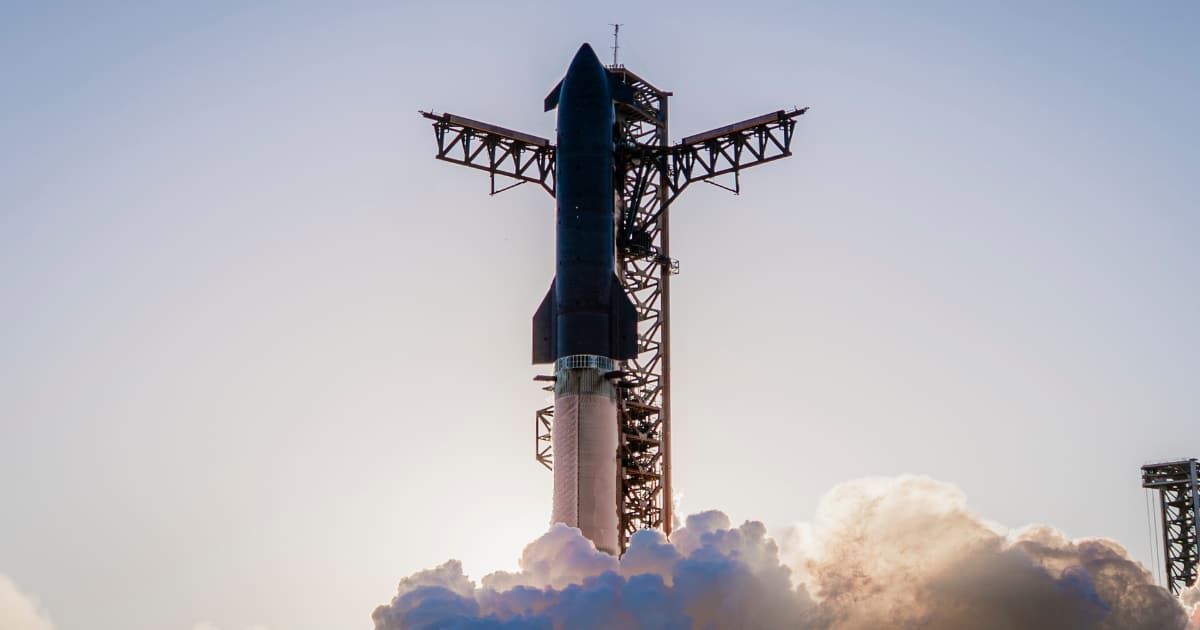
SpaceX set to launch upgraded Starship V3 for ambitious missions after successful V2 swansong
Founder Elon Musk and company leadership have loudly proclaimed Version 3's ambitious purpose: achieving orbital flight en route to the Moon and Mars.
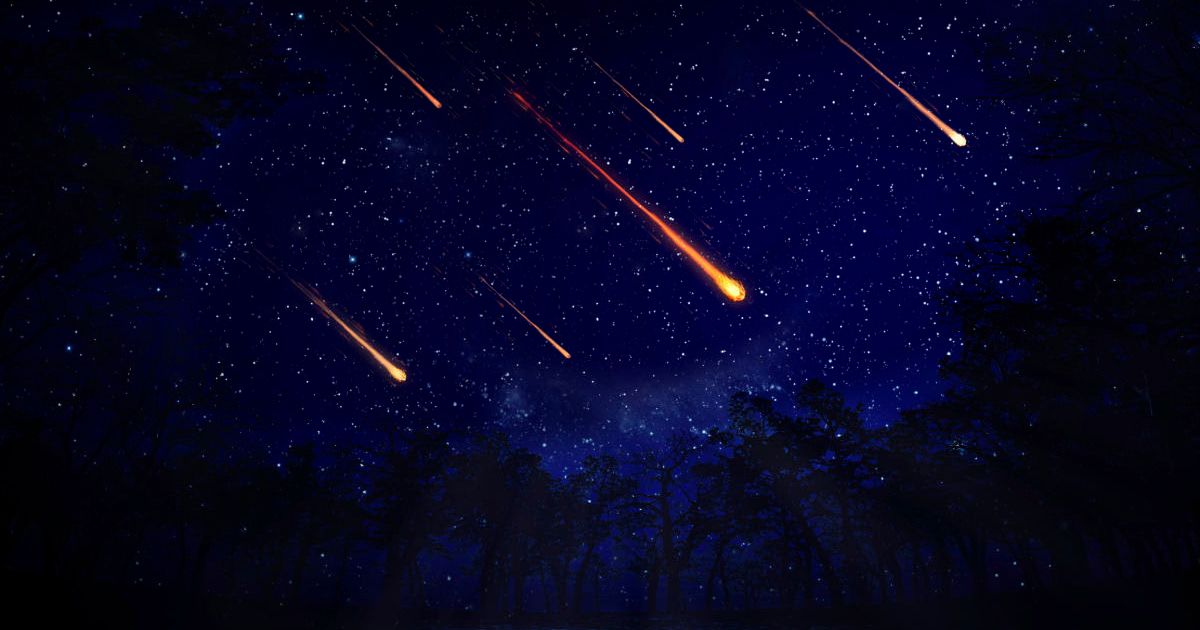
Watch out for fireballs as Taurid meteor shower 2025 set to begin on October 20
Though the North and South Taurids only yield around ten meteors per hour during their overlap, they are renowned for generating brilliant, bright fireballs.
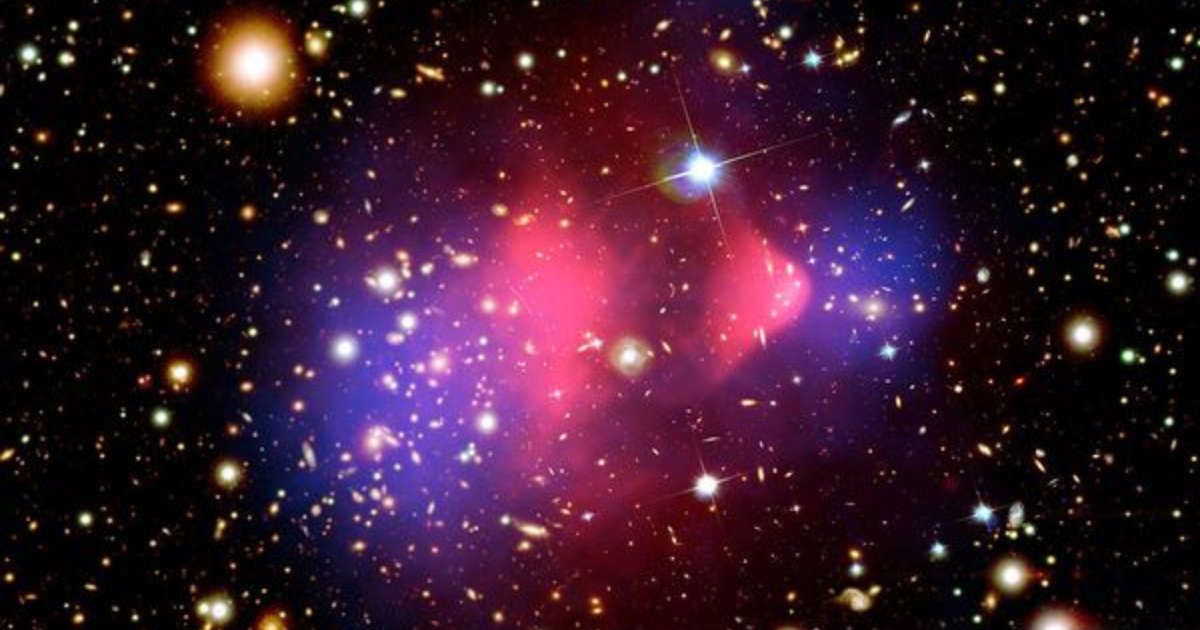
Astronomers discover smallest dark matter clump ever — yet it has a mass a million times greater than our sun's
Dark matter is an invisible, enigmatic substance that makes up about 85% of the universe's total mass yet remains undetectable because it does not interact with light.