
About Author
Meet Ankita, a journalist and editor who’s spent almost a decade getting good stories in front of the people they’re meant for. At Starlust, you’ll find her covering the latest discoveries and stories from NASA, ESA, SpaceX, upcoming skywatching events, and more. Over the years, she’s worked on thousands of articles across a wide range of topics, with her work reaching millions of readers. Before joining Starlust, she served as Chief Editor at Kalrecon and covered stories for CollegeDunia and GameRant. Outside of work, Ankita spends her free time reading and exploring different creative side projects.
Latest From Ankita Garkoti
 11 PHOTOS
GALLERY
International Moon Day: A look at NASA's most iconic Moon images
Take a closer look at the Moon through some of the most memorable images ever captured.
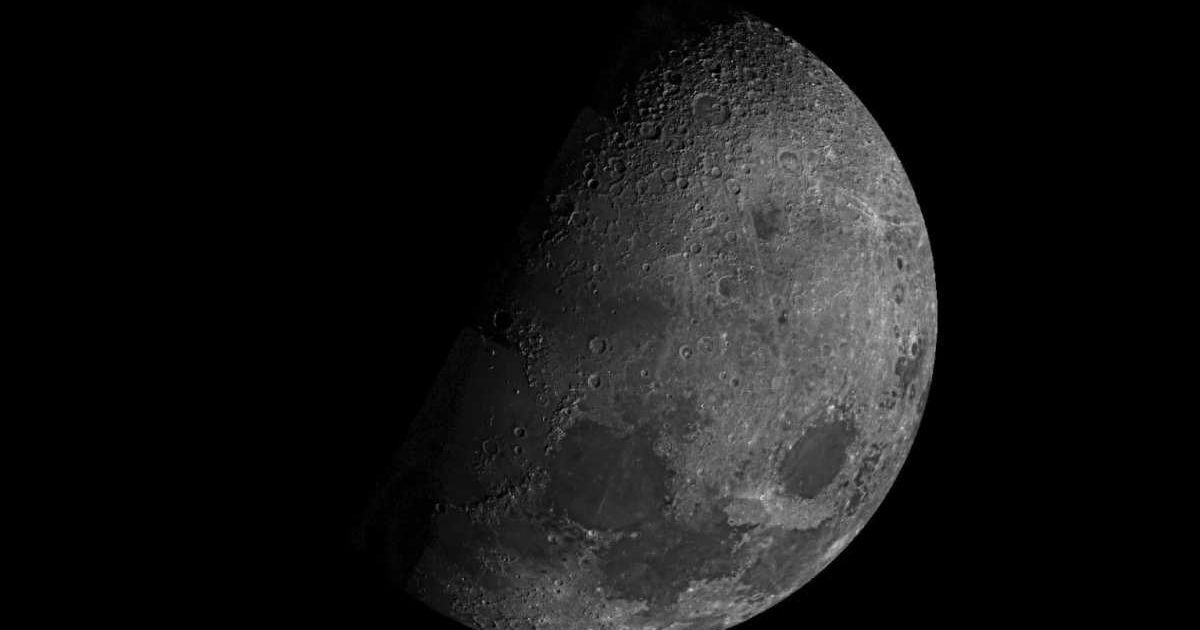
What is International Moon Day? The history behind it and why it still matters
From Apollo 11 to Artemis II, here's why the world still celebrates the Moon every July.
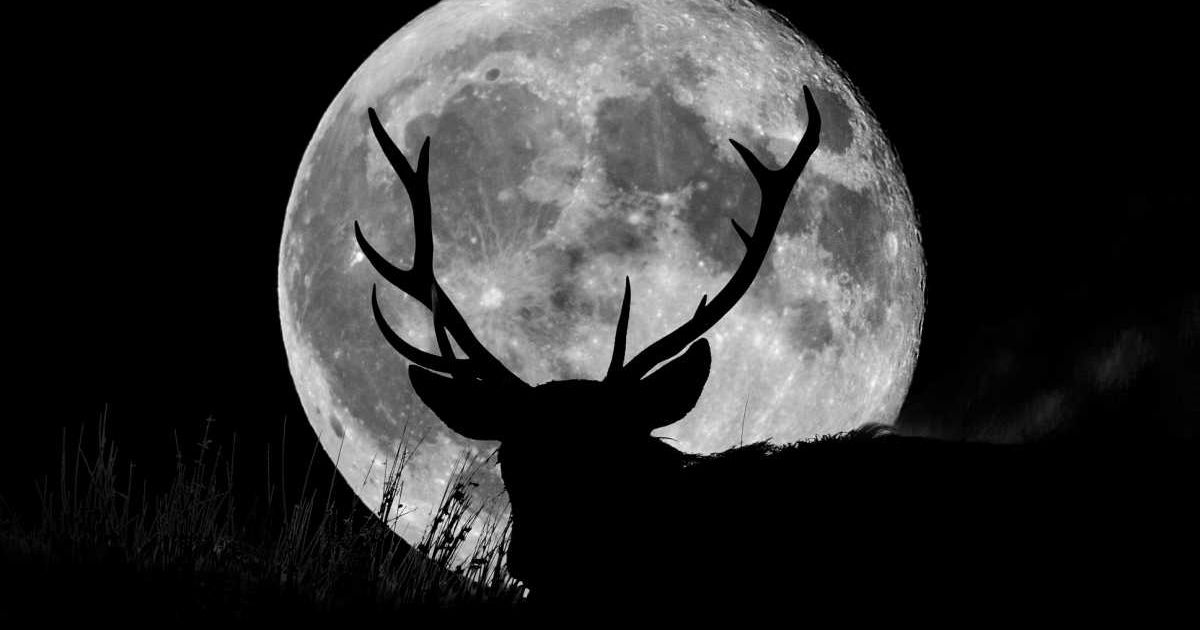
Buck Moon myths and facts: What actually happens during July's Full Moon
No mystical powers here—the Moon is just on its ordinary celestial schedule.
 5 PHOTOS
GALLERY
This is how humanity will die: Stephen Hawking's predictions for the end of the world
Hawking spent decades warning about how humanity might end. Here's what he predicted.
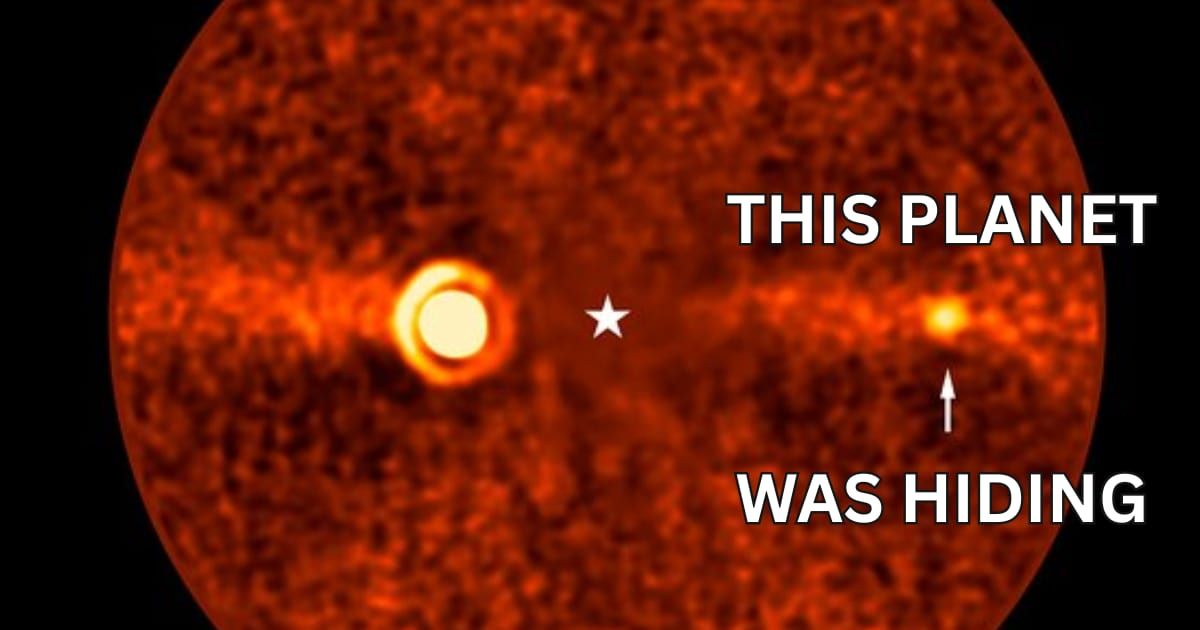
'Found you!': Astronomers find the faintest planet ever photographed after 11 years of hide and seek
Beta Pictoris is now the second known system where more than two planets have been directly imaged.
 5 PHOTOS
GALLERY
The chilling theory that explains why we haven't found aliens yet
For decades, we've looked and found nothing. This could be why.
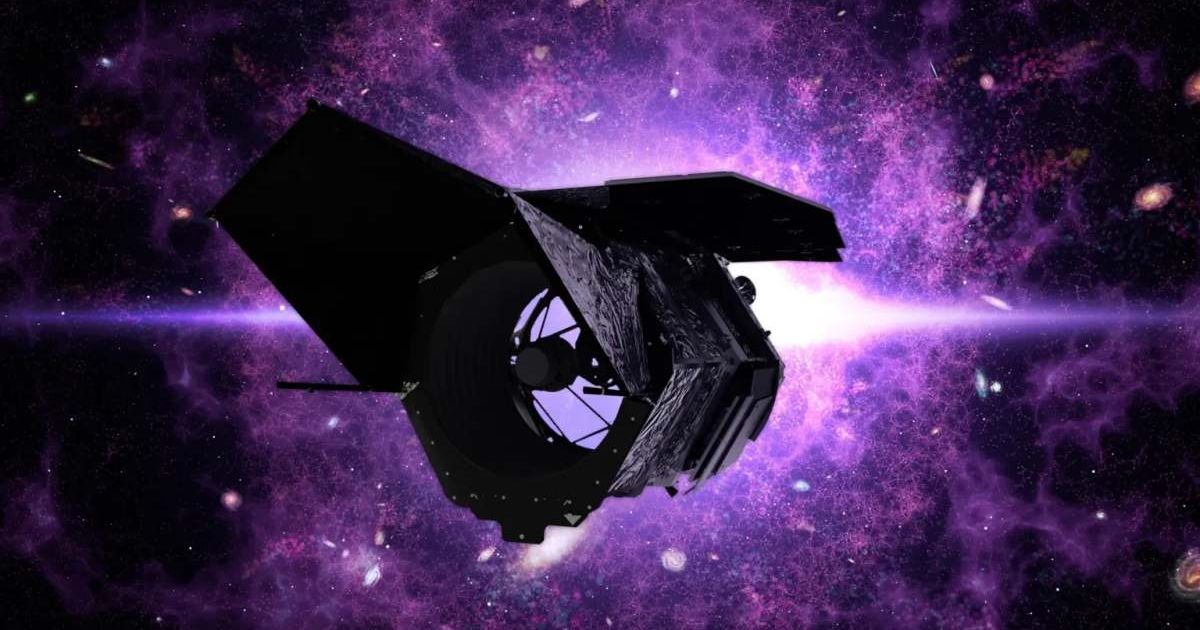
NASA’s Roman Space Telescope may finally reveal how the universe's first black holes formed
Could this telescope help solve the mystery of black holes' origins? Here's what scientists say.
 5 PHOTOS
GALLERY
Does a parallel universe exist? Here's what the leading theories say
The universe may be stranger than we think, and physics has a few wild explanations.
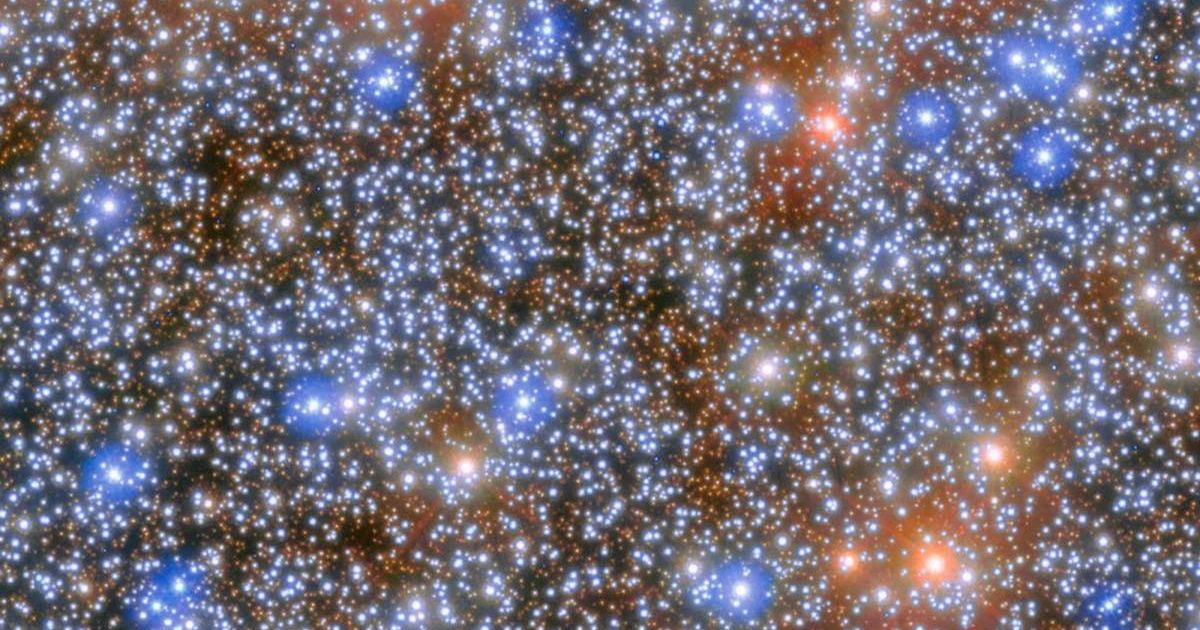
NASA's Hubble and Webb spot the first of a star cluster's 10,000 missing black holes
The black hole, dubbed oMEGACat BH-2, has a visible star companion that orbits it every 94 years, making the duo the longest-period black hole binary ever detected.
 6 PHOTOS
GALLERY
Wait, humans sent these into space? 5 strange objects you won't believe are still floating out there
Humans have launched some really strange things into space. Here are five of them.
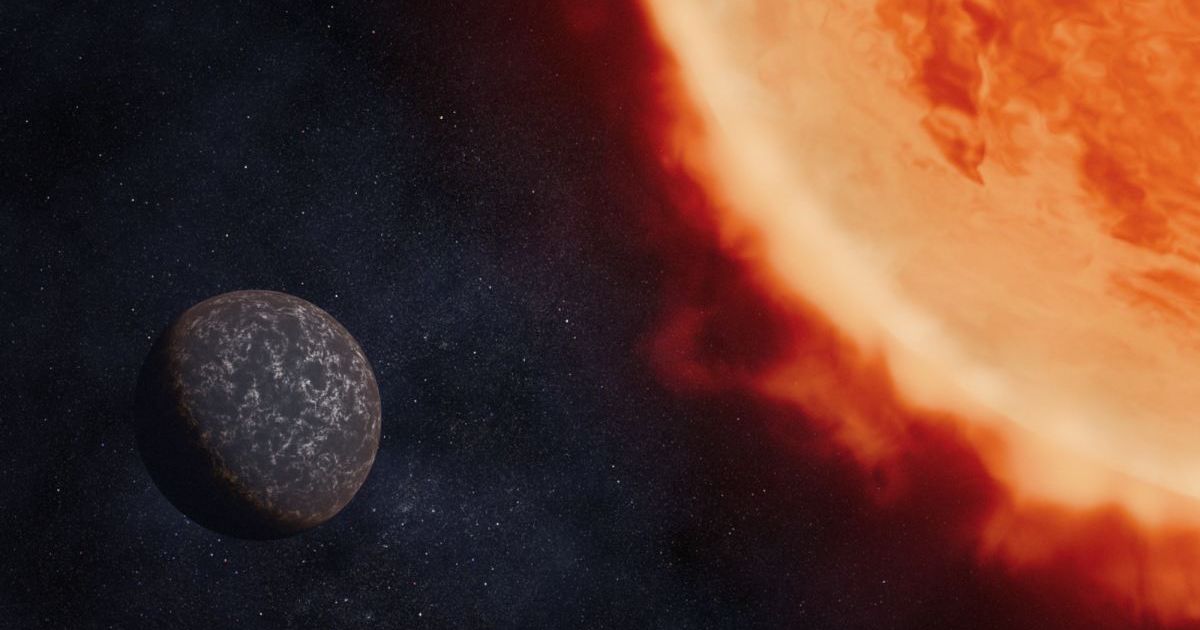
Could a world trapped in endless day and night still host life? Here's what scientists found
These exoplanets seem too harsh to harbor life, but life might still find a way.
 5 PHOTOS
GALLERY
Did an advanced civilization exist on Earth long before humans?
It might sound like science fiction, but researchers actually studied the idea. Here's what they found.
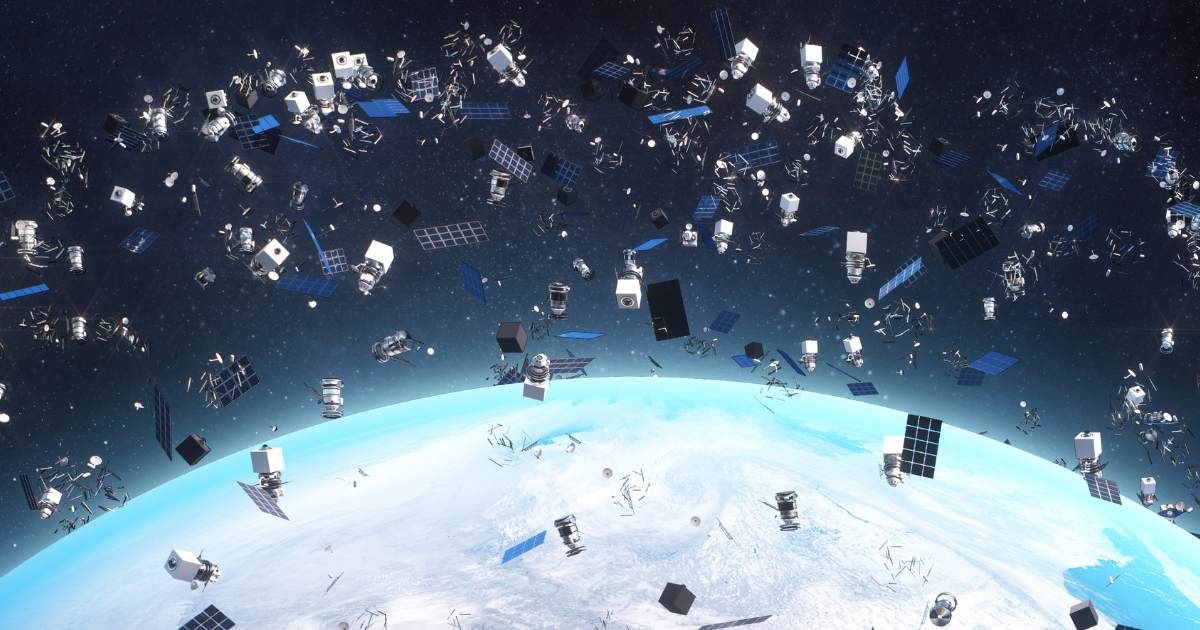
NASA and Japan Aerospace Exploration Agency to launch MACS mission to hunt high-risk invisible space junk
The mission will bridge a critical data gap on millimeter-sized orbital debris, which poses the greatest mission-ending penetration risk to low-Earth orbit spacecraft.
 6 PHOTOS
GALLERY
"Where are they?": Brian Cox reveals why we still haven’t found aliens
The universe seems full of possibilities for alien life, so why is it still completely silent?
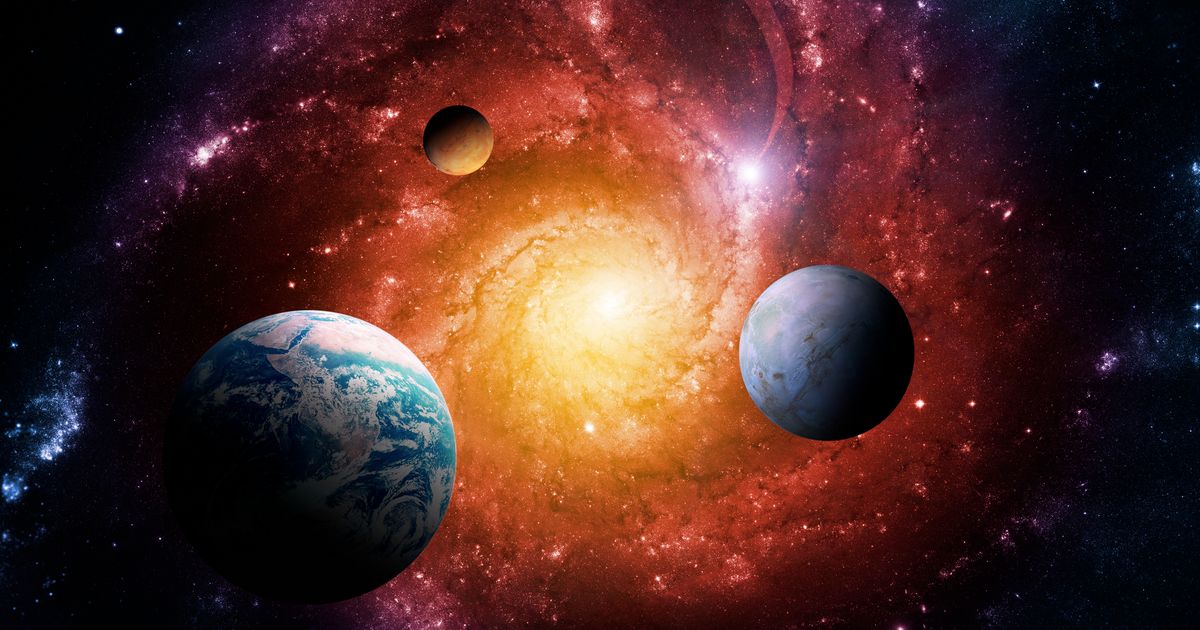
Will Earth survive the Sun’s death? Here’s what a new study found
It all comes down to a tug-of-war that Earth might just win.
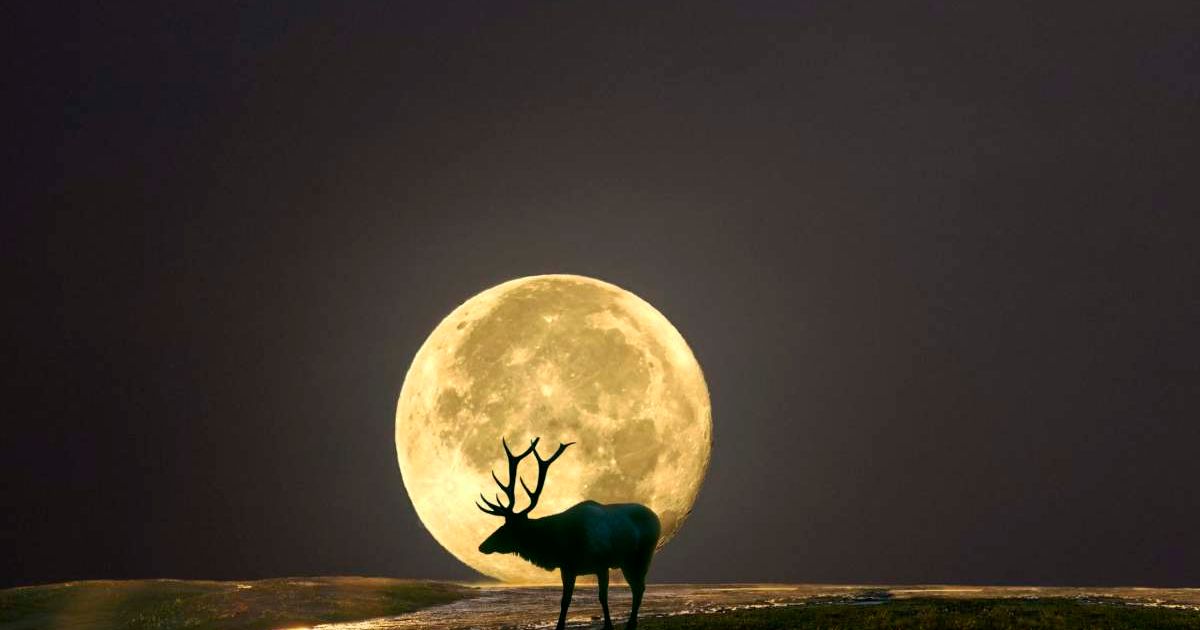
When to see the Buck Moon 2026? Check peak time, moonrise and best viewing times by city
Best viewing times shift by time zone. Here's exactly when to look up in your city.

'We still don't have a lander': NASA's former chief expresses concerns about Artemis architecture
"The genius of Apollo was its simplicity."
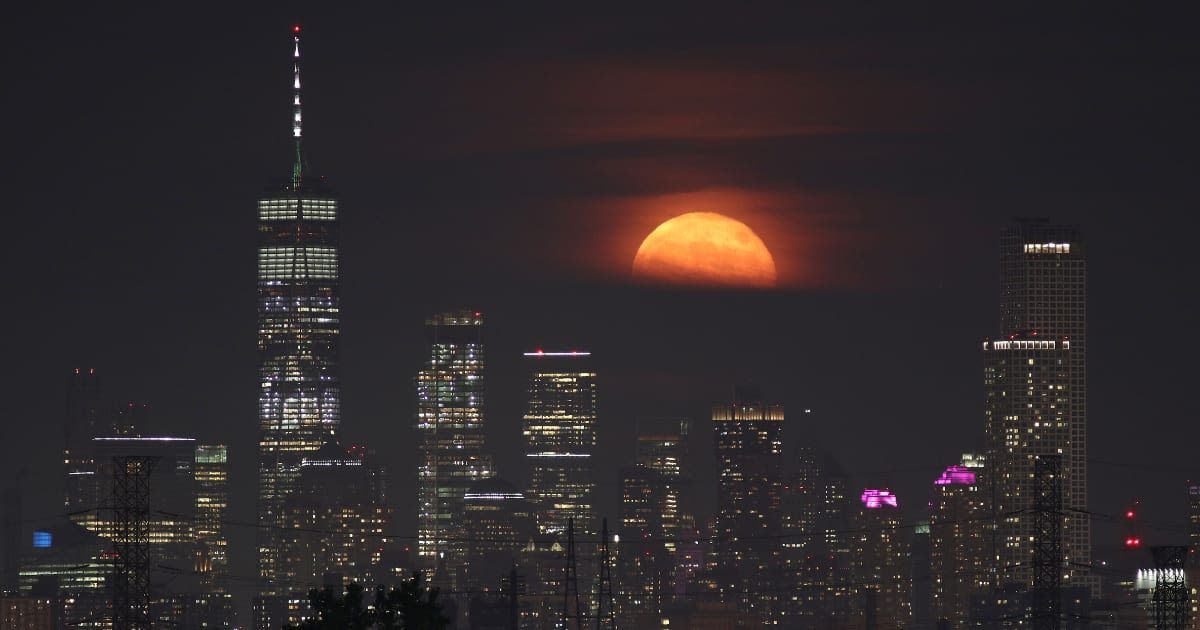
Why is July's full moon called the Buck Moon? Here's the meaning behind the name
Beyond its many names, July's full moon also holds spiritual significance for people around the world.
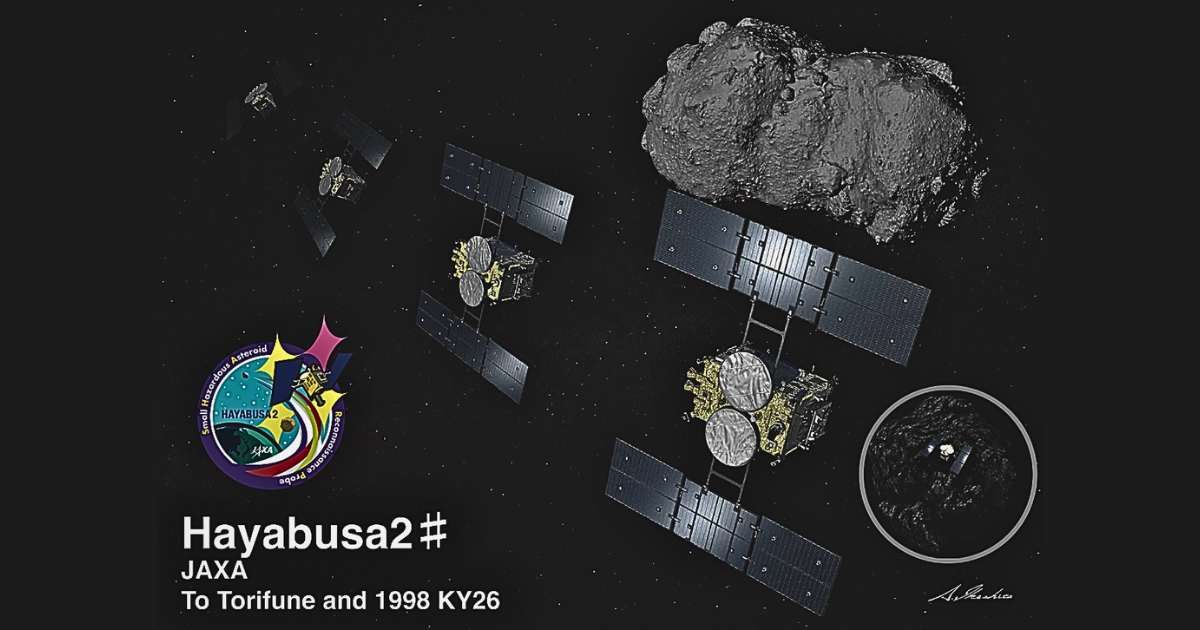
Japan’s Hayabusa2 completes high-speed flyby of asteroid Torifune, releases new images
The flyby, although successful, was not a part of the original plan for Hayabusa2.
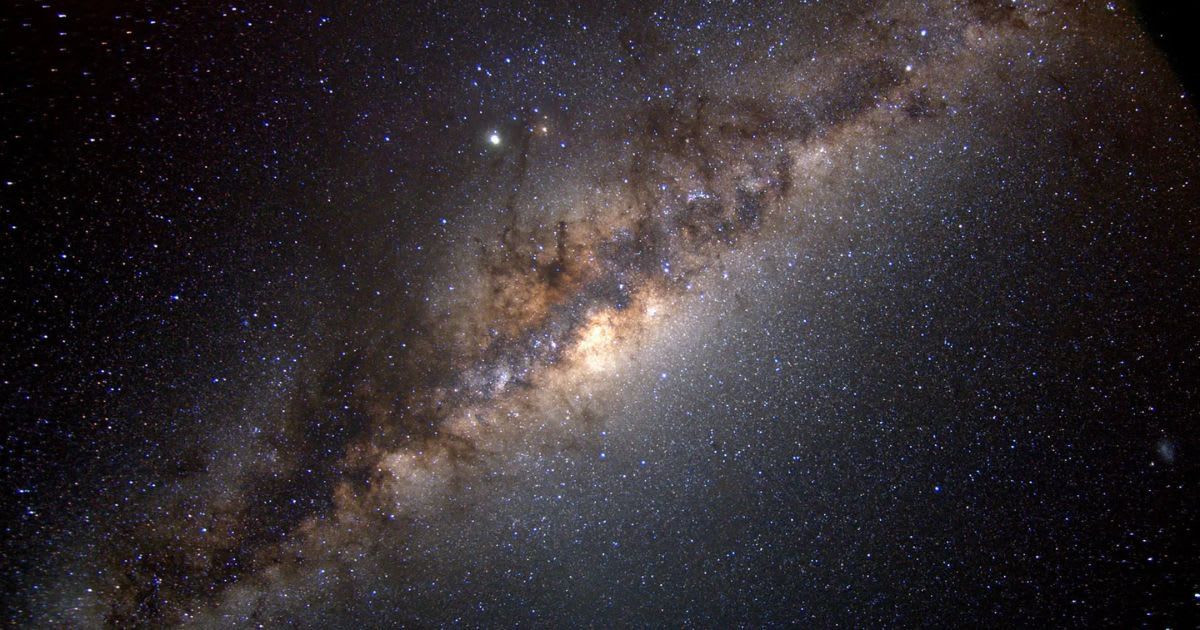
NASA's Chandra finds two of the Milky Way's arms are 10% farther than we thought
This small correction could make us rethink how massive our galaxy actually is.