Wait, humans sent these into space? 5 strange objects you won't believe are still floating out there
Space is full of surprises
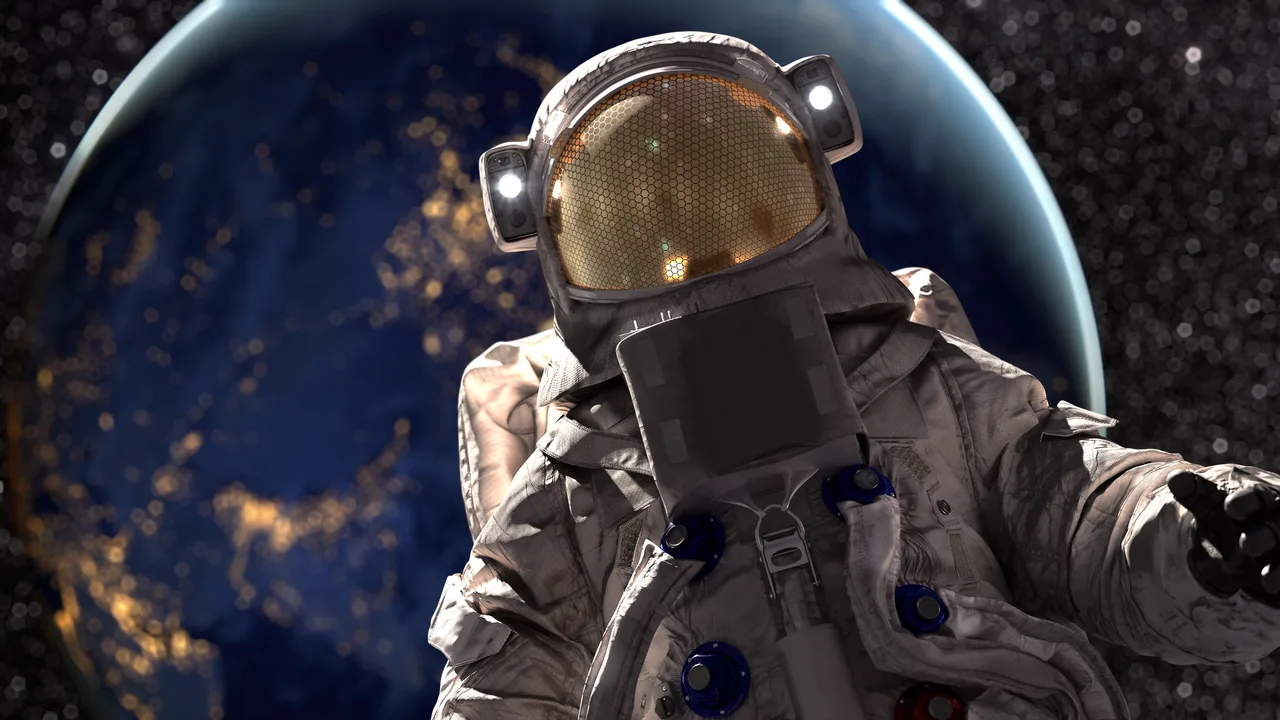
When we think about things humanity has sent into space, we usually picture satellites or even astronauts. But every once in a while, humans have launched some unexpected objects beyond Earth that make us pause and ask, “Wait, why did we send that up there?” So, here’s a look at some of the strangest things still floating in space and the stories behind how they ended up there.
There's a real Tesla floating in space right now
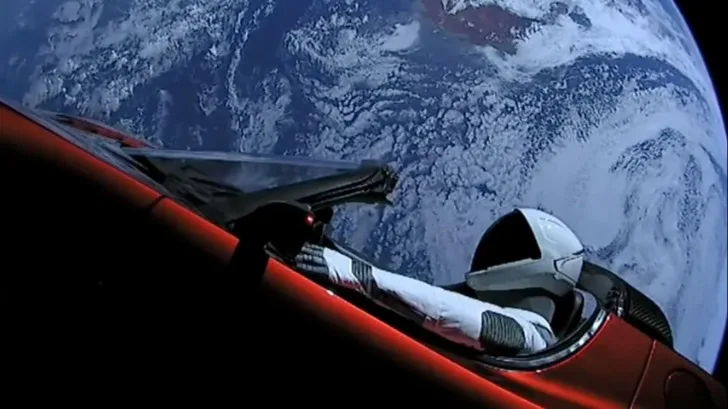
Yes, you’ve heard that right! In 2018, SpaceX needed a test payload for the first flight of its Falcon Heavy rocket. And for this, Elon Musk skipped the usual test payload and sent up his own cherry-red Tesla Roadster instead, with a spacesuited dummy named "Starman" strapped into the driver's seat. The plan was to reach Mars' orbit, but it overshot. Now, it loops around the sun roughly every 557 days, a path that is expected to hold for millions of years. You can actually track it live at whereisroadster.com, which estimates it has now covered the distance of every road on Earth combined, 104 times over, and it's still going.
A mixtape for aliens is still drifting through interstellar space
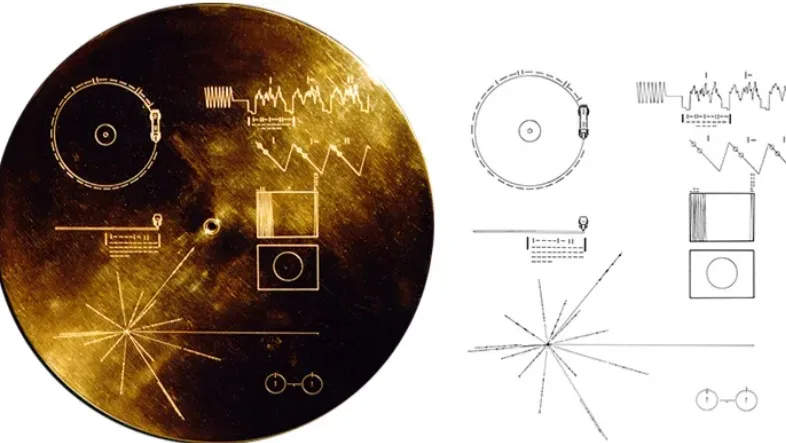
Launched in 1977, the twin Voyager probes each carry a gold-plated copper record of Earth for anyone, or anything, that might find it. NASA calls it "a kind of time capsule", which carries greetings in 55 languages, the sound of a human heartbeat, ocean waves, and music ranging from Bach and Beethoven to Chuck Berry's "Johnny B. Goode." It was built on a simpler idea from NASA's earlier Pioneer 10 and 11 probes. “With this example before them, NASA placed a more ambitious message aboard Voyager 1 and 2, a kind of time capsule, intended to communicate a story of our world to extraterrestrials,” says NASA’s official website.
Hundreds of millions of tiny copper needles in space
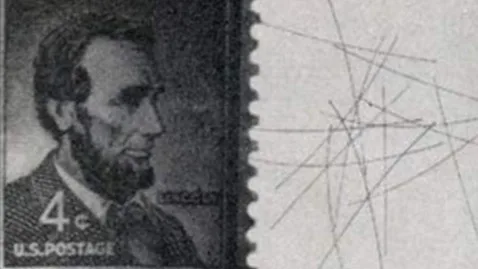
To explain how tiny copper needles ended up in outer space, we’ll have to go back in time. During the Cold War, the US military launched Project West Ford, which scattered roughly 480,000,000 tiny copper needles into orbit. The goal was to create a backup communications system in case the Soviets ever severed undersea cables. Since then, the needles have clumped together over time. Most of the clumps have decayed, but a few are still believed to be in orbit. At the time, two scientists from Mount Palomar spoke out against the project in a 1963 The Times’ print edition, writing that “once the principle of unilateral contamination is accepted, the doors are opened for disastrous future possibilities. If the United States sets such a precedent, what is to stop other nations from doing the same in the future?”
There's actually LEGO in space
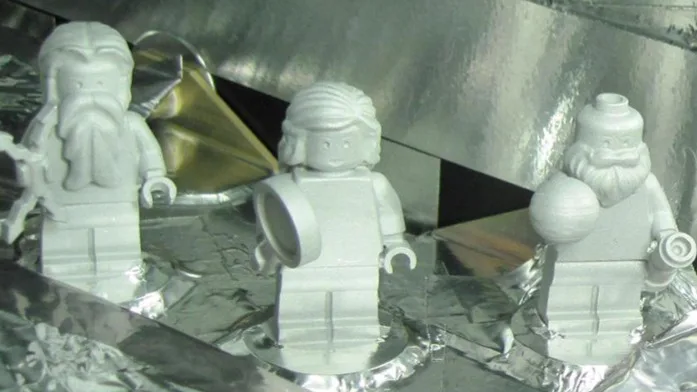
When NASA launched the Juno spacecraft toward Jupiter in 2011, it carried three tiny Lego figures made of aluminum tough enough to survive the planet's brutal radiation. The trio represents the Roman god Jupiter holding a lightning bolt, his wife Juno holding a magnifying glass, and astronomer Galileo Galilei with his telescope, honoring his discovery of Jupiter's largest moons. NASA built the figures with the Lego Group specifically to “inspire children to explore science, technology, engineering and mathematics.”
Star Trek creator’s ashes are still out there in space
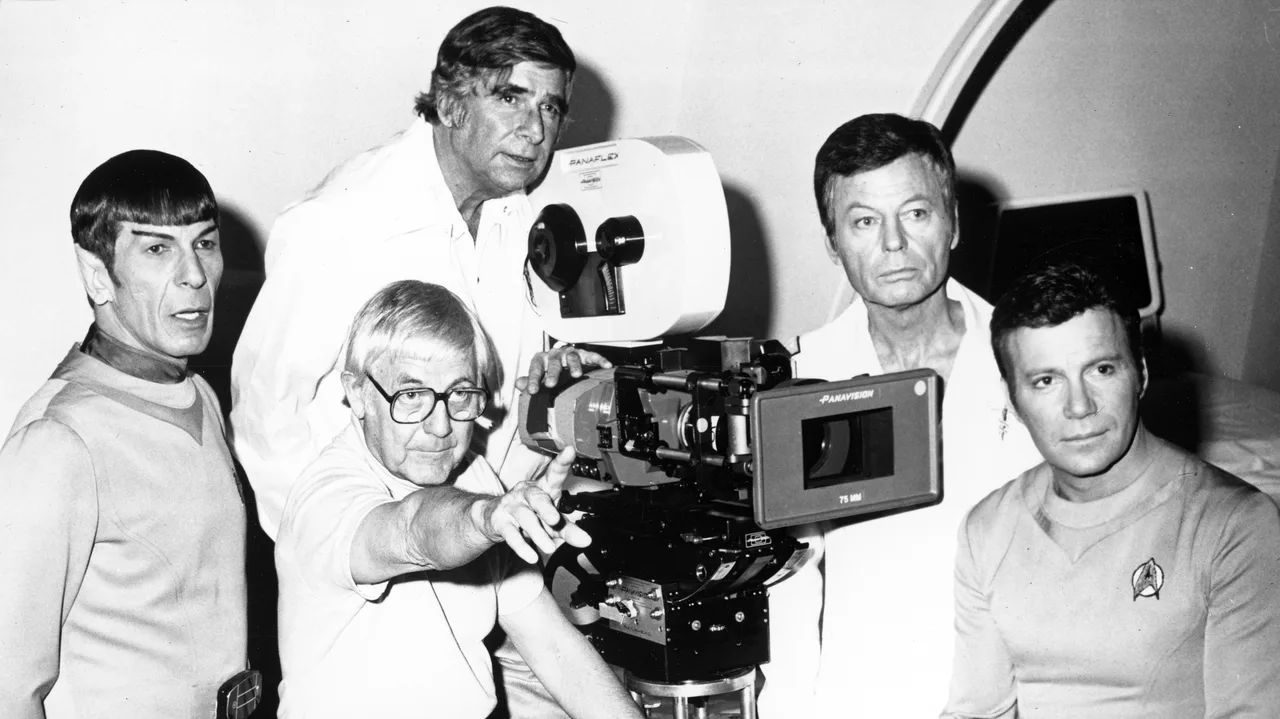
As a tribute to Star Trek creator Gene Roddenberry, his ashes have been sent into space several times since his death in 1991. A small portion first flew aboard Space Shuttle Columbia's STS-52 mission in 1992, which orbited Earth 160 times before coming back down. As spaceflight historian Robert Pearlman put it, "to the best of everyone's knowledge, it was the first time that human remains were launched on a manned spacecraft." More of his ashes followed in 1997 on a Celestis memorial flight, and eventually a portion made it beyond the Earth-Moon system entirely, drifting permanently into deep space.