This is how humanity will die: Stephen Hawking's predictions for the end of the world
Earth won’t last forever
For decades, Stephen Hawking warned that humanity was running out of time here on Earth. He passed away in March 2018 at the age of 76. Two weeks before that, he'd co-authored his final paper, "A Smooth Exit From Eternal Inflation," which looked at how the universe itself would eventually go dark as its stars burned out.
Long before that final paper, though, Hawking pointed to more urgent threats. Here's what he believed could bring life on Earth to an end.
Global warming could reach a point of no return
Hawking believed global warming was one of the biggest threats to life on Earth. He warned that we are approaching a tipping point after which damage would become completely irreversible. After President Trump announced the US would leave the Paris Agreement in 2017, Hawking told BBC News: "We are close to the tipping point where global warming becomes irreversible. Trump's action could push the Earth over the brink, to become like Venus…raining sulphuric acid."
Unfortunately, that warning has only gotten more relevant. The Global Tipping Points Report states that "Earth's climate and nature are already passing tipping points as global warming approaches...Already at 1.4°C of global warming, warm water coral reefs are crossing their thermal tipping point and experiencing unprecedented dieback, impairing the livelihoods of hundreds of millions who depend on them."
The machines we’re building would outgrow us
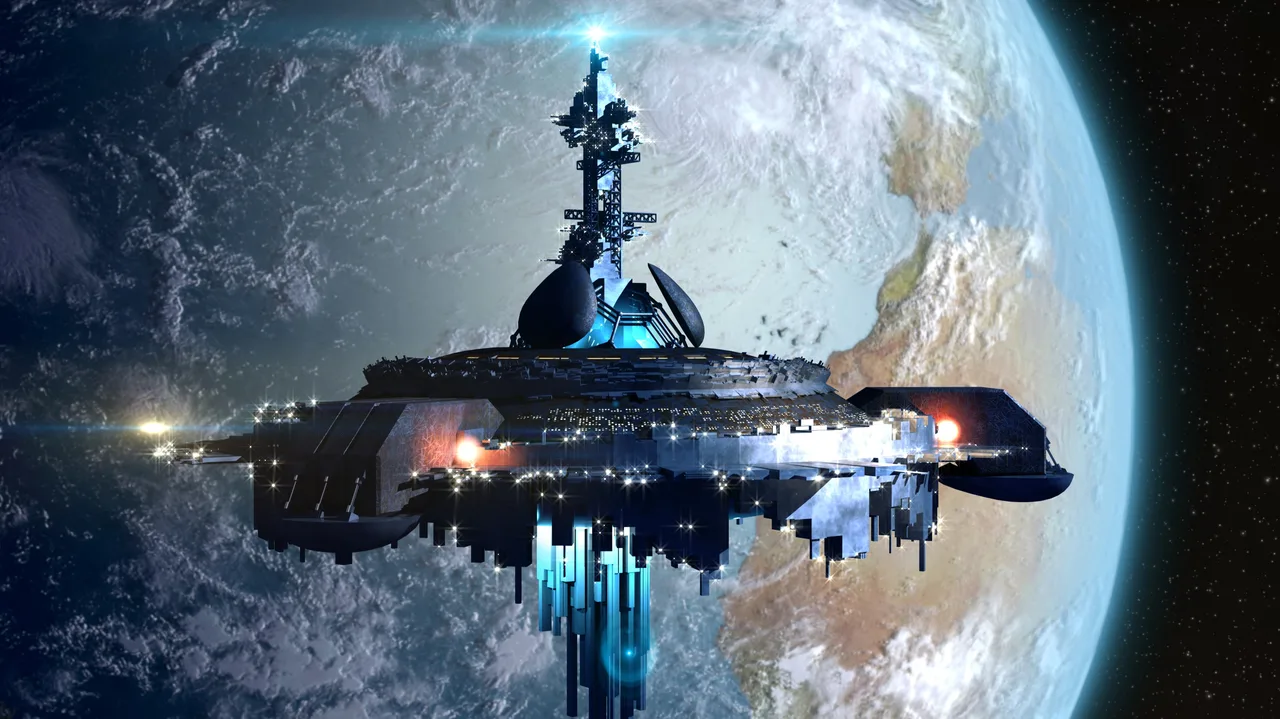
If AI ever advances far enough past human intelligence, there's no guarantee it will keep treating human interests as a priority, and that's a dangerous position for us to be in. He said, "The advent of superintelligent AI would be either the best or the worst thing ever to happen to humanity."
"A superintelligent AI will be extremely good at accomplishing its goals, and if those goals aren't aligned with ours, we're in trouble," he told BCC. He even signed an open letter on AI safety in 2015 to push for research into keeping AI's goals aligned with ours.
Reaching out to aliens would become our biggest mistake
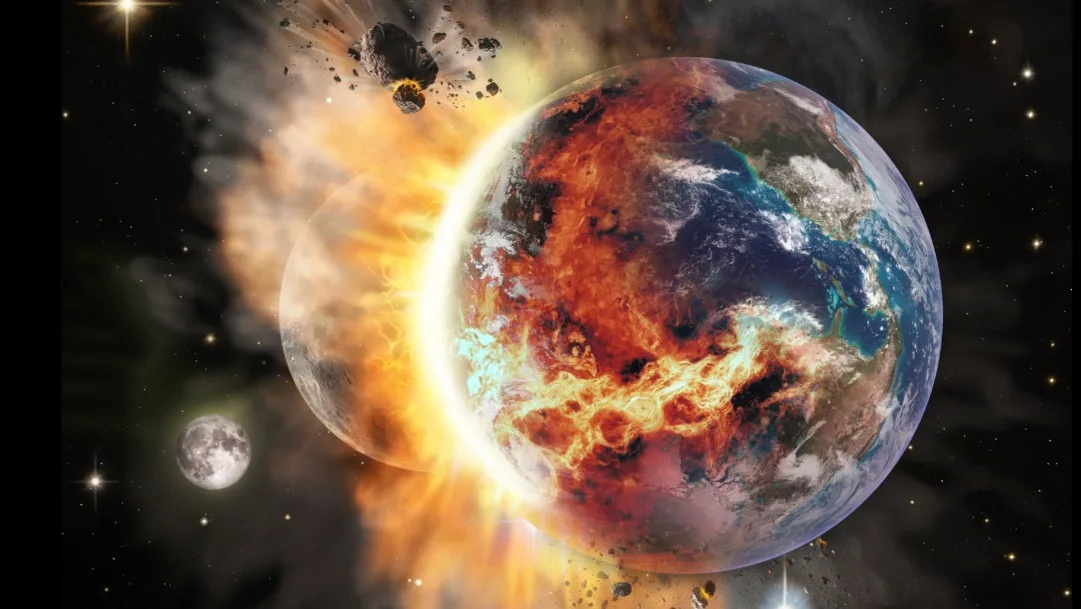
Hawking's concerns weren't limited to Earth-based threats. He also worried that actively searching for alien life, and announcing ourselves in the process, could put us in danger. The logic is that any civilization advanced enough to notice us might not be friendly. That's part of why he backed Breakthrough Listen in 2015, a project focused on listening for signals rather than transmitting our own.
"A civilization reading one of our messages could be billions of years ahead of us," he said. "If so, they will be vastly more powerful, and may not see us as any more valuable than we see bacteria." Other scientists have also shared that staying quiet may be our safest strategy.
Staying on one planet would doom humanity
Our odds of survival drop sharply as long as we're confined to a single planet, he argued. The reason is that there's no shortage of scenarios that could wipe out civilization, and betting everything on one world means any one of them could finish us off. But if we spread across multiple worlds, our chances of survival would increase.
NASA says the Sun won't die for billions of years, but Hawking didn't think we'd need to worry about that timeline. He was far more concerned with threats arriving much sooner, warning that "nuclear confrontation or environmental catastrophe will cripple the Earth at some point in the next 1,000 years."