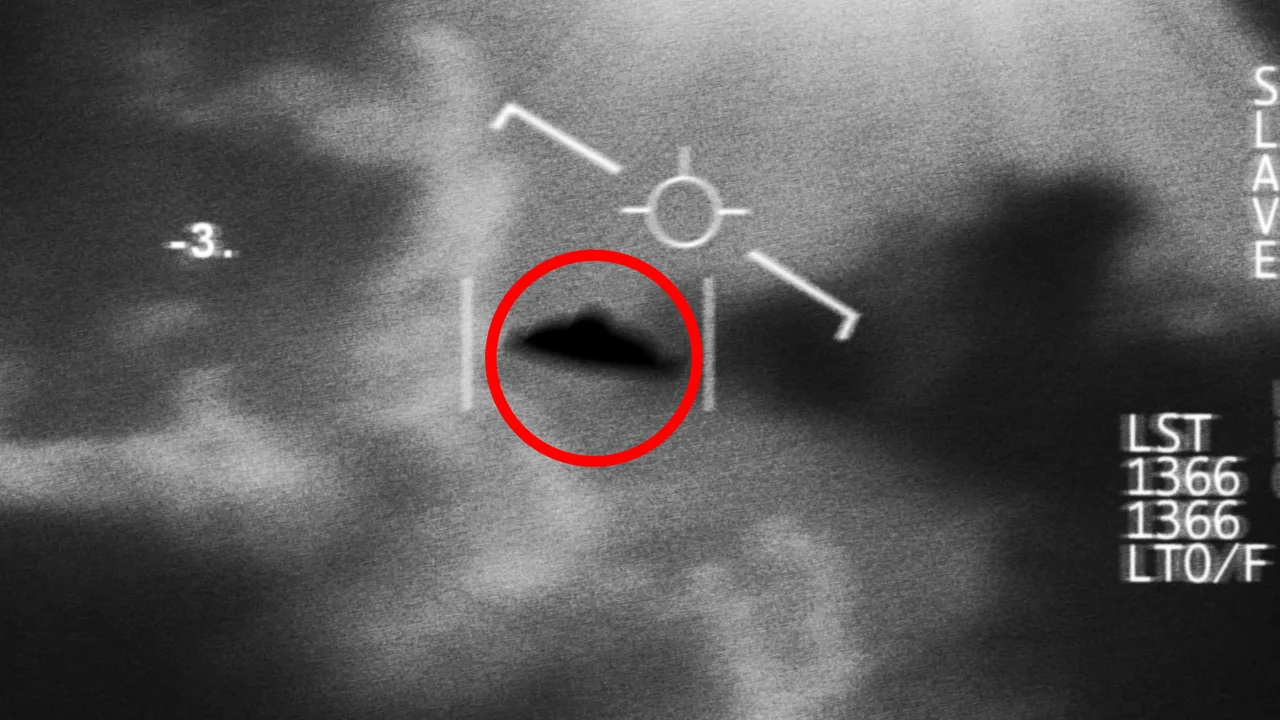
Did an advanced civilization exist on Earth long before humans?
The core idea
In 2017, Gavin A. Schmidt, now the director of NASA Goddard Institute for Space Studies, and Adam Frank, professor of physics at the University of Rochester, began exploring a fascinating question: “What makes us so sure we’re the first civilization on this planet?” Their discussion led to a 2018 peer-reviewed paper on the same theory, which they call “The Silurian Hypothesis,” published in the International Journal of Astrobiology. Let's take a closer look at what this hypothesis could mean for our search for signs of past or distant civilizations.
So what exactly is the Silurian Hypothesis?
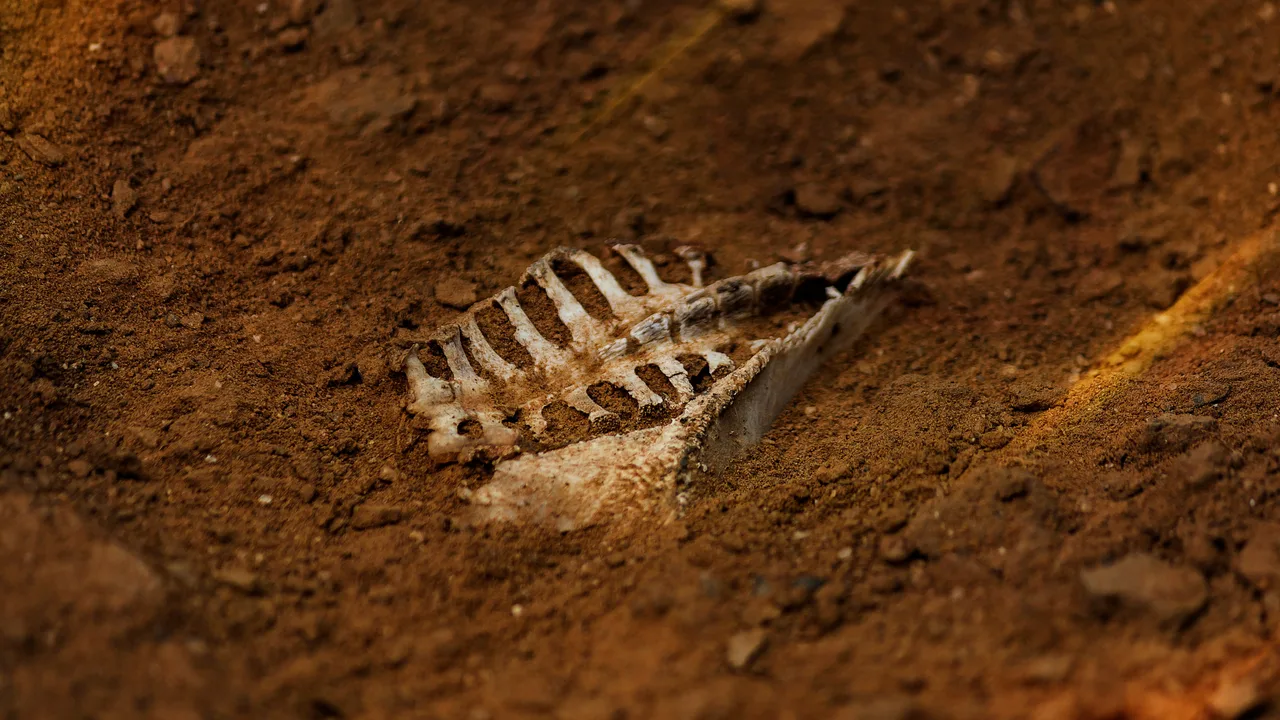
At its core, the hypothesis asks whether humans are really the first intelligent life forms to have evolved on this planet, or whether the traces of an earlier civilization could have simply vanished over deep time. It’s important to note that this hypothesis is a scientific exercise that asks: if any civilization existed before us, what do we need to look for to find their clues? It doesn’t state that they actually existed, but it doesn’t rule out the possibility either.
Why finding proof would be so difficult?

It might seem like any past civilization would have left behind something obvious, the way dinosaurs left fossils. But dinosaurs were around for more than 150 million years, and this gave them plenty of time to leave a mark.
If another species had done the same and then vanished, the physical footprint they left behind could be so thin and so old that it just blends into the geological record. Frank and Schmidt were trying to answer not just how old the evidence would be or how widespread the civilization was, but also how long it lasted.
If they did exist, what would we actually need to look for?

In this case, a better approach, according to the researchers, would be to look for spikes in atmospheric carbon, which industrial civilizations would likely produce. 56 million years ago, during a period called the Paleocene-Eocene Thermal Maximum, temperatures at the poles reached roughly 70°F (21°C), and scientists found a mysterious jump in carbon in the air at the same time, for reasons that still aren't fully understood.
Unlike the PETM's carbon spike, which unfolded over a couple of hundred thousand years, a civilization's signature would actually be a short, sharp burst of carbon buried in ice cores, rather than a gradual change.
But how plausible is this idea?
Frank and Schmidt are clear that they don't think an industrial civilization predated humans. In their own words, "We strongly doubt that any previous industrial civilization existed before our own.” But they also point out that ruling it out completely isn't as easy as it sounds, noting that "the Silurian hypothesis cannot be regarded as likely merely because no other valid idea presents itself.”
Their paper is a framework for what scientists should look for when searching for signs of past civilizations, a question closely tied to the broader search for life beyond our own planet. Adding to this, Frank told The Atlantic, "It's not often that you write a paper proposing a hypothesis that you don't support.”