
About Author
Meet Ankita, a journalist and editor who’s spent almost a decade getting good stories in front of the people they’re meant for. At Starlust, you’ll find her covering the latest discoveries and stories from NASA, ESA, SpaceX, upcoming skywatching events, and more. Over the years, she’s worked on thousands of articles across a wide range of topics, with her work reaching millions of readers. Before joining Starlust, she served as Chief Editor at Kalrecon and covered stories for CollegeDunia and GameRant. Outside of work, Ankita spends her free time reading and exploring different creative side projects.
Latest From Ankita Garkoti
 6 PHOTOS
GALLERY
The moon could get its first residents by the 2030s; here's what Elon Musk, Jeff Bezos, and Sam Altman are saying
Robots might build it, but humans may be the ones who keep it running. Here’s how.
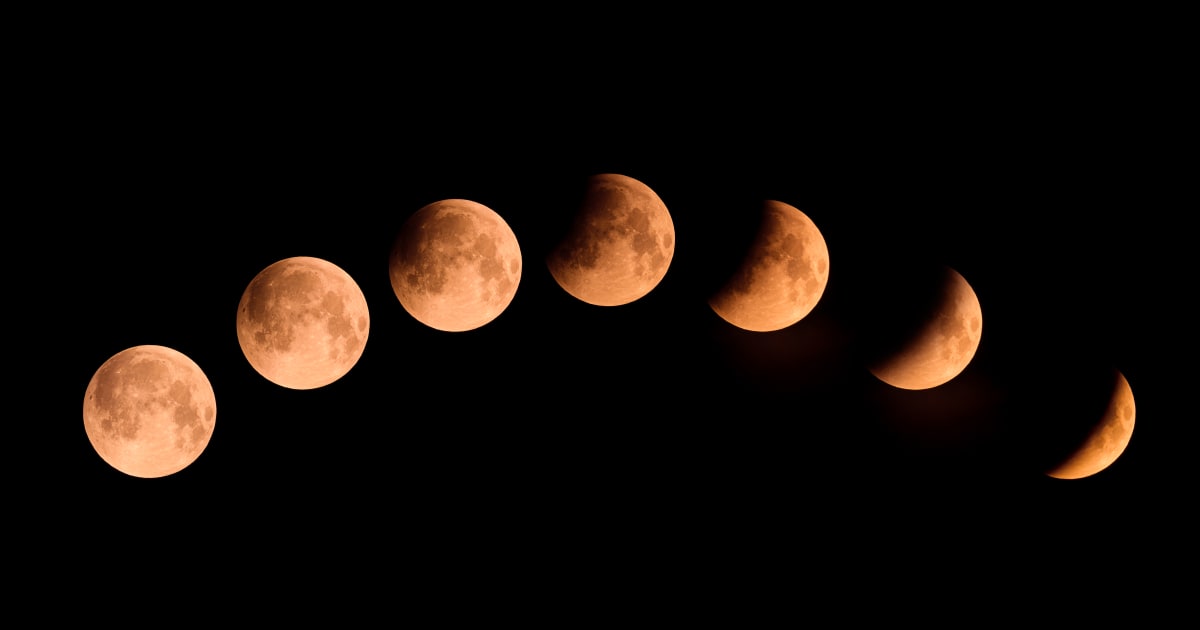
Partial lunar eclipse August 27-28, 2026: Time, visibility, and how to watch from the US
The partial lunar eclipse this week will turn the moon nearly blood red. Here's when to look up.
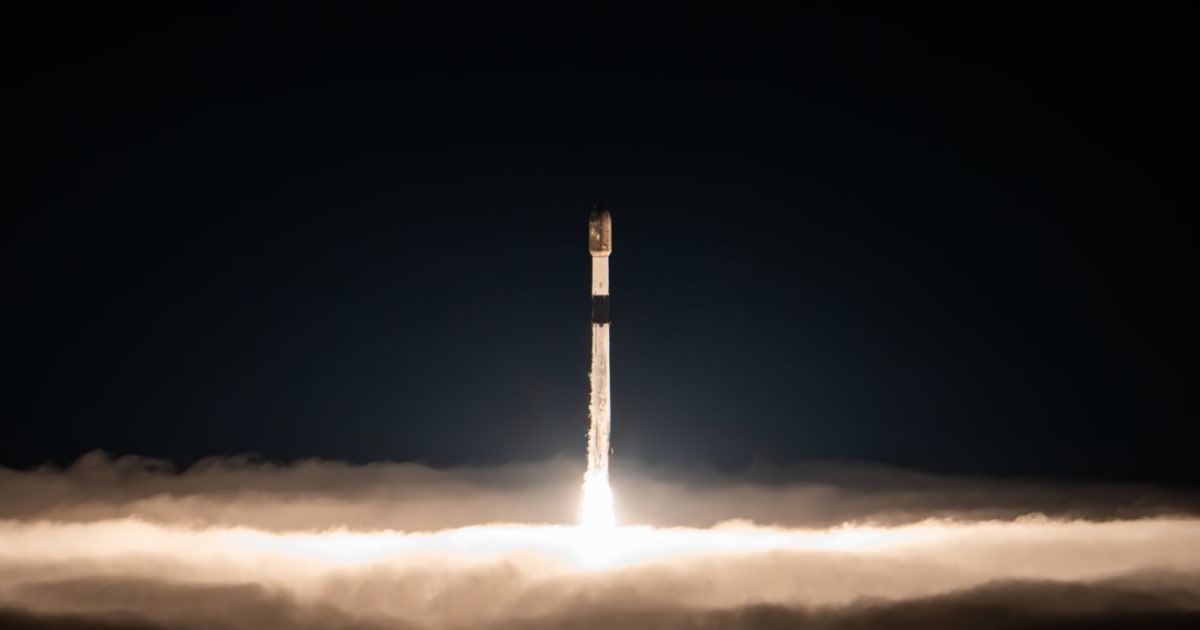
SpaceX hits 100th Falcon launch of the year with a 27-satellite Starlink mission (watch video)
Out of 99 Falcon 9 launches this year, 76 have carried Starlink satellites into orbit.
 5 PHOTOS
GALLERY
What if the universe isn’t actually speeding up? Oxford physicist offers a new explanation
A new study says the universe's "acceleration" might be an illusion. Here’s how.
 5 PHOTOS
GALLERY
New Pentagon UFO files: How close are we to alien life? Ex-NASA official explains
The new UFO files raise even more questions, but do they bring us any closer to answers?
 5 PHOTOS
GALLERY
Strange ‘jellyfish’ object spotted on Mars in NASA’s Curiosity image. Is it a UFO?
The bizarre shape has raised questions about what Curiosity actually captured. Here’s what we know.
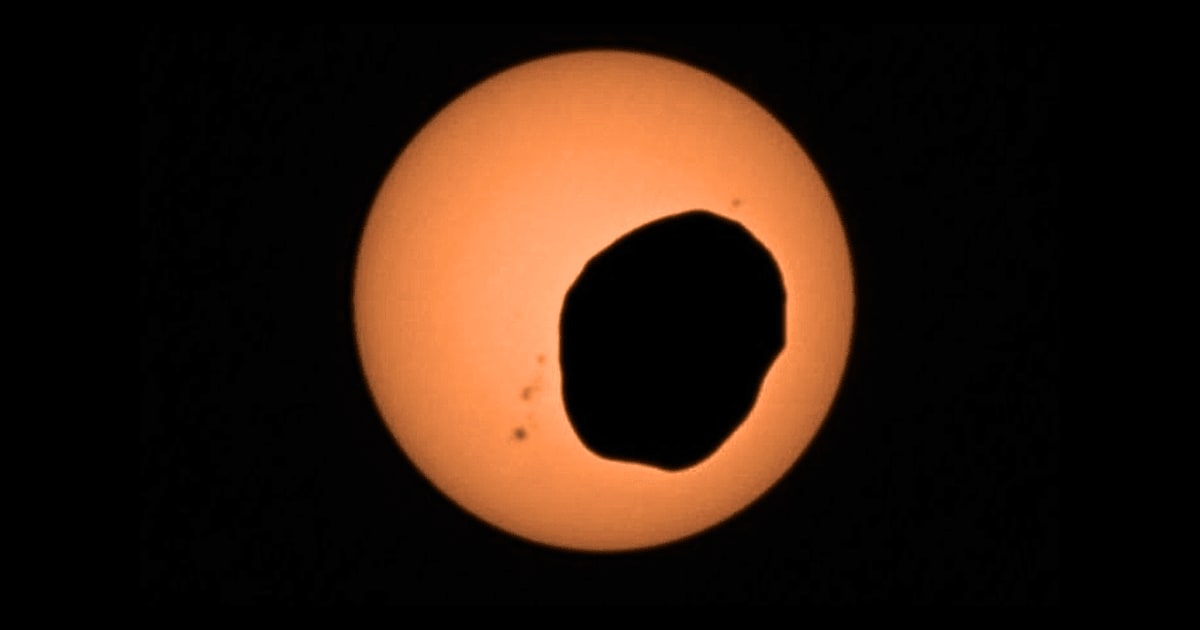
NASA's Perseverance captured a solar eclipse on Mars; see videos & images here
Mars's moon passed in front of the sun and gave the Red Planet its own solar eclipse.
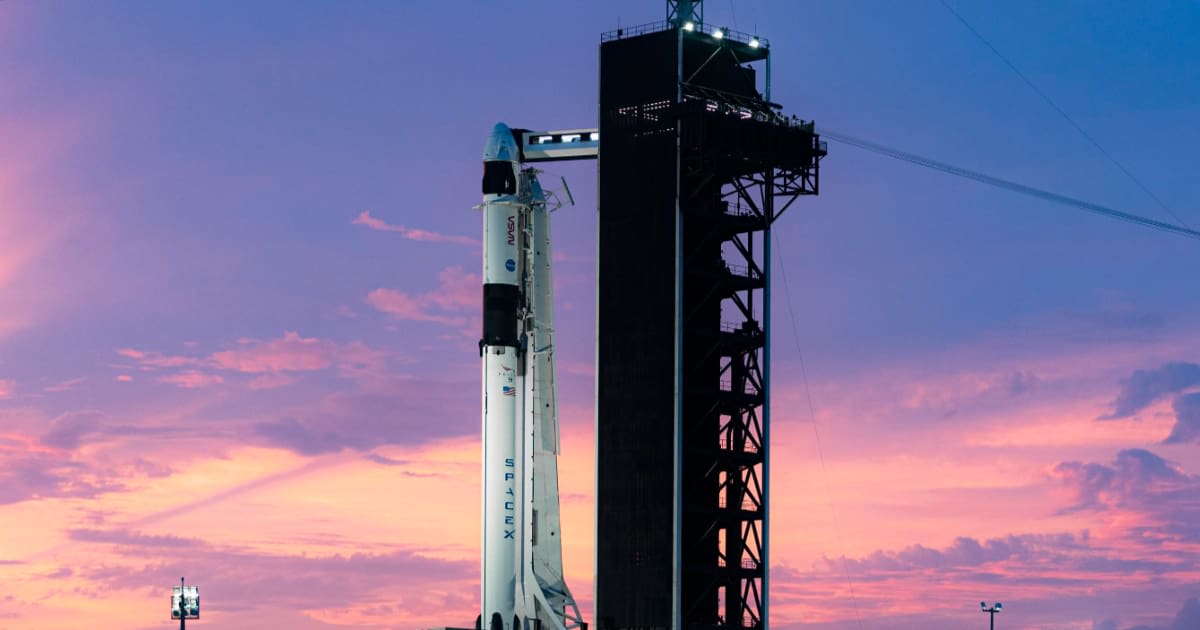
SpaceX may launch Starship Flight 14 no earlier than August 28; here's all you need to know
The mission is expected to attempt a full orbital flight and deploy the next-gen Starlink V3 satellites.
 7 PHOTOS
GALLERY
Love from Mars: NASA captures surreal heart-shaped landscapes on the Red Planet
Some of Mars’ strangest images also happen to be its most beautiful. Here’s a look at a few of them.
Scientists just found a 'mega-Earth' with 23 times Earth's mass, and it's breaking the rules
This newly found 'mega-Earth' is forcing astronomers to rethink how rocky planets form. Here’s how.
 5 PHOTOS
GALLERY
Is the universe actually a simulation? One scientist says he's found evidence
His claim is bold enough to challenge everything we assume about reality itself.
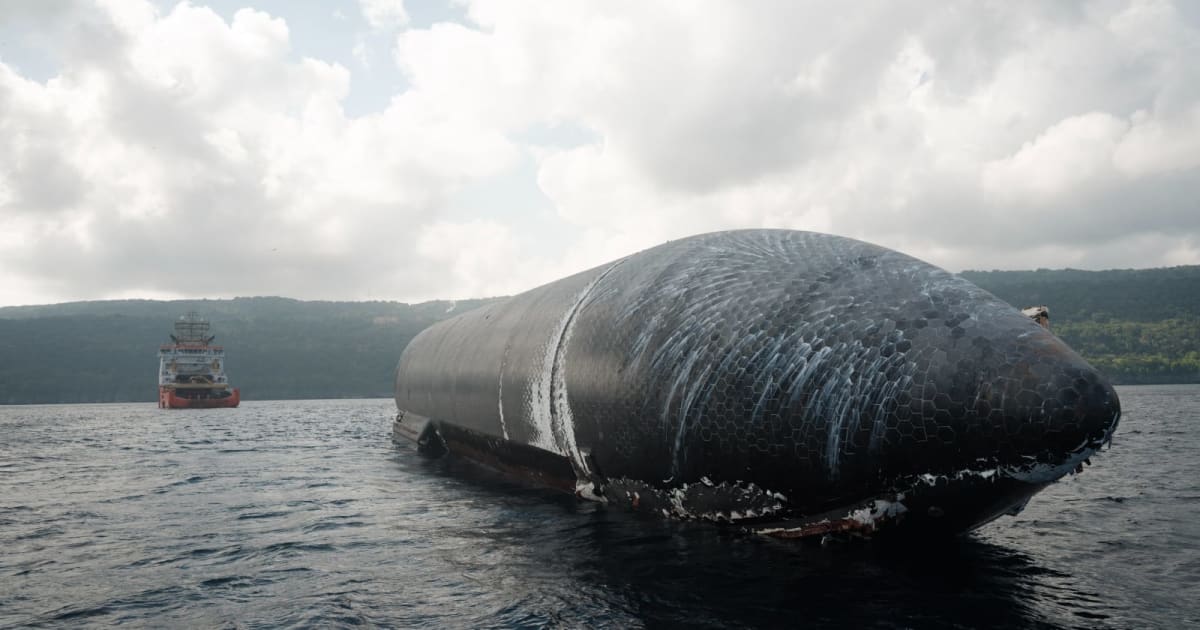
SpaceX finally hauls Starship's Ship 40 to Christmas Island after 24 days lost at sea
SpaceX engineers will now inspect Ship 40 closely before attempting to bring it back to Starbase.
NASA-funded flying robots could soon explore the hidden caves of Saturn's moon Titan
These robots could reach places on Titan that rovers never could. Here’s how.

NASA administrator says he's 'extremely confident' Artemis III will launch in 2027
Stacking has already begun on the SLS rocket set to fly Artemis III next year.
 5 PHOTOS
GALLERY
This is what living on NASA's future moon base could actually look like
NASA hopes to see astronauts living on the moon by the 2030s. Here's what that could involve.
After the 2026 total solar eclipse, get ready for a 'ring of fire' and 'Eclipse of the Century' in 2027
Two solar eclipses are coming in 2027—here's when and where you can catch them.
 5 PHOTOS
GALLERY
There may be a second universe out there, and it could be why anything exists at all
Scientists say the answer to why we exist may be hiding in a mirror universe. Here’s why.
 5 PHOTOS
GALLERY
Harvard professor Avi Loeb wants UFO “biologics” as new files raise more questions
Photos and videos aren't enough anymore, says the Harvard physicist leading the UAP panel. Here's why.
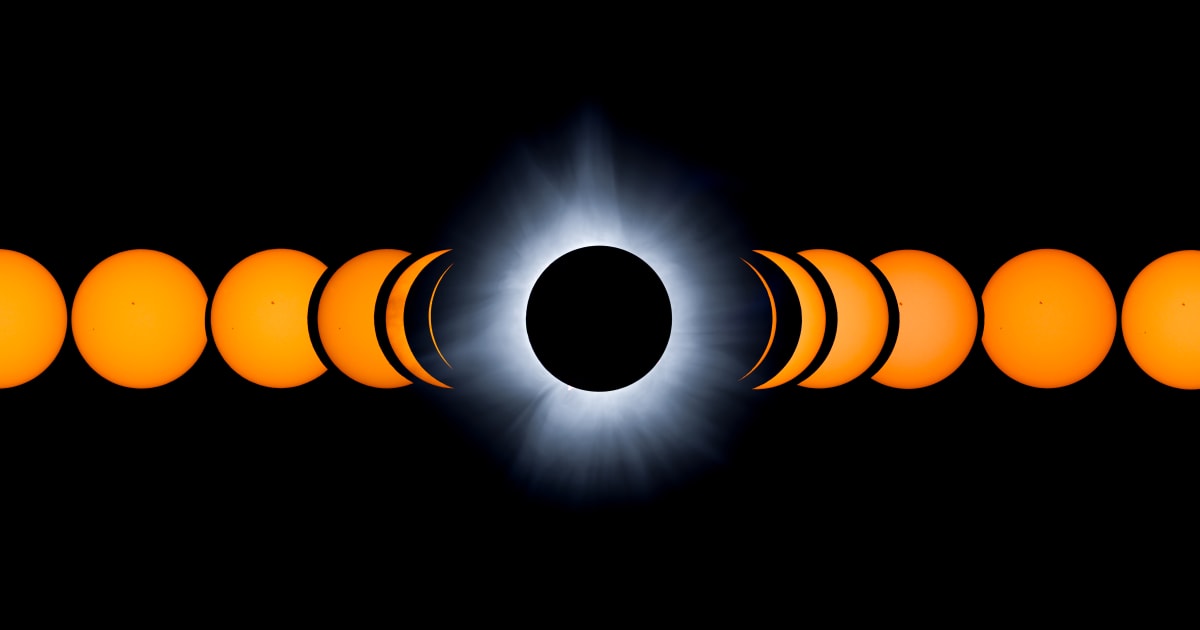
Total solar eclipse 2026 recap: Key highlights, images, videos and what comes next
A recap of the total solar eclipse that swept the globe on August 12, in images and video.
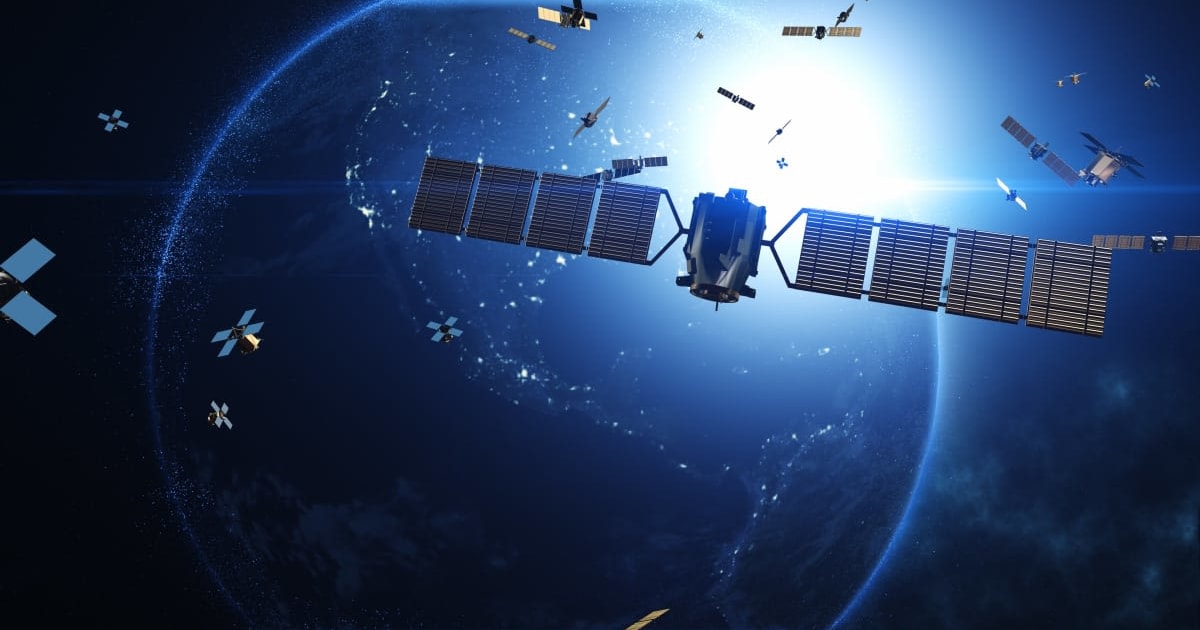
Scientists used Starlink satellites to map Earth's upper atmosphere for the first time
With this, scientists will be able to track changes in satellites and avoid collisions in orbit.