Did comets bring building blocks of life to Earth? New study challenges long-standing theory
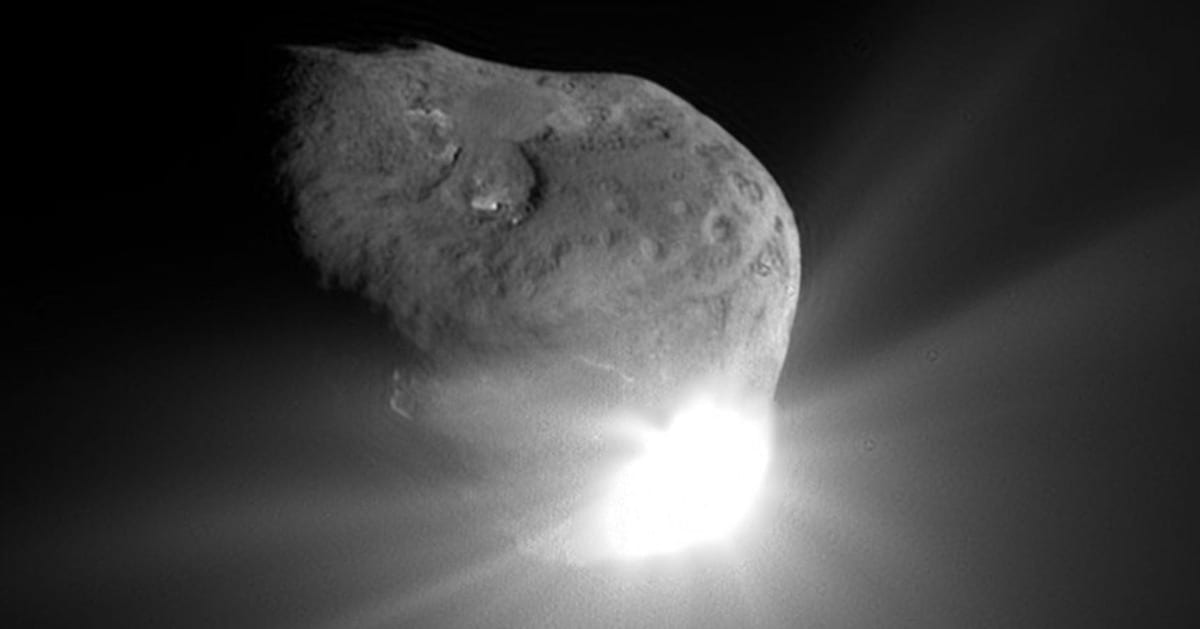
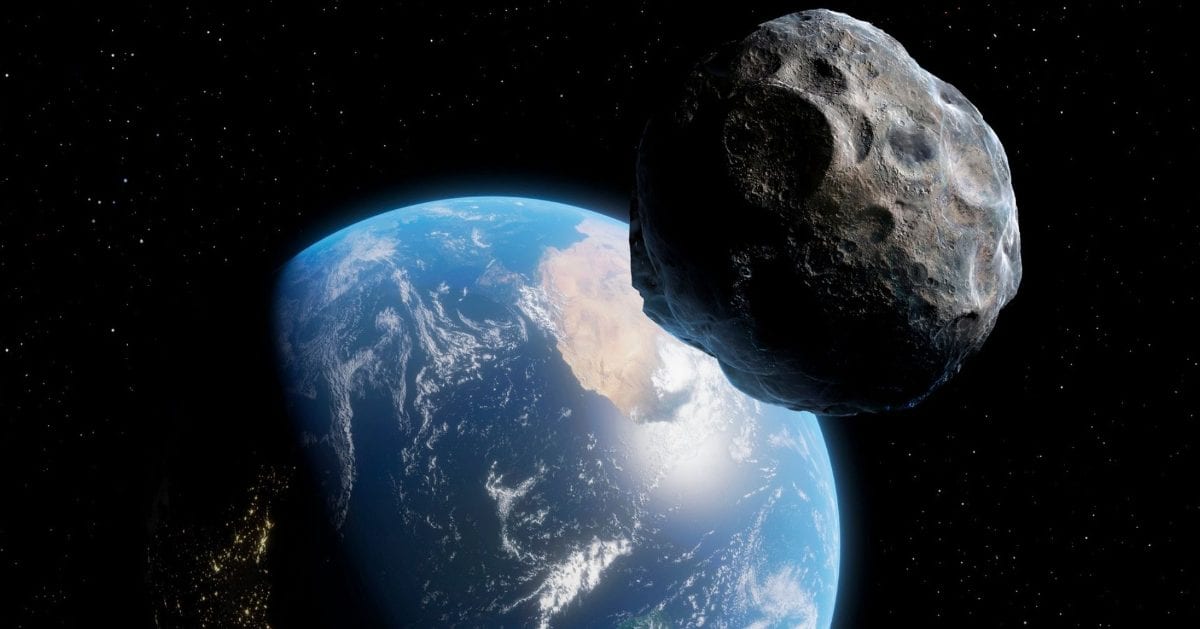
A new study published in Scientific Reports has challenged the long-standing theory that the building blocks of life on Earth were delivered by comets. A team of researchers led by the University of Cambridge has proposed that these prebiotic molecules would have been destroyed upon cometary impact, and if any of the molecules luckily survived, they wouldn’t have been concentrated enough to kickstart life.
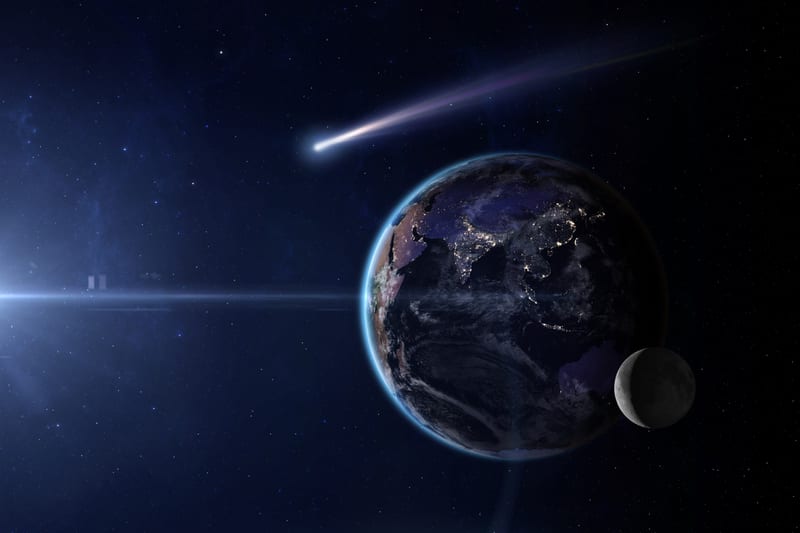
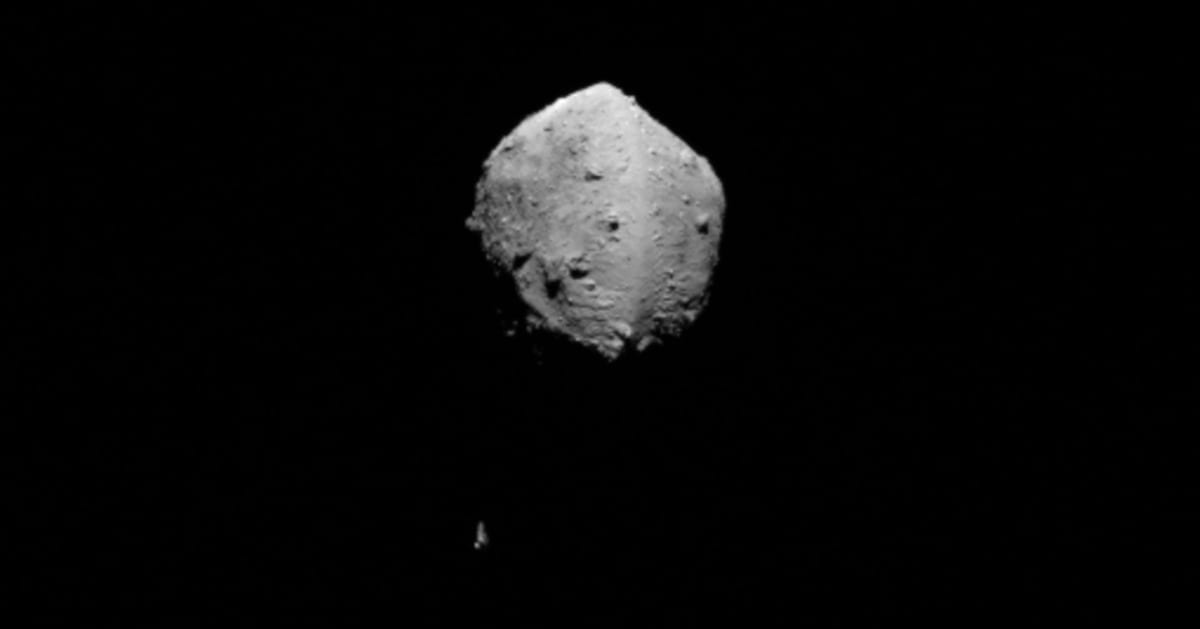
The researchers used computer simulations to recreate a younger Earth and the cometary bombardments it faced, running 100,000 simulations of Earth’s early cometary history. During the early intense bombardment phase, over 4 billion years ago, our planet was pummeled by more than 100,000 comets larger than 100 meters (328 feet). However, even this heavy bombardment wasn’t enough because the comets were traveling too fast at unfavorable angles and were almost certainly vaporized upon impact, the study says. There are numerous studies that say comets may have been a delivery vehicle for water as well as prebiotic molecules, but the theories are still disputed.
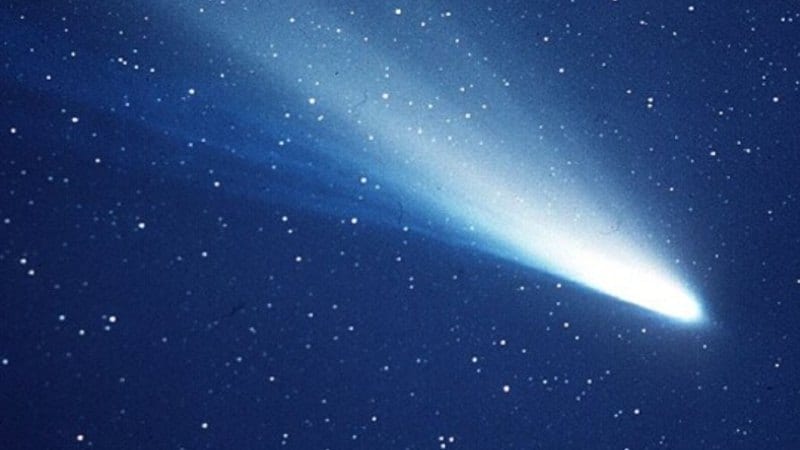
“Historically, scientists thought that comets were important for the origin of life on Earth, because they carried carbon- and nitrogen-bearing molecules, so these giant space snowballs were almost like a ‘get out of jail free card’ that brought all the molecules a planet would need to seed life,” Dr. Richard Anslow from Cambridge’s Institute of Astronomy and lead author of the study said in a statement. “It’s kind of a romantic idea, but our results suggest it’s highly unlikely.” In the simulations, there were zero successful impacts in 54 percent of the scenarios, whereas there was at least one in the remaining 46 percent. Anslow and his team had published a study in 2023 showing that comets could ‘bounce’ from one world to another and successfully deliver organic molecules in exoplanet systems where planets orbit closely, but the latest study found that this orbital architecture makes such an event extremely rare in our own Solar System.
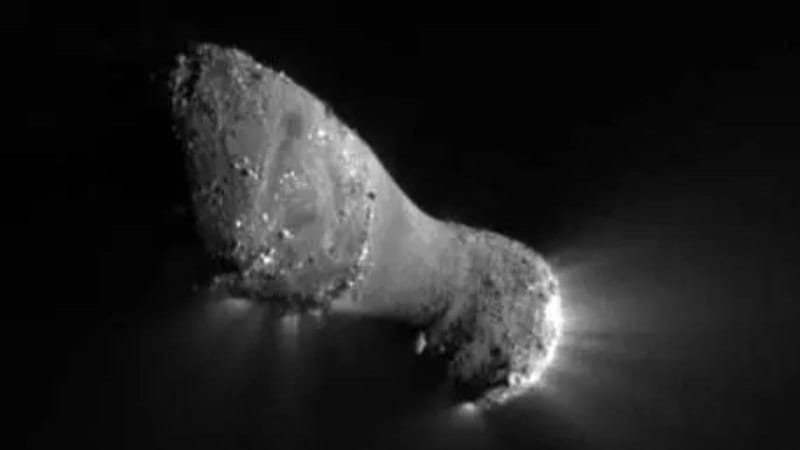
In their simulation, the scientists focused on hydrogen cyanide (HCN), which is a ‘key feedstock molecule’ that can synthesize many of the building blocks of life, including lipids, sugars, nucleobases, and nucleotides in high concentrations. An important condition for the fragile HCN molecules to survive is that the comets don’t impact Earth at a steep angle and their speed is not too high. Another major condition is that the HCN—if it survives the destructive impact—must stay concentrated for a long time, and prebiotic chemistry must begin shortly after the crash.
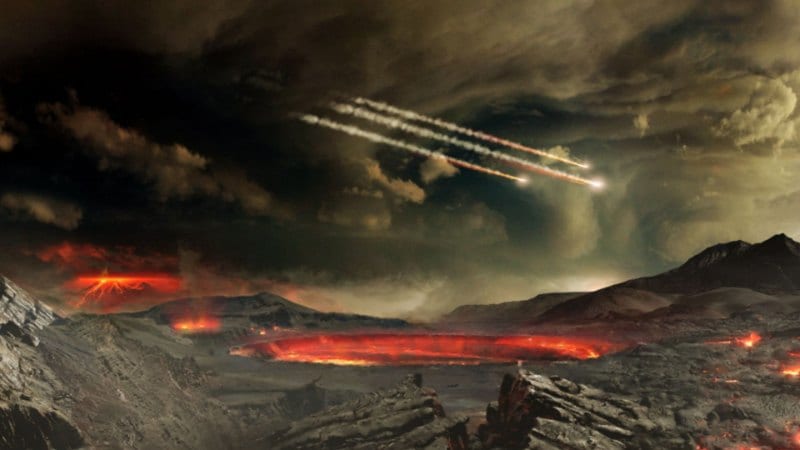
“It would really have to be a one-in-a-million occurrence, because not only would you need an impact at just the right speed and just the right angle, you would also need everything to happen after that point, in terms of the concentration and the speed at which the chemical origins of life got going,” Anslow said. “We can’t rule out for certain that it happened that way. But it seems to be a really rare occurrence – at best, a one-off fluke.”
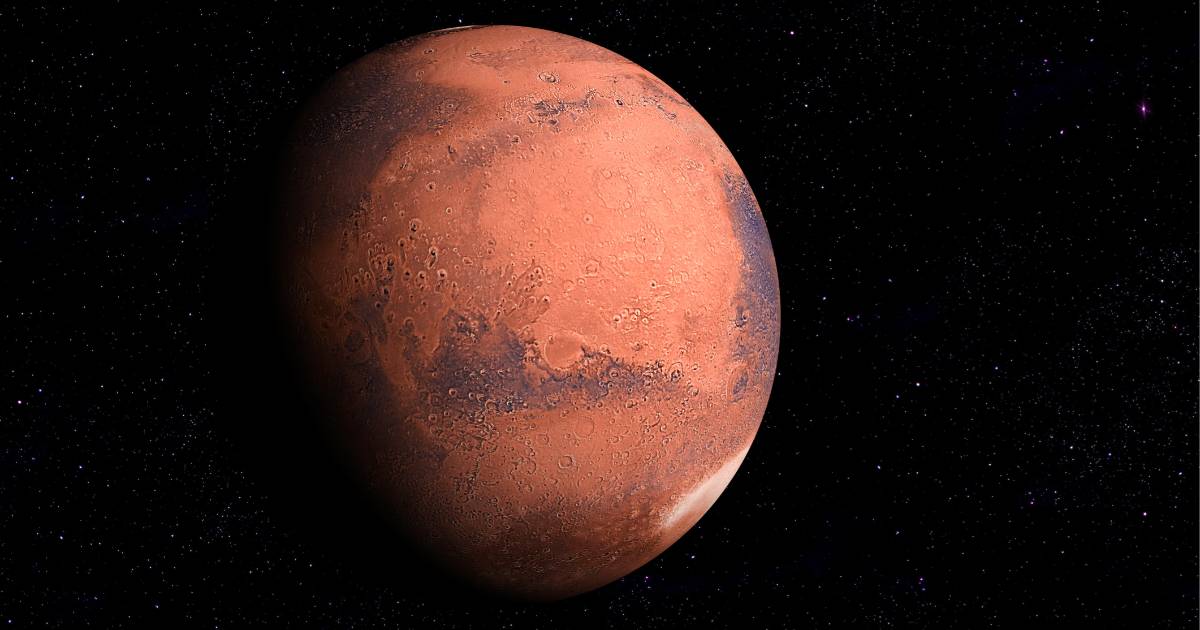
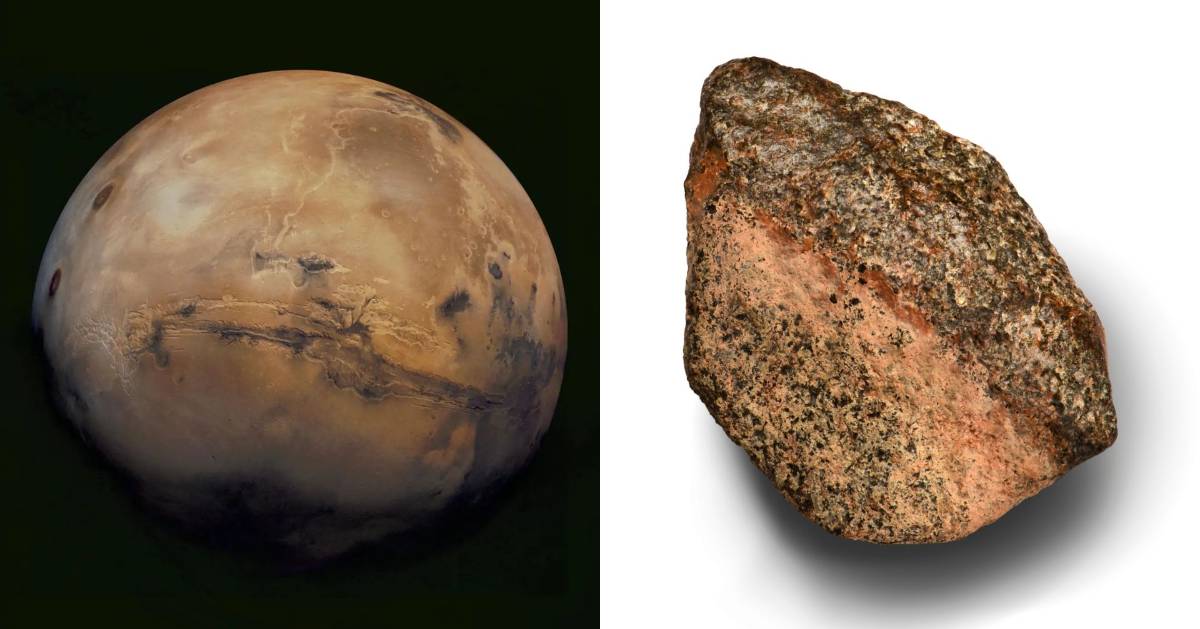
If the comets didn't bring these molecules, the study authors said that one possible explanation could be their delivery by asteroids, which were impacting Earth much more frequently than comets. It's also possible that the chemistry of life may have started on our planet spontaneously without any outside help. Additionally, the study presented another fascinating theory which says the cometary impacts may have been more productive on Mars. The planet has weaker gravity and probably had a thinner atmosphere, which would have kept a large portion of the comet intact even after impact. But the researchers stressed that this may not have happened at all. According to Anslow, the "more likely, alternative is that it didn’t happen on either planet."
More on Starlust
Veiled in dust for billions of years, this ancient star cluster could be the oldest in the Milky Way
Vera C. Rubin Observatory may have discovered one of the largest dwarf planets hidden beyond Pluto