Earth captures a mini-moon that will stick around until 2027—here’s all you need to know
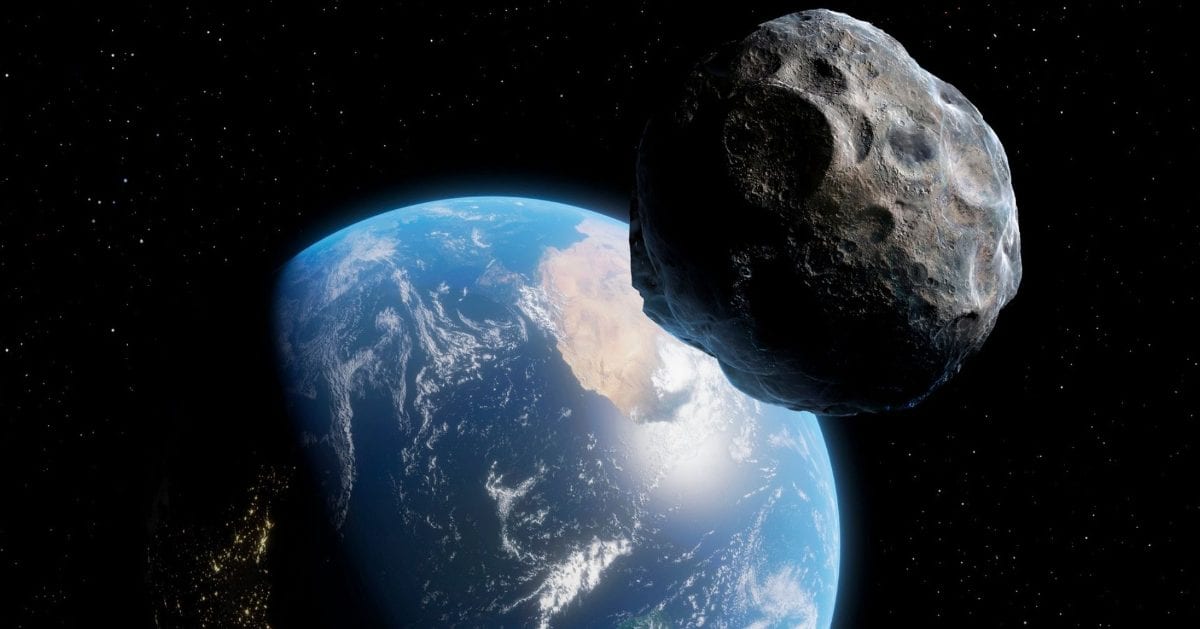
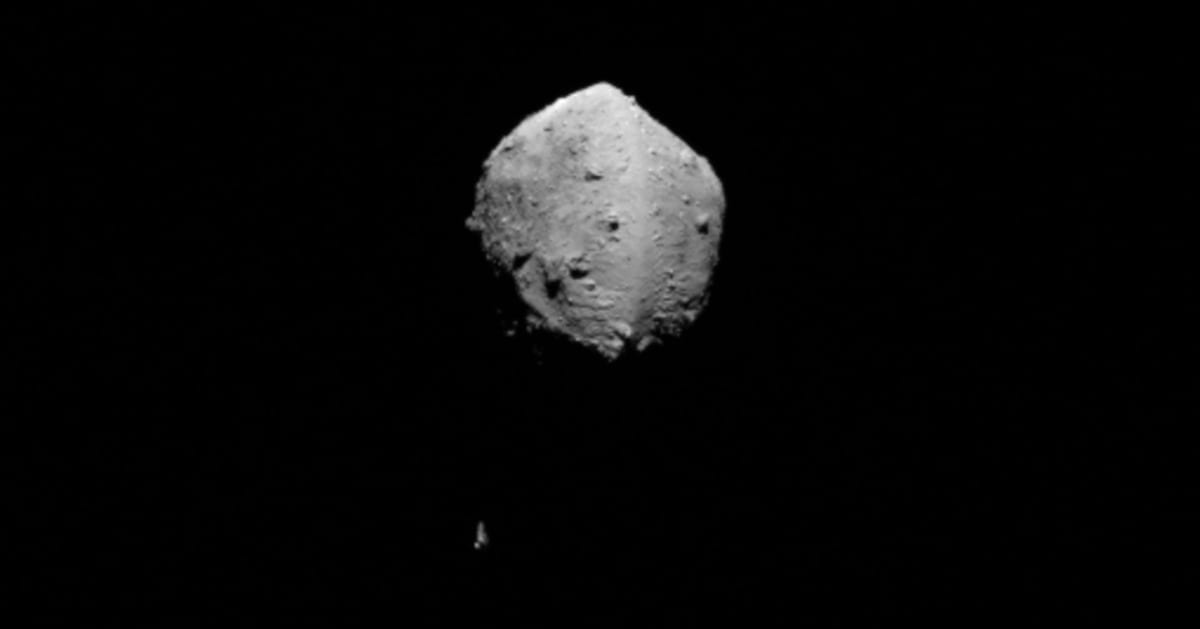
There’s a new mini-moon in Earth’s orbit, and it is here to stay through December. This tiny object, named 2026 QQ8, was discovered in August this year after it was caught by Earth’s gravity in April. According to the Minor Planet Center, which reported the discovery in late October, this mini-moon measures about 3 feet (1 meter) wide and it will be around 353,000 miles (568,000 kilometers) from Earth at its closest distance. The average distance of our real Moon from Earth is around 238,855 miles (or about 384,400 kilometers). It poses no threat to our planet, and even if it were to collide, it would most likely completely burn up in the atmosphere before hitting the ground.
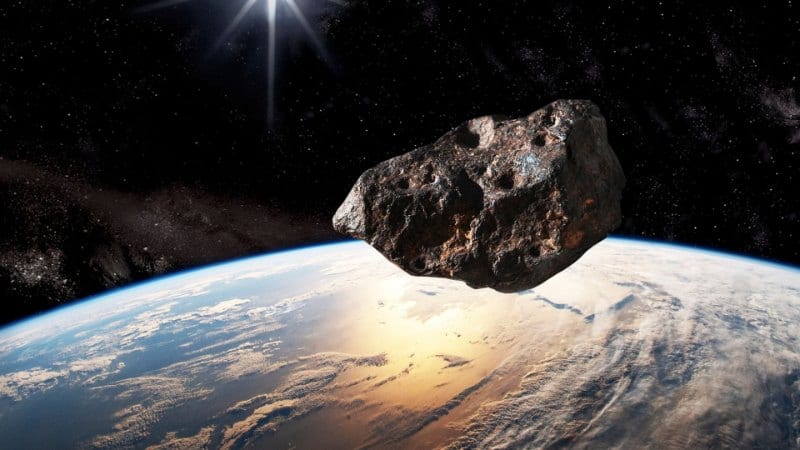
Astronomers were initially debating whether 2026 QQ8 was a natural object or a piece of junk, so they carried out observations using the University of Hawaii 2.2-meter telescope and the Lowell Discovery Telescope, EarthSky reported. The observations revealed that this object is likely a small asteroid that was caught by Earth as it was orbiting the Sun. Studies of its orbital path have reportedly revealed that 2026 QQ8 takes about 359 days to orbit the Sun, slightly less than Earth’s 365 days. Interestingly, this object comes close to Earth every ten years, but this time it was close enough to gain mini-moon status.
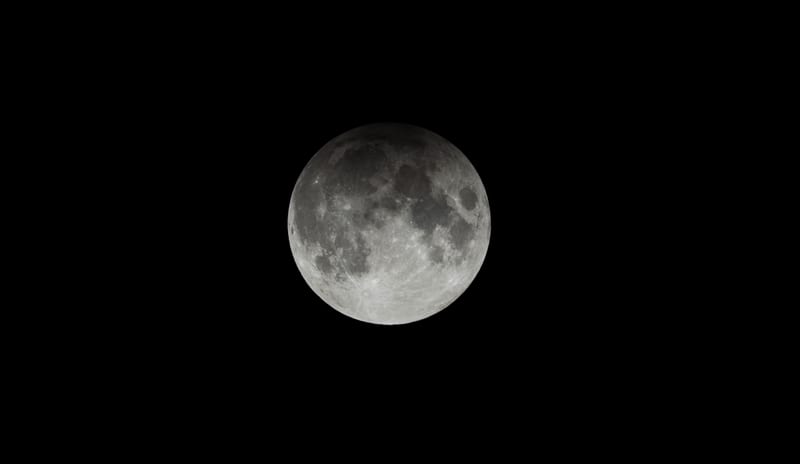
Smaller objects get captured by Earth when they fly within what’s called a ‘Hill Sphere.’ Inside this boundary, Earth's gravity dominates the motion of satellites; outside this sphere, their motion is dominated by the Sun. The new mini-moon, scientists say, will stick around until December and break free from Earth’s grasp in 2027. They’ve also predicted that it will come close to our planet again in 2058 but won’t be captured to become a mini-moon. It is said to have passed closely in 1965 as well but wasn’t captured by Earth.
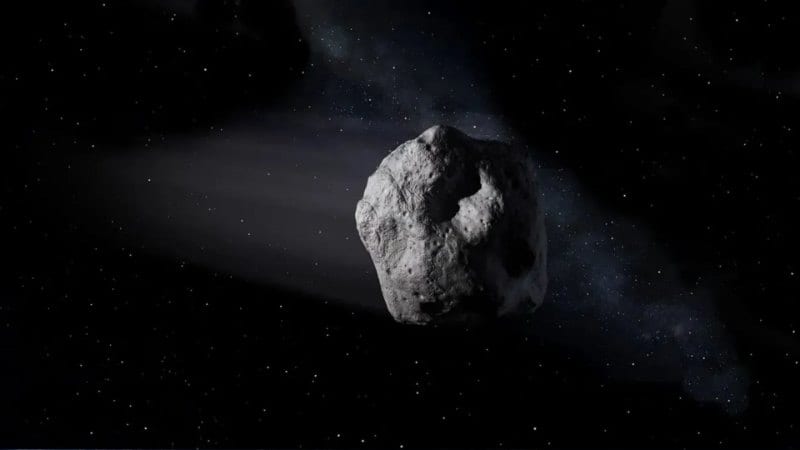
In 2024, there was another natural object reported as Earth’s mini-moon. Dubbed 2024 PT5, this rock measured 33 feet (10 meters) wide and it remained in our planet’s vicinity for nearly two months. This rock was believed to have originated from the Arjuna asteroid group, which houses many near-Earth asteroids with orbits similar to our planet. Objects from this region are most likely to become temporary moons because they are relatively closer and fly by Earth at the same speed. PT5 made another close approach to Earth in January 2025, and it is expected to return in 2055.
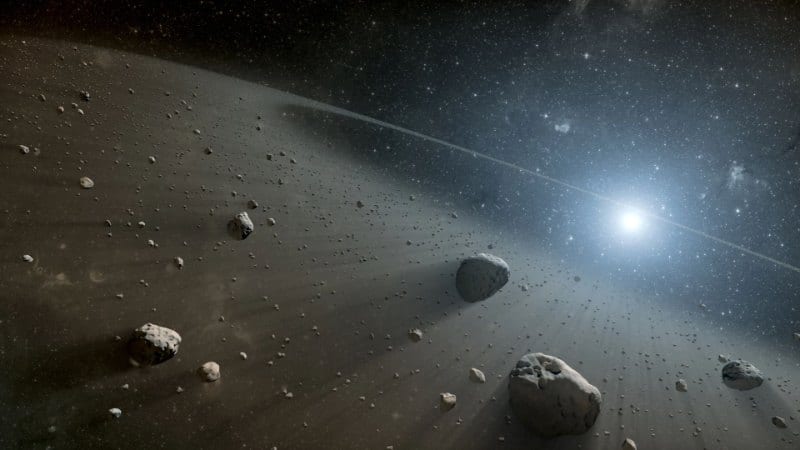
There’s another popular category of asteroids known as quasi-moons, which share a similar orbit around the Sun rather than being temporarily caught by Earth. They are different from mini-moons because, unlike mini-moons, they don’t truly orbit our planet, but only appear to do so. Quasi-moons actually revolve around the Sun, but from our vantage point, they seem to act like moons because they share Earth’s orbital path, sometimes lying ahead and sometimes trailing behind our planet. On August 29, 2025, astronomers discovered a quasi-moon named 2025 PN7—an asteroid measuring about 66 feet (20 meters) wide. In a paper published in the Research Notes of the American Astronomical Society, the researchers said that it has been Earth’s quasi-moon for the last 60 years and will remain so for another 60 years.
More on Starlust
ESA and JAXA's Ramses probe powers up ahead of a rare close encounter with asteroid Apophis