SETI scientist Seth Shostak is confident 'we will find evidence for extraterrestrial life before 2035' (exclusive)
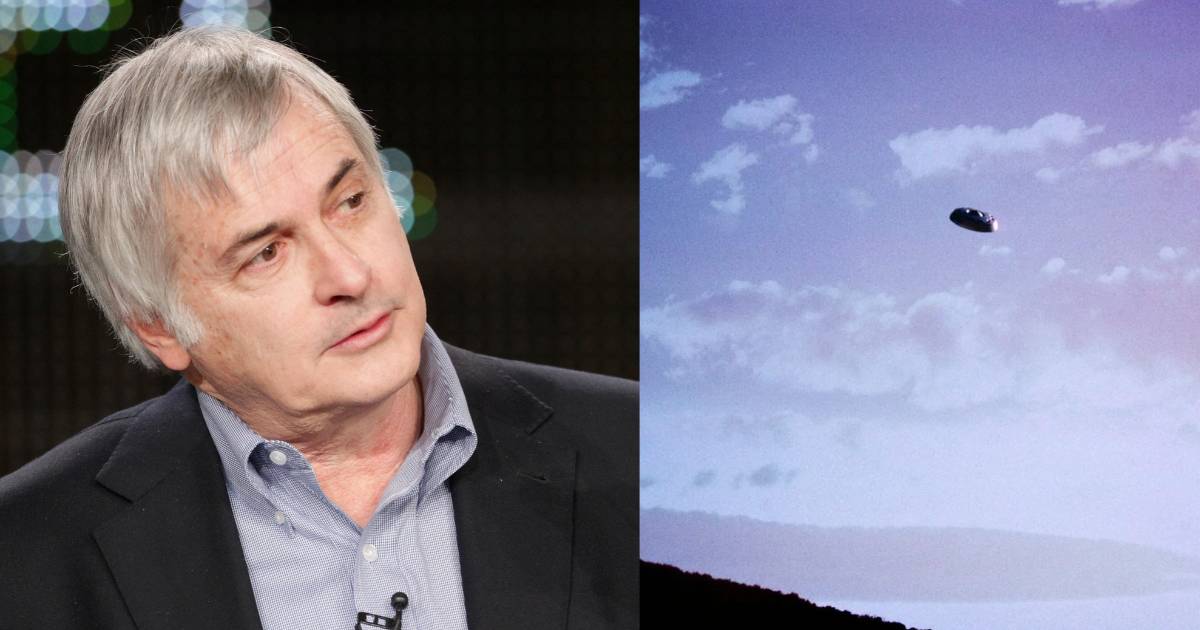
The Pentagon’s latest release of UFO files has brought more strange reports into the public eye. While these records add to the growing number of unexplained UFO sightings, they offer very little evidence of extraterrestrial life. Dr. Seth Shostak, a senior astronomer at the SETI Institute—an organization dedicated to the Search for Extraterrestrial Intelligence—however, is confident that this could change before 2035. In an exclusive interview with Starlust.org, Dr. Shostak shared his prediction, saying, “I am willing to bet a cup of Starbucks that we will find evidence for ET [extraterrestrial life] before 2035.”
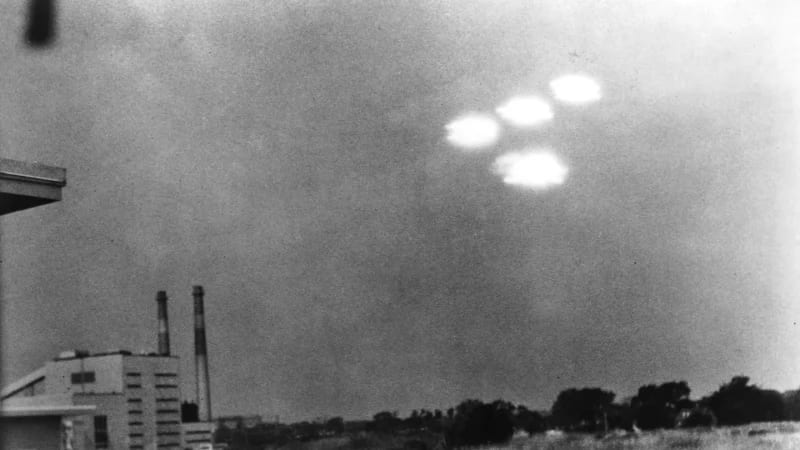
During the interview, Dr. Shostak noted, “I don’t doubt that they [aliens] exist,” but space is enormous, and a world 10 light-years away is roughly 100 trillion kilometers from us. So, there is no need for us to worry about aliens turning up on our roads. On the other hand, radio and radar technology gets better every year, which makes the search for a signal faster and more sensitive. He thinks that intelligent life may be detected before simple microbes, because “intelligent aliens can build radio transmitters, and that allows us to find them, you know, from far away and much more easily than finding microbes from far away.”
Seth Shostak also weighs in on Pentagon's latest UFO release
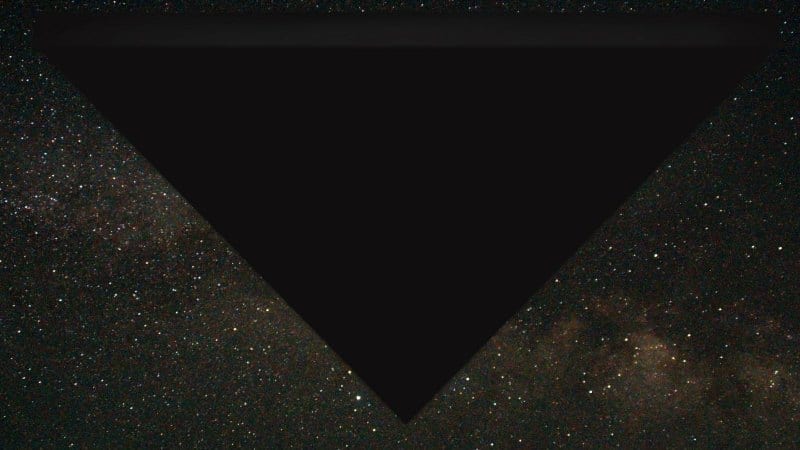
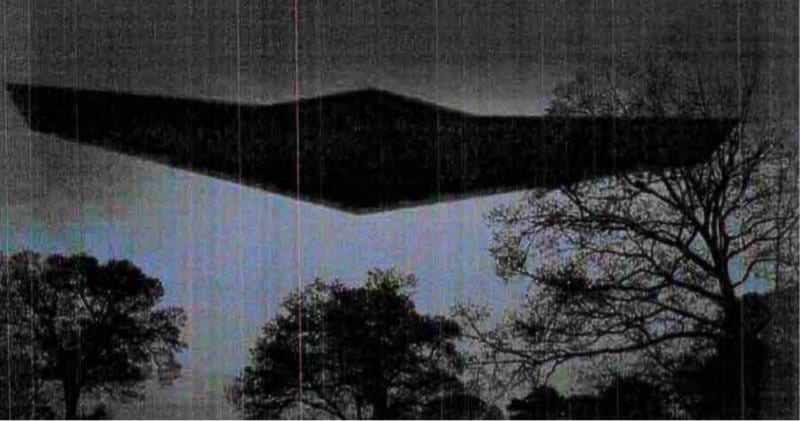
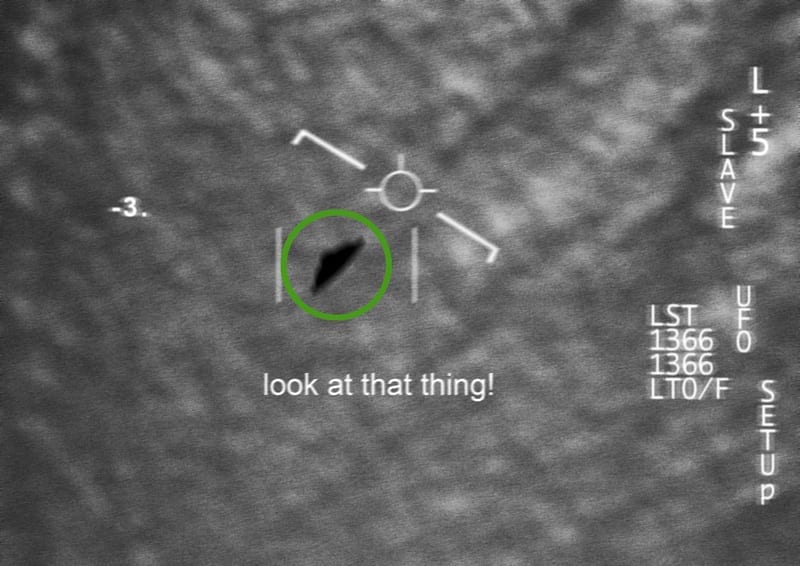
On October 23, 2026, the Pentagon released the 7th batch of declassified UFO files, bringing the total count of the archive to 478 files. In one such report, federal special agents at a sensitive location in the Western United States reportedly saw a black triangle about three miles away. It was roughly nine to 15 feet across, six to nine feet deep, and one to two feet thick. According to the file, it ascended vertically 200 to 300 feet above a ridgeline, hovered for 20 seconds, and then rapidly accelerated into a canyon. Three other reports in the release also describe a black triangle over sensitive military sites.
FBI-UAP-D043, FD-302, Unidentified Aerial Object Observation Report, 2026: This FBI document records a 2026 interview with two federal agents who reported seeing a black triangle UAP at a national security site. https://t.co/fSIZWMoR4z https://t.co/20T7hOVWgR
— DOW Rapid Response (@DOWResponse) October 23, 2026
This particular sighting drew most of the attention. When asked about what it could be, Dr. Shostak shared that “the fact that they are triangular is really something new.” He also noted that it’s not a very practical shape for a real rocket. He does not claim to know what the object was, but he added that there could be an influence of the media in how these sightings are described and remembered.
Explaining this, he said, “If they [people] see something they don't understand, particularly in the sky, they're going to say, well, those are aliens. But the reason they say those are aliens is that they've seen aliens on television and in the movies. So they're kind of conditioned to use aliens as an explanation for anything that they don't understand.” He added, “I don't think we've found them so far, even though people love to think that, yes, [they] know all about the aliens and the government is keeping it all secret.”

He also suggested that there could be simple, everyday explanations for these sightings. “People have studied that question, and it turns out that the majority of UAPs, if you will, alien spacecraft sightings, at least here in the United States, can be explained as simply being spacecraft,” he explained. These objects could simply be rockets or satellites orbiting Earth, and there are many of them up there. And some of them are bright enough to catch our attention, and they can also move in ways that may seem unusual to someone who doesn't know what they're looking at.
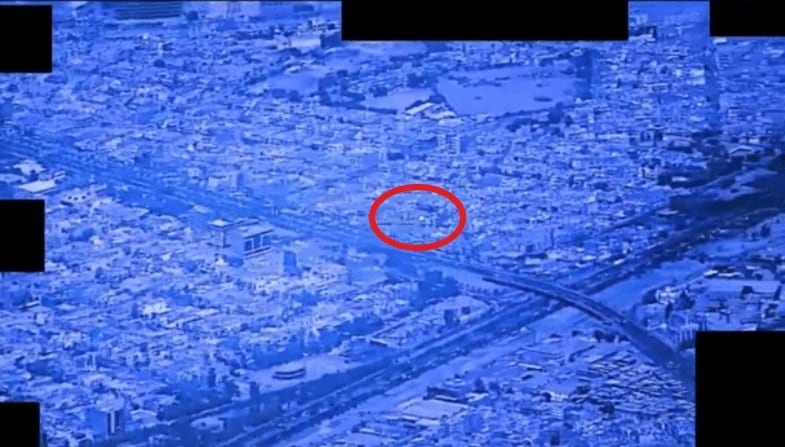
Could the government be hiding aliens from us?
There have also been reports from people, including former intelligence officials such as David Grusch and Luis Elizondo, who have publicly alleged that the government is hiding evidence of aliens from Congress. But Dr. Shostak doesn't really believe this is the case. He notes, “I used to work for the government. And in my opinion, they couldn't keep anything like that secret. If aliens were here, it would be all over the news, that's for sure.”
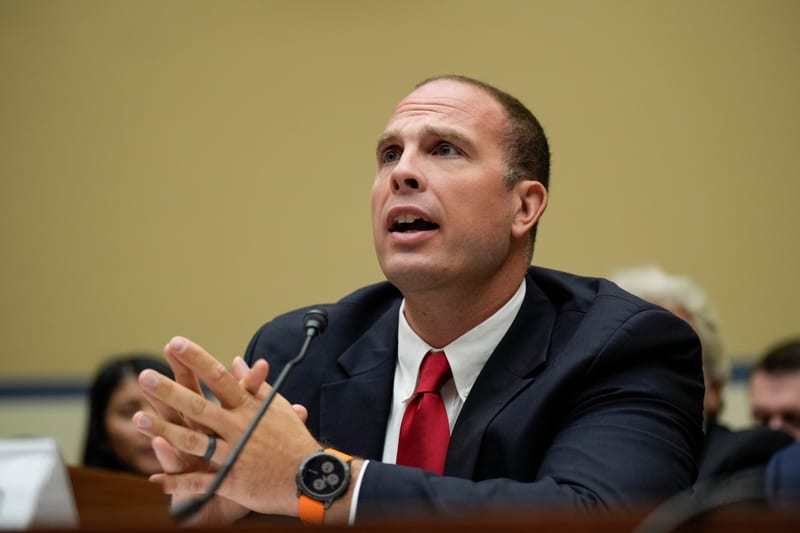
He hears about UFO sightings every week. In fact, he adds that roughly 30% of Americans think aliens are not only out in space but that some are here on Earth. But if there were really solid proof, he argued, researchers would be flooding the field, because “hardly anything would be more interesting.” So, if something truly extraordinary were to turn up, scientists would pile onto it quickly, but that has not happened here.
There have also been reports of UFO sightings across the United States, especially in the Southwest, which is a region where many alien-related movies have also been filmed. At the same time, the 1947 Roswell UFO incident also took place in New Mexico, and Area 51 (which is famously associated with aliens) is located in neighboring Nevada. On this, he raises a question: “So, why aren’t they [aliens] flying over Denmark or why aren’t they flying over Botswana or Bolivia or Belgium? There are a lot of places they could be, but somehow they prefer the United States.”
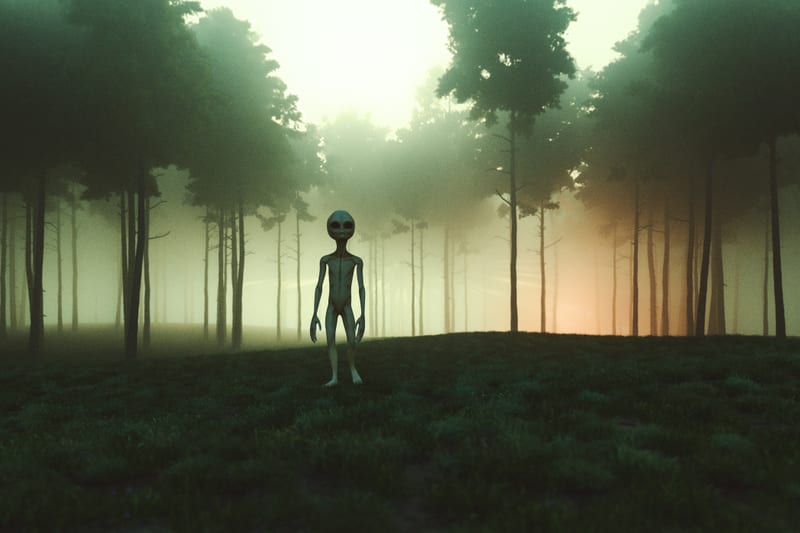
He is not dismissing the search for alien life itself. “I mean, I’m all for looking for aliens. After all, that’s my job,” he says, but the pattern that aliens somehow only prefer the United States is a good reason to stay skeptical whenever a new alien claim makes headlines.
More on Starlust
New Pentagon UFO files: How close are we to alien life? Ex-NASA official explains