International Space Station gets crowded after Progress 96's arrival, hosts five spacecraft
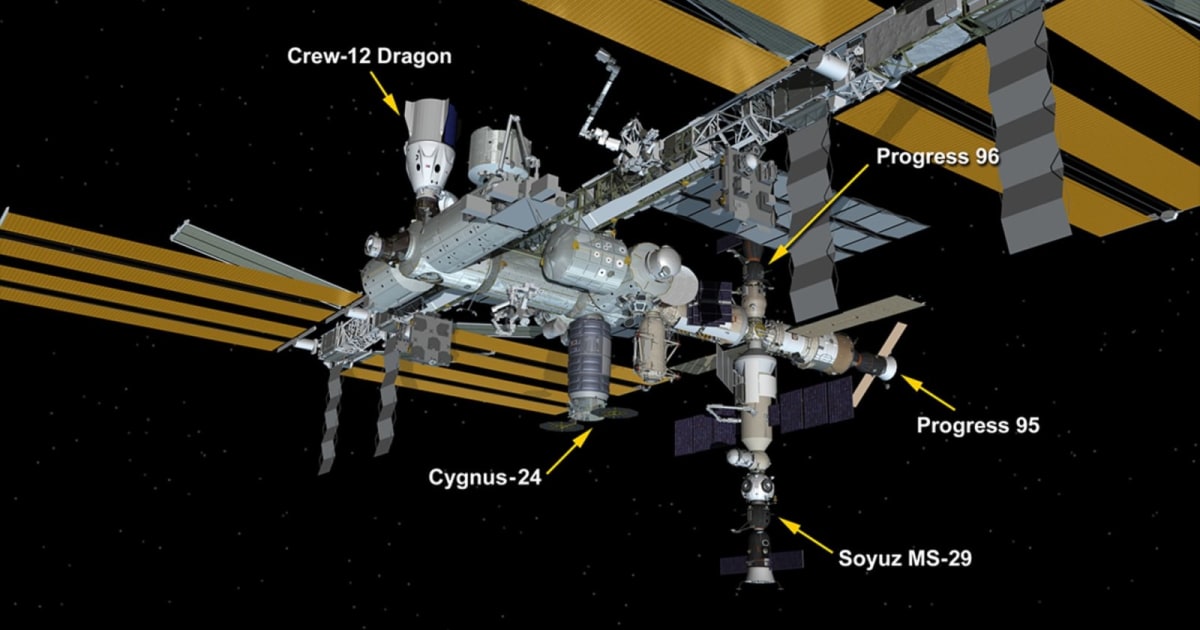
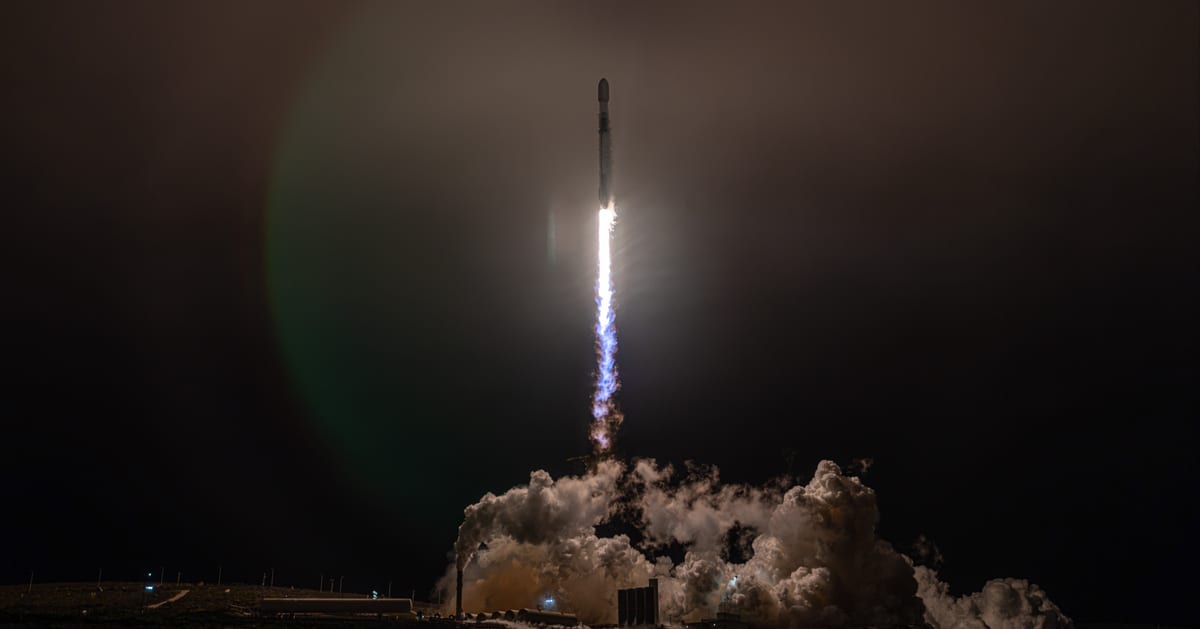
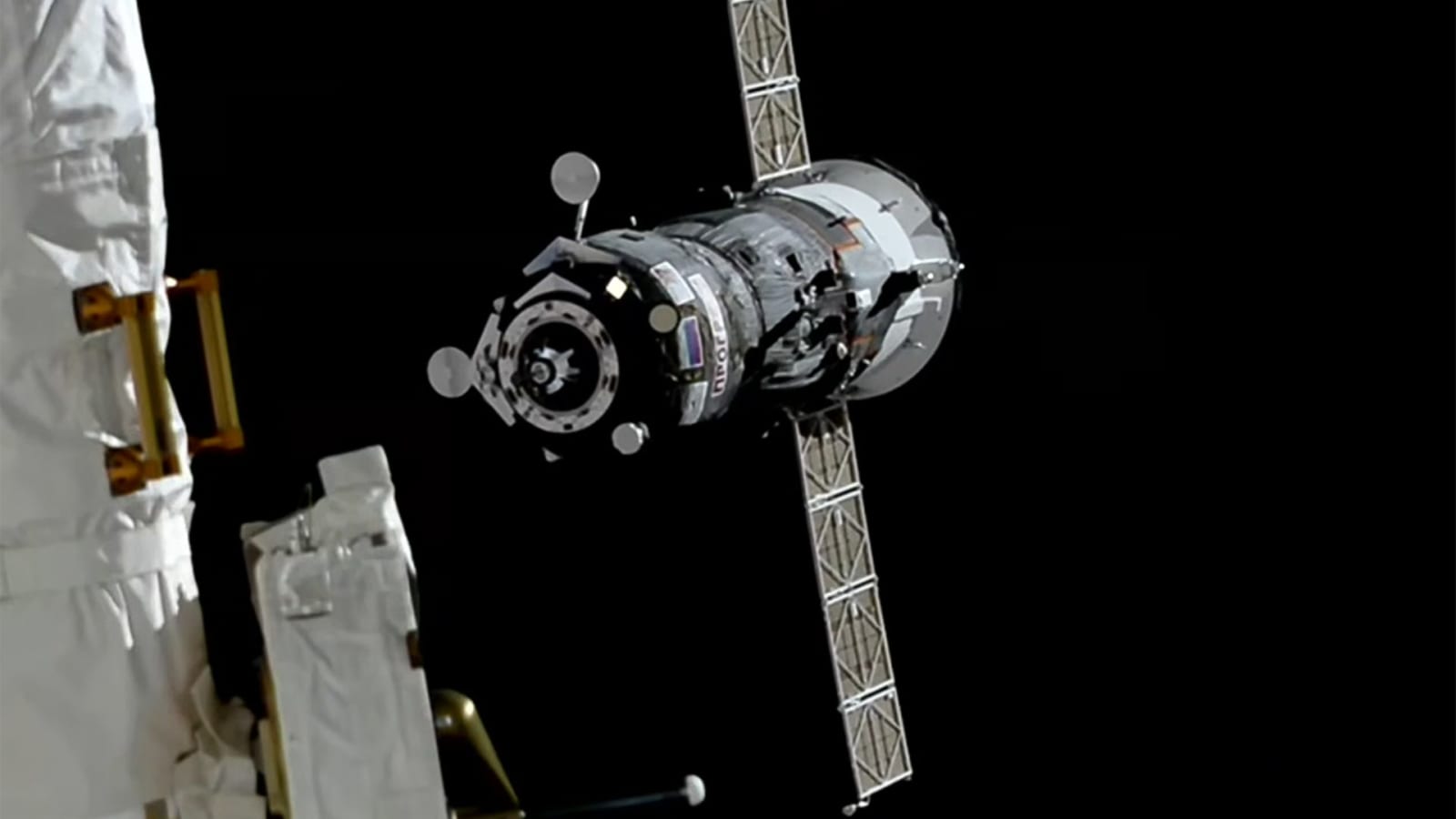
The International Space Station (ISS) is going through a particularly busy period as five spacecraft have occupied its eight docking ports. The latest port was occupied by Russia’s Progress 96 spacecraft, which launched from Baikonur Cosmodrome, Kazakhstan, on September 16. The spacecraft docked at the station’s Poisk module on September 19 with about three tons of food and supplies for astronauts. The other occupants of the ports currently at the station are two crew and two cargo spacecraft. Among the crewed are SpaceX’s Crew-12 Dragon, which launched in February with four astronauts, and the MS-29 Soyuz capsule, which took off with three astronauts in July this year.
Five spaceships are now parked at the International Space Station following the docking of the Progress 96 cargo spacecraft to the Poisk module on Saturday, Sept. 19. More... https://t.co/itqaZ2njlt pic.twitter.com/9CsT1Yvipa
— International Space Station (@Space_Station) September 20, 2026
The uncrewed, on the other hand, are the Progress 95, which launched in April from Baikonur with food, fuel, and equipment, along with Northrop Grumman's Cygnus 24, which also launched in April with supplies, hardware, and science equipment.
All the spacecraft are up there to cater to the seven-member Expedition 75 crew currently residing aboard the orbital lab. The present residents of the ISS are NASA’s Jack Hathaway, Jessica Meir, and Anil Menon, the European Space Agency’s (ESA) Sophie Adenot, and Russian space agency Roscosmos’s Pyotr Dubrov, Andrey Fedyaev, and Anna Kikina. Expedition 75 began on July 26 this year and will end in spring 2027. “The crew will explore in-space manufacturing techniques, augmented reality and artificial intelligence methods for crew health checks, and bioprinting human tissue,” says NASA on the official Expedition 75 page.
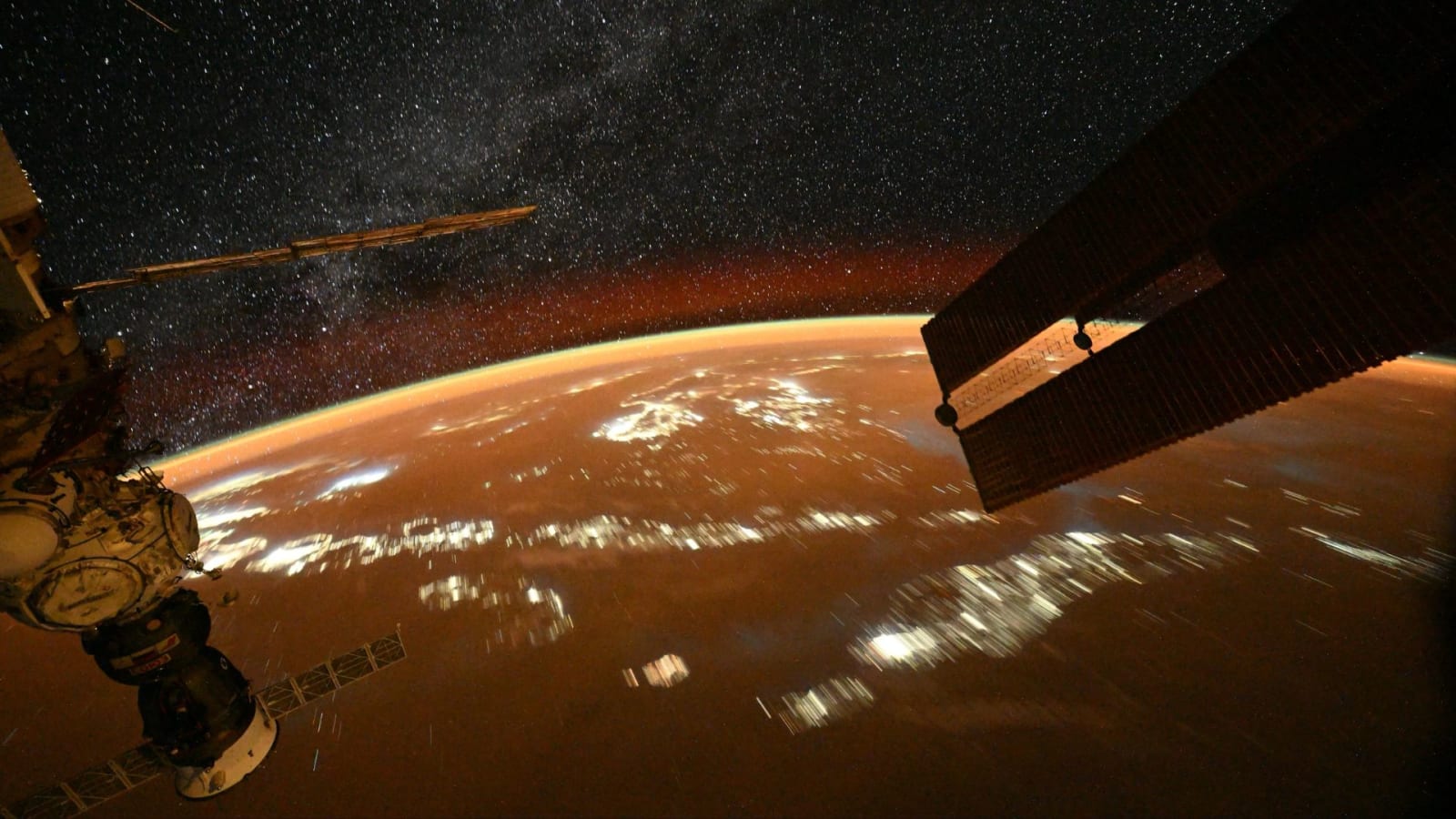
This is not the first time the docking ports are hosting multiple vehicles at once. In fact, in December 2025, all eight ports were occupied for the first time in ISS history by two SpaceX Dragons, Cygnus XL, Japan Aerospace Exploration Agency's (JAXA) HTV-X1, two Roscosmos Soyuz crew spacecraft, and two Progress cargo ships. The station was also housing 10 members of the Expedition 73 crew at the time, but the number went down to seven soon when NASA astronaut Jonny Kim and Roscosmos cosmonauts Sergey Ryzhikov and Alexey Zubritsky departed the station on the Soyuz MS-27 spacecraft. As of today, only four countries/agencies are capable of sending vehicles to the ISS. These include the U.S., Russia, Europe (European Space Agency), and Japan. Canada, a major ISS partner, has contributed the robotic Canadarm but has not launched a spacecraft to the station yet. China, on the other hand, is fully capable of launching its spacecraft on its own rocket but only to its Tiangong Space Station.
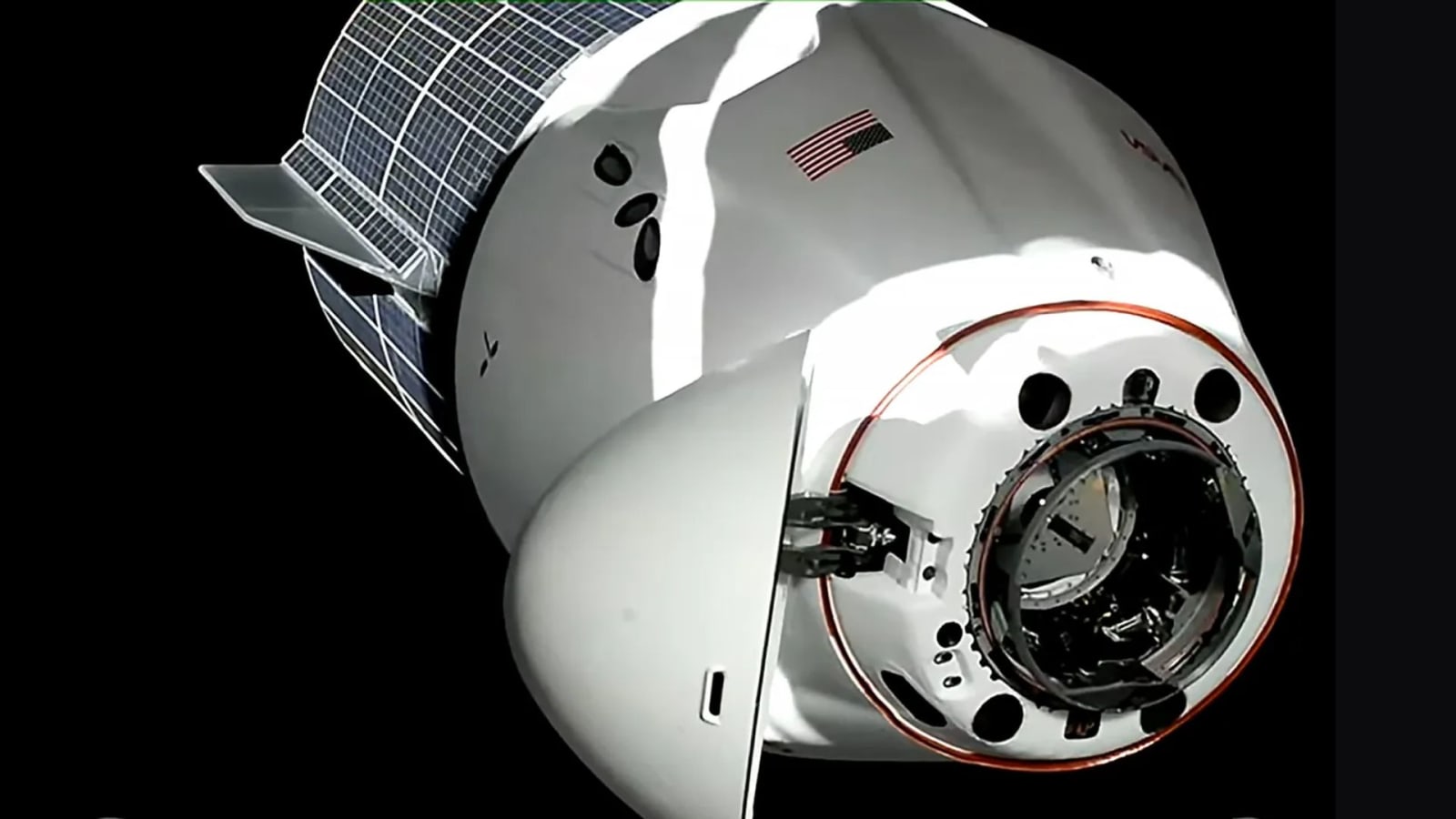
The ISS will soon welcome another spacecraft, with SpaceX preparing to launch NASA’s Crew-13 mission with four astronauts in early October. Crew-13 will replace Crew-12, who will hand over their responsibilities during a short overlap period before departing from the station on their Dragon spacecraft later in the month. Both Progress 95 and Cygnus 24 could also undock from the station next month.
More on Starlust
NASA awards SpaceX $946 million for three more crew missions to the International Space Station