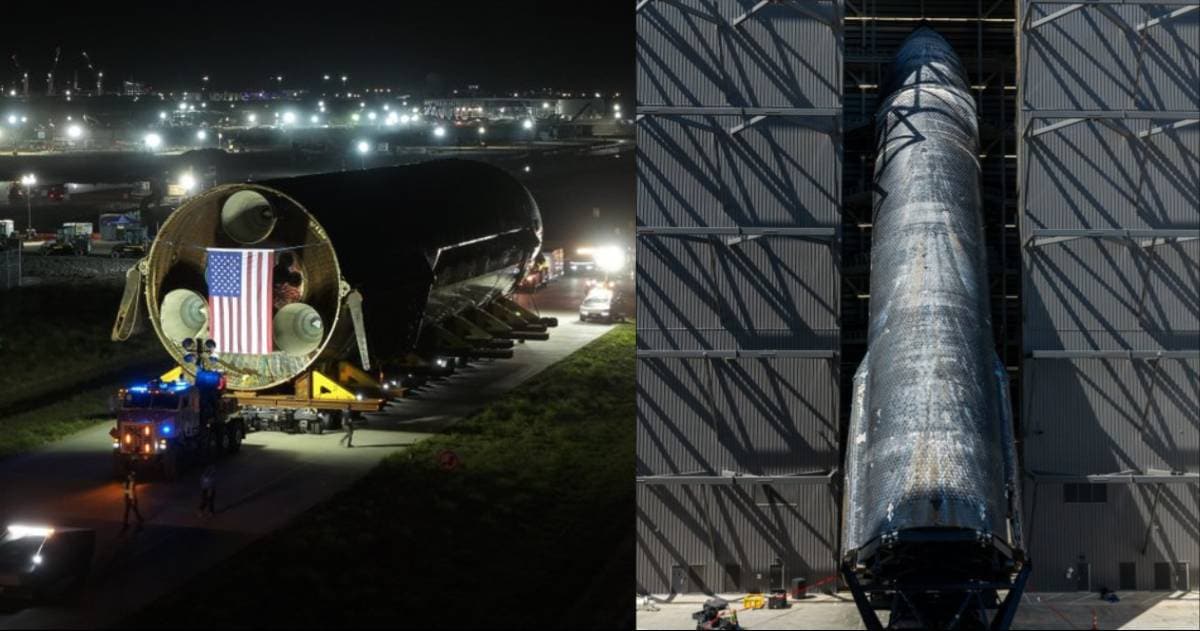
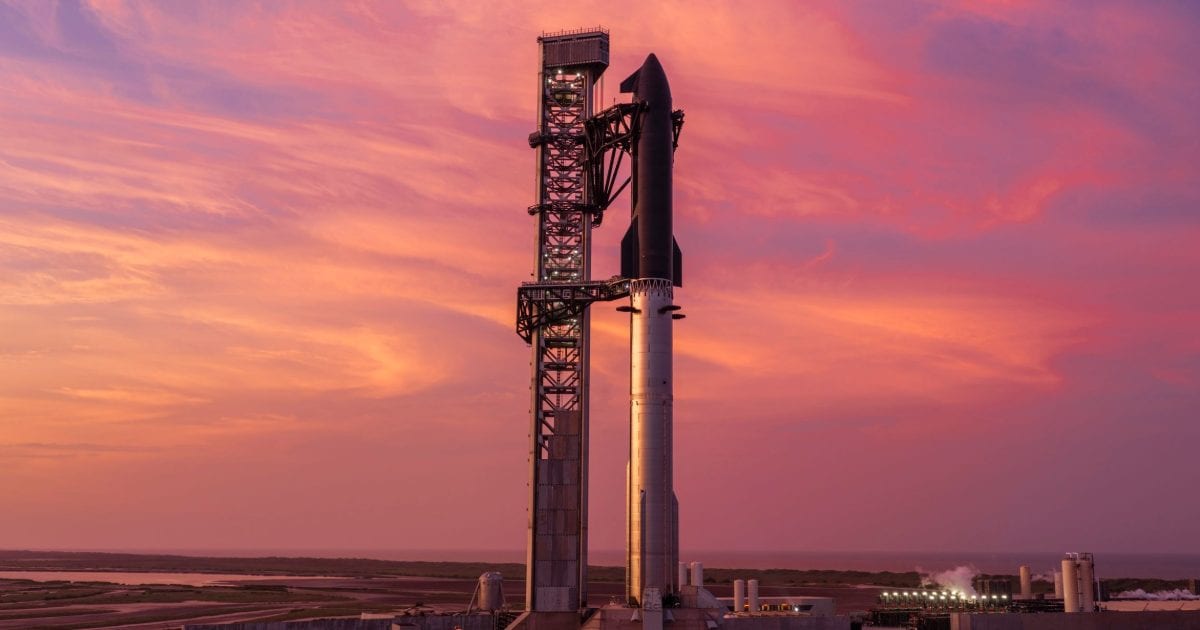
SpaceX completes Starship launch rehearsal ahead of first orbital mission on September 28. See pics
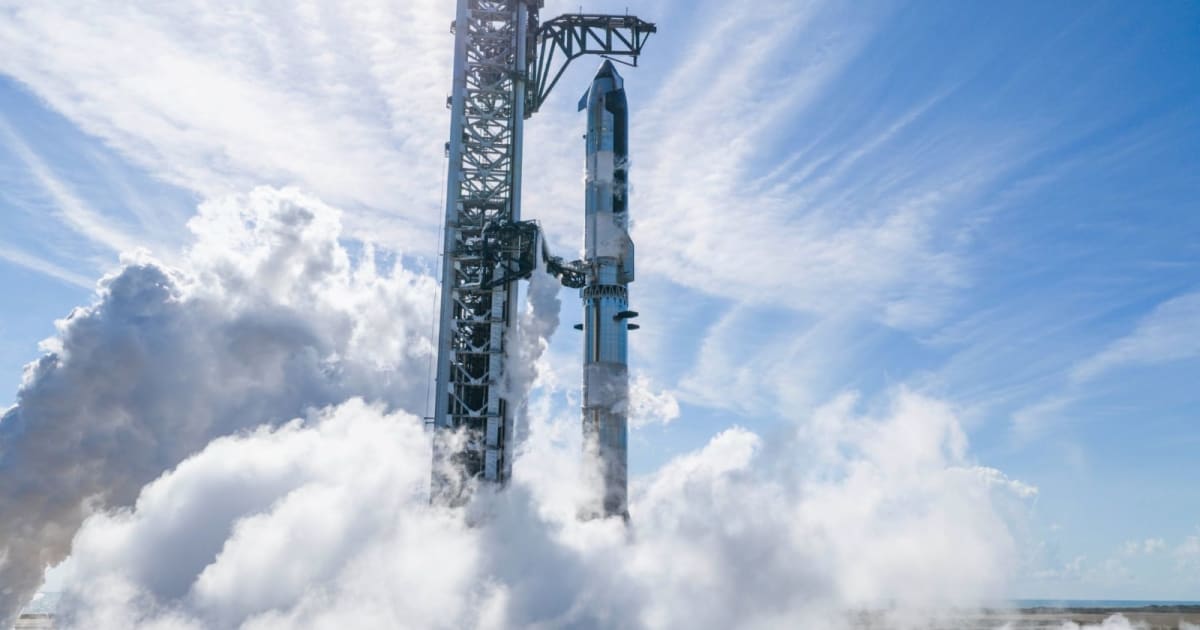
SpaceX’s mega rocket Starship just got a step closer to its debut orbital flight. On Thursday, September 24, it aced the launch rehearsal ahead of its 14th integrated test flight, which is targeted for September 28, pending regulatory approval. Liftoff is scheduled for 8:15 am EDT (7:15 am CDT) from SpaceX’s launch site in Starbase, Texas. During a launch rehearsal, also called a wet dress rehearsal, a rocket is loaded with propellant, and teams go through the key procedures they will follow during launch day, without actually igniting the engines.
Launch rehearsal complete ahead of Starship Flight 14 pic.twitter.com/h5LBYyBqi4
— SpaceX (@SpaceX) September 24, 2026
Taking to X, SpaceX posted an update about Starship following the rehearsal—"Launch rehearsal complete ahead of Starship Flight 14.” It also shared images of the mega rocket surrounded with cryogenic fuel vapors as it was filled with super-cold liquid oxygen and liquid methane.
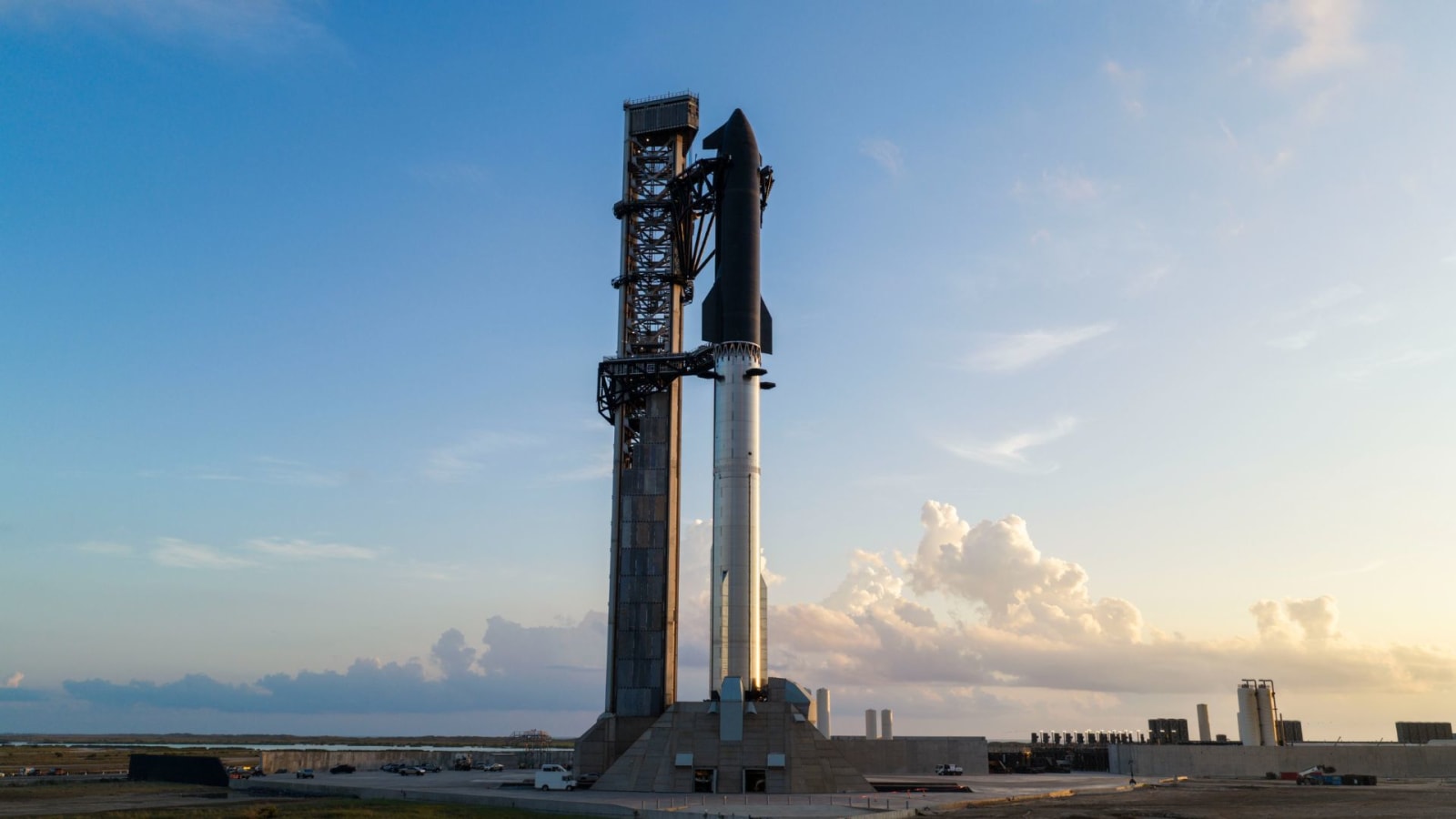
This comes just a day after the upper stage, called Ship 41, was stacked atop the Super Heavy Booster. The upcoming launch will mark the third flight of Starship’s Version 3, or V3, which made its debut on the 12th test mission on May 22 this year. The 14th flight is going to be historic as Starship will achieve several firsts on its way to becoming fully reusable.
Milestones to look out for on Starship flight 14
As mentioned earlier, Flight 14 will mark the first time a Starship upper stage attempts to go into orbit. After its separation from the Super Heavy Booster—which will splash down in the Gulf of America—the upper stage (if all goes well in the initial phase) will try to reach an altitude of approximately 170 miles (around 275 km) above Earth. It is expected to make six orbits of Earth during the mission, which will last approximately 10 hours.
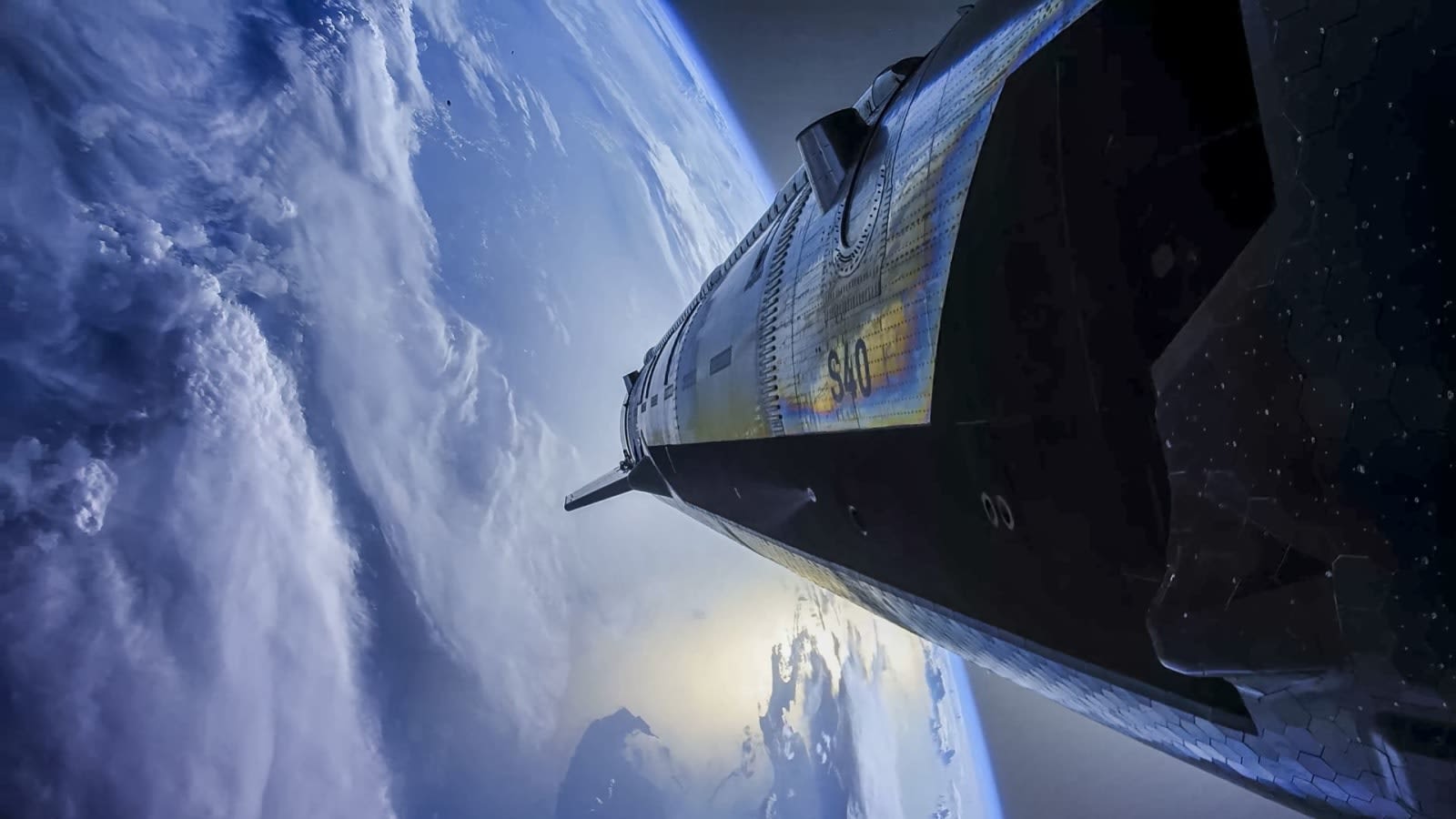
While in space, Ship 41 will also deploy Starlink V3 satellites for the first time. These satellites, according to SpaceX, will add a total of 26 Tbps to the Starlink network. Similar to the previous mission, a few of the V3 satellites will be equipped with cameras to assess the upper stage’s heatshield performance during reentry. Interestingly, Ship 41 has two heatshield tiles that were flown on Flight 13—it is the first instance of tile reuse on a Starship mission.
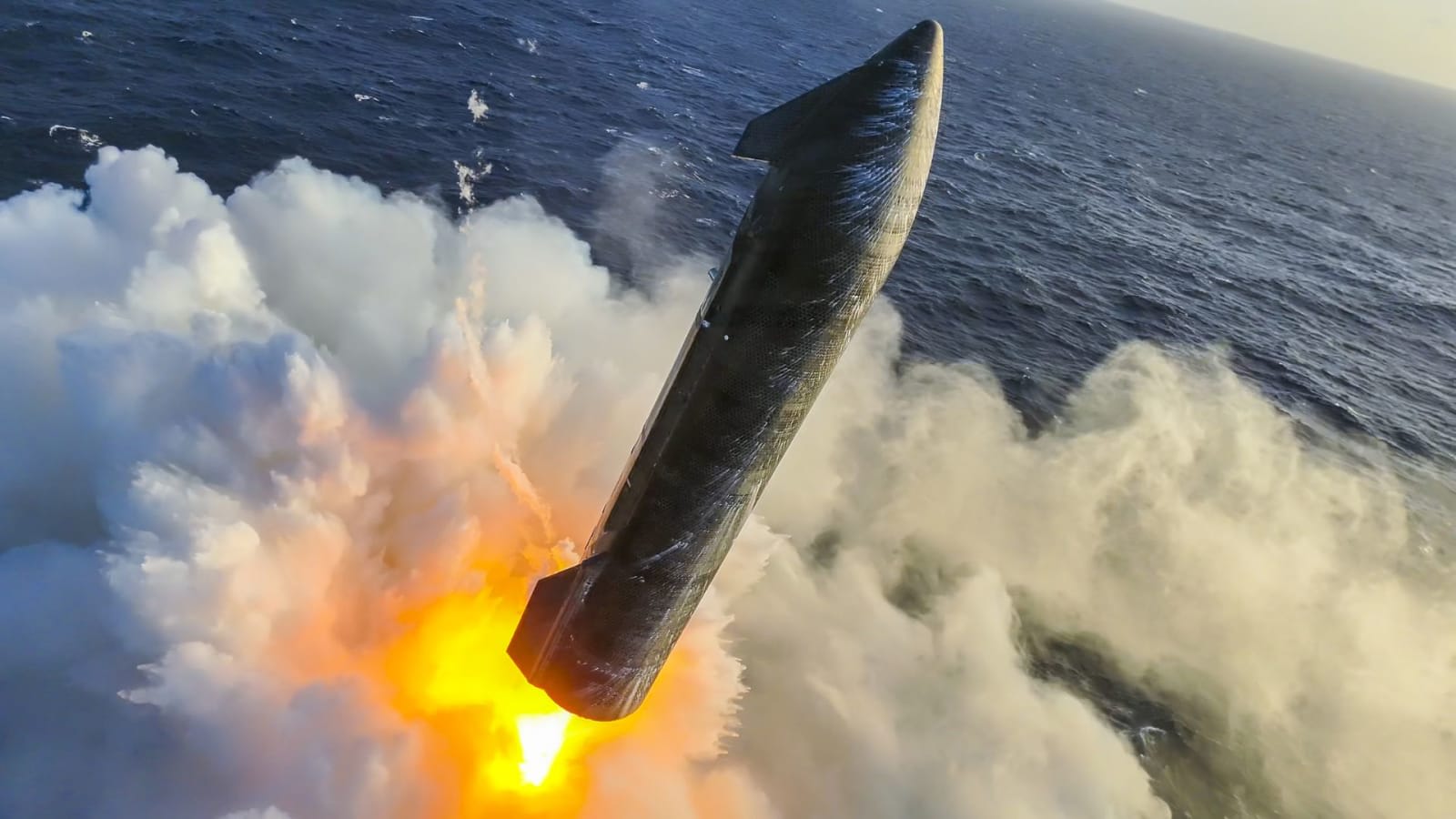
For the Super Heavy Booster, the objectives are executing a successful launch, ascent, stage separation, boostback burn, landing burn, and splashdown. SpaceX said it has made several modifications to hardware and software on the booster to avoid issues faced on the last mission. The three center engines on the booster showed signs of ice clogging during the boostback burn, which led to an early end of the maneuver. It also failed to ignite all 13 engines for the landing burn and made a hard splashdown in the Gulf of America. While there have been no attempts to catch the booster or Ship using the launch tower in the last few missions, SpaceX CEO Elon Musk has said that the upper stage will be caught on Flight 15, which could launch later this year.
More on Starlust
The end of ISS: How NASA plans to deorbit the gigantic orbital lab using SpaceX’s help
'The Holy Grail of Rocketry': How SpaceX recovered stranded Starship upper stage from sea