NASA's Hubble Telescope identifies dwarf galaxies with a missing oxygen problem—but where did it go?
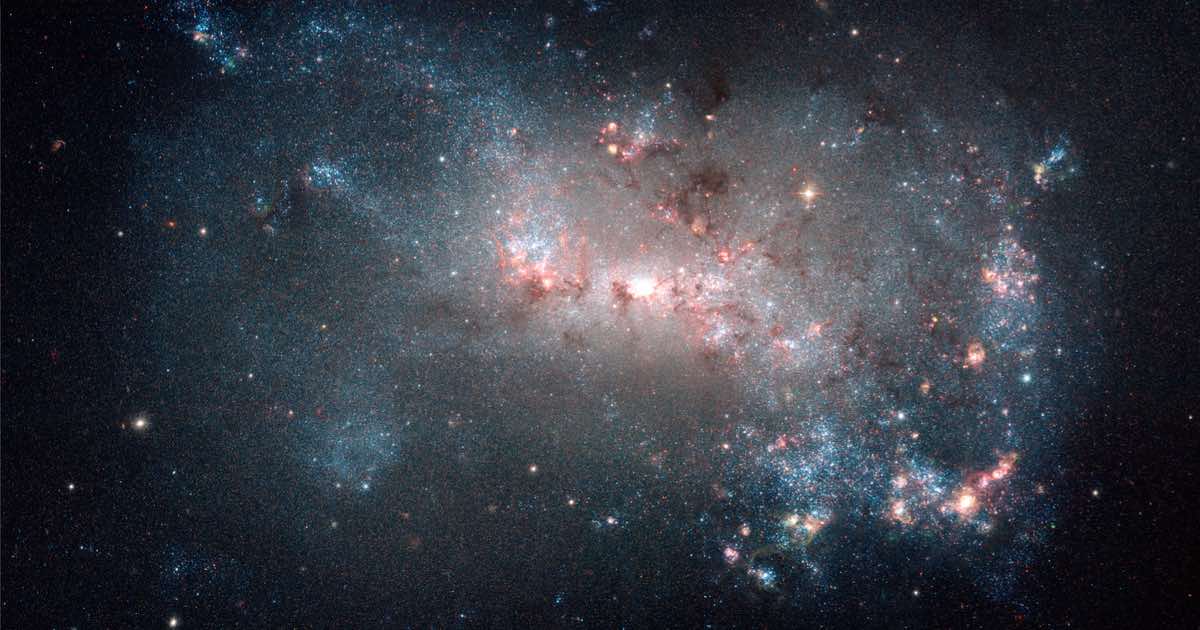
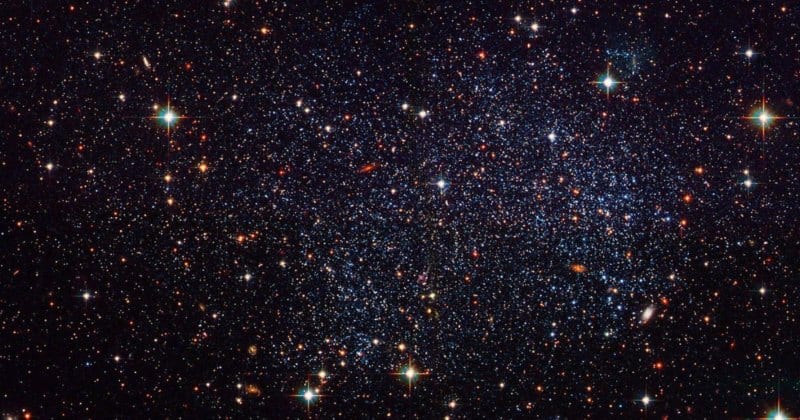
Data from the Hubble Space Telescope suggests that some small galaxies in our cosmic neighborhood have less oxygen than they are supposed to. In a study published on November 2, researchers examined 37 relatively close-by dwarf galaxies lying within 22 million light-years from Earth and discovered that these systems contain only an average of 11 percent of the oxygen their stars are known to have produced. The finding is important because oxygen is considered crucial to understanding how galaxies evolve and enrich the empty space between themselves.
Despite their small size, the stars in these dwarf galaxies still manage to produce oxygen. "We know that the oxygen had to be inside of the galaxies at some point in the past, so the oxygen must have been ejected," said Grace Telford, co-author of the paper and an assistant professor in the Department of Physics and Astronomy at the University of Utah. "And to do that, you need energy from massive stars and supernova explosions to drive material out of the host galaxies and into the space between galaxies." The study suggests that supernovae, which occur when certain stars near their death, may be more efficient in removing oxygen from smaller galaxies than what current models predict.
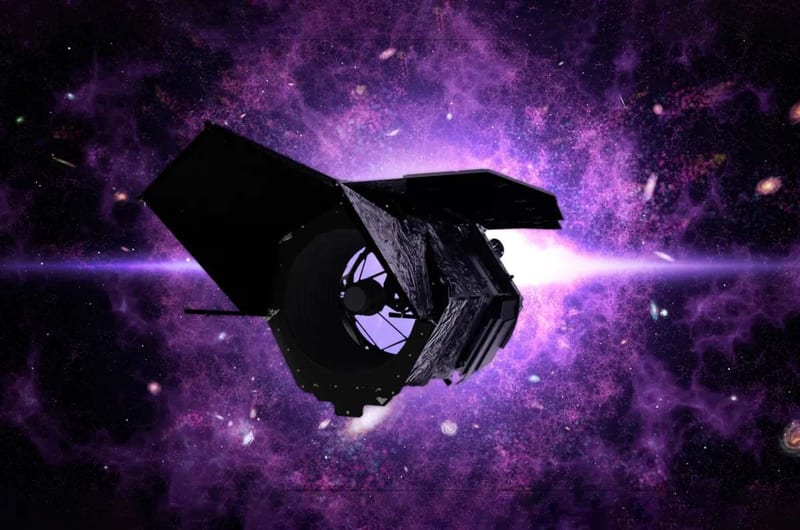
Researchers use oxygen as an indicator of the chemical composition of galaxies because its production pathways are well understood. Besides, being the most abundant element in the universe after hydrogen and helium, oxygen is relatively easy to detect. By separating the light given off by oxygen into its different colors, scientists can make out its presence and estimate how much of it is present in a galaxy. "Oxygen is one of the primary elements formed by stars," explained Kristen Wingfield McQuinn, who's the mission head of the Science Operations Center for NASA's Nancy Grace Roman Space Telescope. "Being able to trace how much oxygen gets made, and then how much is distributed inside and outside of galaxies, helps us understand galaxy evolution." McQuinn also leads the NASA- and National Science Foundation-funded Galaxies Losing Oxygen via Winds (GLOW) project, which looks into how much oxygen is produced, retained, and lost by galaxies.
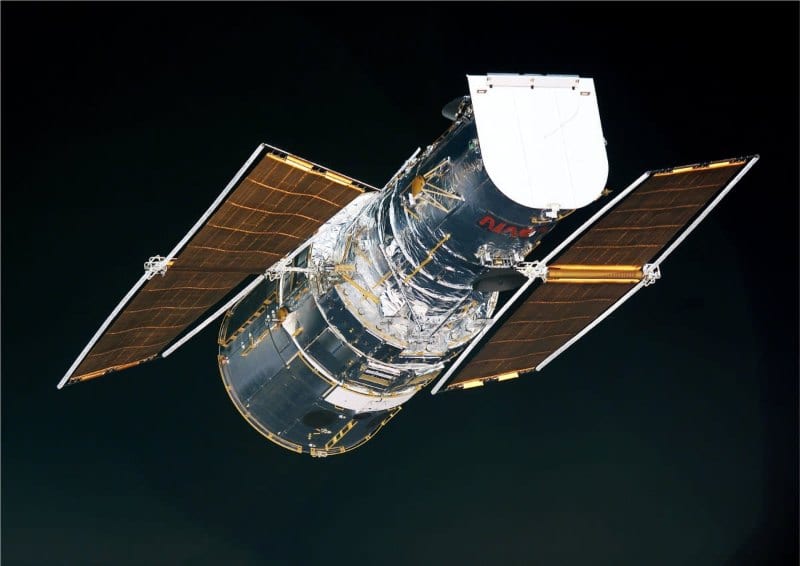
All 37 of the dwarf galaxies that were chosen for this study were close enough for Hubble to resolve their individual stars. This is rare because most dwarf galaxies are too far away to be used for such studies. Besides the images obtained by Hubble, the researchers also took data from the retired Spitzer Space Telescope as well as the ground-based Very Large Array and Australian Telescope Compact Array. Simulations suggested that these galaxies would lose large amounts of oxygen, but the study revealed that they retained even less—between 4% and 25% of the total oxygen, with the average being around 11%.
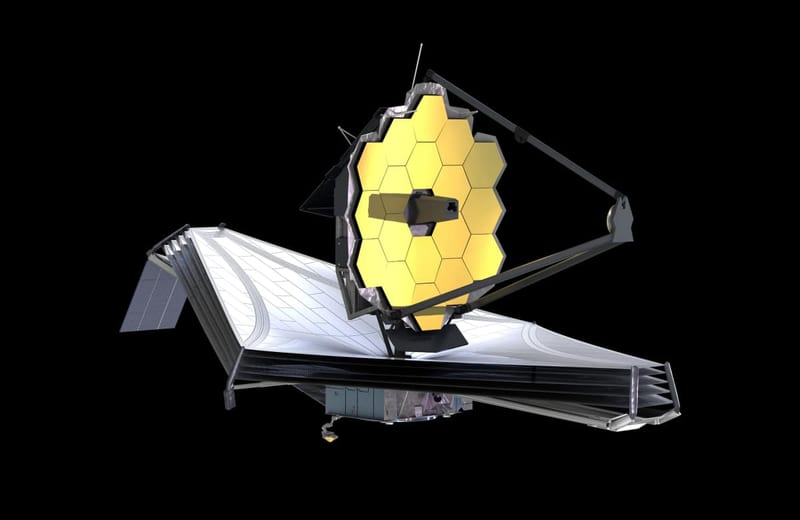
As for where the lost oxygen ended up, it is still a matter of debate. In a study from 2014 where larger galaxies like ours were the subject of focus, part of the oxygen was found to have ended up in the periphery of the galactic disks, known as the circumgalactic medium. It still cannot be said with certainty whether most of the missing oxygen from low-mass galaxies remains in this region or has been completely ejected into the intergalactic medium. McQuinn has greenlit a program that will attempt to find more low-mass galaxies using the Roman Telescope. Once they have been identified, Hubble and the James Webb Space Telescope will be used to obtain deeper observations of their stars.
More on Starlust
Heavy elements like oxygen help decode a distant spiral galaxy's evolution
Milky Way may have tilted sideways after collision with a dwarf galaxy 10 billion years ago