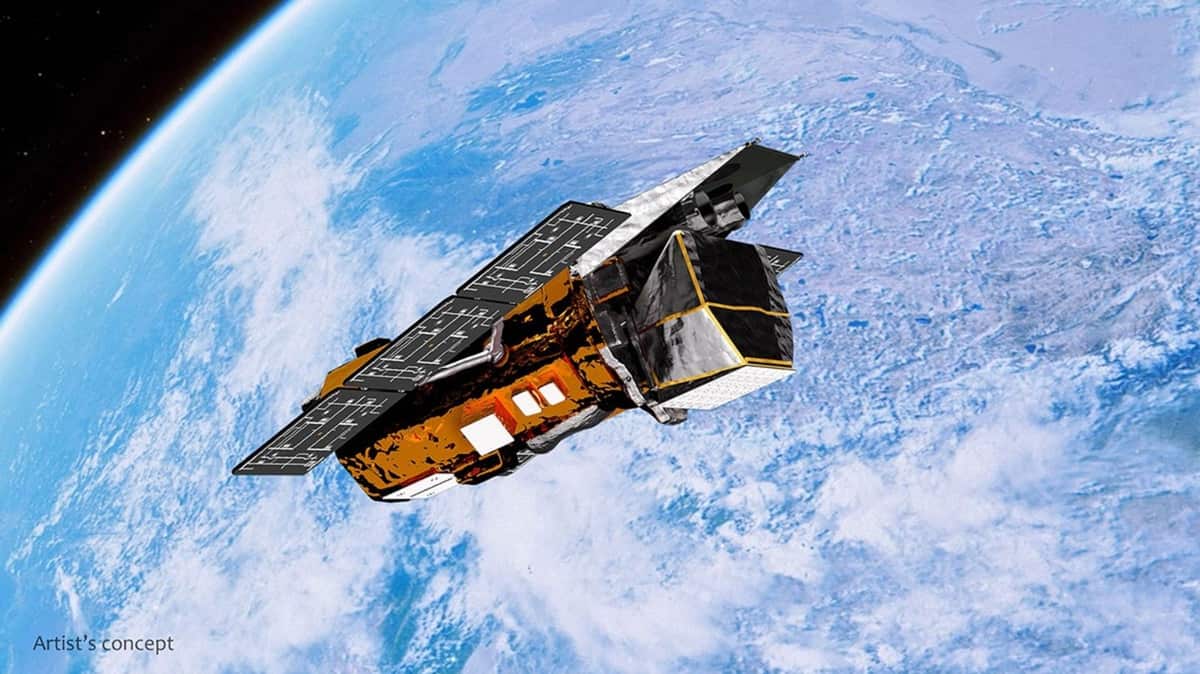
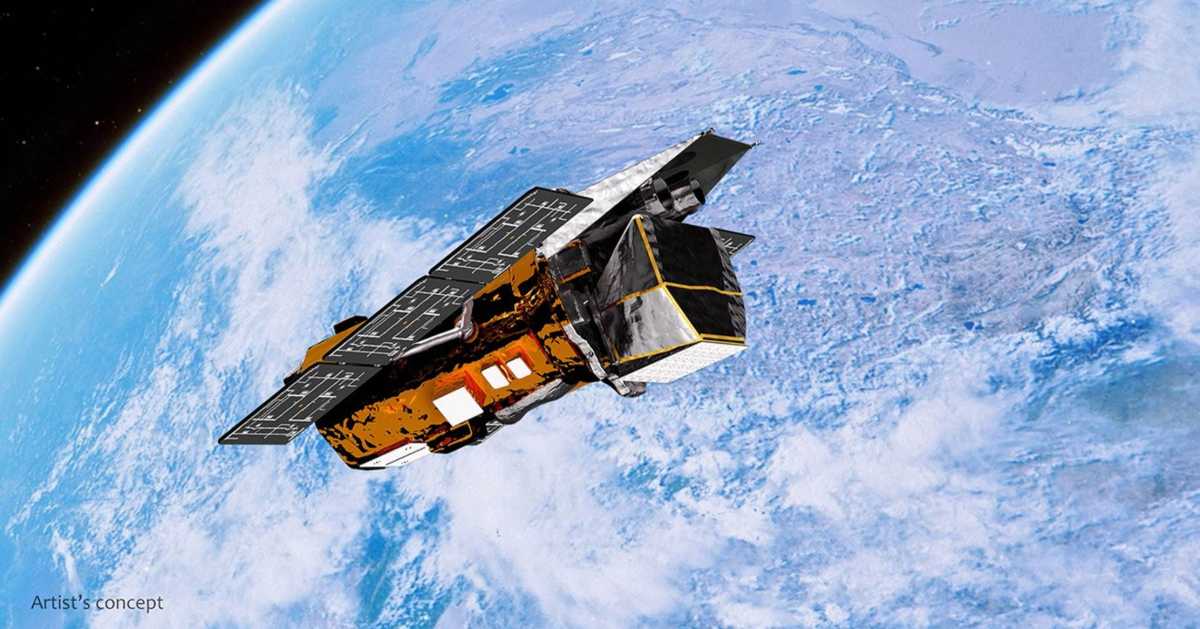
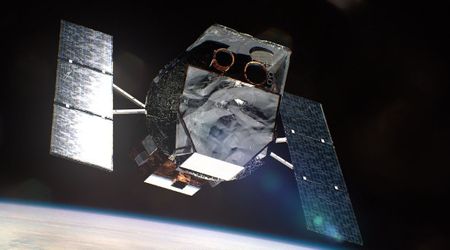
NASA's Neil Gehrels Swift Observatory was launched into low-Earth orbit on a Delta 7320 rocket on November 20, 2004, to study gamma-ray bursts (GRBs)—the most powerful explosions in the universe that last from a few milliseconds to a few hundred seconds. And the observatory lived up to its name. With its ability to turn its telescopes to the locations of these bursts before their afterglows faded out, Swift imaged over 2,000 GRBs. In addition, it studied more than 1,400 supernova explosions, imaged comets and asteroids, and watched stars being devoured by black holes, among other things. Unfortunately, NASA had to end the mission on October 20, 2026, following a failed attempt to rescue the observatory from deorbiting due to increased atmospheric drag. That said, Swift had lasted more than 10 times longer than expected, having been designed for a two-year primary mission.
End of an era: NASA’s Swift telescope burns up in Earth's atmosphere after 22 years in orbit
NASA's Swift telescope set to reenter Earth today—chances of you getting hit by it is under one in a trillion
NASA’s falling Swift telescope could make a fiery return to Earth this week—where could it crash?
NASA's Neil Gehrels Swift Observatory ceases operations: Here's the legacy it left behind
NASA, Katalyst Space look to build on $30 million Swift rescue mission despite failed orbit boost
Rescue spacecraft LINK will de-orbit within 3 weeks after failing to execute NASA's Swift Boost mission
NASA restarts Swift telescope after failed rescue, but its future is far from certain
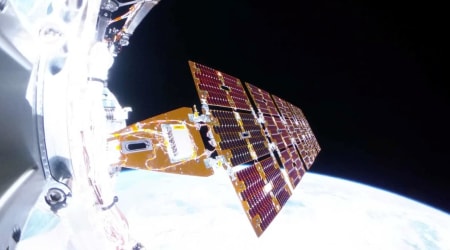
NASA’s LINK mission to save its falling Swift telescope fails weeks after launch. Here's what will happen next
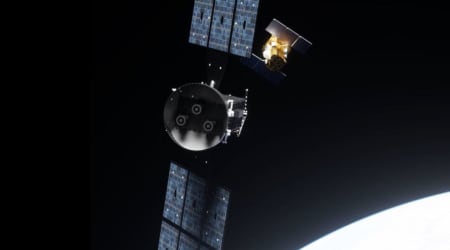
NASA’s mission to save Swift telescope still in trouble as rescue spacecraft continues spinning in space
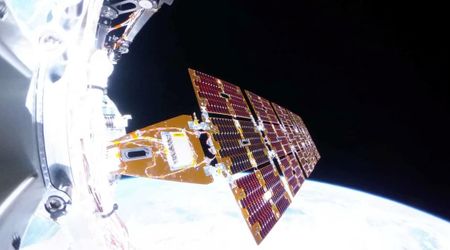
NASA's Swift Boost Mission encounters hitch as LINK spacecraft begins to spin—what happens next?
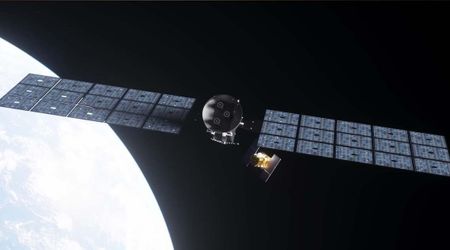
Katalyst Space’s LINK spacecraft back on track to save NASA’s Swift after facing issues
NASA’s Swift Boost mission: Katalyst Space's LINK spacecraft establishes contact with ground teams
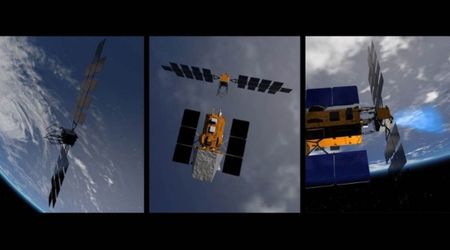
Launch of NASA’s Swift Boost mission, scrubbed for the third time in as many days, now set for today
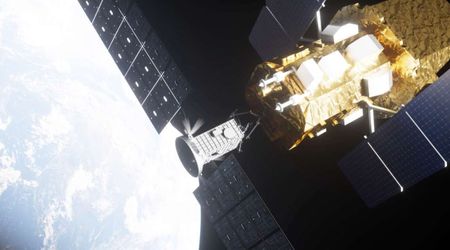
NASA's Swift Boost mission will launch today—here's how it will rescue a 21-year-old space telescope
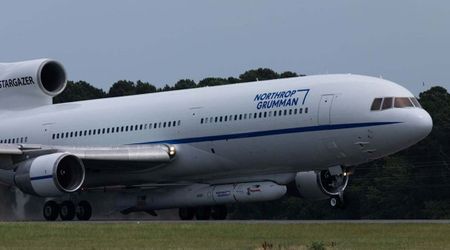
Spacecraft meant to rescue NASA's Neil Gehrels Swift Observatory from risky re-entry will launch on June 27
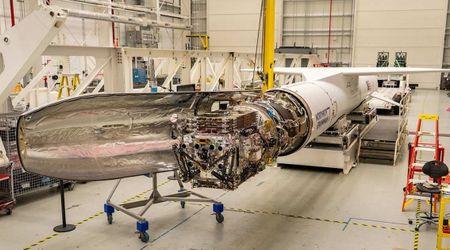
NASA's Swift Boost mission one step closer to launch as LINK spacecraft is joined with its rocket
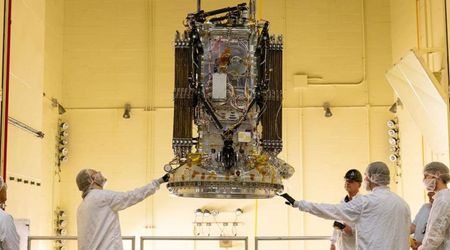
NASA mission to rescue 21-year-old Swift space telescope on track as LINK arrives at launch site
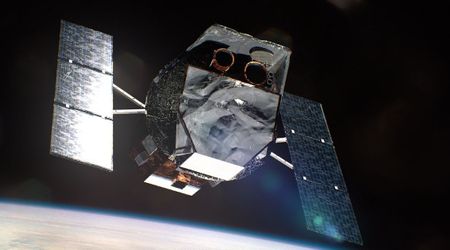
NASA’s Swift observatory is about to fall from orbit—but a startup might save it in time

Orionids meteor shower 2025 peaks tonight: New moon offers perfect viewing conditions