NASA restarts Swift telescope after failed rescue, but its future is far from certain
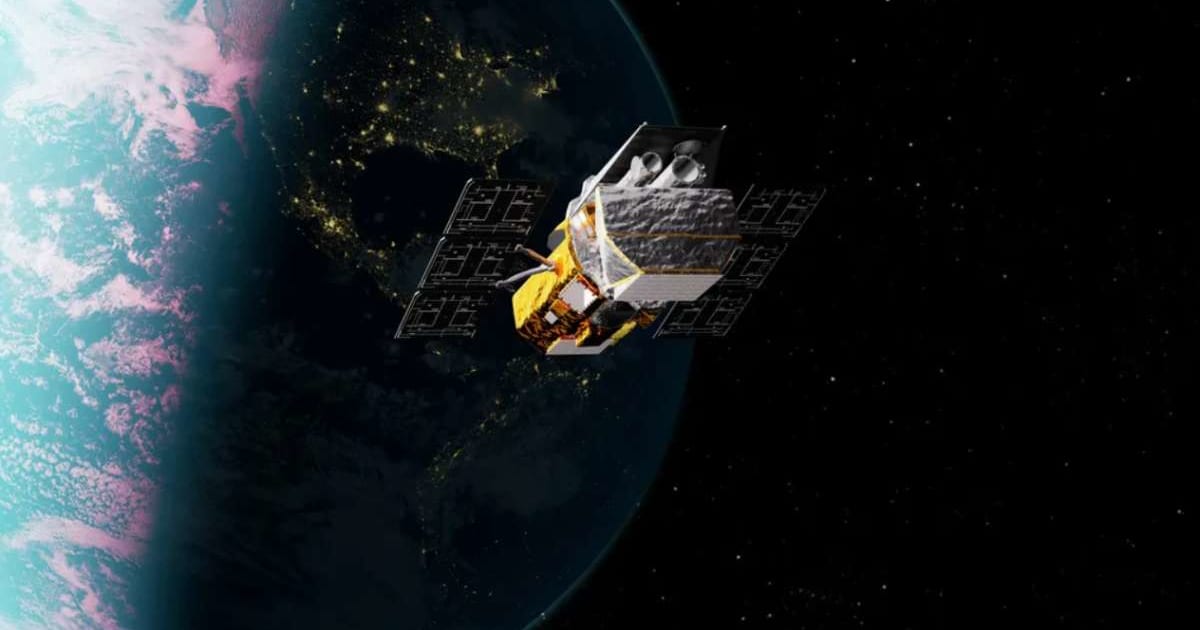
Earlier this year, NASA's Neil Gehrels Swift Observatory spent months in a low-drag configuration while waiting for an orbital rescue mission. That rescue mission ultimately didn't go through. But now, the space agency has shared that Swift switched on two of its three science tools. As per NASA, the X-ray Telescope and the Ultraviolet/Optical Telescope are now collecting data again.
Our Swift observatory is back in its science era. Two of its telescopes resumed operation this week, and the team hopes to have the third science instrument back online soon. After the scaling back of a commercial mission that would have boosted the sinking spacecraft’s altitude,… pic.twitter.com/3dBJSWavBD
— NASA Universe (@NASAUniverse) August 28, 2026
But the third instrument, which is the Burst Alert Telescope, remains offline for now. Updating on this, NASA shared in an official statement, “Use of the third instrument, the Burst Alert Telescope, was halted in April to reduce power consumption so Swift’s solar panels could be positioned to further reduce drag. The team is working to return it to data collection in the next few weeks.”
Why did NASA shut down Swift's instruments?
Back in February 2026, mission controllers purposely shut down two of Swift's instruments to give it more lifespan. With this, the space agency's goal was to cut drag and keep Swift in orbit for longer. This would keep the spacecraft flying long enough so that a rescue mission could eventually reach it and nudge it into a safer orbit.
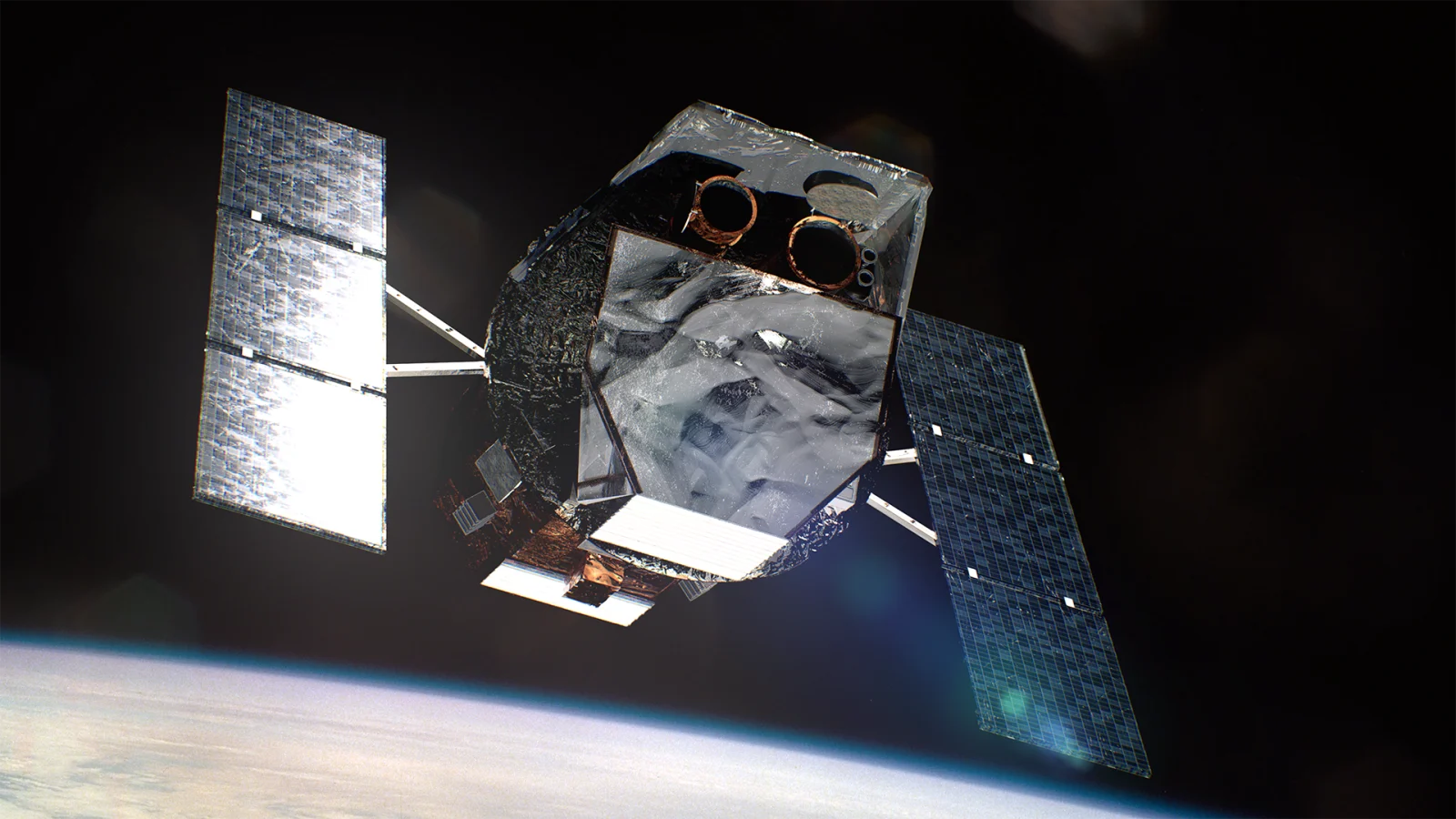
In April, the team went a step further and paused the Burst Alert Telescope too, which let them angle Swift's solar panels in a way that cut down on atmospheric resistance even more. Commenting on the significance of this telescope, NASA shared, "Over the last 21 years, Swift has been NASA's multitool for studying the cosmos. It observes a wide range of light, rapidly points at short-lived outbursts, and sends alerts to other facilities in space and on the ground to help coordinate follow-up observations."
What went wrong with NASA's rescue spacecraft, LINK?
The Neil Gehrels Swift Observatory was launched in 2004 for a two-year mission that would study gamma-ray bursts. Instead, the observatory has spent more than two decades tracking some of the most violent and fleeting events in the universe, then tipping off other telescopes around the world so they can look too. More recently, though, the observatory faced intense solar activity that created a strong atmospheric drag that pulled the aging space telescope into a rapidly decaying orbit. However, the rescue mission, which relied on a robotic servicing spacecraft called LINK, failed to save it.
NASA and Katalyst Space have determined that Katalyst’s LINK spacecraft will not capture or boost our Swift observatory to a higher altitude to extend its science mission, due to an ongoing attitude control issue with the spacecraft. However, LINK will still attempt to conduct… pic.twitter.com/STMFzVdODX
— NASA Universe (@NASAUniverse) August 19, 2026
Late in July, LINK ran into attitude-control trouble that sent it spinning and knocked out communication with ground teams. Two of its three reaction wheels stopped working, and its cold-gas thruster system lost some of its functionality as well. On Aug. 19, NASA and Katalyst confirmed that LINK would not attempt to capture and lift Swift after all. Instead, the spacecraft will now try to fly close to Swift and run proximity operations.
What comes next for Swift?
This year, the increased solar activity has caused the Earth’s upper atmosphere to heat further. This has dragged the orbit of Swift down faster than what engineers expected. Thanks to those low-drag measures, NASA projected that Swift would stay above roughly 185 miles until October.
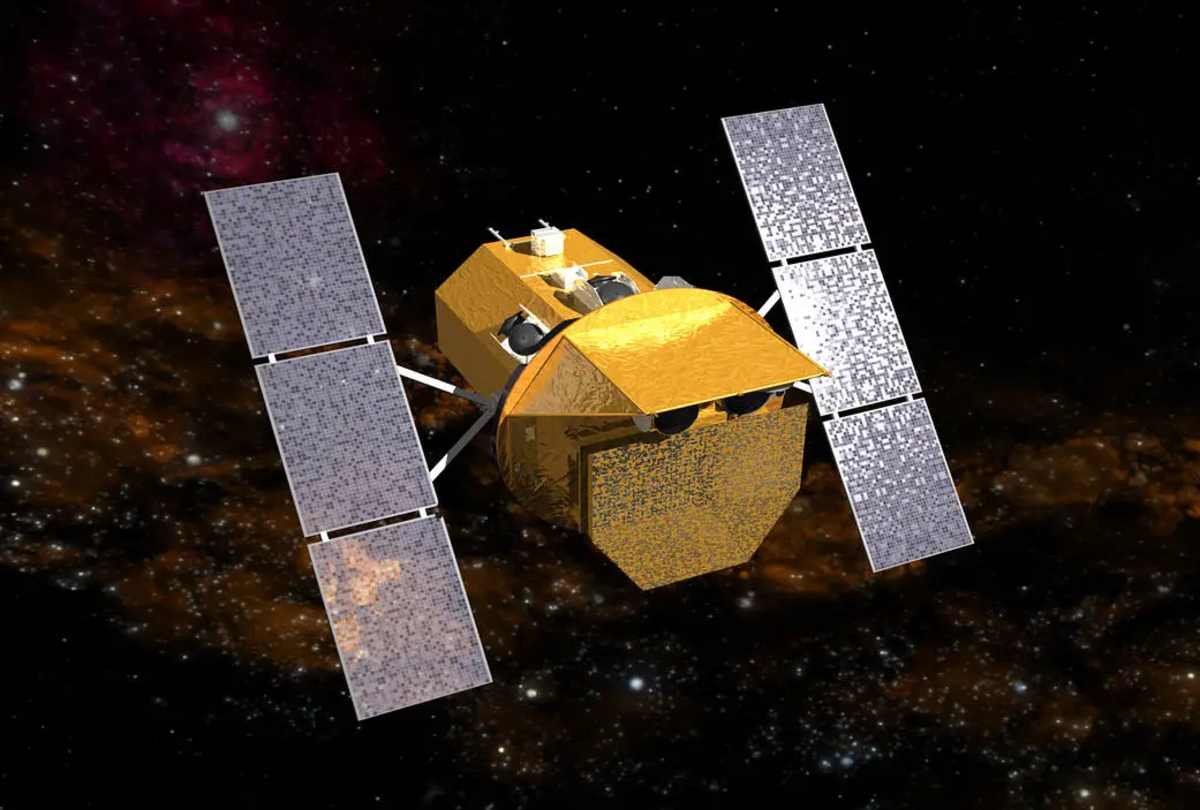
Now that science operations have resumed and the planned orbital boost is off the table, NASA expects that Swift will reach the critical threshold within the next one to two months. If that happens, the aging observatory will likely fall back to Earth late this year, and most of its parts will burn during reentry.
More on Starlust
Inside Artemis III: A look at how astronauts are training for NASA's ambitious mission