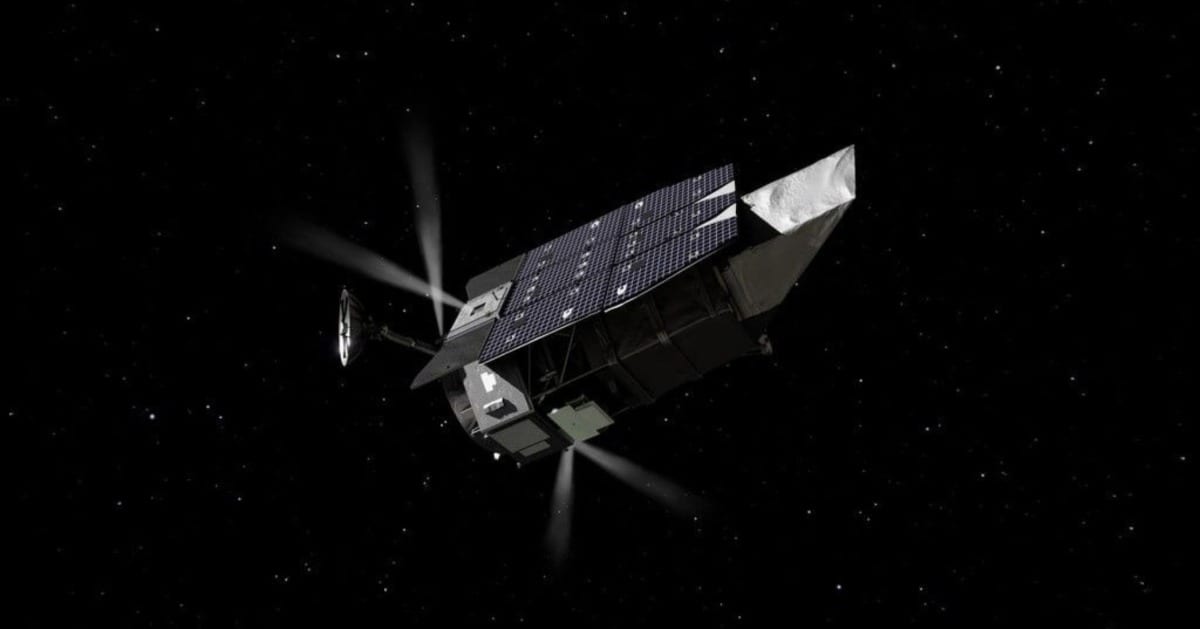
NASA's Neil Gehrels Swift Observatory ceases operations: Here's the legacy it left behind
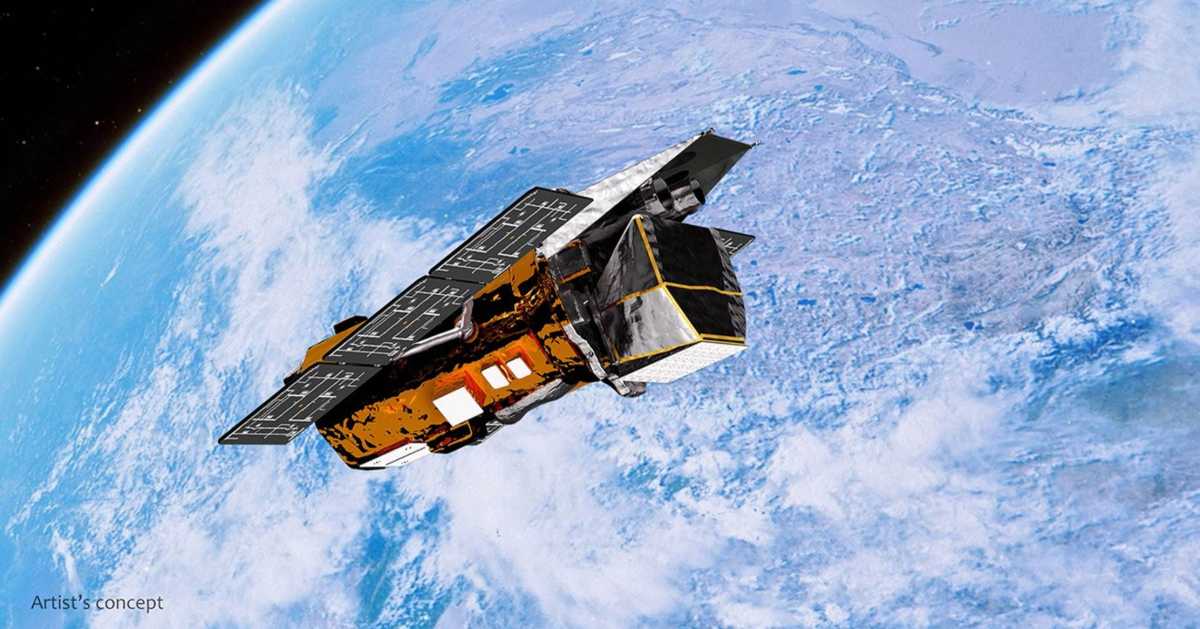
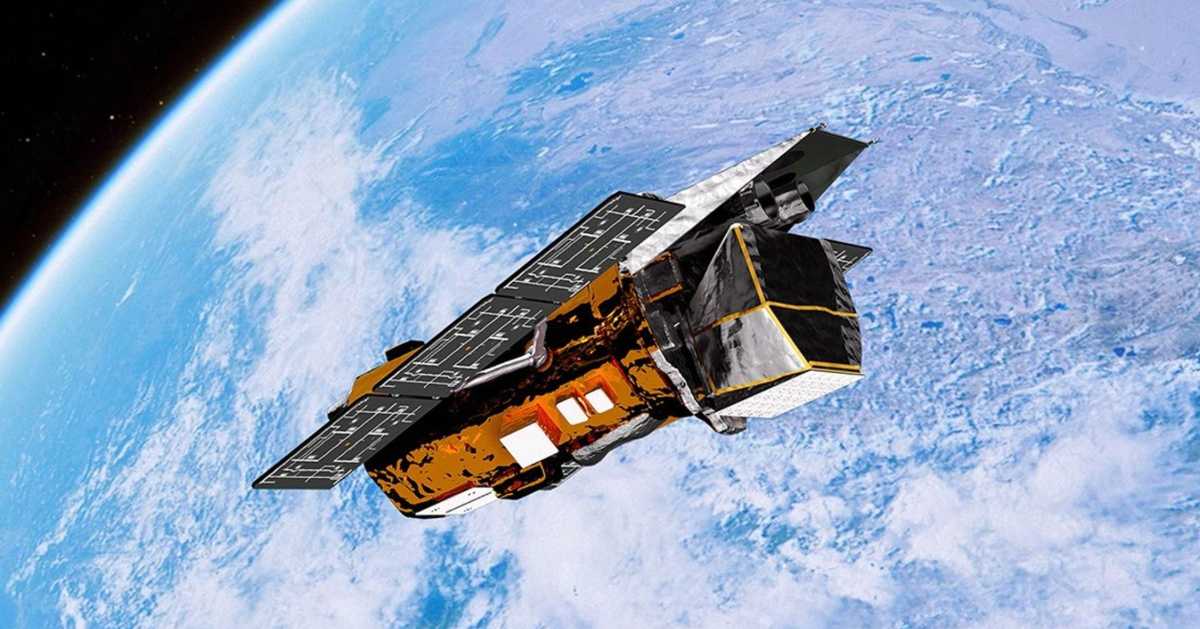
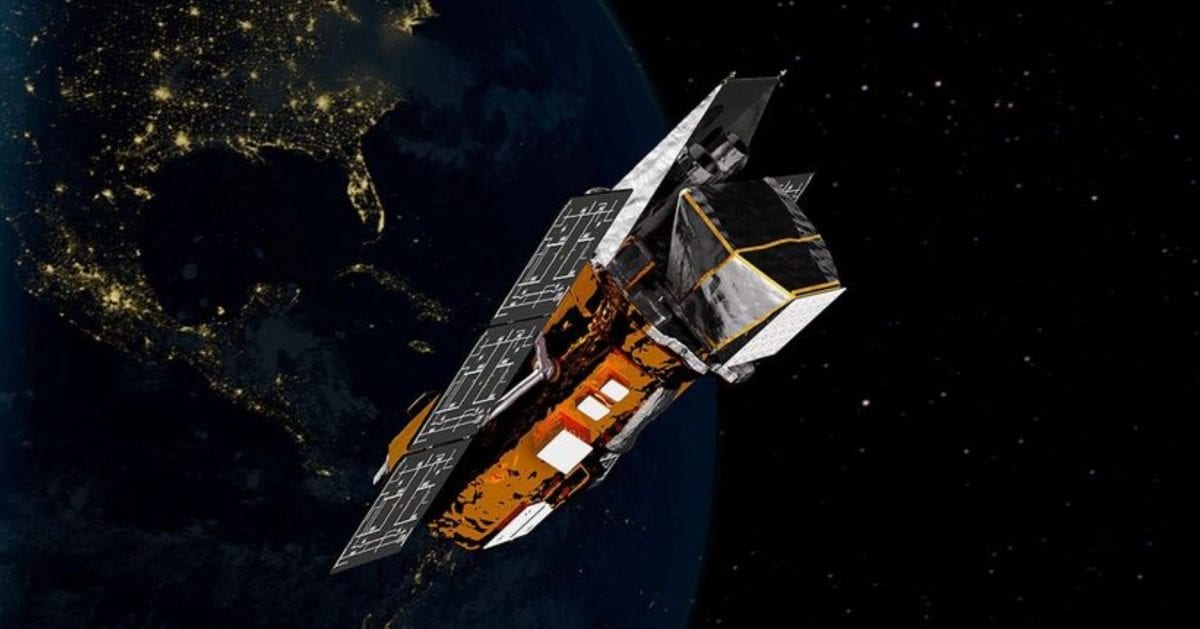
NASA has officially brought Neil Gehrels Swift Observatory's mission to a close, according to the agency's statement from October 23. The end of Swift's operations came after its altitude dropped to within 171 miles of Earth, where the increased atmospheric drag would not have allowed it to steadily observe its targets. The observatory recorded its final observation on October 20, ending its 22-year run as NASA's "first responder" to transient celestial phenomena—most notably gamma-ray bursts.
Science that never goes out of style 🎶 Managed by Goddard, the Swift observatory was designed to last just two years but is now concluding science operations over two decades later. Join us as we celebrate its legacy! Learn about its contributions: https://t.co/0SVxkEoIEA https://t.co/wdhw1MMyTP
— NASA Goddard (@NASAGoddard) October 23, 2026
The end of the Swift observatory's mission will leave behind a gap in NASA's roster of space observatories. This is because the telescope, as its name suggests, had the unique ability to quickly change where it was pointed in the sky. "Swift needed to detect and locate gamma-ray bursts, communicate their position to other observatories, and then swing its telescopes around to image the burst locations before their afterglows faded out. This typically took Swift about a minute to do," explained S. Bradley Cenko, Swift's principal investigator at the Goddard Space Flight Center in Maryland. In May 2005, Swift managed to turn quickly enough to detect 11 X-ray photons from GRB 050509B—a gamma-ray burst that lasted just 0.03 seconds. This made the short burst the first to be observed with a detected afterglow. This helped confirm theoretical models that suggested that short gamma-ray bursts likely come from mergers of two neutron stars.
Swift was equipped with optical, ultraviolet, and X-ray telescopes that were co-aligned so as to give scientists views in multiple wavelengths. This ability allowed scientists to collect over 1.5 million images throughout its life. Swift also saw over 2,000 gamma-ray bursts, which are the most energetic events in the known universe. It has also helped conduct an X-ray survey of the entire sky while also observing stars being ripped apart by black holes. Swift helped astronomers study comets, asteroids, and a number of other celestial objects, including more than 1,400 supernovae. In 2011, Swift's Burst Alert Telescope helped scientists confirm the existence of Compton-thick sources—active galactic nuclei that were surrounded by such dense clouds of dust that their observation had previously been next to impossible. These galaxies that Swift observed had black holes at their centers that were 100 million times as massive as the Sun. In all, data from the observatory contributed to more than 7,000 research papers.
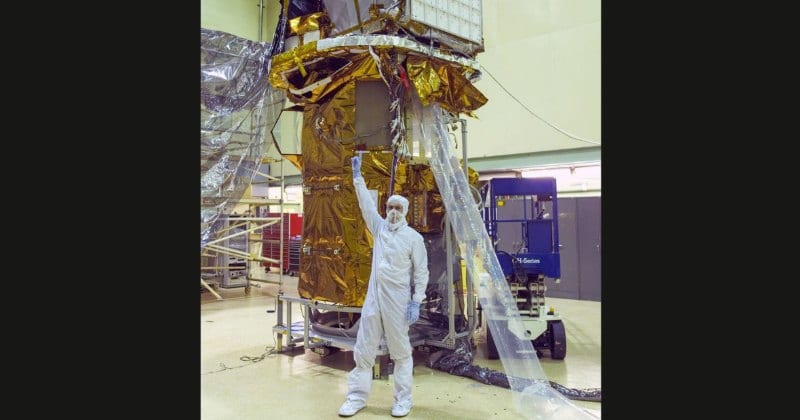
In 2018, its name was changed to pay tribute to Neil Gehrels, the mission's first-ever principal investigator who passed away the year before. Cut to the present, and Swift has collected over 12 terabytes of science data—all of which remains in the public domain for astronomers to work with. What's more, it also carried a flexible planning system, which allowed astronomers to request "target-of-opportunity" observations. Operators on the ground could send commands within minutes to set up monitoring programs for observing specific targets for anywhere between a few minutes to months. Thanks to this system, as many as 75 objects could be targeted in a single day.
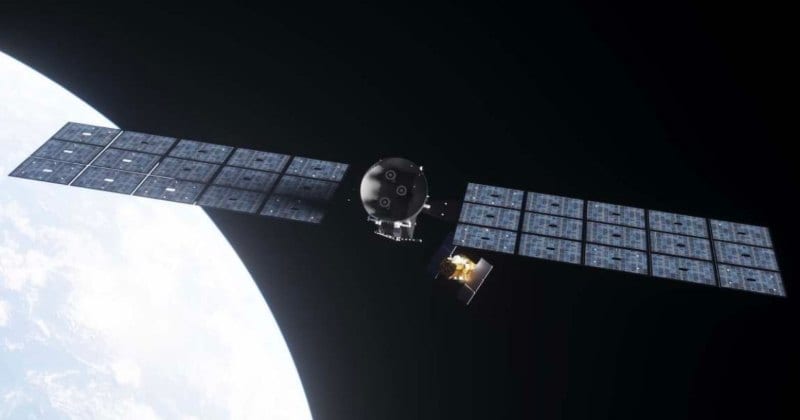
It was because of these capabilities and the contributions Neil Gehrels Swift Observatory made towards astronomy that NASA wanted to save it once it learned that its orbit had been decaying. Increased solar activity had magnified the effects of atmospheric drag on the observatory, which did not have its own propulsion system that could raise its orbit. It wasn't built to be serviced either. But even though the observatory had managed to outlive its primary mission by more than ten times, NASA awarded Katalyst Space a contract in 2025 to build a robotic servicing spacecraft that could grab Swift and raise its orbit. While the company managed to build the spacecraft, called LINK, in record time, the Swift boost mission ultimately failed while on its way to the observatory. As a result, the observatory will now re-enter Earth's atmosphere in the coming weeks.
More on Starlust
NASA, Katalyst Space look to build on $30 million Swift rescue mission despite failed orbit boost