Launch of NASA’s Swift Boost mission, scrubbed for the third time in as many days, now set for today
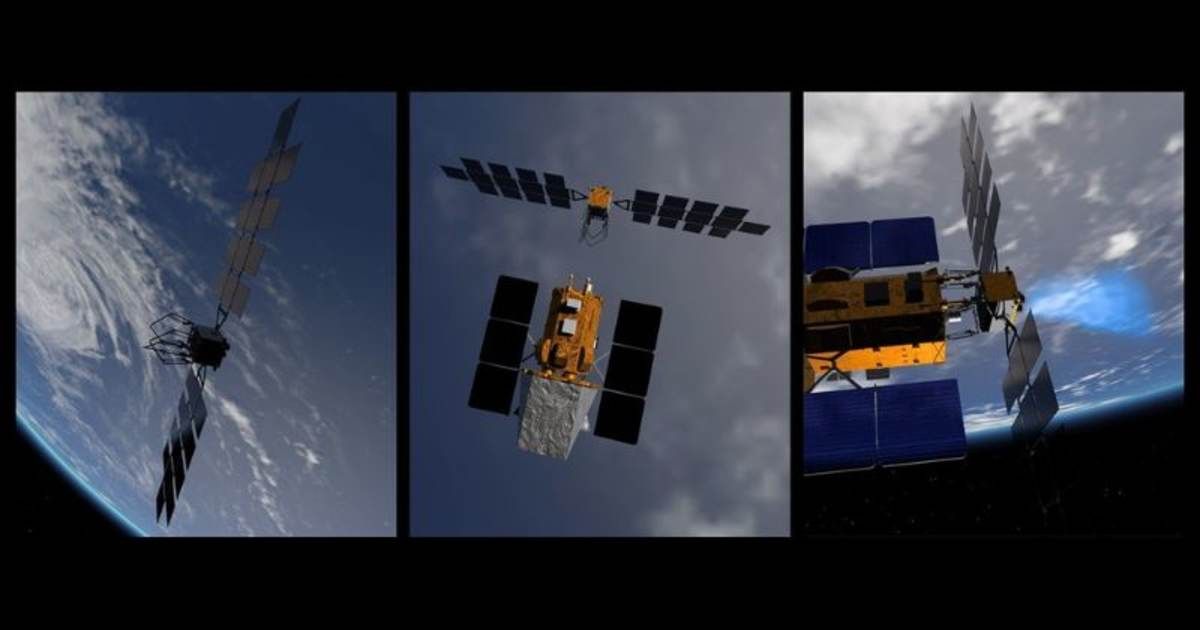
NASA's Swift Boost mission has been postponed yet again, with another launch attempt set to take place in a few hours. Already in a race against time to get the LINK robotic servicing spacecraft to rendezvous with Neil Gehrels Swift Observatory in order to save the latter from a premature re-entry into the atmosphere, the agency has now determined the launch time and date to be 4:35 am EDT today, July 3.
The next launch attempt of Northrop Grumman’s Pegasus XL rocket carrying LINK, Katalyst Space’s robotic servicing spacecraft to boost our Swift observatory, will be no earlier than July 3 at 4:35 a.m. ET. Get updates: https://t.co/WpiK7NFSLJ pic.twitter.com/nQMmXZyLOD
— NASA Universe (@NASAUniverse) July 3, 2026
While the first two instances of the launch being postponed (June 30 and July 1) were caused by unfavorable weather conditions, Thursday's scrub was called after an issue with the Pegasus XL rocket was identified after the Stargazer aircraft carrying it had already taken off. For context, the launch of this mission is taking place not using the traditional vertical liftoff method but by Northrop Grumman's modified L-1011 aircraft carrying the rocket high up in the atmosphere. After taking off from Kwajalein Atoll in the Marshall Islands, Stargazer will drop the launch vehicle carrying Katalyst Space's LINK spacecraft from an altitude of 40,000 feet. Within a few seconds of beginning its free fall, Pegasus XL will fire its engines to put its payload on course for Swift.
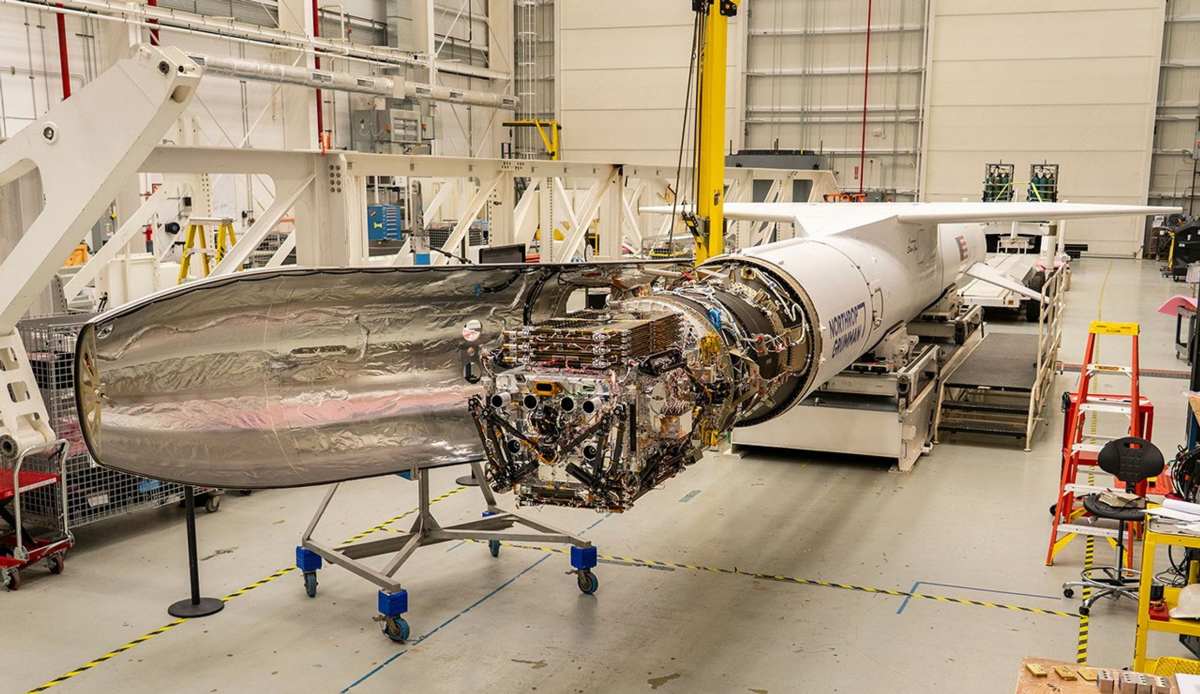
A review of Thursday's failed launch attempt was conducted by the Pegasus team from Northrop Grumman, who identified a software issue that affected Pegasus' navigation performance. As a fix, engineers have updated the software. Encouragement was also found in the fact that the launch sequence stopped as intended after the problem was identified, according to NASA. The rocket and its carrier aircraft are also healthy going into today's launch attempt.
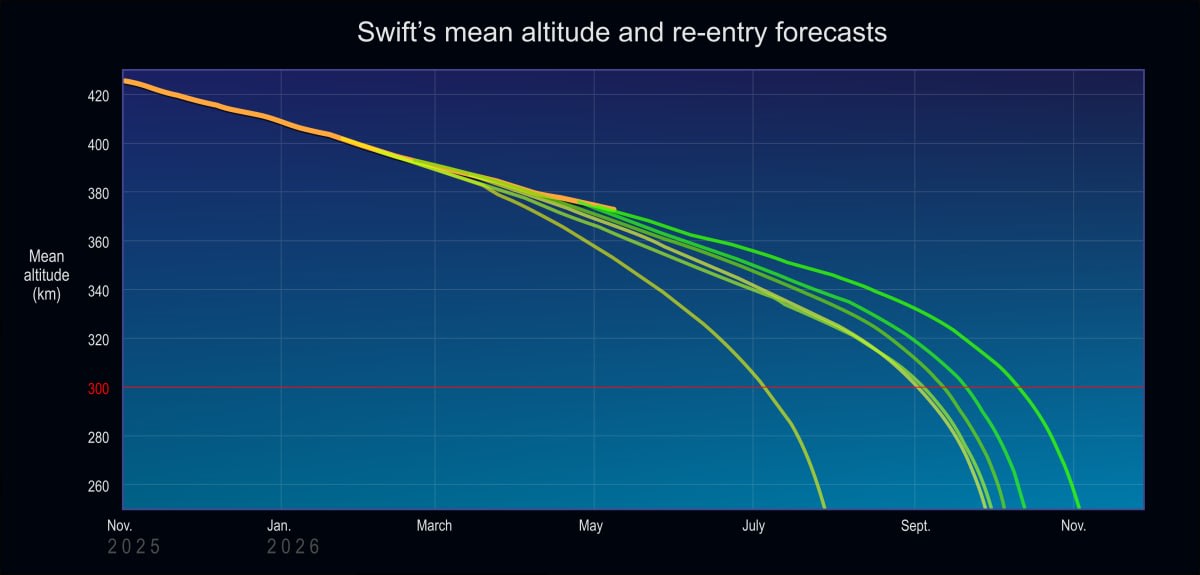
A timely launch is vital given that the Swift observatory's orbit continues to experience decay in the wake of increased solar activity and the expansion of Earth's atmosphere in recent months. Projections had shown that the 21-year-old observatory would have sunk below a critical 300-kilometer altitude threshold this month had it not been for the operational changes made by the teams at NASA’s Goddard Space Flight Center to buy the telescope some additional time.
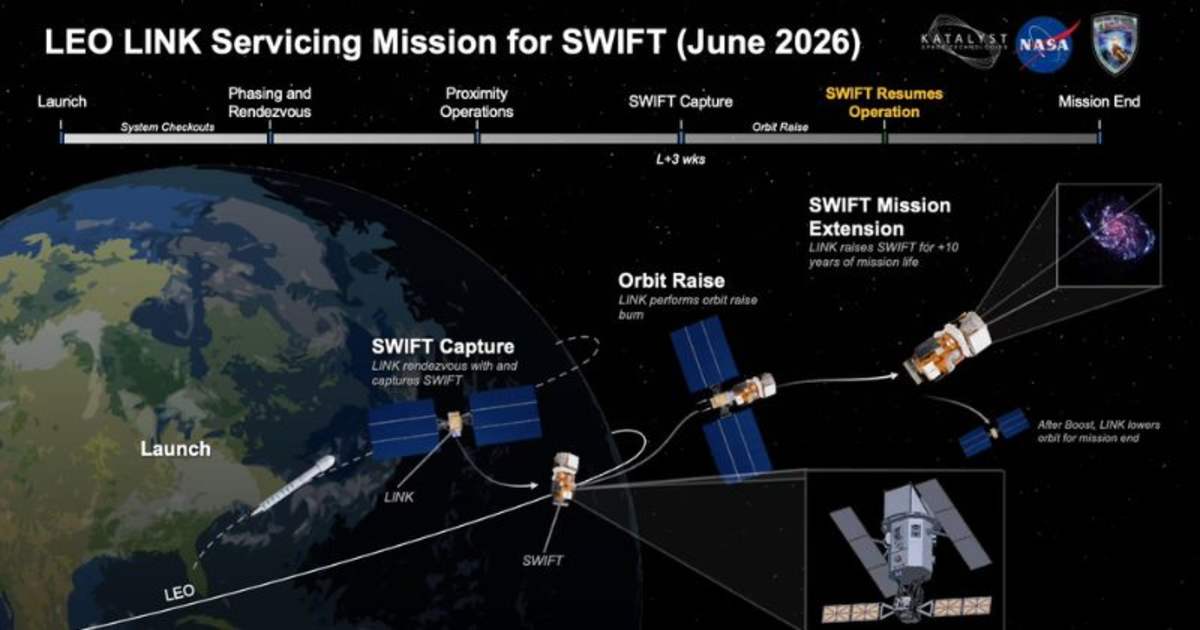
The Neil Gehrels Swift Observatory was never meant to be serviced and also doesn't feature boosters to raise its own orbit. While the science teams at NASA acknowledged that satellites de-orbiting due to atmospheric drag is normal in the space ecosystem, the importance of Swift was described by Brad Cenko (principal investigator for Swift) as "NASA's first responder" to cosmic events, especially Gamma-Ray Bursts. Since these powerful events are short-lived, the observatory uses its ability to turn quickly to get some of the earliest data we can have access to, making the observatory extremely valuable from a scientific perspective. After the procedures where the LINK spacecraft boosts Swift to its original altitude from 2004 are completed in a few months' time, the observatory is set to be reset for its normal operations.
More on Starlust
NASA's Swift Boost mission one step closer to launch as LINK spacecraft is joined with its rocket
Longest gamma-ray burst ever detected blazed for over seven hours — and astronomers are baffled