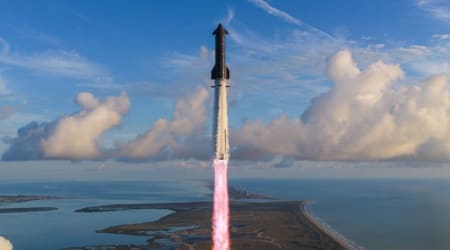
NASA's Swift Boost Mission encounters hitch as LINK spacecraft begins to spin—what happens next?
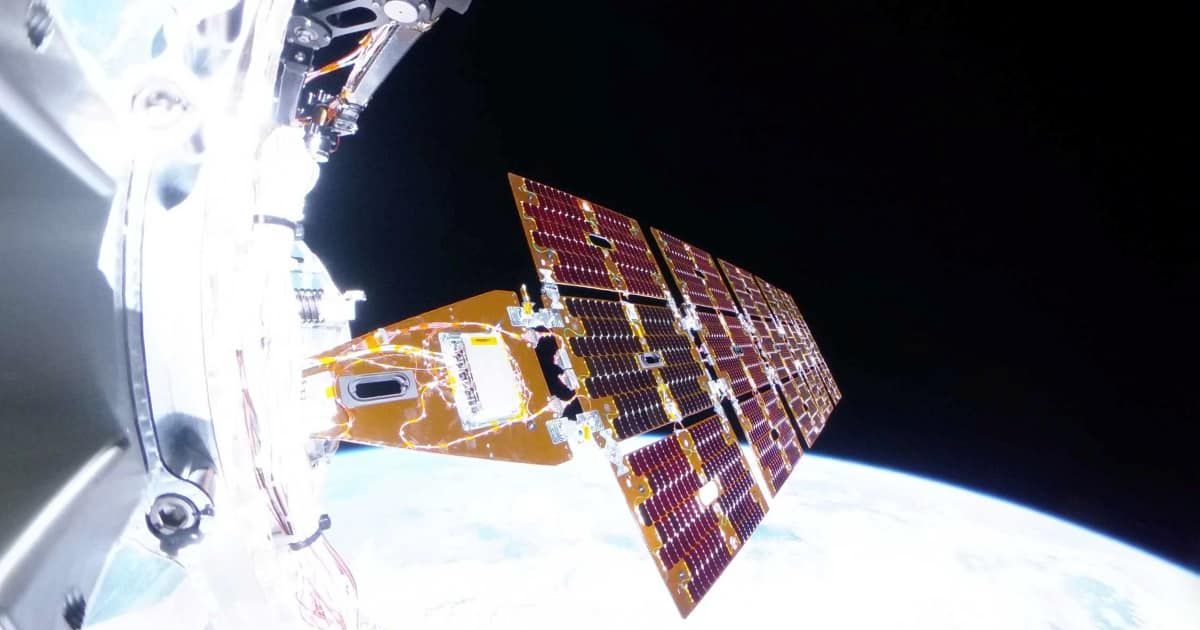
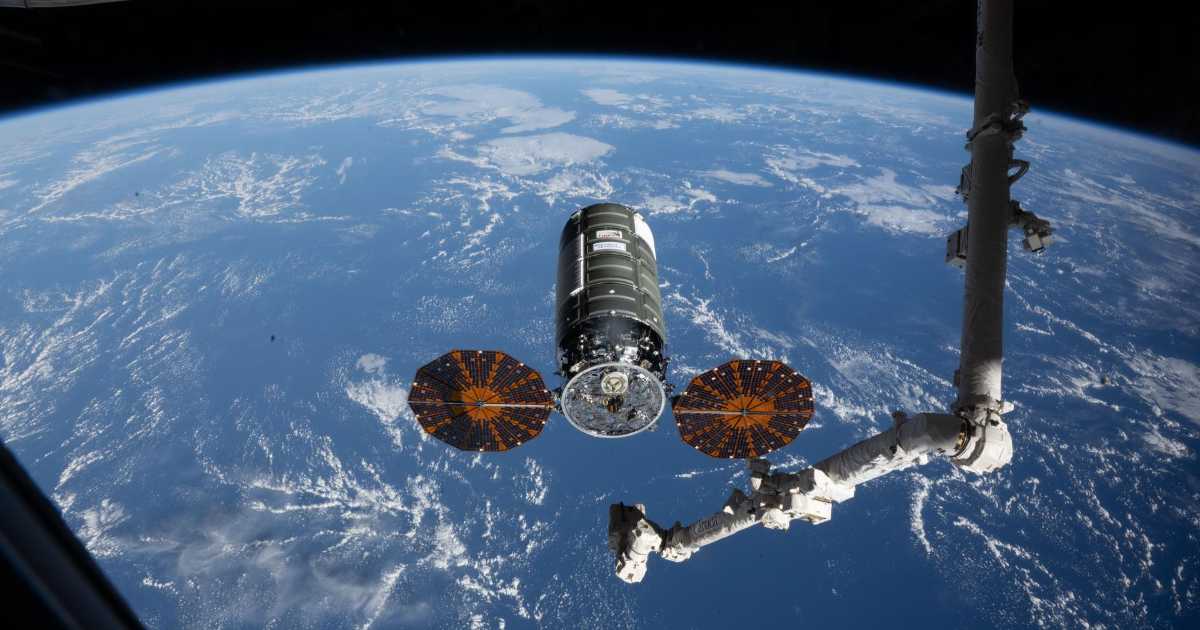
NASA's Swift Boost Mission encountered fresh issues over the weekend, resulting in the LINK servicing spacecraft getting into a spinning motion on its way to the Neil Gehrels Swift Observatory. Built by Arizona-based Katalyst Space, the robotic spacecraft is now only able to intermittently communicate with the aerospace company's teams as a result of the spin. NASA announced that while these issues are yet to be resolved, the spacecraft remains "power positive" and in touch with the team from Katalyst Space, which is currently working to stop the spin.
LINK, the robotic spacecraft from Katalyst Space designed to boost our Swift mission’s orbit, experienced issues with attitude control over the weekend, causing the spacecraft to spin and resulting in sporadic communications. The team is working to stop LINK’s spin over the next… pic.twitter.com/uCu1hS7FxT
— NASA Universe (@NASAUniverse) July 28, 2026
According to preliminary investigations, the LINK spacecraft's two reaction wheels (out of the three it has in total) were found to be inoperable. The servicing spacecraft's cold gas thruster system is also understood to have lost some functionality. Attitude control issues due to similar causes had emerged about a fortnight ago as well, when only one of the three reaction wheels was identified as the source of the problem. Even then, communication troubles had resulted from the anomaly. Discovered after LINK had begun its commissioning phase on July 3, these issues had reportedly been resolved, thanks to a few operational updates and software patches.
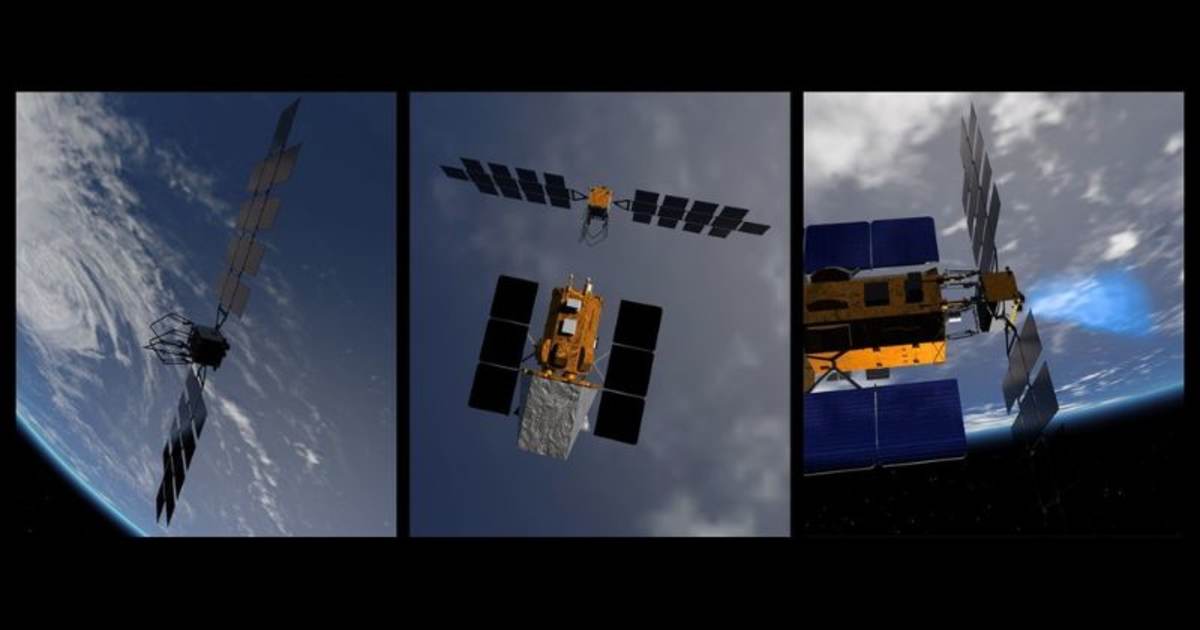
With LINK encountering issues again, it remains to be seen how long the teams at Katalyst will need to go about stabilizing the spacecraft this time around. The electric propulsion thrusters onboard LINK are actively being used for this, according to NASA. Once the spin is stopped and all systems are investigated, the teams at Katalyst will perform requisite updates to their spacecraft's guidance, navigation, and control systems in line with LINK's new configuration. Due to the changes introduced to the original plans during this commissioning phase, NASA will now reassess whether it will be safe for LINK to approach Swift and capture it.
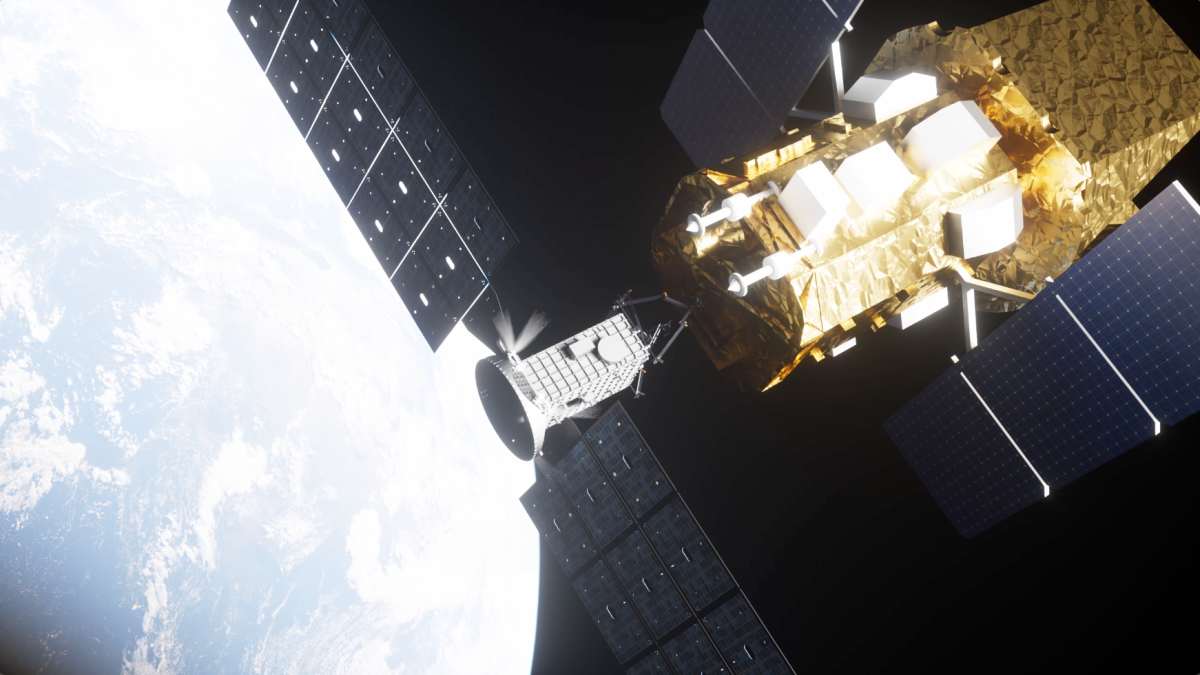
Originally, LINK was supposed to have undergone the commissioning of all its systems over the next few weeks, after which the transit phase would have begun, ending with a rendezvous with Swift. This mission had been necessitated after it was discovered that Swift—which doesn't feature its own thrusters to reverse orbital decay—was bound for a destructive re-entry into Earth's atmosphere after a period of increased solar activity. This increased activity heated up the atmosphere and caused it to puff up, which caused Swift to experience more atmospheric drag than expected.
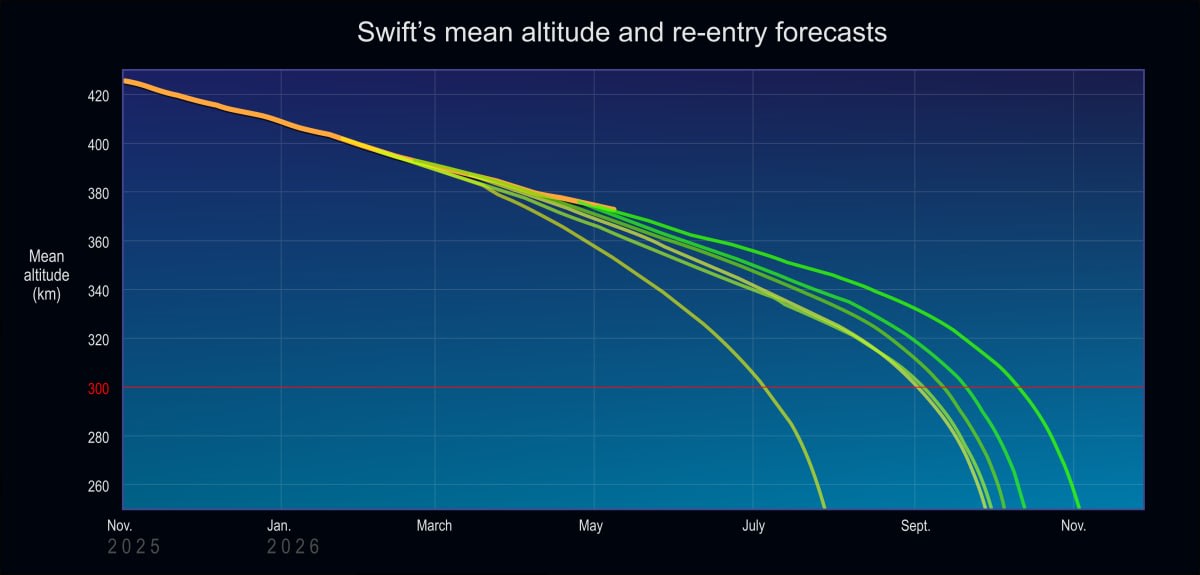
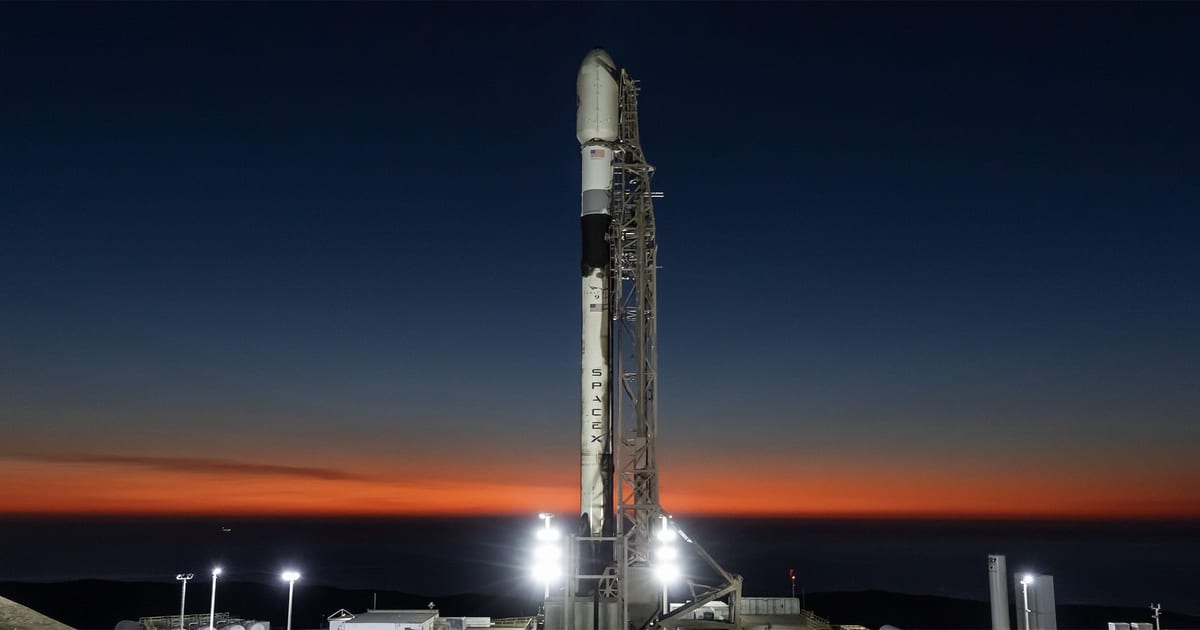
While teams scrambled to find solutions to buy time to save Swift, such as re-orienting the observatory to streamline it better, Katalyst Space readied its LINK spacecraft within 9 months—from contract award last September to launch earlier this month. The success of this mission is important for the study of gamma-ray bursts (GRBs), the most powerful explosions in the universe. Astronomers and science teams at NASA had acknowledged that a 21-year-old observatory like Swift, which hadn't been built to be serviced, runs the natural risk of a premature re-entry. However, they had also stressed the fact that Swift is the 'first responder' to transient phenomena like GRBs, due to its ability to detect the source and quickly turn towards it. With its unique capabilities made for astrophysics, saving it was deemed vital, with no replacements scheduled anytime soon.
More on Starlust
NASA’s Swift observatory is about to fall from orbit—but a startup might save it in time
Longest gamma-ray burst ever detected blazed for over seven hours — and astronomers are baffled