Spacecraft meant to rescue NASA's Neil Gehrels Swift Observatory from risky re-entry will launch on June 27
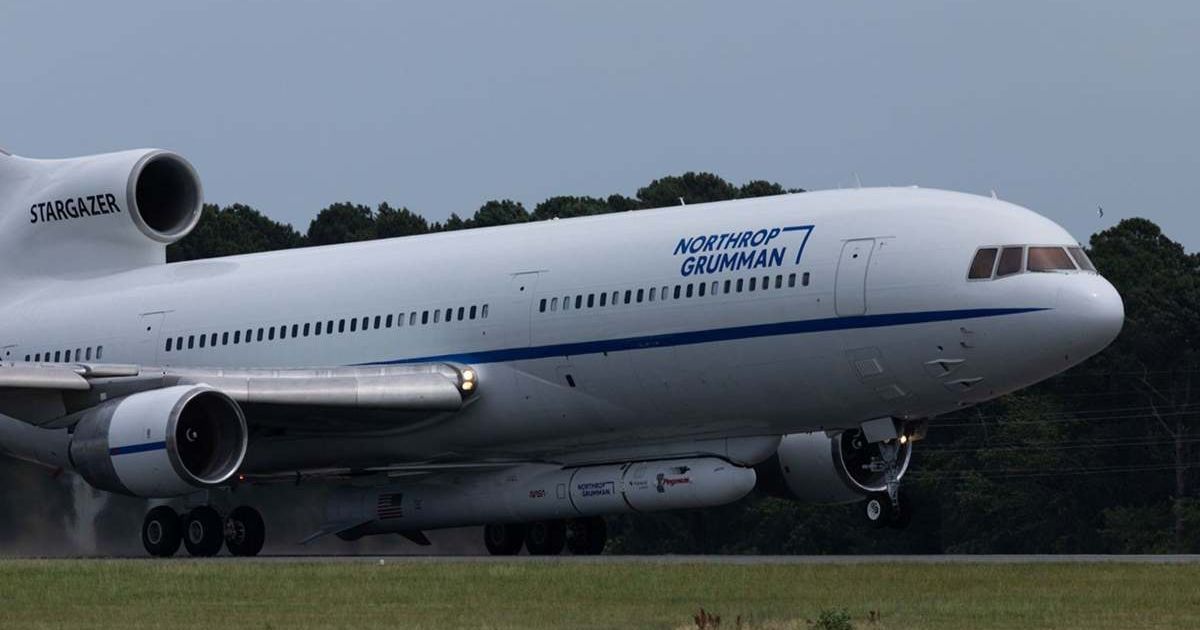
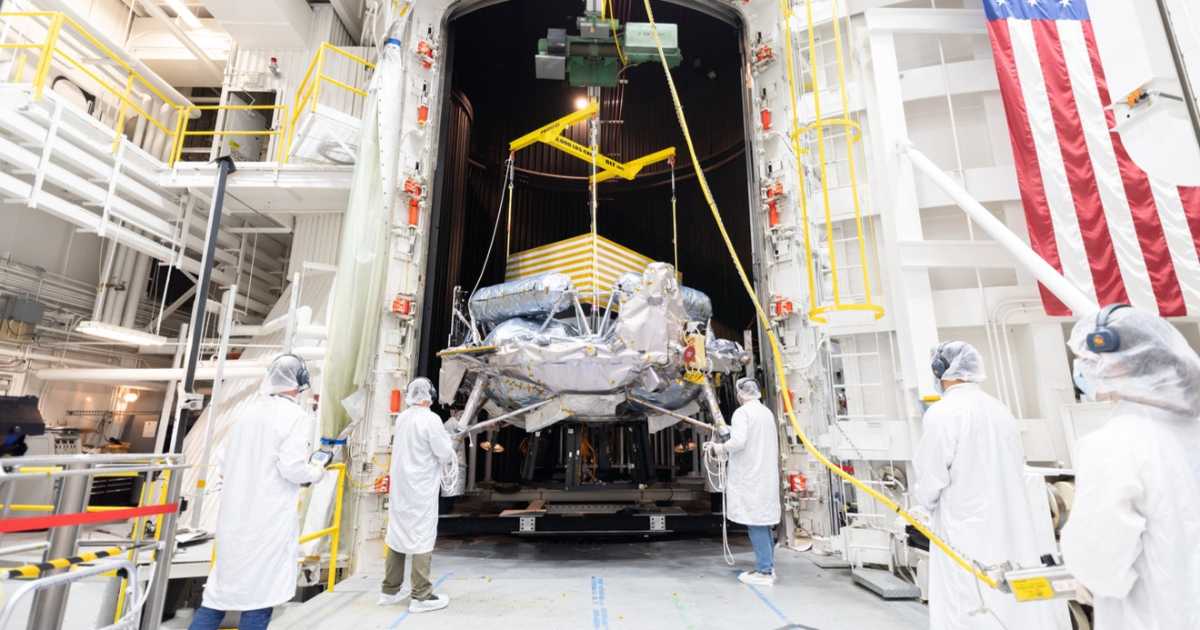
The LINK robotic spacecraft, which is supposed to save the Neil Gehrels Swift Observatory from a premature re-entry, departed for its launch location, Kwajalein Atoll, on June 18. The spacecraft, having already been integrated with the Northrop Grumman Pegasus XL rocket, was attached to the belly of Stargazer, a modified L-1011 airplane, also operated by the aerospace and defense company. The launch will take place on June 27, when Stargazer carries the XL rocket to an altitude of 40,000 feet before dropping it.
After mating the Pegasus rocket carrying Katalyst's LINK spacecraft, @NorthropGrumman’s Stargazer L-1011 aircraft departed Wallops. Wallops' ability to support both spacecraft & Pegasus integration within weeks streamlined this mission to boost Swift's orbit later this summer.… pic.twitter.com/g8tgbhZbKA
— NASA Wallops (@NASAWallops) June 19, 2026
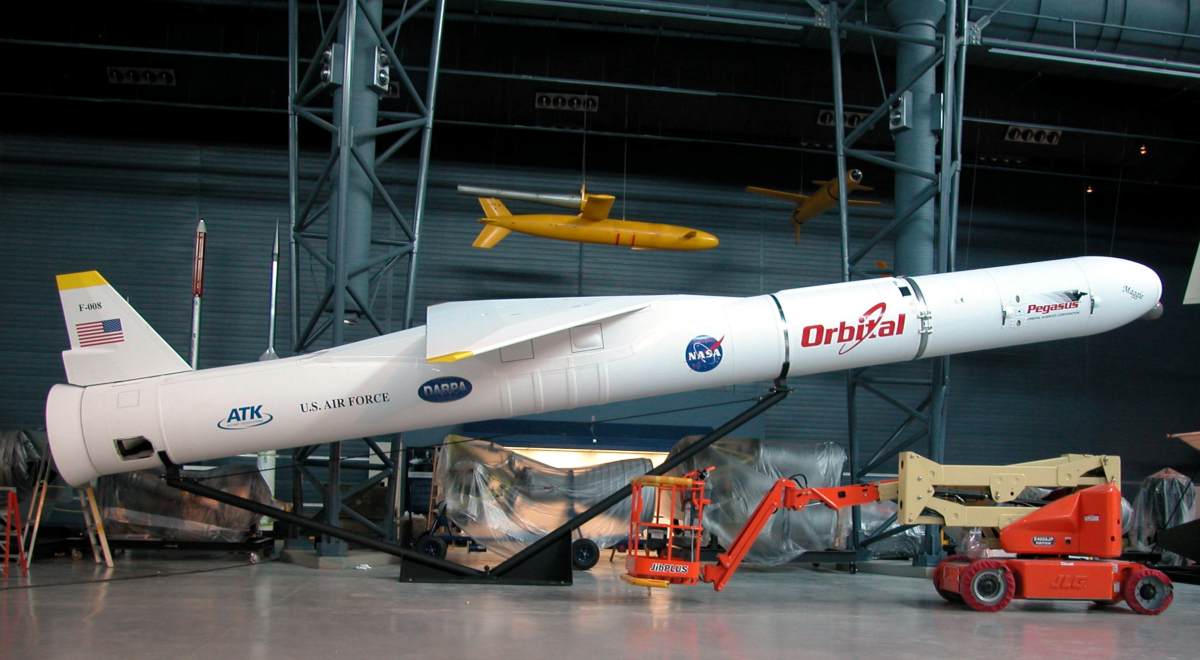
Seconds after beginning to fall freely, the three-stage rocket’s engines will ignite and deploy the robotic spacecraft into orbit in about 10 minutes, putting it on course for a rendezvous with the Swift observatory. This unique approach involving Pegasus XL was opted for by LINK's creators, Katalyst Space, because it was deemed to be the best when considering the Swift Boost mission's "orbital and programmatic" needs, according to NASA. During a preview of the mission on June 17, Kieran Wilson, LINK's principal investigator at Katalyst Space, stated, "Pegasus can launch from just about anywhere. That's really, really important for this mission, where we need to reach a very low-inclination orbit that is challenging to reach with traditional launch solutions."
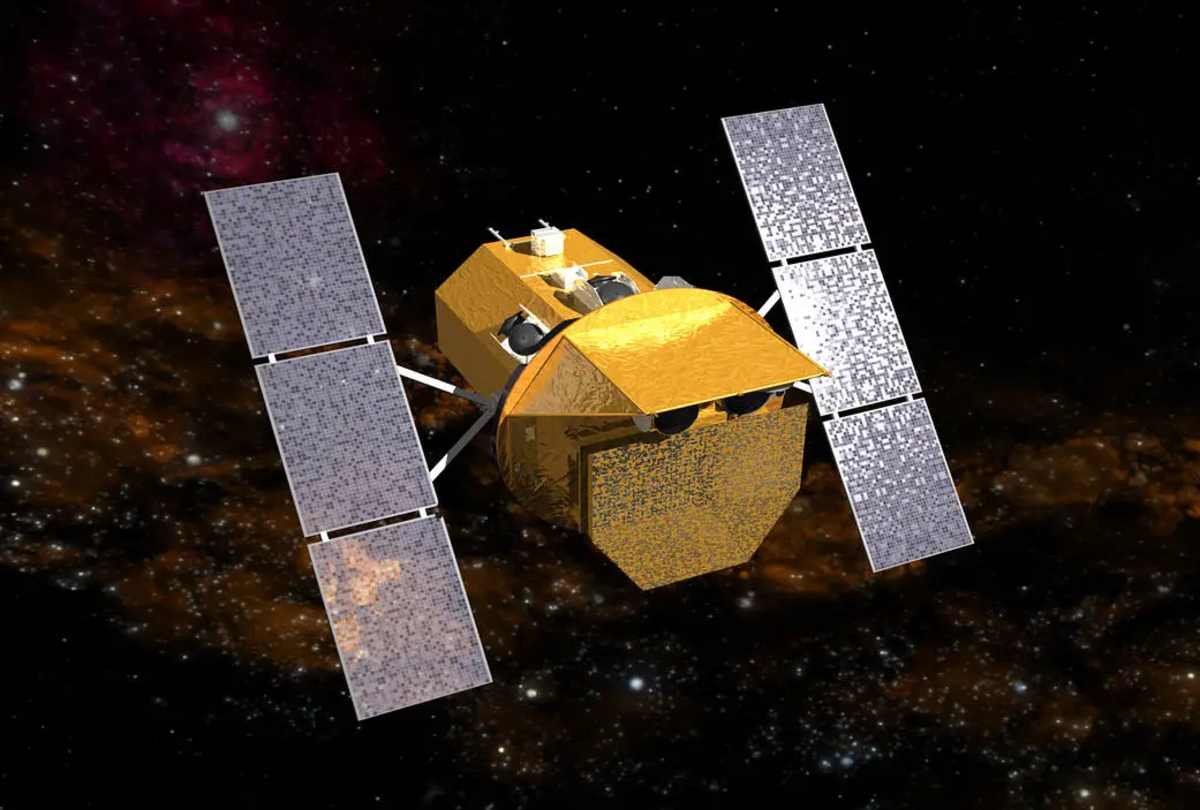
All spacecraft in low-Earth orbit experience drag from our planet's atmosphere, which lowers their altitude unless they have propulsion systems that can counteract the effect. Swift had been facing this drag too. However, recent solar activity heightened the effect, causing the spacecraft to lose altitude faster than expected. While acknowledging that it is normal for orbiting spacecraft to de-orbit after a while, Dr. Shawn Domagal-Goldman, director of astrophysics at NASA's headquarters in Washington, D.C., said, "This was not just any spacecraft. This is an observatory with unique capabilities for astrophysics." The principal investigator for Swift, Brad Cenko, also called it "NASA's first responder," referring to the observatory's ability to quickly pivot across the night sky to detect short-lived, high-energy events like gamma-ray bursts.
The mission had been awarded to Katalyst Space only last year. "We’re doing this on a time scale that’s kind of crazy by space standards; it’s a different risk posture than NASA is used to working with," said Cenko, who is also a research astrophysicist at NASA’s Goddard Space Flight Center. CEO of Katalyst Space, Ghonhee Lee, spoke glowingly of the rapid development of LINK as well. "What the Katalyst team has accomplished in just eight months is extraordinary," he said in a statement. "The team designed, built, tested, and integrated a robotic spacecraft capable of performing one of the most ambitious commercial servicing missions ever attempted. Completing encapsulation marks the transition from development to operations."
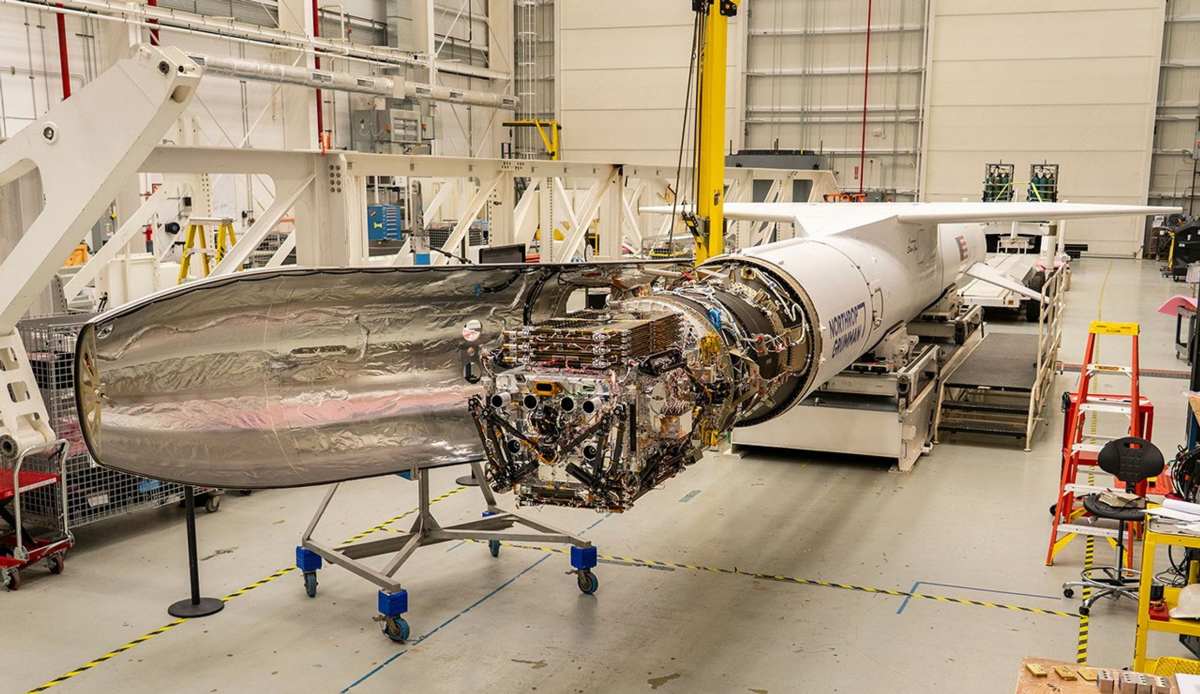
When LINK arrives in Swift's orbit, it will carry out a number of proximity operations before boosting it to a higher altitude over several months, which will extend the observatory's life. If everything goes according to plan, a spacecraft that wasn't built for servicing will have been rescued for the first time in the history of spaceflight.
More on Starlust
Longest gamma-ray burst ever detected blazed for over seven hours — and astronomers are baffled