NASA’s Swift observatory is about to fall from orbit—but a startup might save it in time
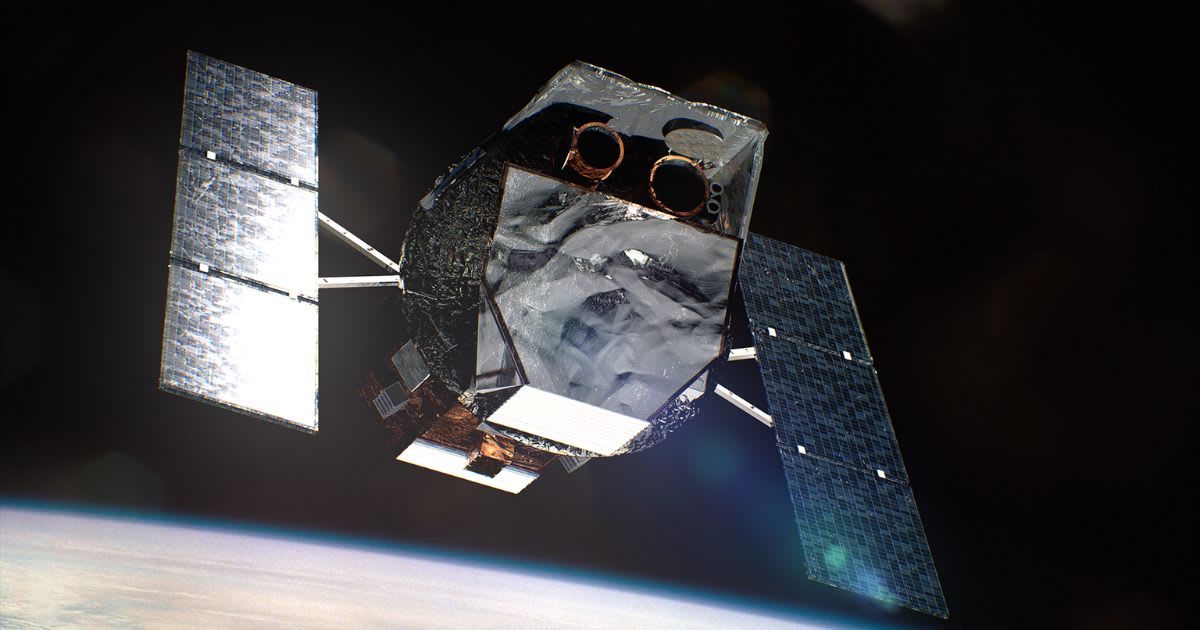
The Neil Gehrels Swift Observatory, one of NASA’s oldest space telescopes, is about to meet its end, but an ambitious plan from a startup might just save it in time. Last September, NASA gave a private company named Katalyst Space Technologies a $30 million contract to mount a robotic mission to rescue the spacecraft. The rapid-response attempt must save Swift before it fully loses altitude and reenters Earth’s atmosphere in a few months' time—as early as late summer or fall.
How do our telescopes get their names?
— NASA Universe (@NASAUniverse) March 5, 2026
Our Neil Gehrels Swift Observatory was named for its quick reflexes, which enable it to rapidly respond to cosmic events, and for a scientist pivotal to its existence.
Learn more about Swift in this video! #LearnWhatYourNameMeansDay pic.twitter.com/qrlnauUD6R
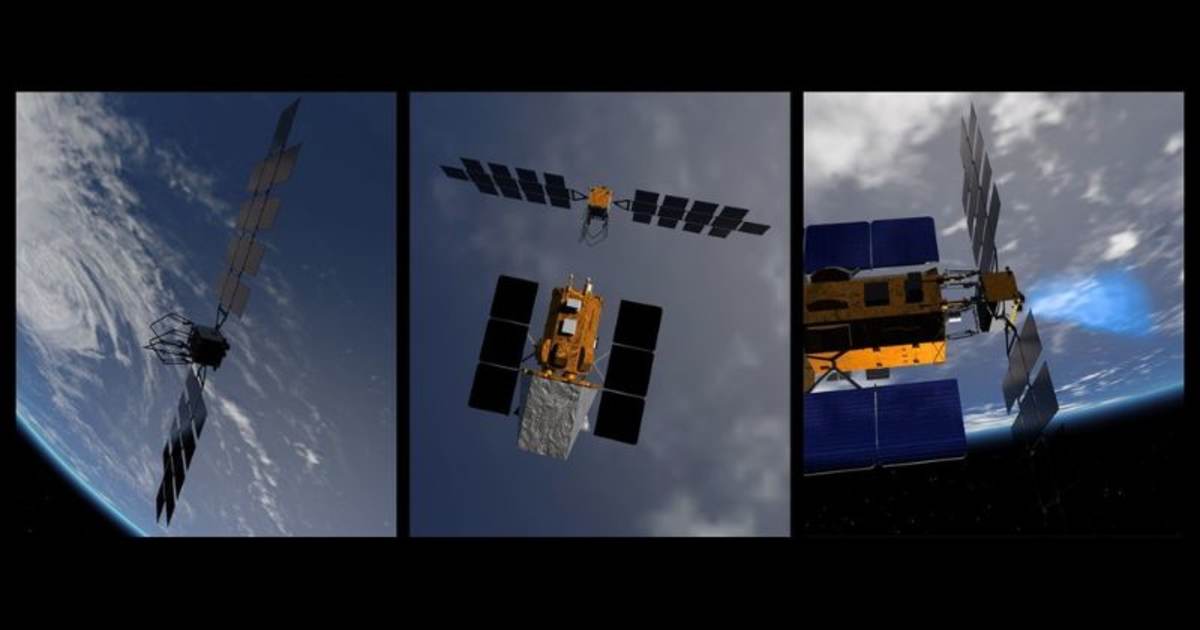
When Swift was launched in 2004, it was never intended to be captured or reboosted in orbit. This is where Katalyst’s Link comes in, as the spacecraft’s robotic arms with grippers will grab onto the satellite in order to service it. It will first attempt to rendezvous and dock with Swift and, if successful, raise its altitude to extend the satellite’s mission and, in turn, its lifetime. Katalyst has chosen the air-launched Pegasus XL rocket to launch Link. But the team has limited time in hand to pull off this already ambitious low-earth orbit mission.
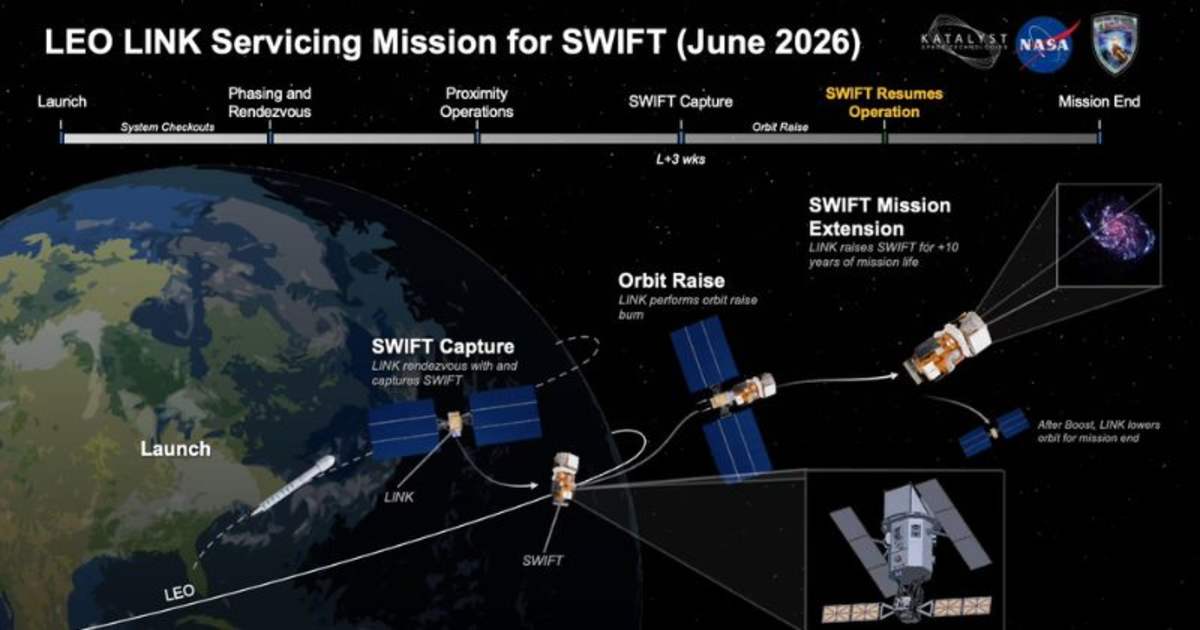
Katalyst plans to launch Link by June 1, and there’s no room for delays. By late summer, the Swift Observatory is projected to drop below 200 miles (320 km)—an altitude that Katalyst does not consider safe for docking. Moreover, the team had a tight window of just nine months for the entire mission. “No kidding, if we don’t launch in June, there’s real danger that this mission doesn’t come together,” said Ghonhee Lee, founder and CEO of Katalyst, speaking to Ars Technica. “It’s better to put together a functional spacecraft that has a realistic shot pulling off the mission than delaying by two or three months to ensure another 1, 2, 3, 4 percent of reliability.”
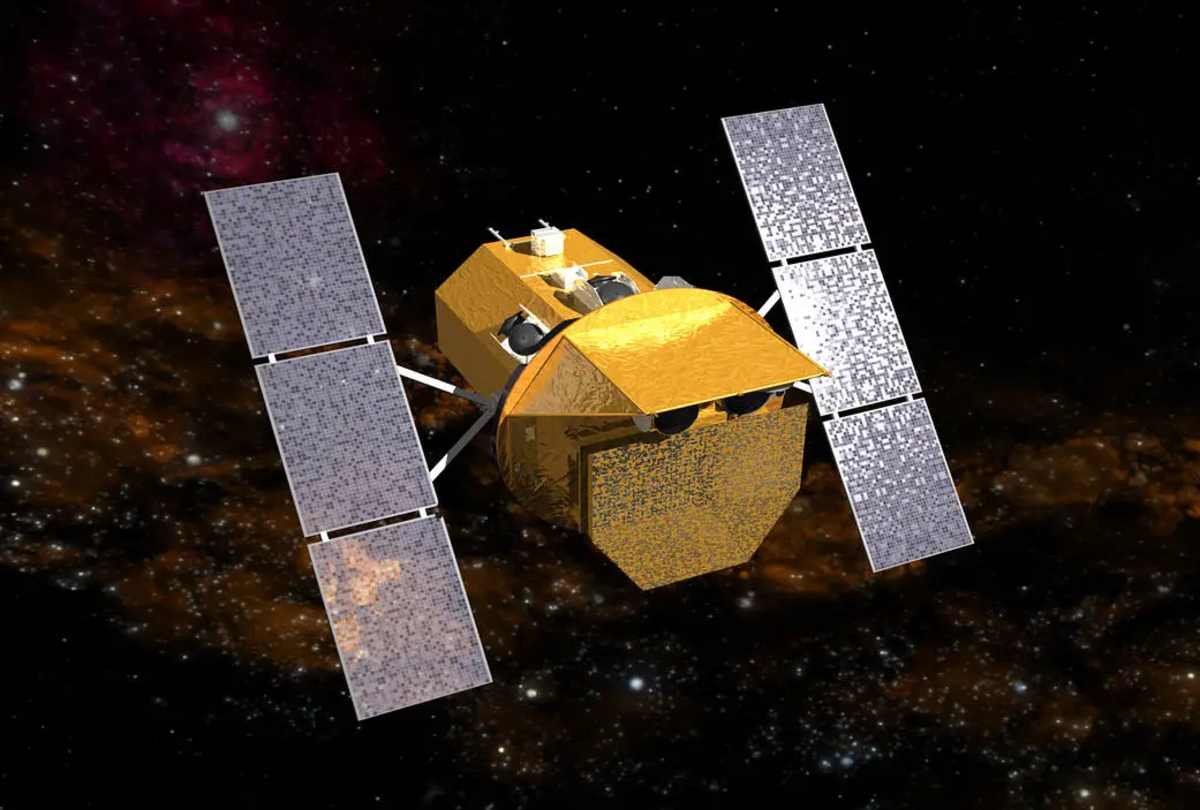
Beyond just being a legacy astronomy mission, the Swift Observatory had been a critical tool for scientists before it went out of action in February. While it’s no flagship telescope like Hubble or JWST, Swift has been crucial for studying the most powerful explosions in the universe—gamma-ray bursts. Swift, living up to its name, can quickly turn to point toward gamma-ray sources before their disappearance. Furthermore, having spent roughly over $500 million (adjusted for inflation) to build, launch, and operate Swift, NASA’s $30 million contract to Katalyst for this rescue mission seems fairly reasonable, to say the least.
This mission to save Swift can set an industry precedent for how commercial spacecraft can fix and service satellites in space and extend their lifetimes. So far, only Northrop Grumman has completed a successful commercial servicing mission with a satellite that was not originally designed to receive visitors. In 2024, NASA canceled its multibillion-dollar OSAM-1 satellite servicing mission after repeated delays and rising costs. Katalyst’s Link could potentially create history in this regard by becoming the first mission to rescue a satellite on the verge of reentering the atmosphere.
More on Starlust
ESA confirms solar eclipse-generating Proba-3 satellite is 'alive' after a month of silence
NASA's Hubble revisits Crab Nebula to capture its expansion 25 years after first observation