End of an era: NASA’s Swift telescope burns up in Earth's atmosphere after 22 years in orbit
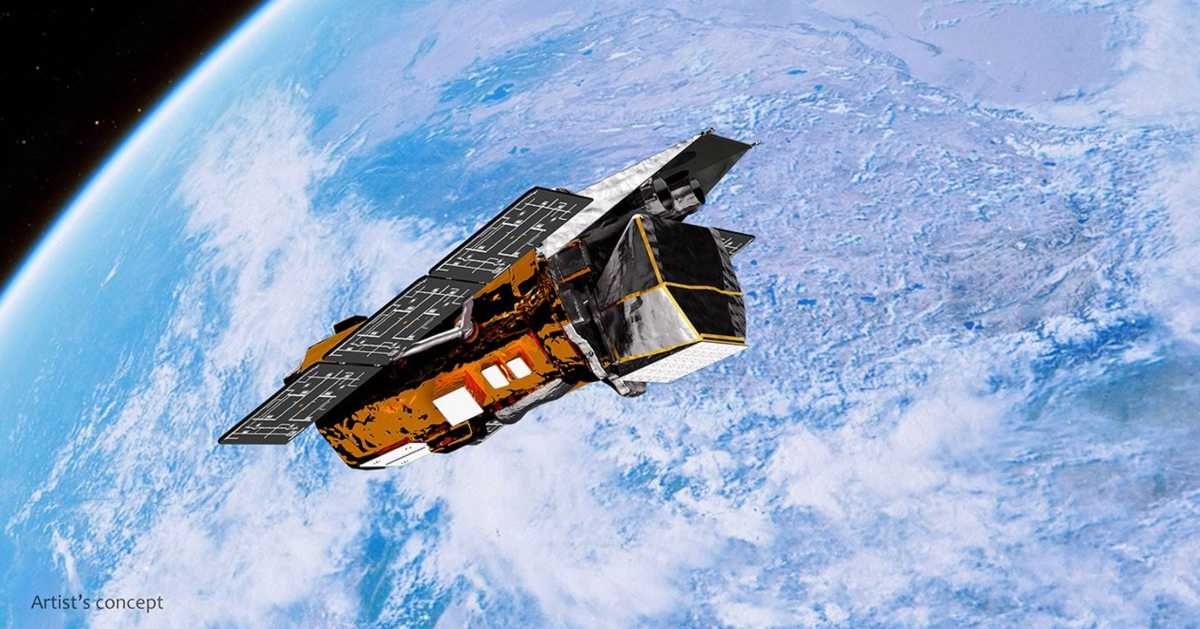
The Neil Gehrels Swift Observatory on Wednesday plunged into the atmosphere, with most of the spacecraft likely burning up as expected. News of the nearly 22-year-old spacecraft's demise had been forthcoming ever since the Swift Boost mission that was meant to raise its decaying orbit failed in August this year. According to the U.S. Space Force, the observatory reentered Earth’s atmosphere at 7:39 a.m. EST over the North Sumatra region of Indonesia.
Space-Track has confirmed that Swift has reentered Earth's atmosphere on November 4, 12:39 UTC ± 1 min and has been registered as decayed. See more details here: https://t.co/pRkdzNQUSj https://t.co/UXeSaVwdwo
— The Aerospace Corporation (@AerospaceCorp) November 4, 2026
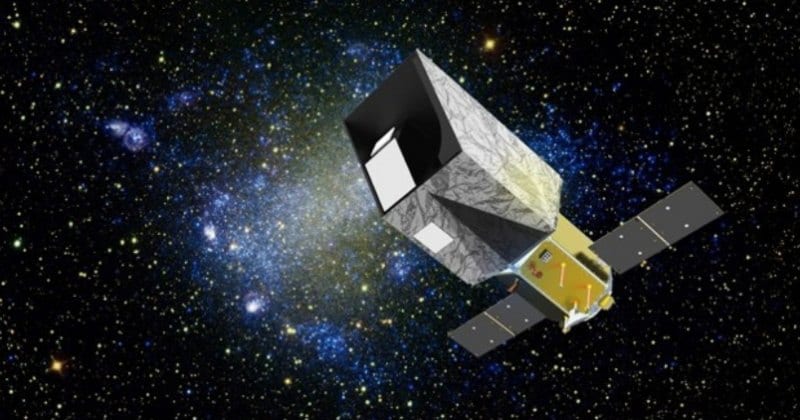
When Swift was launched in 2004, it was a first-of-its-kind observatory with the capability to capture events like gamma-ray bursts (GRBs). These are the universe's most powerful events and typically last only a matter of seconds to minutes. Swift was able to pivot quickly to capture photons emanating from GRBs, while also using its multi-wavelength vision to capture their afterglows. The legacy it left behind includes the observation of over 2,000 GRBs, while the data it gathered contributed to over 7,000 research papers, as per NASA. With Swift now gone, what was once described by NASA astronomers as their 'first responder' to transient events could soon be replaced by the agency with the UVEX mission—a dedicated ultraviolet space telescope slated for launch in 2031 that will also be able to turn quickly in space.
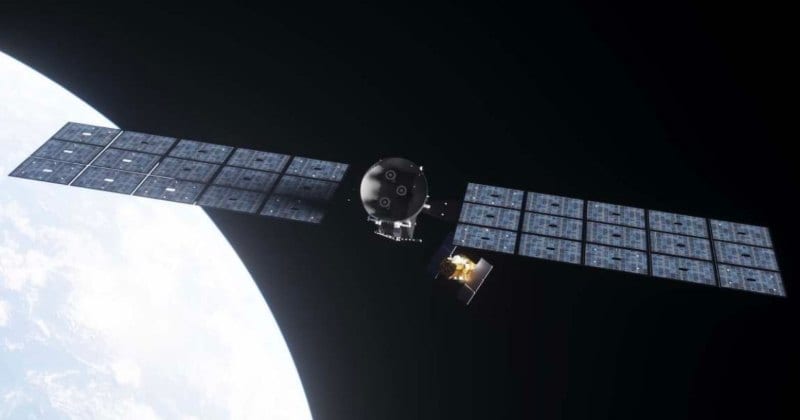
Once NASA learned about the impending reentry of Swift, it awarded the Arizona-based company Katalyst Space the Swift Boost mission to rescue it. In response to the $30 million contract award, the company created the LINK robotic servicing spacecraft in record time to reach Swift, grab it, and boost its orbit. However, issues with two of LINK's flywheels on its way to the observatory sent it into a spiral, forcing mission controllers to abandon hopes of saving Swift. Later, NASA announced it had taken its last images on October 20 after its altitude fell below a critical threshold of 171 miles. Dipping below this height would have made it too unstable to lock onto targets. Its orbital decay was caused in the first place by increased solar activity, which expanded the Earth's atmosphere.
The geographic coordinates of Swift's reentry were approximately 3.4 degrees north latitude and 98.6 degrees east longitude. According to a statement by NASA, most of the components are estimated to have burned up through descent, although a few fragments may have made it to the surface. These could be part of the spacecraft's main body, which may have been built out of metals like titanium or alloys such as steel. Dean Sladen, who works as a Quality Manager and Aerospace Engineer at the U.K.-based components supplier Accu Components, told Starlust.org how the angle at which Swift reentered would have determined how much of the 3,200-pound spacecraft survived through the fiery reentry.
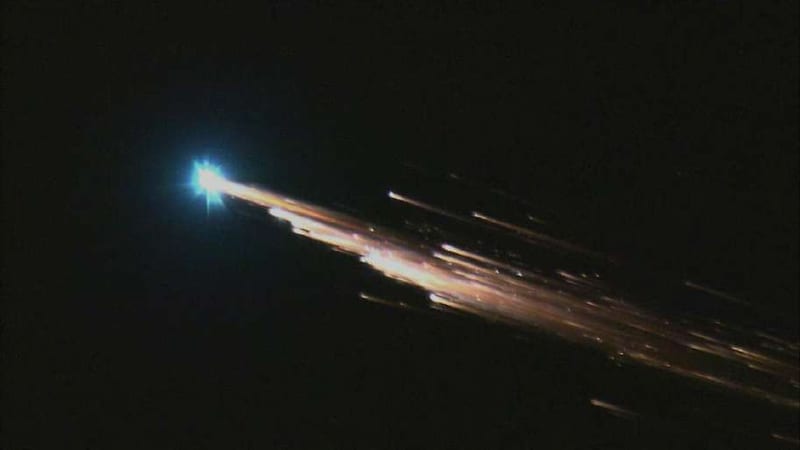
"The reentry of something like the Swift observatory always brings a lot of attention to topics like space debris and on-orbit operations," stated Marlon Serge, Executive Director of CORDS (Center for Orbital and Reentry Debris Studies) at Aerospace. Each year, hundreds of satellites end their operational lives by burning up in the atmosphere. While this may seem alarming, the risk of being struck by them for people on Earth—as with Swift—is minuscule. In reality, objects that remain in orbit pose a different set of problems. These can include interference with astronomy observations and trigger the Kessler Syndrome, which is the possibility that space debris lingering in orbit can collide with others and result in a cascading effect that destroys active satellites.
More on Starlust
NASA selects SpaceX to launch StarBurst gamma-ray detector to study neutron star mergers
Which country is contributing to space debris the most? The numbers may surprise you