Rescue spacecraft LINK will de-orbit within 3 weeks after failing to execute NASA's Swift Boost mission
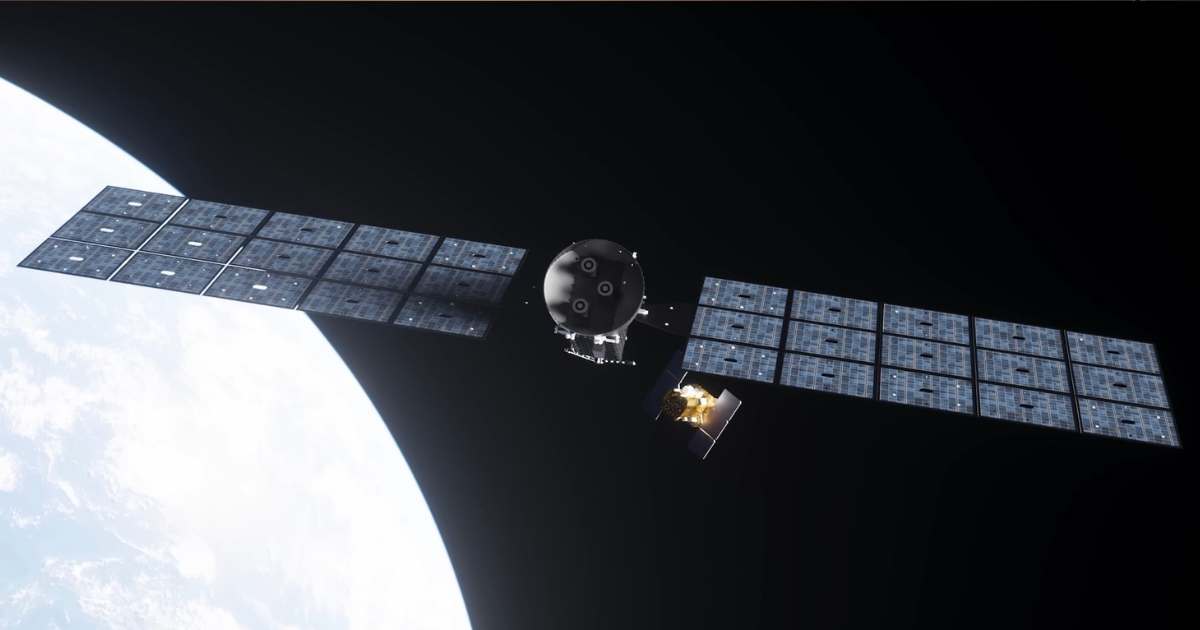
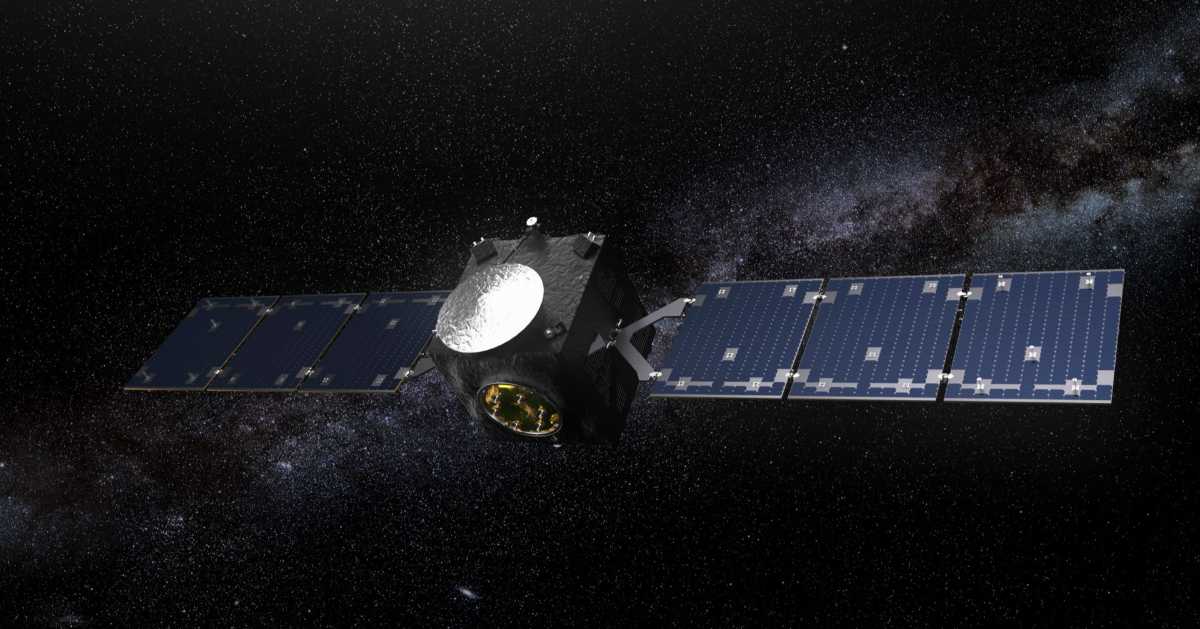
The LINK robotic spacecraft that was designed to rescue the Neil Gehrels Swift Observatory is estimated to re-enter the Earth's atmosphere in the next two to three weeks, Katalyst Space confirmed. The servicing spacecraft did not receive the 'go-ahead' to grab NASA's 21-year-old observatory due to problems of its own in orienting itself in space last month and has been executing a secondary mission ever since that has focused on proximity operations.
This week, Katalyst Space continued to demonstrate capabilities of its LINK robotic servicing satellite, adjusting its orbit to come within about 7.5-9 miles (12-15 kilometers) of our Swift observatory. LINK will not make any closer approach to Swift during its remaining… pic.twitter.com/e47GlwO8r6
— NASA Universe (@NASAUniverse) September 4, 2026
The proximity operations that are being conducted while LINK is still in orbit are gathering data that will inform future spacecraft servicing missions. LINK had started spinning on its way to the Swift observatory, and while Katalyst was able to reduce the spin rate, attitude control issues still persisted and ultimately led to the cancellation of its primary mission. At their closest, the two spacecraft came within 7.5 to 9 miles of each other in space. According to NASA, LINK will not come any closer in the time it has left in orbit and will continue to demonstrate its capabilities from afar.
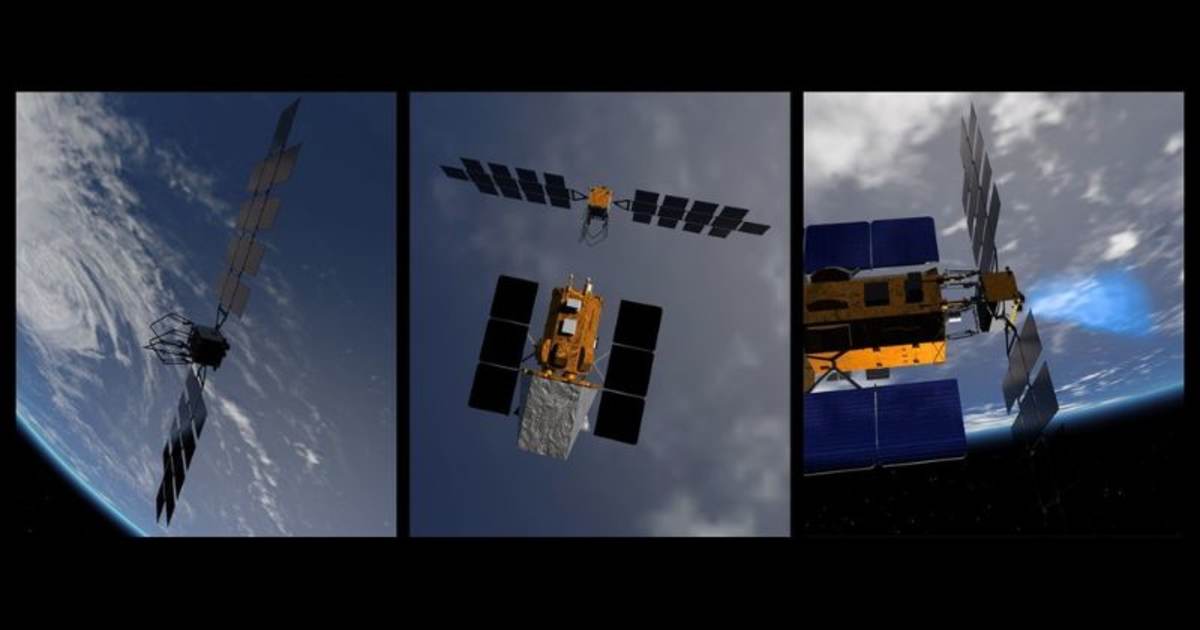
As a part of its ongoing activities, the servicing spacecraft's orbit was raised to match that of Swift. Katalyst also deployed three of its robotic arms and fired all three of its electric propulsion thrusters at the same time. While LINK is predicted to de-orbit in three weeks, Swift will continue along its orbit for at least another month or two before dipping below a critical threshold of 185 miles above Earth. Once under this altitude, Swift will be difficult to operate and will begin to descend faster, burning up in the atmosphere in the process.
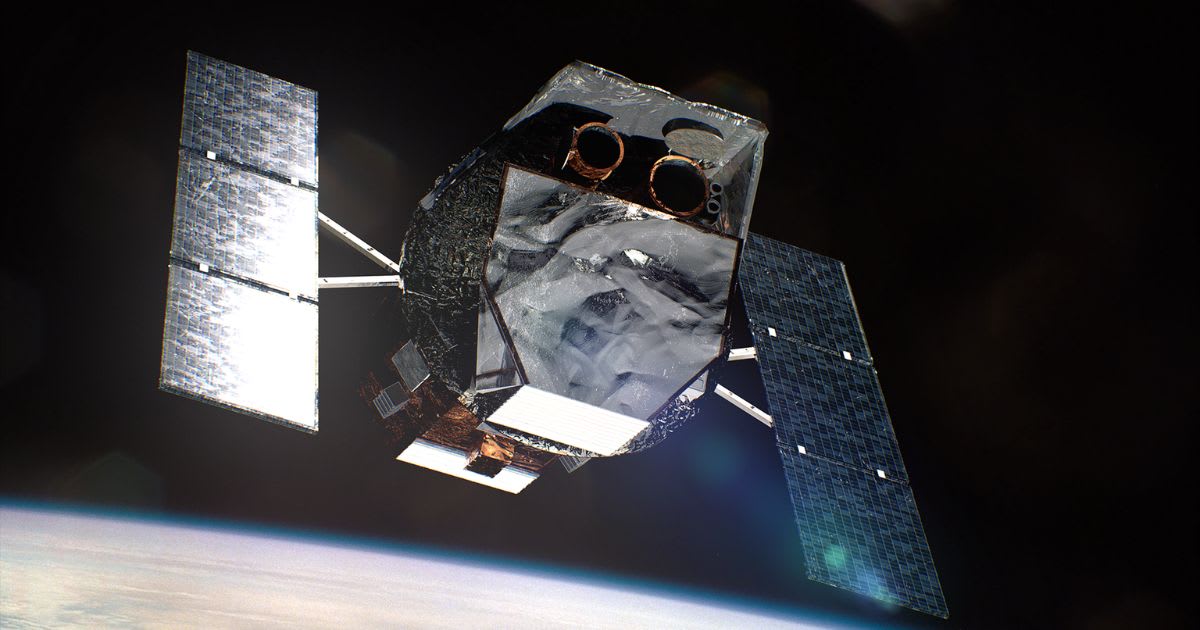
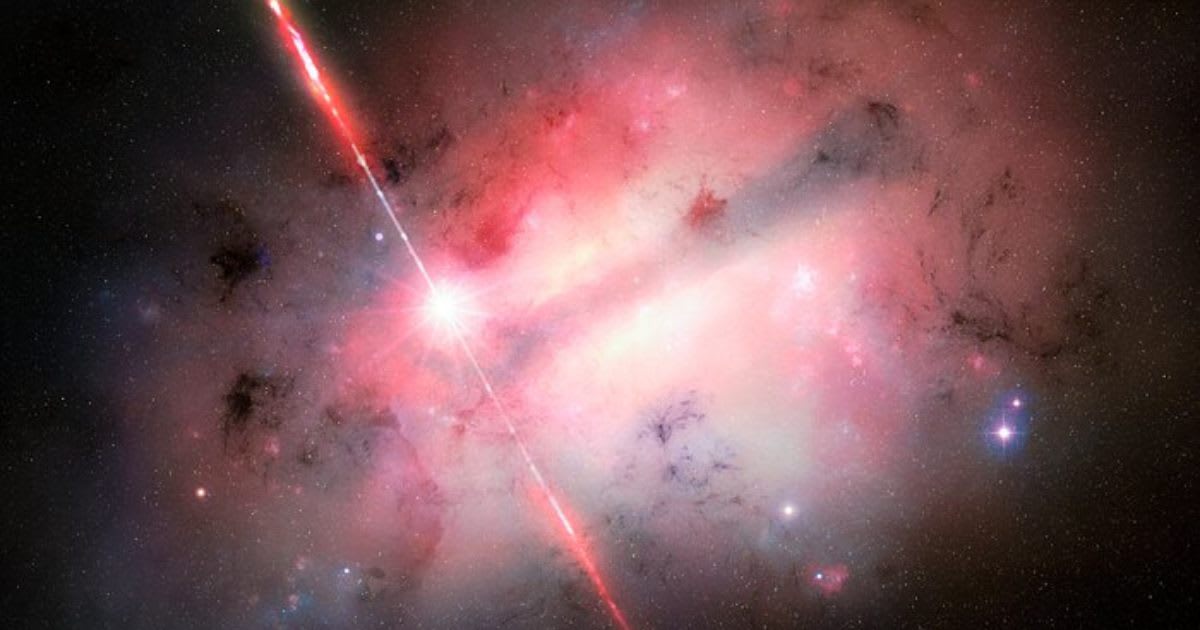
With what remaining time is left, two of Siwft's science instruments have already been turned on, with the third likely to be restored to its data collection configuration soon. Meanwhile, NASA is scrambling to come up with ways to replace what was offered by Swift from an astronomy point of view, which was the unique capability to quickly turn towards gamma-ray bursts and other transient cosmic events in deep space. Their plan is to put existing space telescopes and observatories to use until a new mission can be launched.
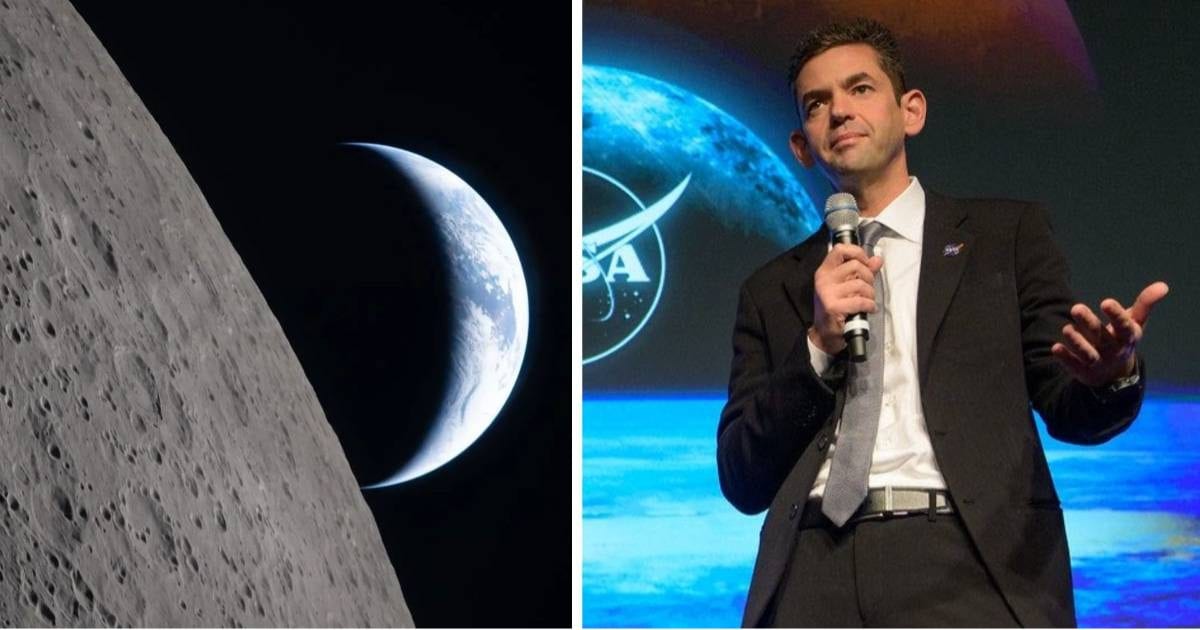
The Swift Boost mission cost NASA $30 million. However, Director of NASA's Astrophysics Division in Washington, Dr. Shawn Domagal-Goldman, was upbeat about the outcome of the Swift rescue attempt, acknowledging that it had always been a 'high-risk, high-reward' mission, which was contingent on timelines imposed by the Sun, of all things. “We were all hoping for more science from Swift. But we knew the takeaways from this mission would be worthwhile either way, and we have gained so much through the series of accomplishments up to this point," he stated. The spacecraft's integration and testing had gone quite smoothly, with Katalyst Space producing LINK and getting ready for launch in record time. However, the stages that followed were beset with problems.
More on Starlust
A gamma-ray burst raged on for seven hours. A researcher, who was behind its discovery, explains how