NASA’s Swift Boost mission: Katalyst Space's LINK spacecraft establishes contact with ground teams
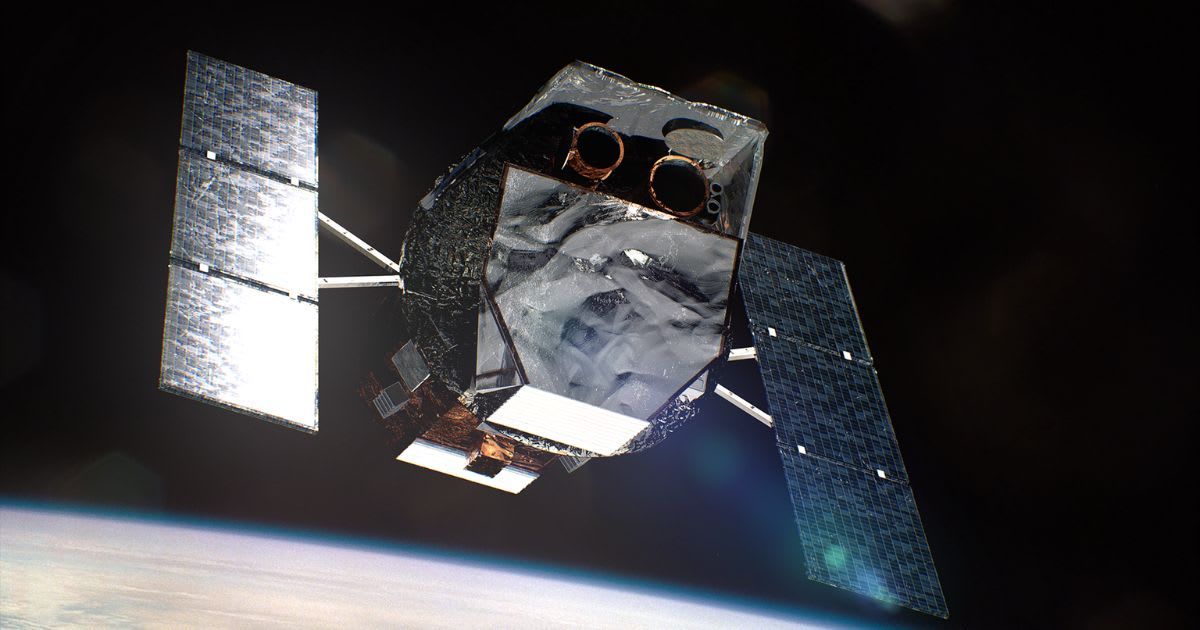
The robotic servicing spacecraft called LINK has successfully established communications with ground teams after launching on July 3, at 8:36 pm local time (4:36 am EDT), according to NASA. Built by Katalyst Space, the spacecraft is on a critical mission to raise the decaying orbit of NASA's Neil Gehrels Swift Observatory. The launch took place from Kwajalein Atoll, part of the Marshall Islands in the Southern Pacific Ocean, when Northrop Grumman's Pegasus XL rocket, carrying the spacecraft, was dropped by the company's modified L-1011 aircraft known as Stargazer from a height of about 40,000 feet before it turned on its engines.
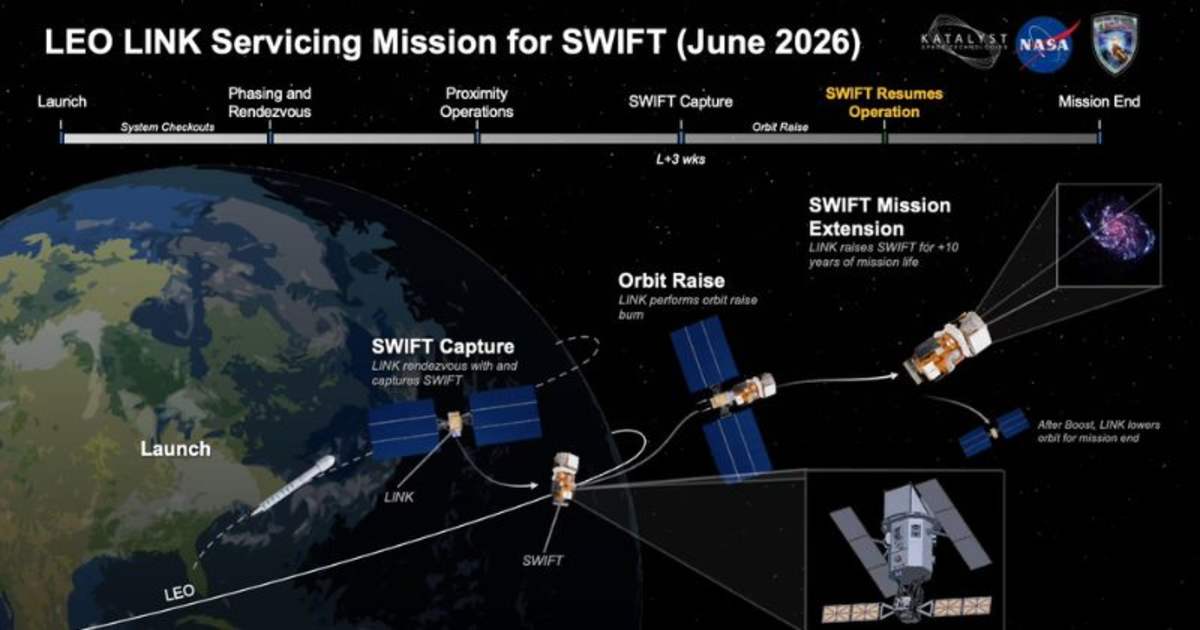
Establishment of communication lines with the ground marked the first post-launch in-orbit operation for LINK. With initial communications now secured, the next phase of the mission involves conducting all-encompassing checkout procedures over the coming weeks. These are supposed to thoroughly assess the spacecraft's onboard propulsion and sensors, as well as guidance and navigation systems, to ensure everything is in working order before any close-proximity maneuvers are attempted. Once these checks are complete, the approach, rendezvous, and capture process of the rescue mission could take up to a month.
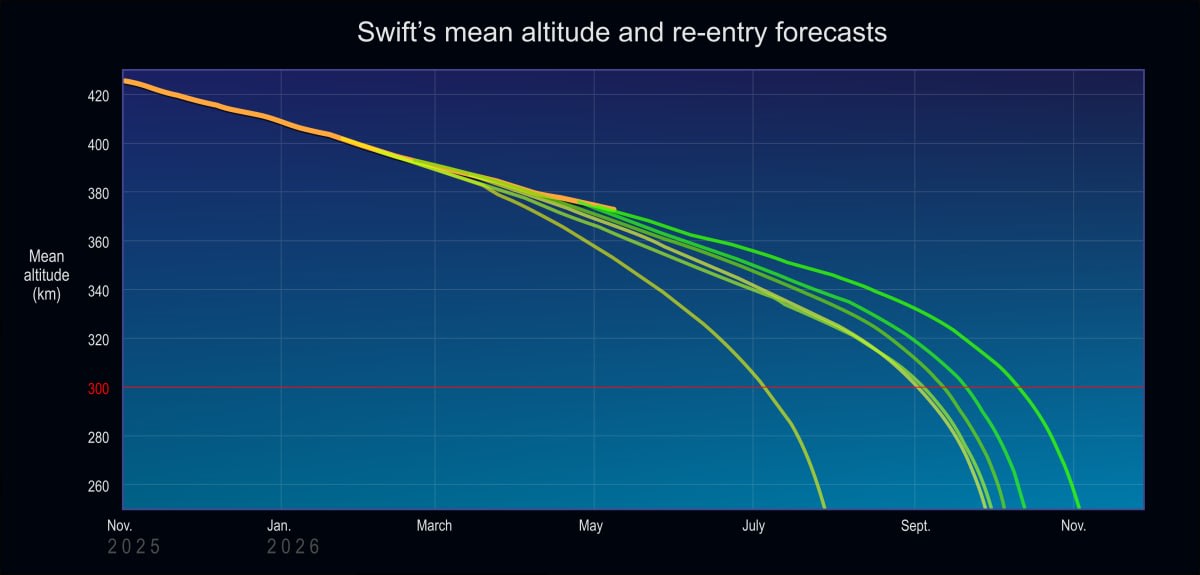
The urgent orbital intervention from LINK was determined to be the necessary course of action because of Swift's rapidly decaying orbit. Earth's atmosphere creates a drag on all low-Earth-orbit satellites, causing them to lose their altitude and eventually burn up in the atmosphere upon re-entry. The recent bout of increased solar activity, however, magnified this effect on Swift, causing its orbit to decay faster than expected.
Given Swift's unique capability to capture powerful but short-lived cosmic events like gamma-ray bursts, the imminent threat of the 21-year-old telescope sinking below the critical 185-mile (300-kilometer) threshold by this very month forced NASA to act fast. Had the spacecraft's altitude crossed the mark, the rescue mission would have become trickier than it already is. After all, Swift was never meant to be serviced. To give teams more time to get the Swift Boost mission ready, NASA's Goddard Space Flight Center came up with innovative operational tweaks that slowed down the spacecraft's orbital decay.
It was only in September last year that Katalyst Space was contracted by NASA to develop the robotic servicing spacecraft. So, the company had less than a year to develop and launch LINK, which is no mean feat. Now, the company is set to expand on its in-space servicing capabilities, having recently announced that it has raised $12 million to develop its NEXUS robotic spacecraft, which won't be limited to a single orbit or just one mission. On this development, Ghonhee Lee, CEO of Katalyst Space, commented, "The next shift is about what happens after launch. If we're going to build an enduring presence beyond Earth, we need the ability to manipulate the environment. Katalyst is building the robotic spacecraft that will make that possible."
More on Starlust
Rocket Lab makes history by launching US Space Force mission within 17 hours of getting notice
Scientists solve a decades-old mystery by finding the hidden source of solar flare gamma rays