Katalyst Space’s LINK spacecraft back on track to save NASA’s Swift after facing issues
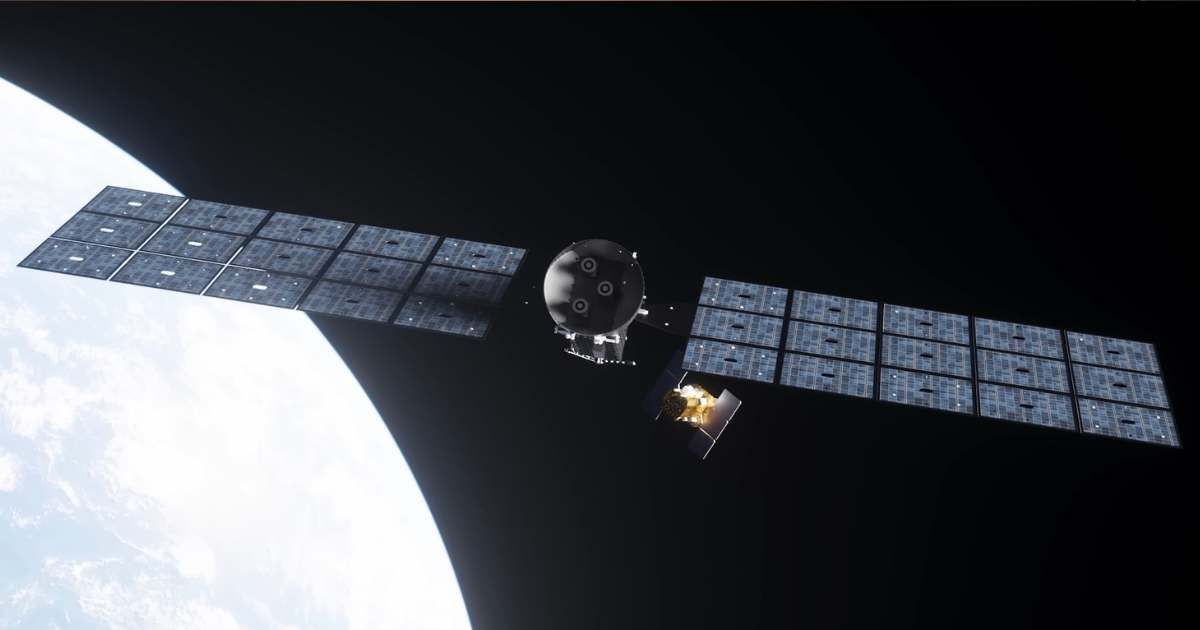
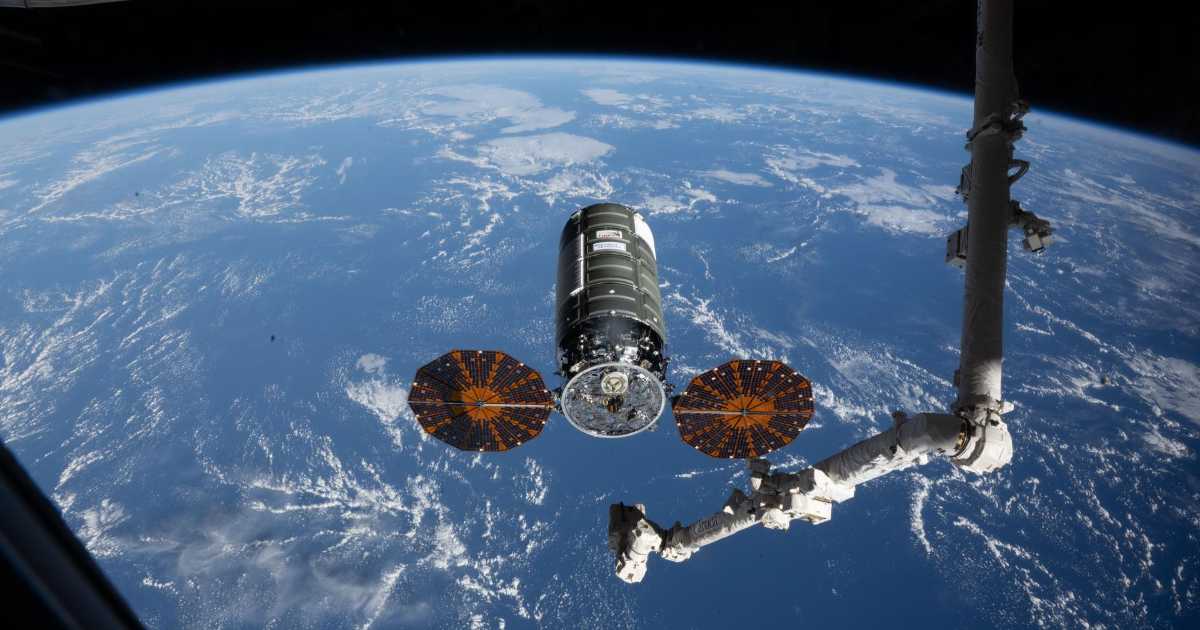
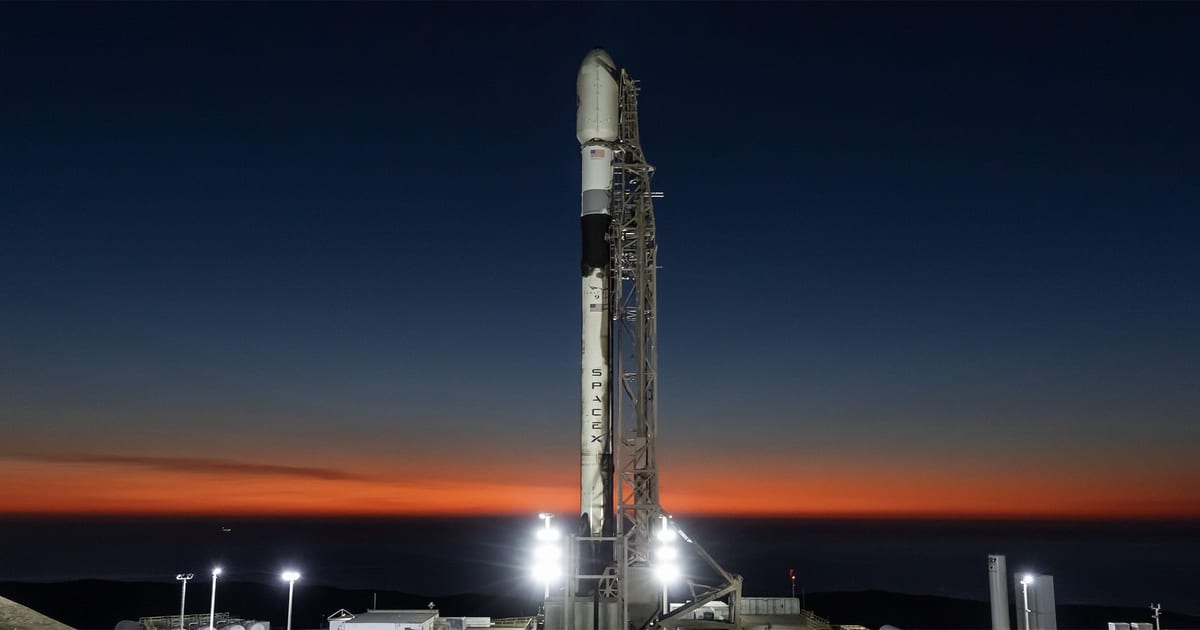
Katalyst Space's LINK spacecraft, which is supposed to raise the orbit of NASA's Neil Gehrels Swift Observatory to prevent it from premature re-entry, experienced some issues early on in the mission. The issues, however, now stand resolved, with NASA confirming that the robotic spacecraft is healthy and about halfway through its commissioning process.
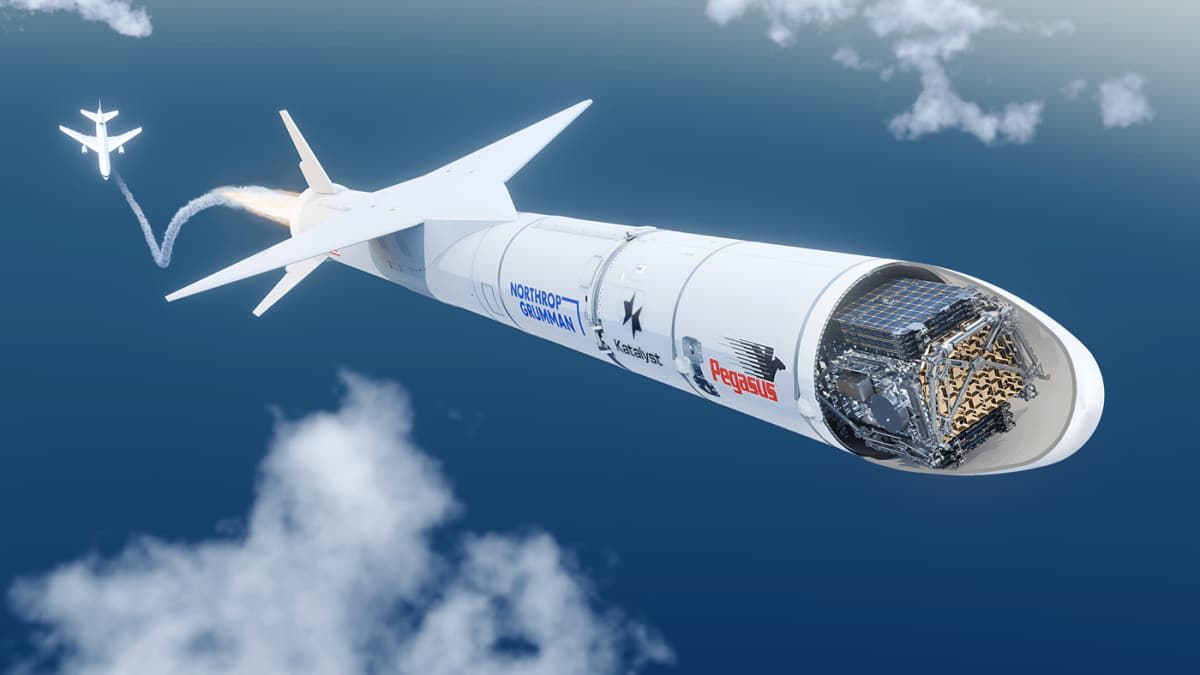
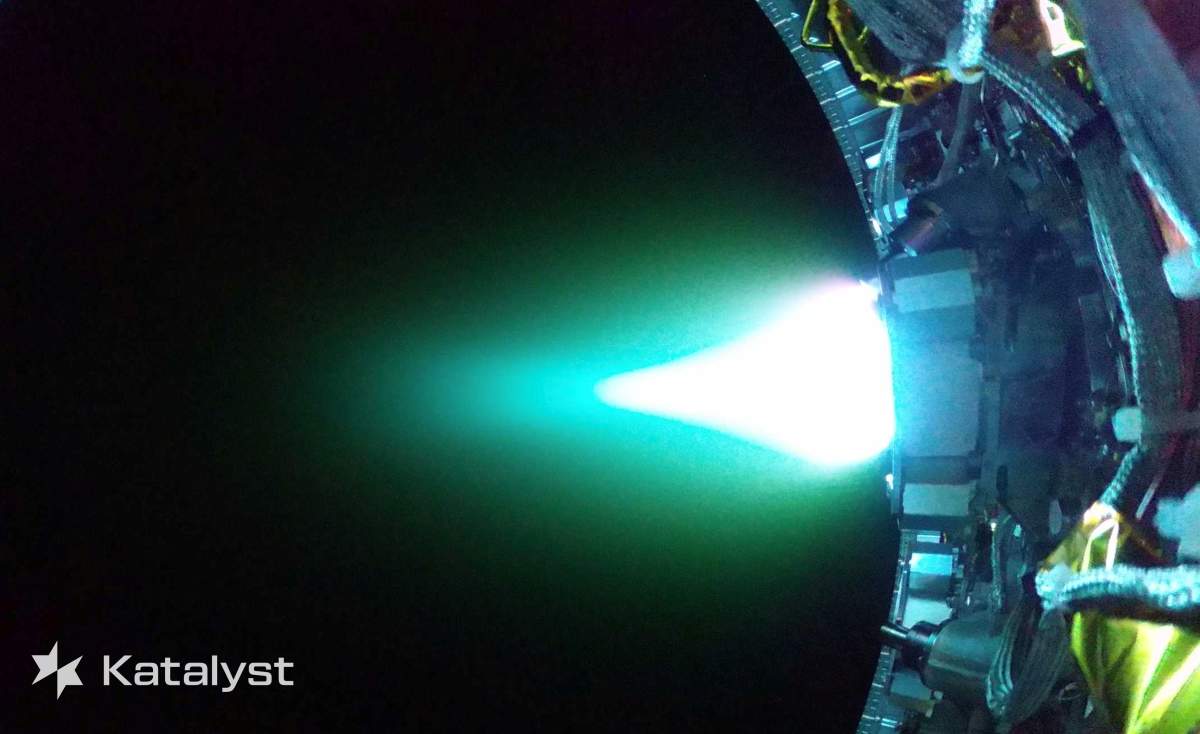
Commissioning began after Katalyst had established contact with the spacecraft in orbit on the same day as its launch (July 3). This phase involves checking out the various systems in the spacecraft and making any adjustments that might be necessary. Per NASA's latest update, the Katalyst team has commissioned LINK's power systems and avionics. Checkout of the service of LINK's propulsion system, which saw the spacecraft fire its xenon-fueled thrusters, has also been completed.
Commissioning is underway for LINK, the robotic spacecraft from Katalyst Space that will attempt to boost our Swift mission’s orbit. During this process the ground team turns on and tests the spacecraft’s systems to ensure it's all working in orbit. https://t.co/Fa1wuqc56H pic.twitter.com/SshguSRbse
— NASA Universe (@NASAUniverse) July 10, 2026
The on-orbit operations have had a few hiccups as well, with the servicing spacecraft experiencing altitude control issues, including a problem in one of its three reaction wheels. In fact, communication issues also emerged early on. The Katalyst team, however, reacted rapidly by implementing operational updates and software patches. Both issues are now fixed, with control of attitude stabilized and communications restored.
The team controlling the Swift Boost mission will continue to commission the remaining systems onboard LINK over the coming weeks. The aim will be to have enough time to pause and assess the data being gathered. After this, the robotic servicing spacecraft will begin its transit phase, which will see LINK rendezvous with Swift. As LINK approaches its target, it will transmit images to the ground to let teams know what its robotic arm can hold onto to capture the observatory.
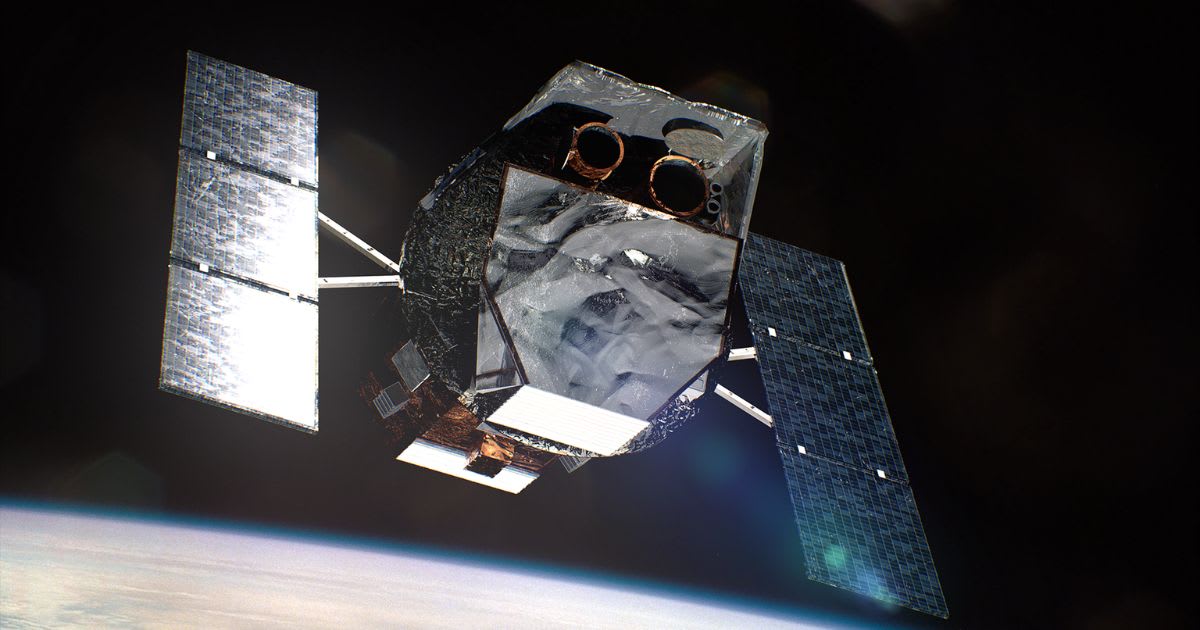
After the capture is executed, the thrusters onboard LINK will fire again to gradually raise the 21-year-old Swift observatory back to its original orbital height. This maneuver could take up to several months, after which NASA's teams will restart the observatory's full system and telescope operations in a process similar to what the spacecraft went through after its launch in 2004. Per science teams at NASA, it was important that the Neil Gehrels Swift Observatory be rescued due to its unique capability to quickly turn towards elusive but powerful cosmic events, especially the likes of gamma-ray bursts.
More on Starlust
X-ray images taken during the Fram2 mission could change how astronaut health is monitored in space
A gamma-ray burst raged on for seven hours. A researcher, who was behind its discovery, explains how