NASA's Swift Boost mission one step closer to launch as LINK spacecraft is joined with its rocket
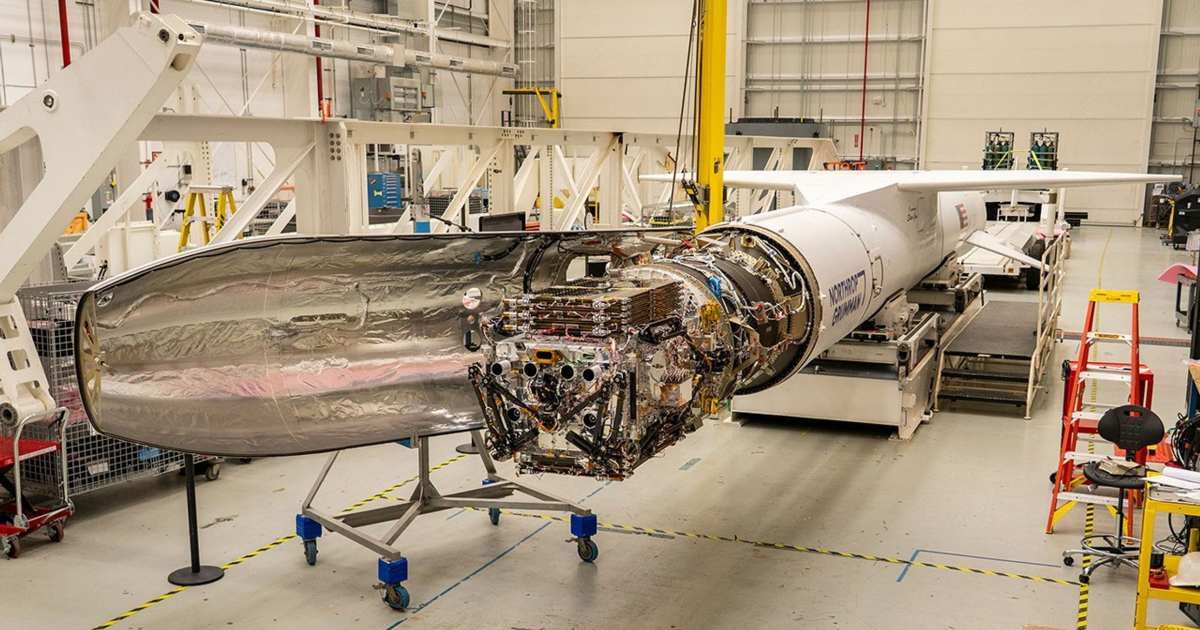
Engineers at NASA's Wallops Flight Facility in Virginia attached the LINK robotic satellite the Northrop Grumman Pegasus XL rocket on June 9, 2026, paving the way for the latter's launch into low Earth orbit in late-June to rescue NASA's Neil Gehrels Swift space telescope and prevent its projected, premature re-entry into Earth's atmosphere.
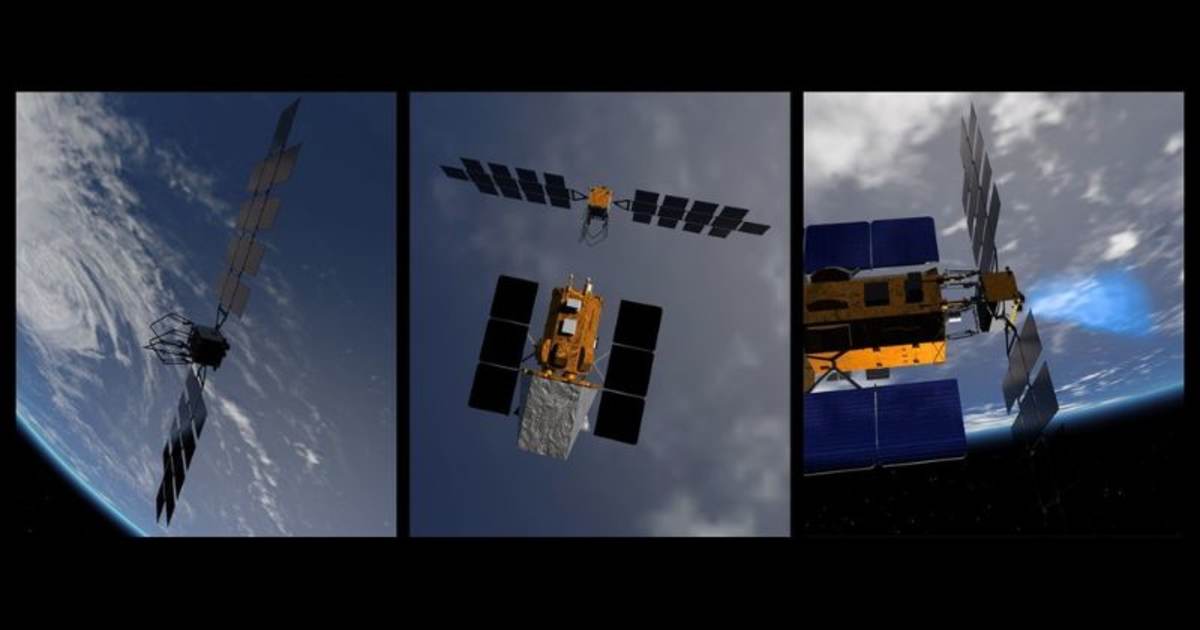
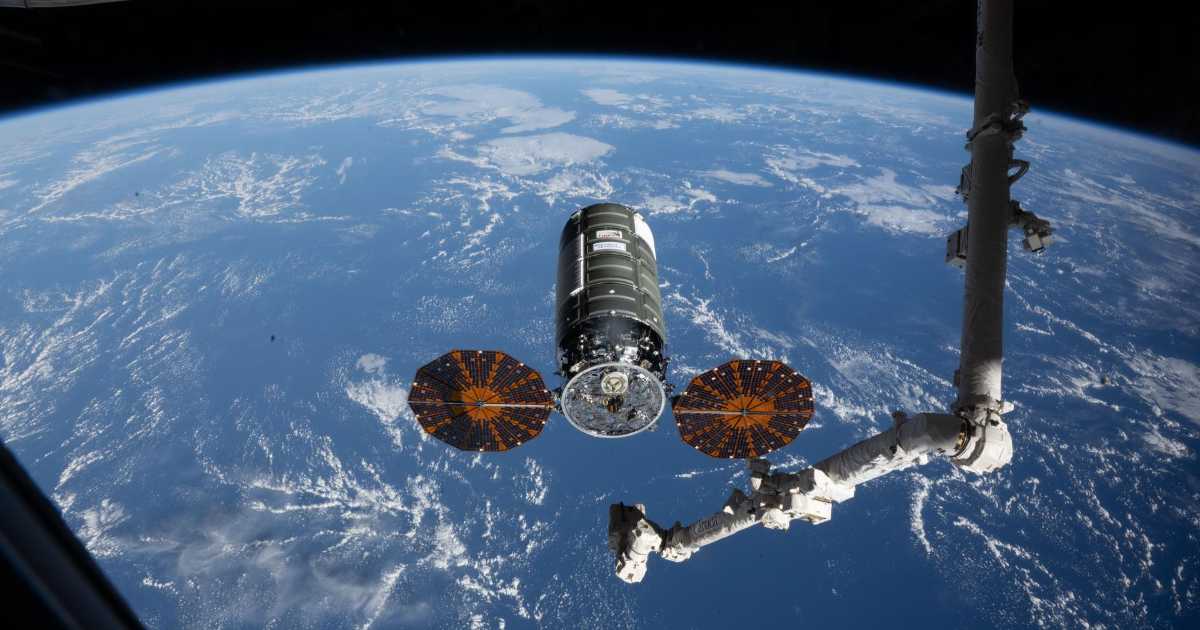
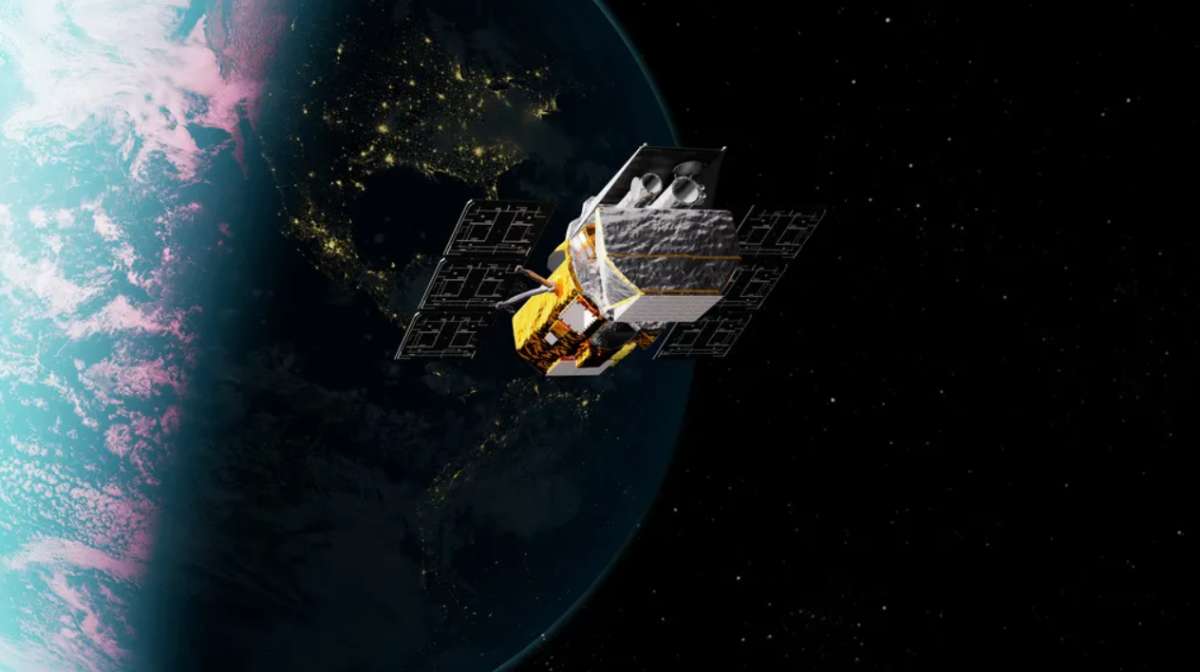
Since Swift does not have its own thrusters, LINK will capture it using its three robotic arms and reposition it in space with the aid of its onboard ion thrusters. If LINK succeeds in this Swift boost mission, it will be the first time a government satellite has been captured by a commercial robotic spacecraft—especially one that was never originally designed to be serviced in space. Katalyst Space Technologies of Flagstaff, Arizona, built the LINK satellite, completing the spacecraft's construction in just eight months. This timeline was much faster than traditional spacecraft development, which was a strict requirement for NASA when they awarded the mission to the company, given how quickly Swift was descending. Upon completion in April, LINK was shipped to NASA's Goddard Space Flight Center (GSFC) in Greenbelt, Maryland, for vibration and thermal vacuum testing, before being shipped back to the company's facilities in Broomfield, Colorado, last month for final preparations.
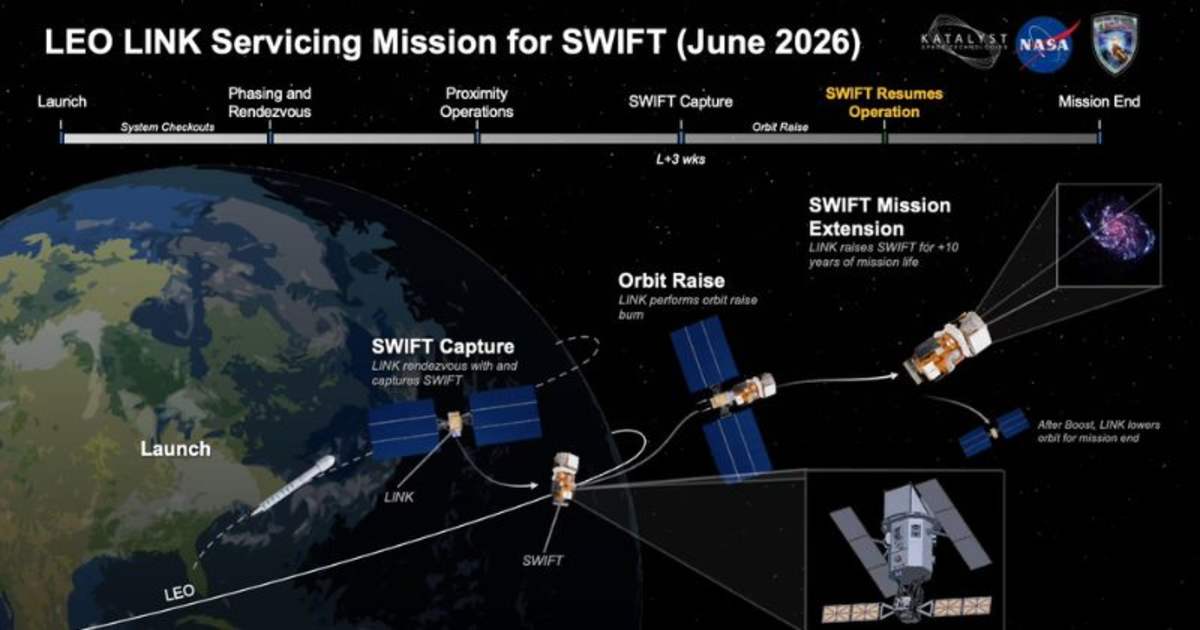
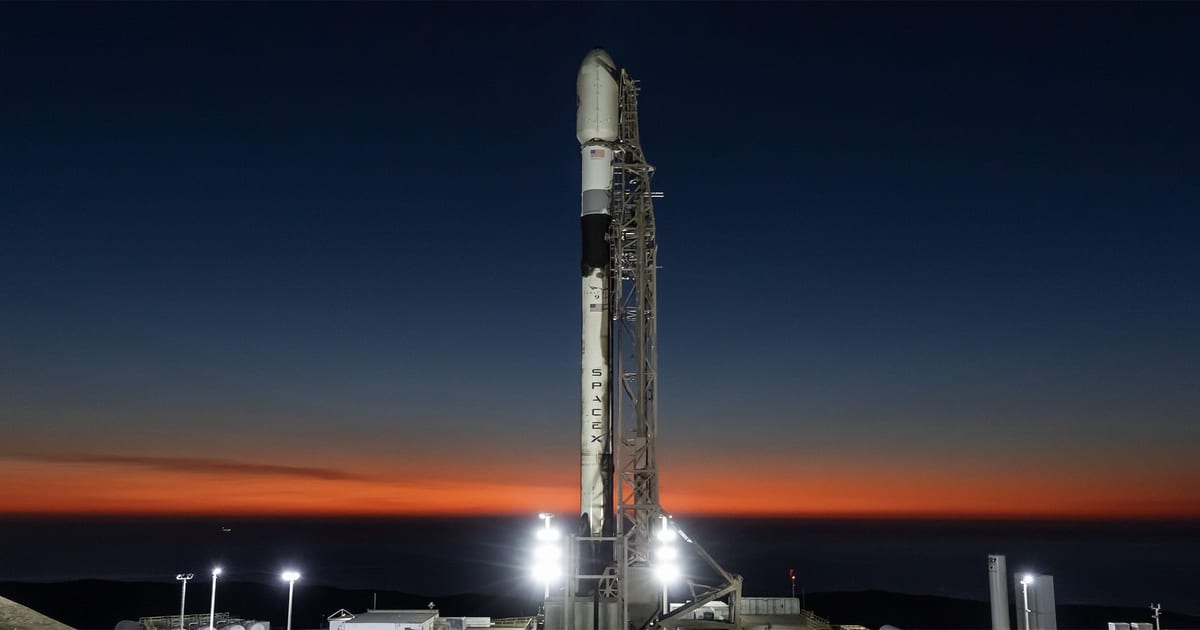
On June 5, 2026, the completed spacecraft arrived at Wallops to be prepared for launch. Here, engineers from Katalyst worked through some final tweaks before mating the satellite with the Pegasus XL. Northrop Grumman’s L-1011 Stargazer aircraft will carry the Pegasus XL, with LINK encapsulated within its fairing, to the Reagan Test Range located on Kwajalein Atoll in the Pacific Ocean. From the sky above the atoll, Stargazer will drop the rocket, igniting it in mid-air. Thanks to this launch method, LINK will be able to approach Swift without using a lot of fuel for trajectory adjustments. According to NASA, variations of this launch vehicle have been used previously to deploy the ICON (Ionospheric Connection Explorer) and NuSTAR (Nuclear Spectroscopic Telescope Array) spacecraft to orbit.
Swift's re-entry into Earth's atmosphere would have come even sooner had it not been for a clever operational adjustment made by the Space Science Mission Operations team at GSFC. The team adjusted the observatory's attitude in such a way that it encounters less atmospheric drag. Even in space, especially in low Earth orbit, all spacecraft—even the International Space Station (ISS)—are constantly hit with stray air molecules, which eats away at their altitude in a process called orbital decay. Such spacecraft must be raised by means of thrusters every so often to prevent losing too much altitude. Where earlier estimates had the spacecraft dipping below an altitude of 185 miles by early July, the aforementioned orientation adjustment has allowed teams from Katalyst Space and those at NASA's facilities additional time to make final preparations ahead of launch. This is vital because 185 miles (300 kilometers) is the "critical altitude"—if Swift sinks any lower than that, the atmospheric drag will be too strong for LINK's ion thrusters to successfully rescue it.
More on Starlust:
Moon landers for Artemis III: SpaceX, Blue Origin provide progress updates at NASA event
Could plants help produce medicines during missions to Mars and beyond? A new study says yes