Orionids meteor shower 2025 peaks tonight: New moon offers perfect viewing conditions

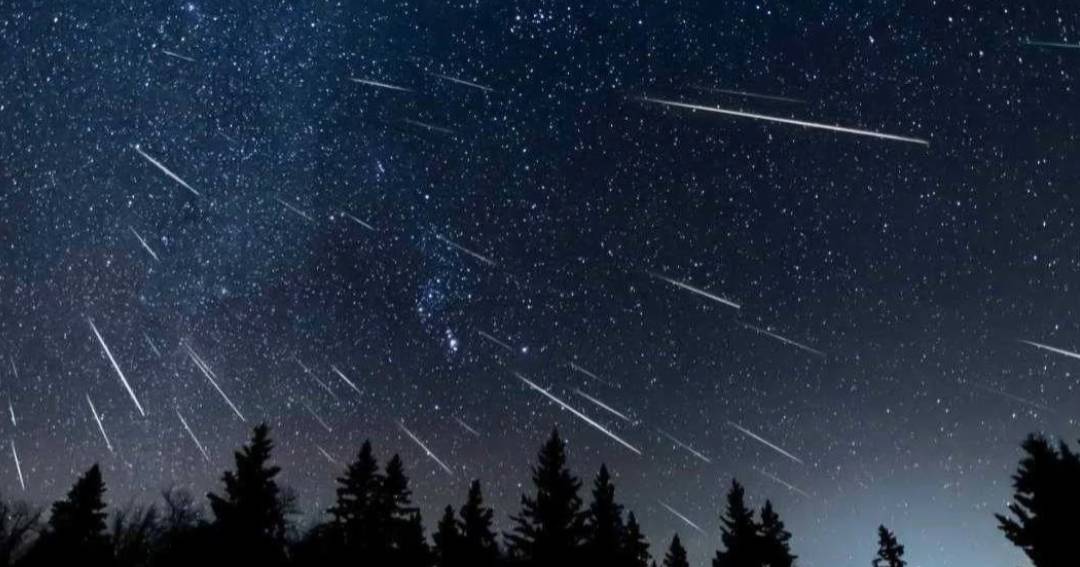
Earth is set to plunge through the remnants of Halley's Comet tonight, promising a spectacular display for astronomers and casual viewers alike. The annual Orionid meteor shower reaches its maximum intensity, offering the year’s most favorable viewing window for the event.
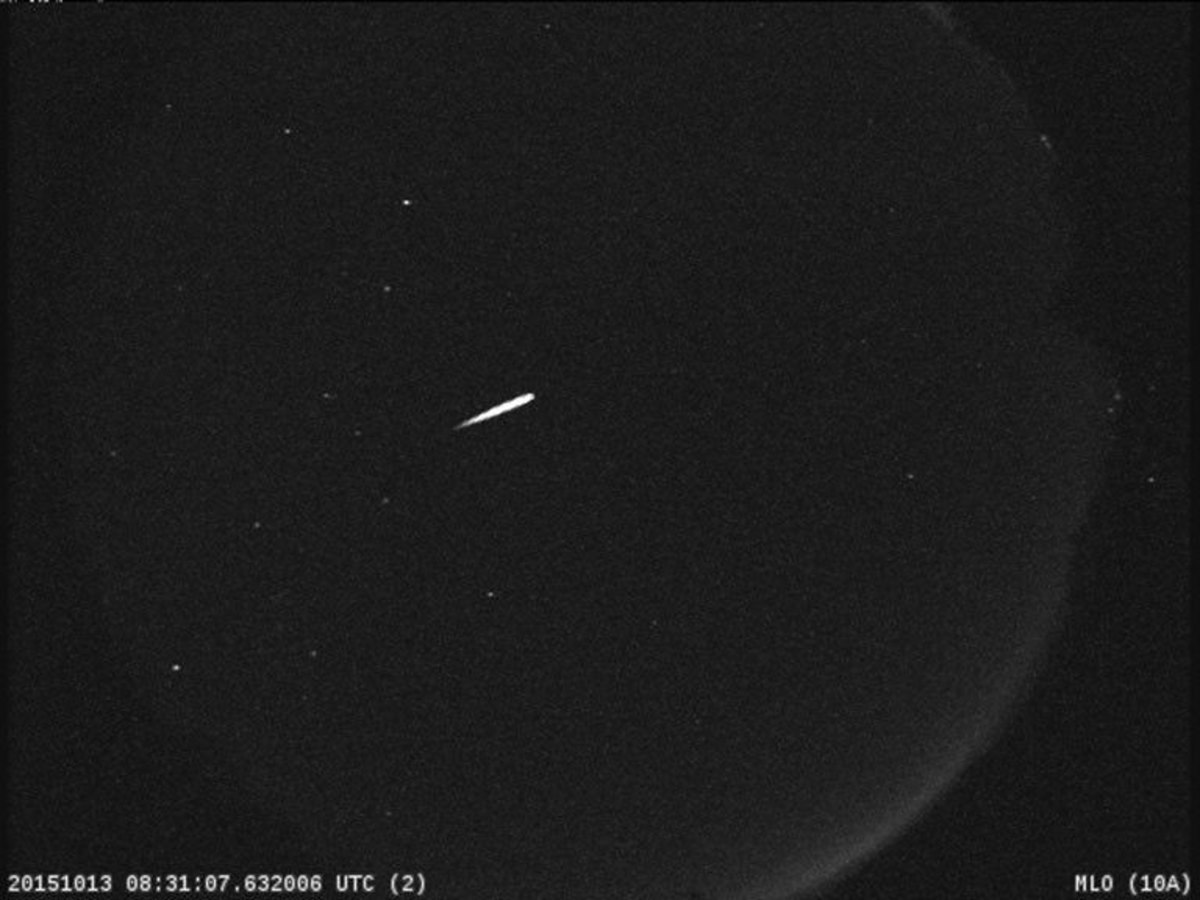
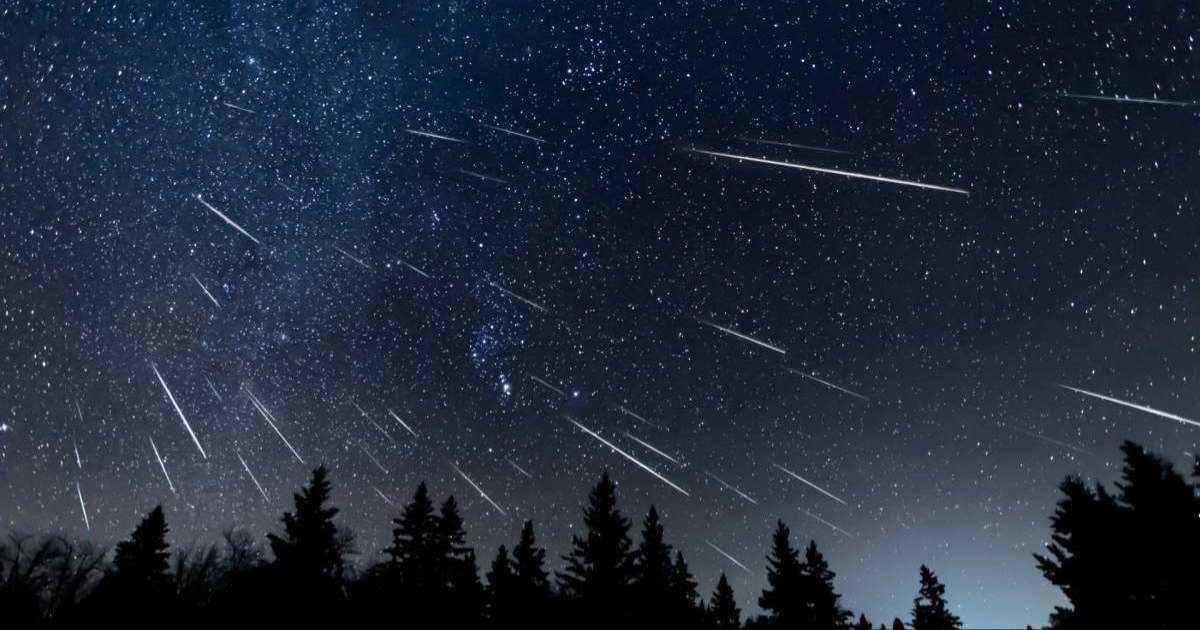
Crucially, the peak of the shower coincides precisely with the October new moon, as per CNN Science. This lack of lunar light contamination provides unusually dark skies, dramatically increasing the visibility of the swift-moving space debris. Experts anticipate observers may spot up to 20 meteors per hour, often producing dazzling "fireballs" that can leave persistent, glowing smoke trails. The celestial light show is the result of our planet intersecting the dusty orbital path left behind by the famed comet. As these millimeter-sized fragments strike the atmosphere, they ignite, appearing as streaks of light. While the shower is active for nearly two months, the night of October 21 offers the highest density of shooting stars.
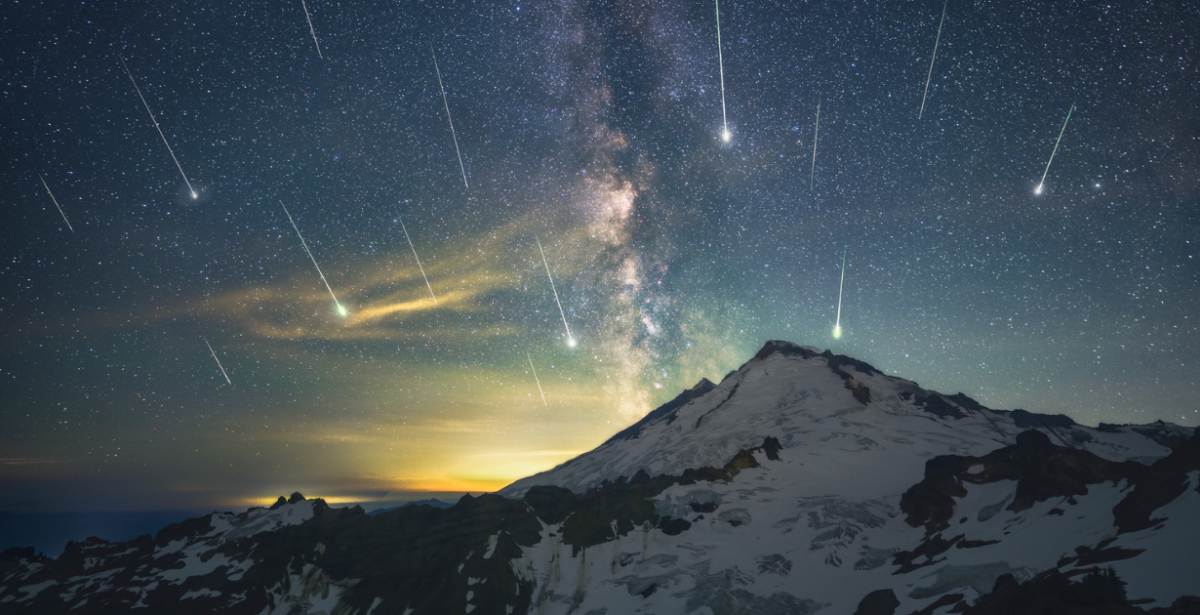
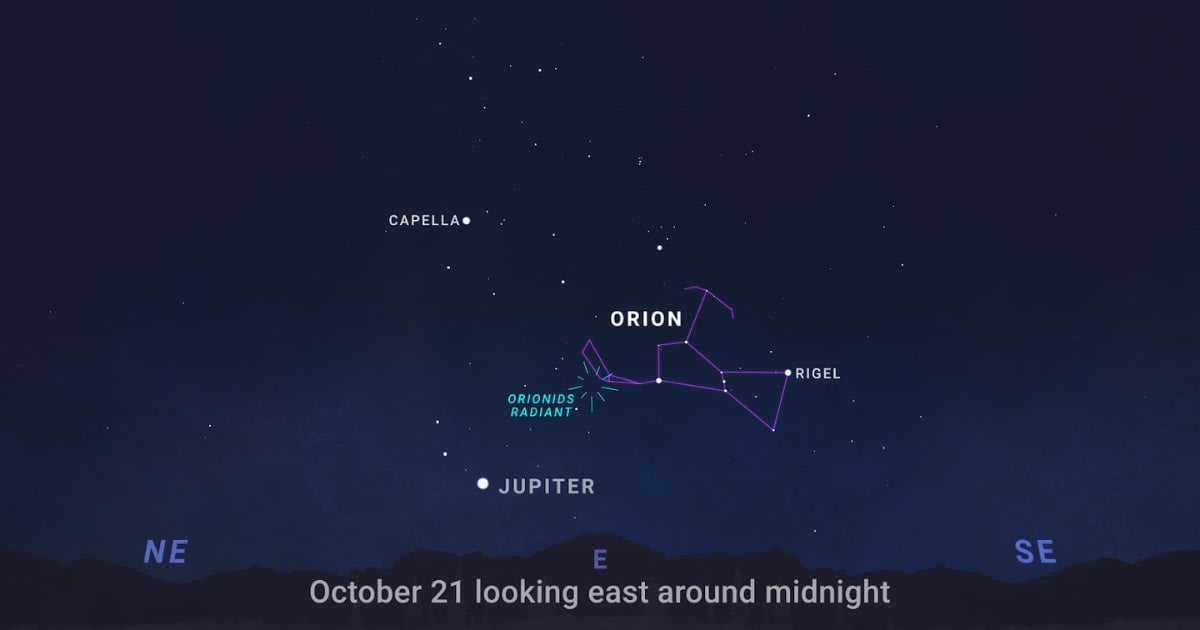
Viewers in the Northern Hemisphere should focus on the southeast sky, while those in the Southern Hemisphere should direct their gaze to the northeast. While the meteors appear to radiate from the Orion constellation, they can streak across any part of the sky. According to American Meteor Society, the best viewing hours are projected to be between 1:00 a.m. and dawn local time, after the source of the meteors has climbed high above the horizon. The display is not expected to be visible until after 10:00 p.m. local time. For a bonus, the Southern Taurids meteor shower is also currently active, meaning lucky stargazers might witness two distinct meteor events in the same night.
The spectacular streaks visible tonight are fragments from one of the most famous objects in our solar system: Halley's Comet. This colossal body, estimated to be up to 9 miles (15 kilometers) long, completes an orbit around the Sun approximately every 76 years. As it travels, the comet is a prolific shedder, constantly leaving behind a dense trail of dust, a stream of ancient debris that Earth intersects every October. While the comet's icy nucleus loses a significant amount of material (up to 10 feet) with each pass through the inner Solar System, its sheer scale ensures it can endure countless orbits.

Halley's Comet is unique in cosmic history. It was the first comet whose return was accurately predicted, a feat accomplished by astronomer Edmond Halley, after whom it is named, though observations of the object date back to 240 CE. Adding to its distinct character, Halley's orbit is retrograde, meaning it travels around the Sun in the opposite direction from Earth. This opposing motion is key to the meteor shower's swift nature, as it dramatically increases the closing speed between the comet's particles and our planet. The resulting high combined velocity is why the Orionid meteors are renowned for being exceptionally fast-moving.
Halley's influence is seen twice a year: the Orionids are produced by particles on the comet's inbound path toward the Sun, while the outbound debris creates the Eta Aquariid meteor shower, which peaks each May. While Halley's Comet itself was last visible in 1986 and won't return until 2061, the annual Orionids offer skywatchers a direct, tangible connection to this iconic celestial body. Each flash in the sky tonight is a small, ancient piece of solar system history burning up high above Earth.
More on Starlust
Watch out for fireballs as Taurid meteor shower 2025 set to begin on October 20
October 2025 skywatching guide: Harvest Supermoon, Draconid meteor shower and more